Earth orbit headed towards overcrowding? Latest ESA report raises alarm amid uptick in launches
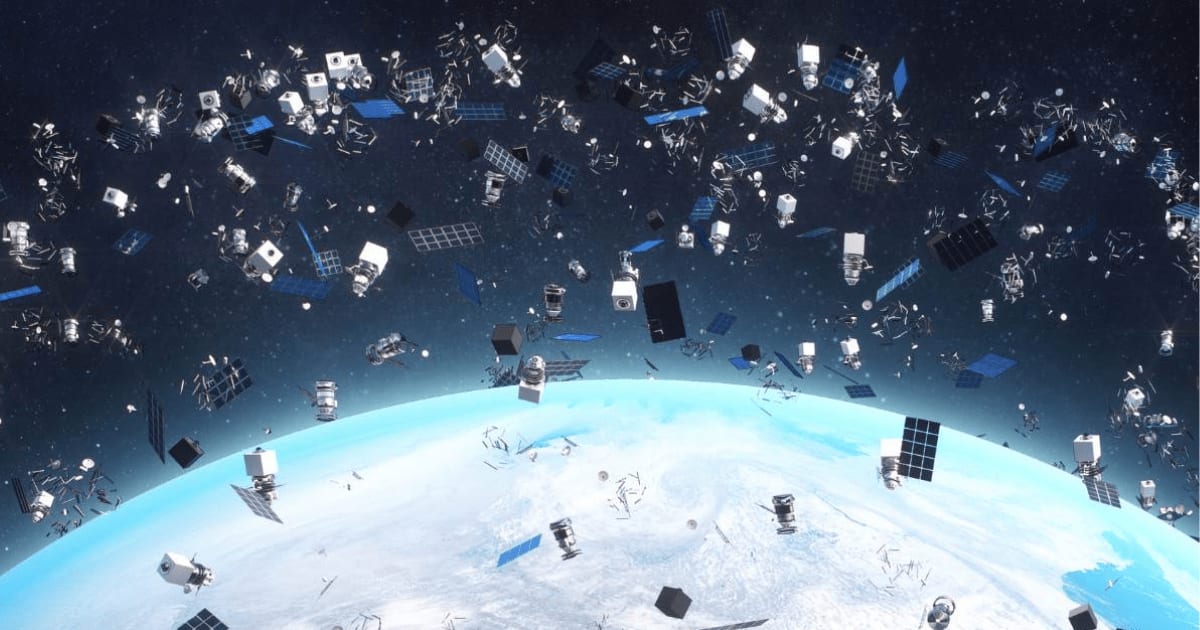
The European Space Agency (ESA) recently released its annual Space Environment Report for 2026, and the report is a cause for alarm. The data suggests that Earth’s orbital environment is getting dangerously congested with the rise in satellite deployments and space debris. While this has not yet drastically affected space operations, the long-term impact of such congestion may render certain orbits unusable, thereby hindering future spaceflight activities and threatening the sustainability of our orbital environment.
Earth's orbital environment is a finite resource.
— European Space Agency (@esa) September 14, 2026
Our latest Space Environment Report shows the long-term impact of our activities in space worsened by an order of magnitude in just one year.
The time to tackle space debris is now.
Read more: https://t.co/539ea3TUdd pic.twitter.com/TH7L0sVxRo
What the current data indicates: A growing threat
According to CelesTrak data, Earth's orbit now hosts roughly 17,000 active satellites. To add to this number, there are thousands of inactive satellites, rocket bodies, and other space debris fragments. Moreover, according to ESA's report, more than 4,000 payloads were launched in 2025 alone, while the debris population continues to increase at an alarming rate.

This rapid growth is largely driven by giant broadband mega-constellations, particularly Starlink, which currently has around 11,000 satellites in orbit. With Amazon and several Chinese operators also deploying large networks, and with the launch of orbital data centers being planned, this number is only expected to increase. An increased number of satellites implies a growing probability of collisions, which may steer us toward a Kessler syndrome-like scenario.
The Kessler syndrome: Can orbital debris spiral out of control?
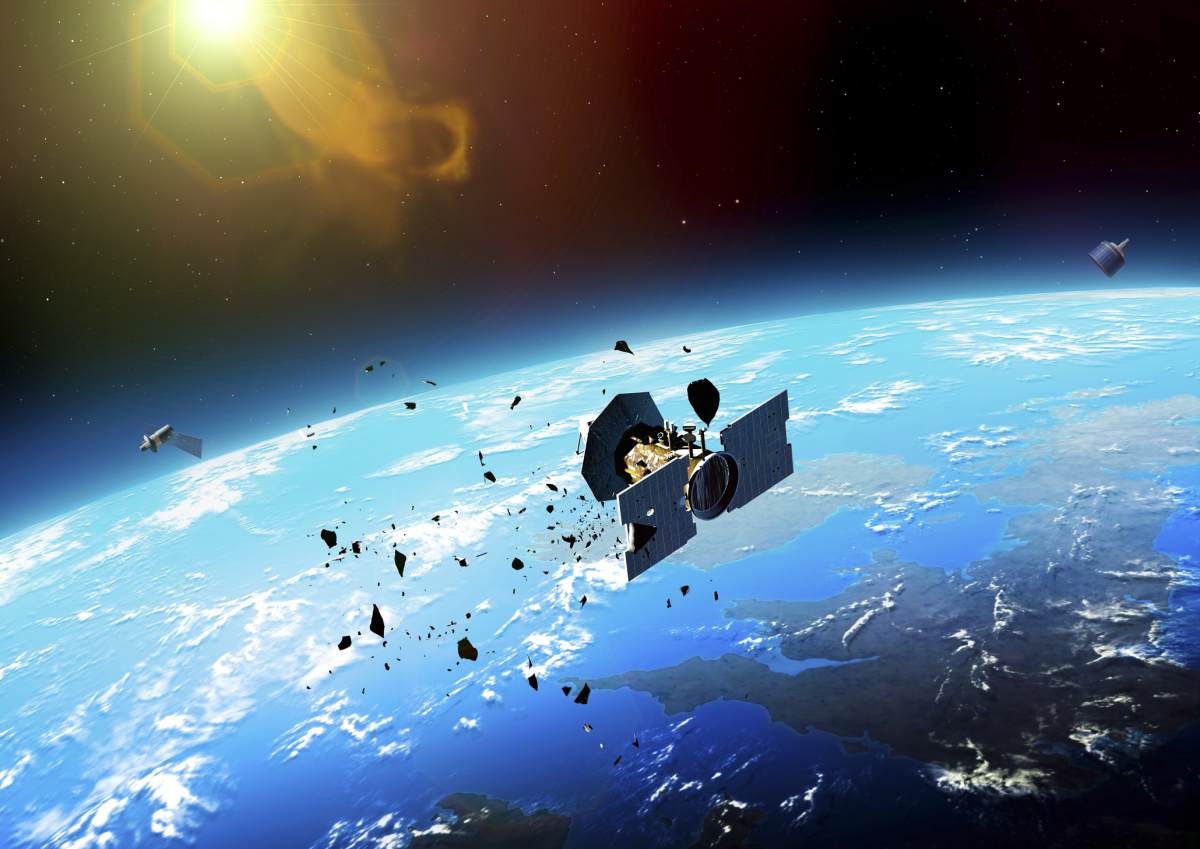
Hypothesized by NASA scientists Donald Kessler and Burton Cour-Palais nearly half a century ago, the Kessler syndrome is a catastrophic scenario for the future of space exploration and global infrastructure. This phenomenon refers to a theoretical chain reaction where collisions between satellites generate debris, which in turn triggers further collisions. This cascading series of impacts can lead to an exponential rise in the debris population, effectively making orbits completely unusable.
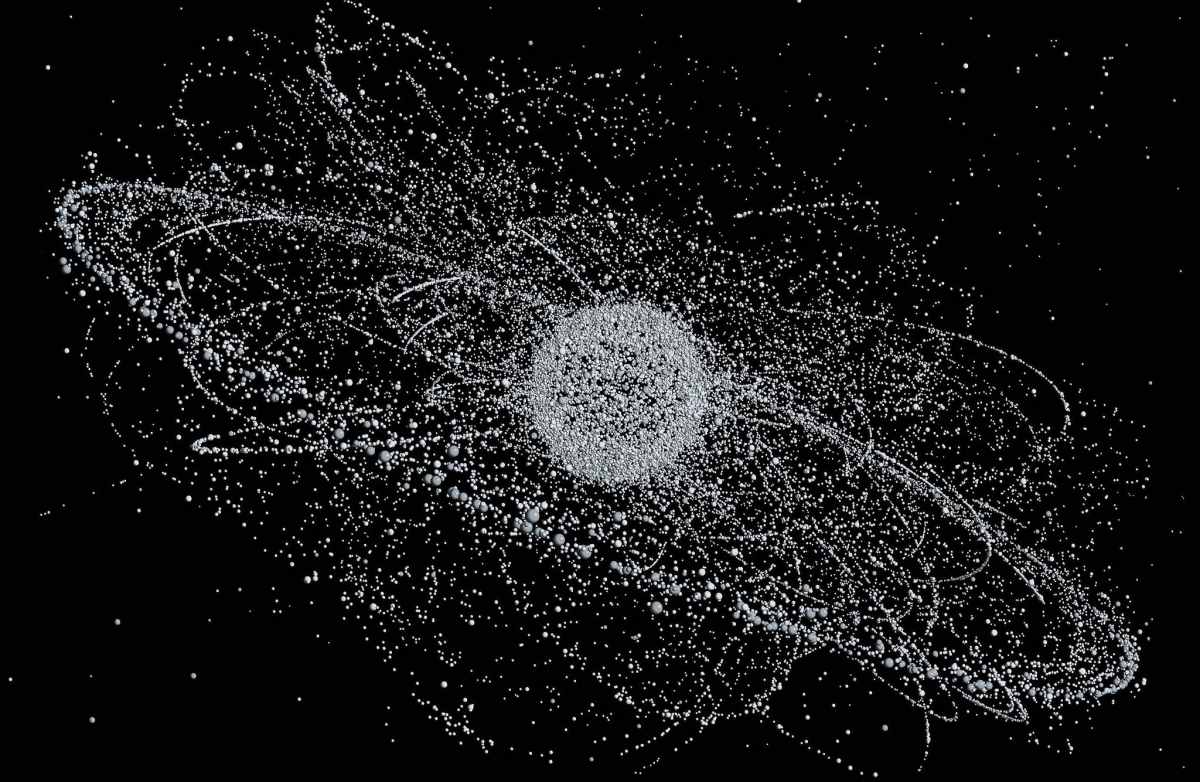
But will the Kessler syndrome become a reality? Given present rates of growth, there is some genuine concern. To illustrate, the ESA's Space Environment Health Index—which reflects the health and stress levels of the orbital environment—showed a staggering leap from roughly 4 to 50 in just one year (from 2025 to 2026), implying a substantial deterioration in the long-term sustainability of our orbital environment. As per the agency, the sustainability threshold is 1, and any value crossing 1 suggests that the orbital environment is experiencing greater-than-sustainable strain.
However, industry titans like SpaceX CEO Elon Musk have historically taken a completely different stance on the subject. Even as recently as earlier this year, Musk asserted in an interview, "Space is really big. It’s not like space is gonna get crowded. Space is enormous. If you actually look at it relative to the Earth, the satellites are so tiny you can’t even see them.”
How to resolve this? Clearing space traffic and reducing collision risk
Contrary to more optimistic views, however, ESA's recent simulations reveal that given current growth trends, the rates of orbital collisions could rise exponentially even if satellite operators strictly follow debris-mitigation practices. In order to de-escalate this issue, ESA suggested that there needs to be a strict focus on active debris removal alongside more effective end-of-life disposal and space-traffic coordination. The agency, in its own way, is trying to contribute to the change—for instance, ESA is proactively attempting to deorbit its own legacy satellites that were developed well before its current guidelines on debris mitigation came into effect. Furthermore, ESA’s upcoming ClearSpace-1 mission will test the decluttering of congested orbits via active debris removal.
More on Starlust
Scientists discover how rising solar activity is making space debris fall back to Earth faster