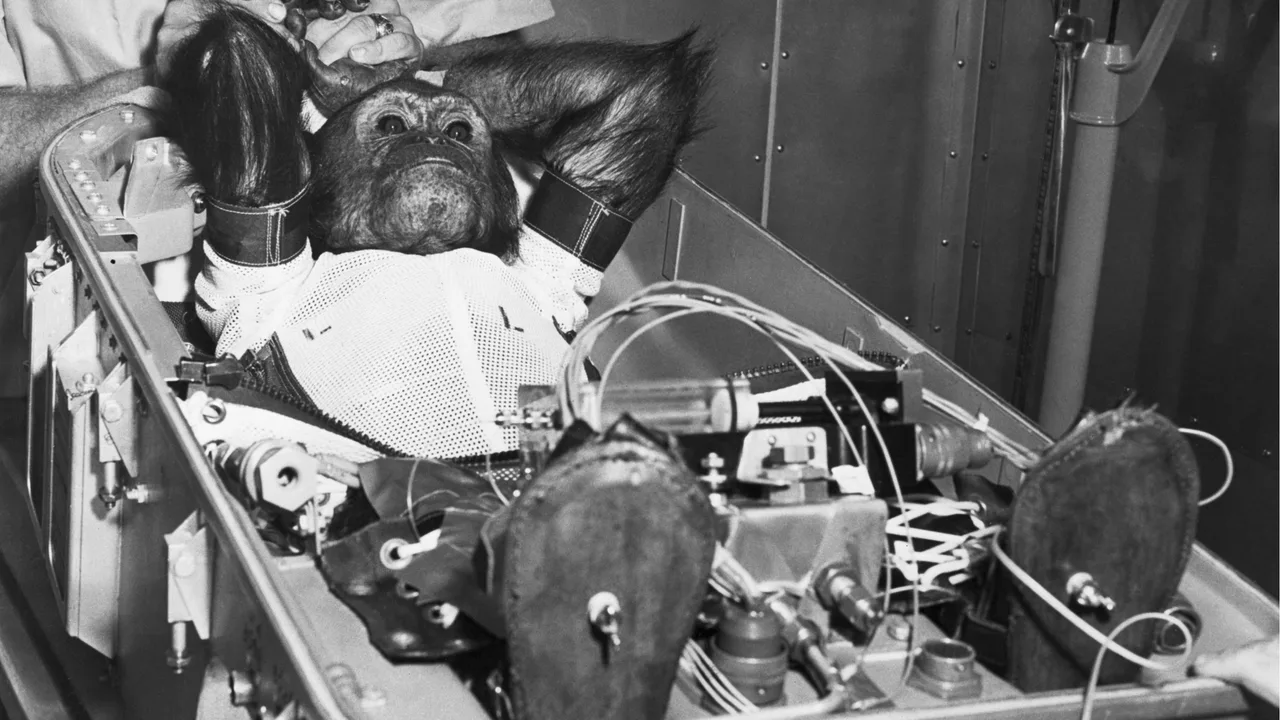
Meet the forgotten animal heroes who helped make human spaceflight possible
The forgotten space heroes
Before humans ever left Earth and reached space in 1961, there were many brave creatures who made their journey first to test if survival in space was even possible. Some returned safely, but others sadly didn’t. They are the true heroes whose sacrifices made human spaceflight possible.
So, here’s a look at some of the animals who ventured into space and their stories.
Laika: The stray who orbited Earth (1957)
Laika was picked from the streets of Moscow, and she became the first creature to orbit Earth on November 3, 1957. She was launched aboard Sputnik 2, and sadly, her mission included no plans for her recovery.
This is because her spacecraft had no re-entry heat shield, and the mission was designed as a one-way trip. During the trip, she passed away due to overheating.
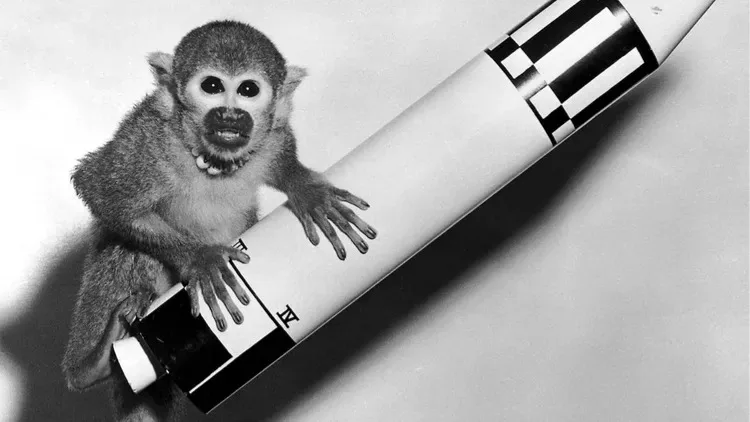
Able and Baker: America’s first monkey survivors (1959)
On May 28, 1959, a group of mismatched monkeys was launched aboard a Jupiter missile into space. The monkeys, named Able and Baker, became the first ever primates to survive spaceflight. They landed safely in the Atlantic Ocean after enduring 38 times the force of gravity.
Later on, they became so famous that they appeared on the cover of Life magazine.
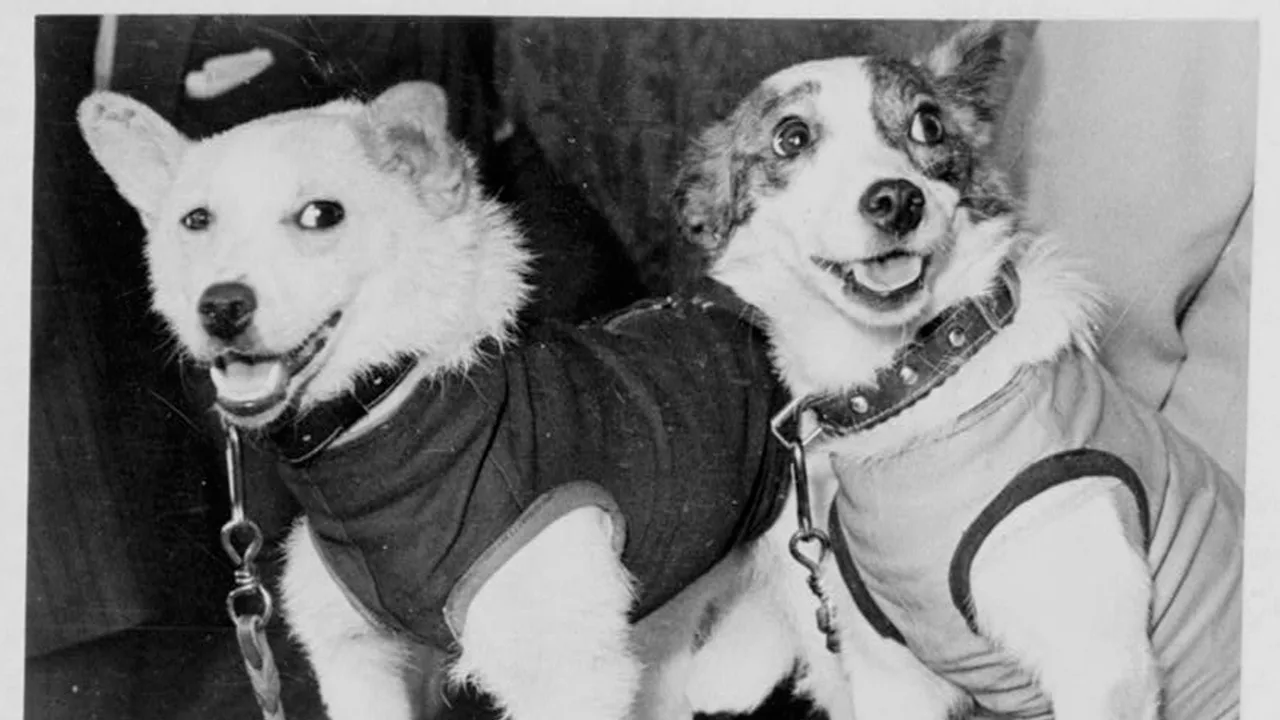
Belka and Strelka: The celebrities of Sputnik 5 (1960)
Just one year after the launch of the duo monkeys, the Soviet Union launched its mission called Sputnik 5 with a pair of stray dogs called Belka and Strelka. They were not the first dogs to orbit Earth, but they were the first to return alive (as Laika didn’t survive the trip).
They were sent alongside other animals, which included 40 mice, fruit flies, rats, as well as a rabbit. Fortunately, all the animals survived the mission and returned home safely.
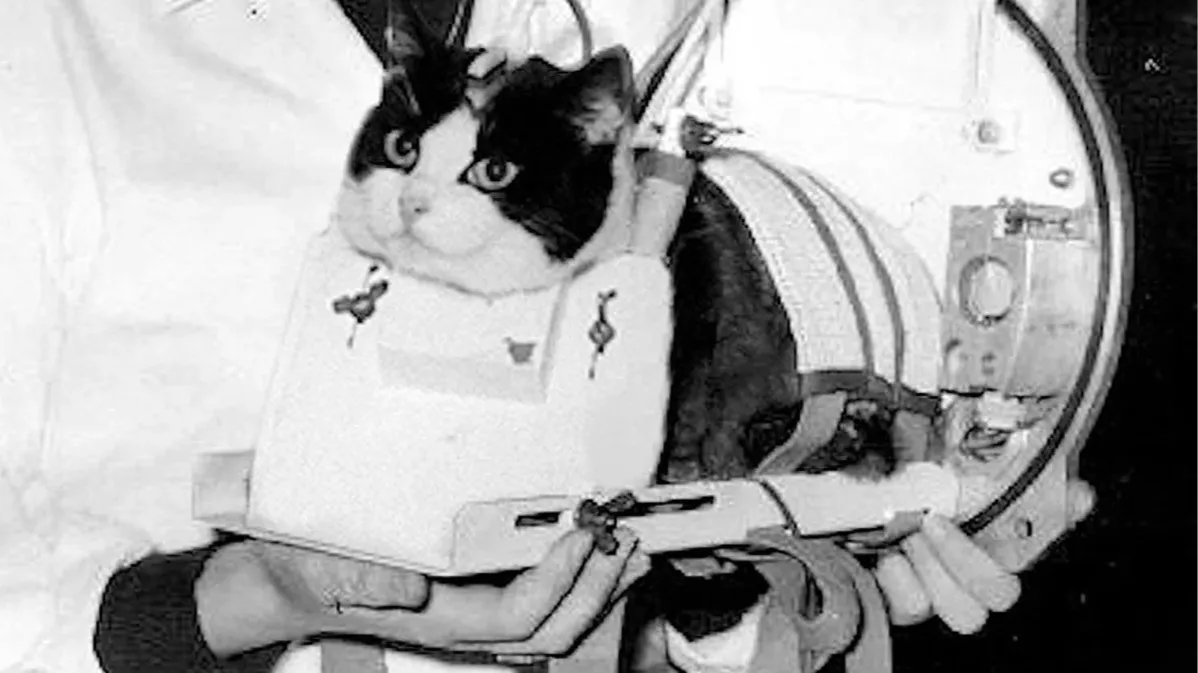
Félicette: The only cat in space (1963)
This small black-and-white cat was the first feline to fly into space. She was a stray cat picked up from the streets of Paris who flew aboard a French Véronique AG1 rocket on October 18, 1963. Fortunately, Félicette survived the mission and made it back to Earth safely.
But her story didn’t end well. Just two months after her recovery, scientists euthanized her so that they could study her brain. Later, scientists admitted that they learned nothing useful from the autopsy.