NASA's Nancy Grace Roman Space Telescope is in space now: See stunning pics from its launch
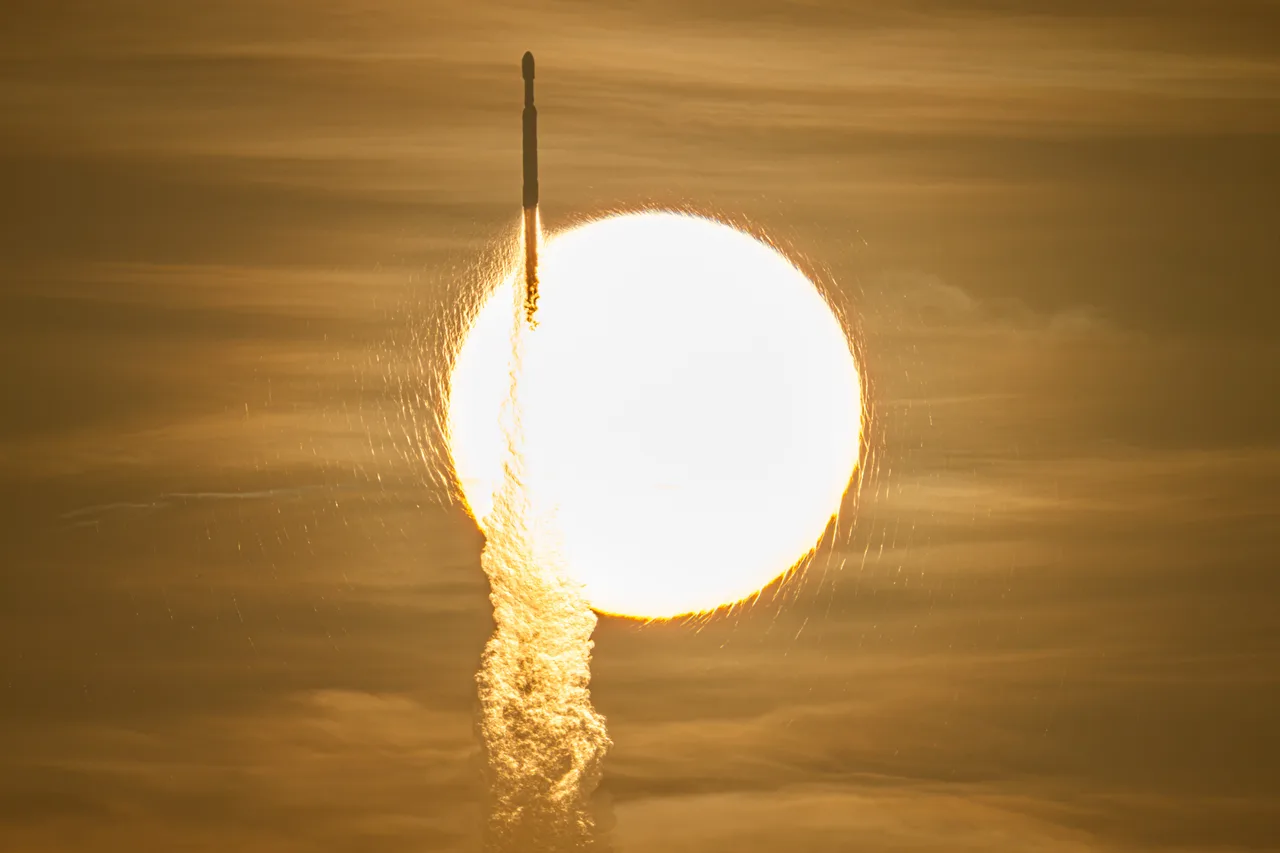
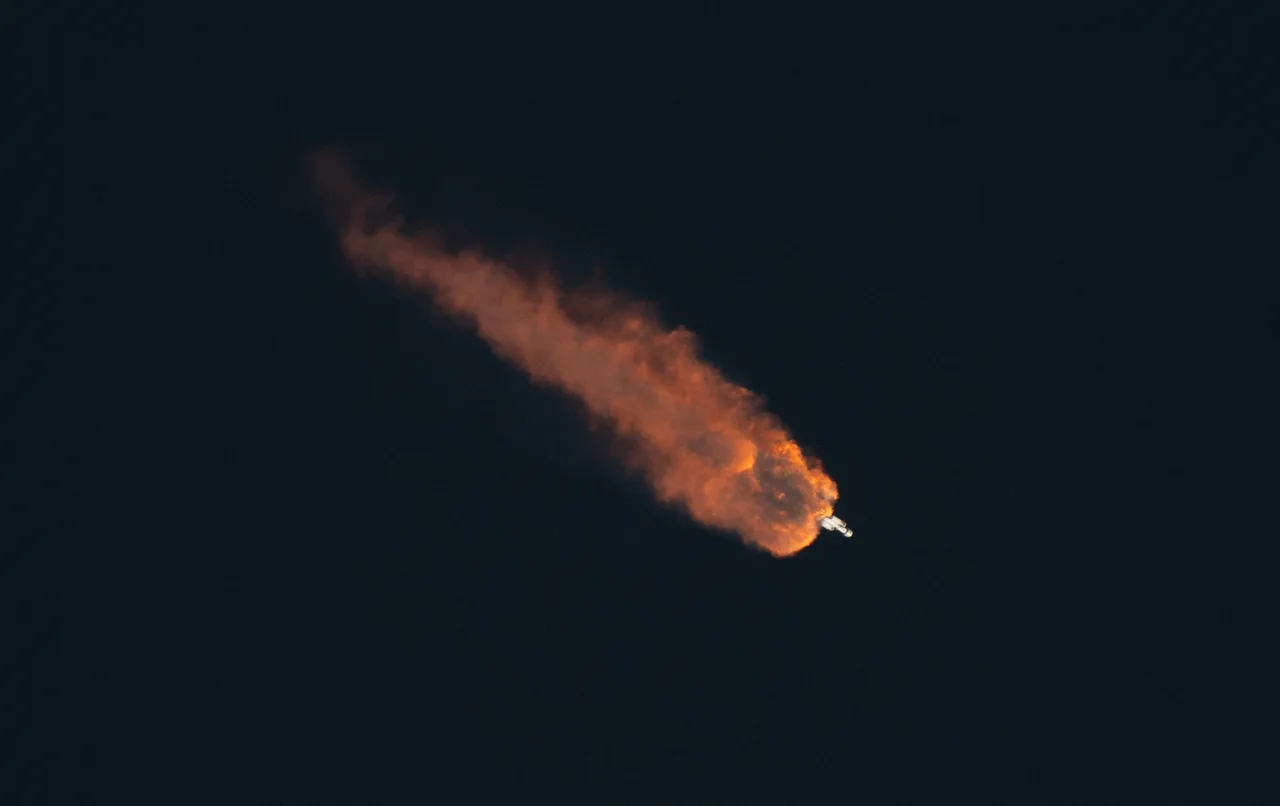
Roman transiting the Sun after launch
The SpaceX Falcon Heavy rocket carrying NASA’s Nancy Grace Roman Space Telescope on board is seen transiting the solar disk on the way to its intended position orbiting the second Sun-Earth Lagrange point. This highly elliptical path, similar to that of NASA's James Webb Space Telescope, will allow Roman an unobstructed view of some of the furthest objects in the universe from Earth.
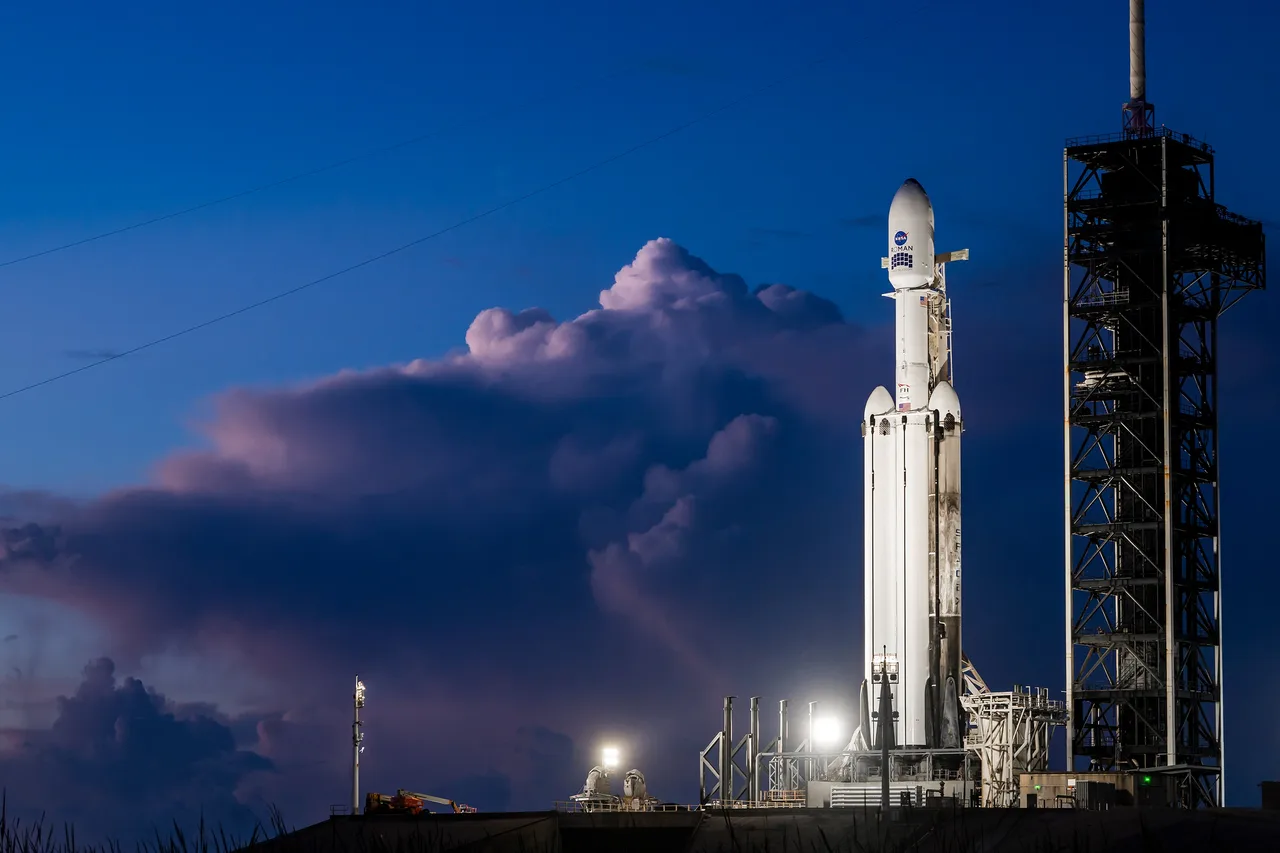
The telescope atop Falcon Heavy looks striking against the blue sky before launch
In the hours and minutes leading up to the launch, scientists at NASA were particularly excited about the prospect of being able to soon understand many of the mysteries of the universe. Concepts such as dark energy that are hitherto less understood, are just a couple of areas where Roman will help researchers characterize our cosmos. The telescope features a 7.9-foot-wide mirror, which will enable these discoveries. The observatory will use a Wide Field Instrument, Microlensing, and Coronagraph to gather yet more data. Ahead of launch, Dr. Dominic Benford, Roman program scientist, stated, "I'm more thrilled than I can possibly explain!"
Godspeed, Nancy Grace Roman Telescope!
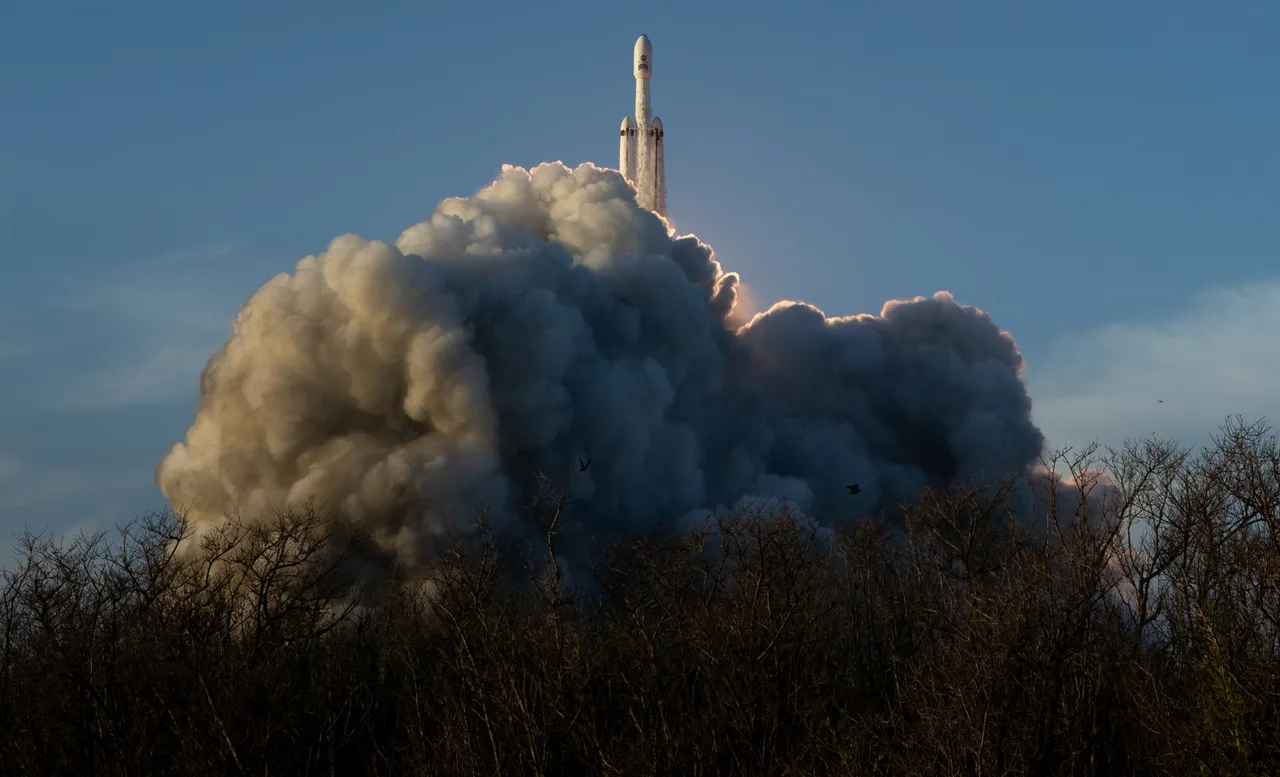
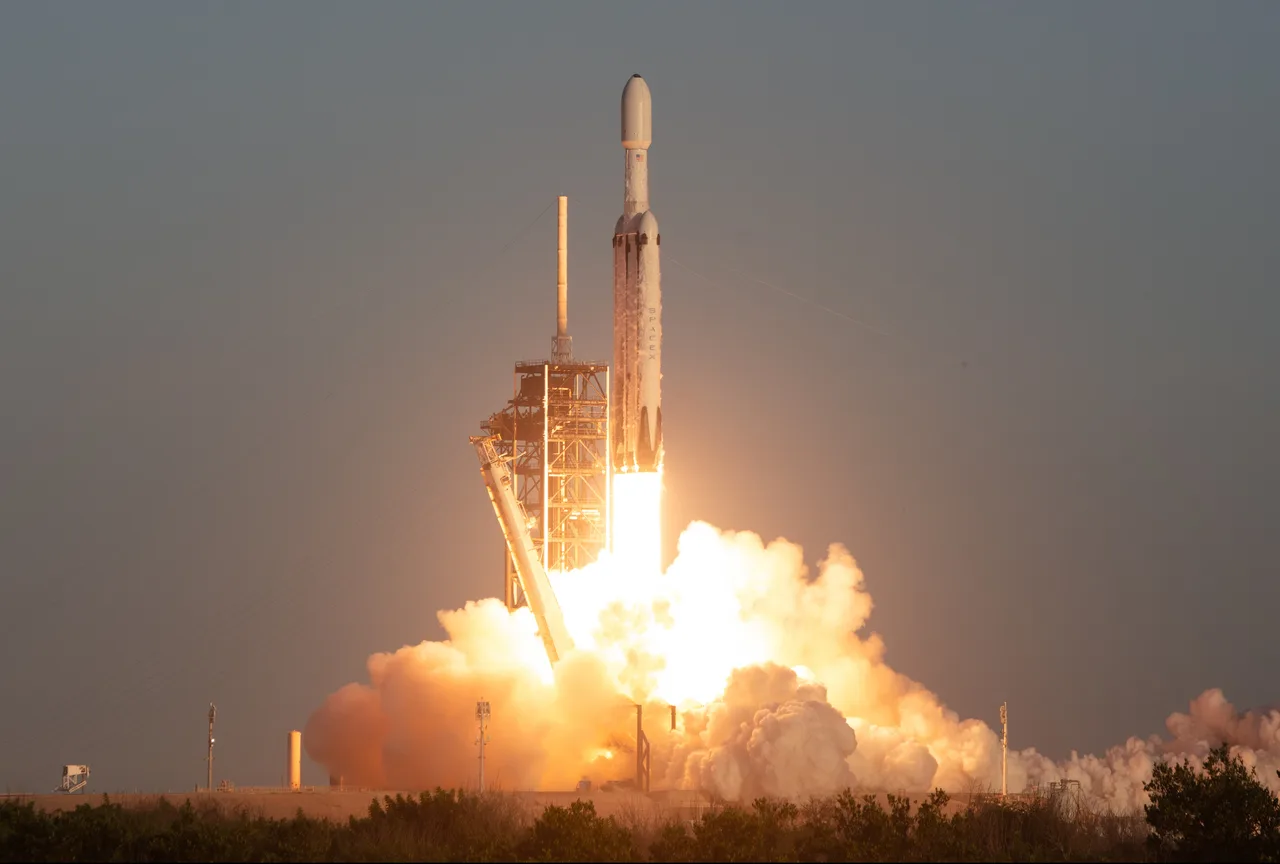
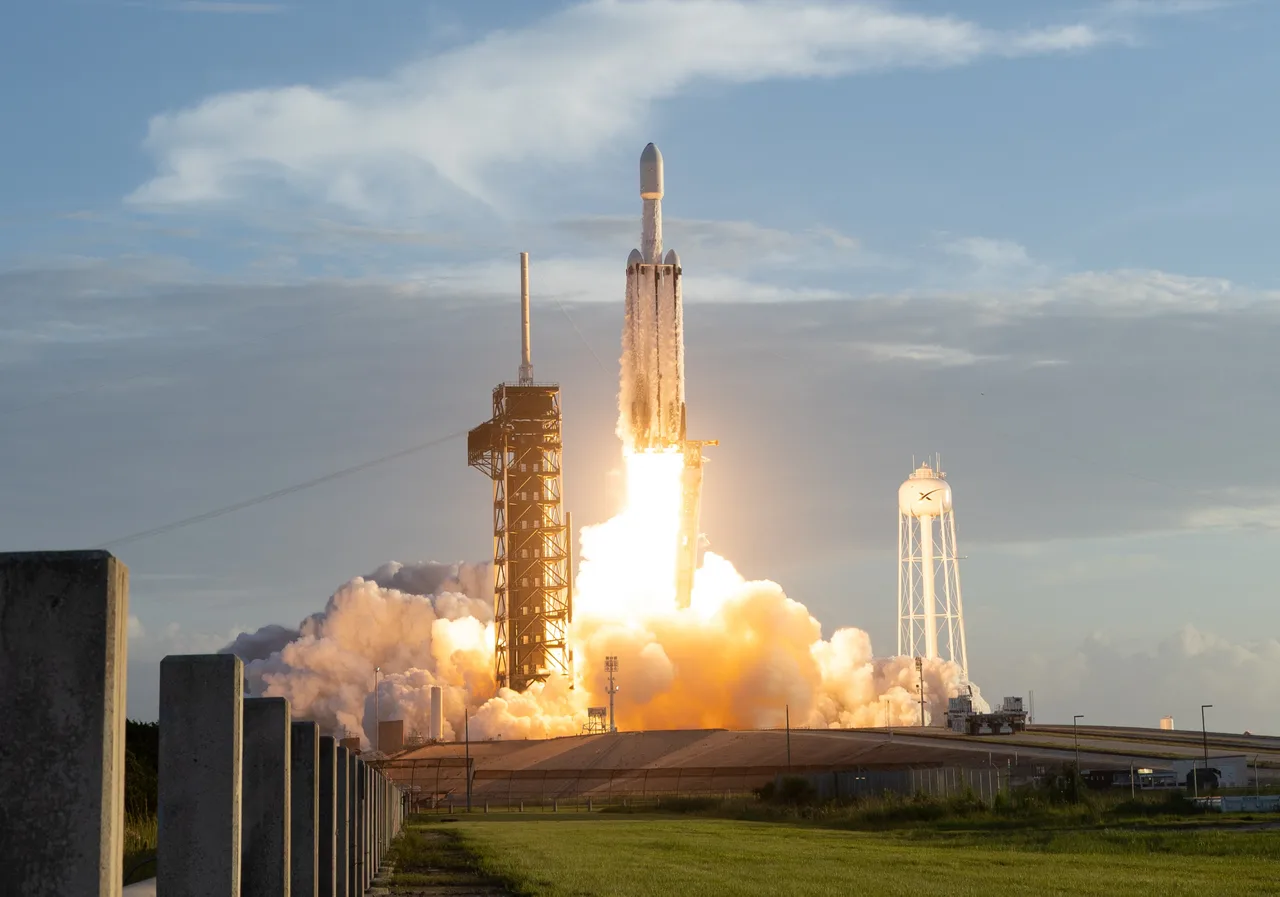
SpaceX Falcon Heavy rocket launches the Nancy Grace Roman Space Telescope at 7:26 am EDT from Launch Complex 39A on Sunday. Roman will investigate dark energy and dark matter, conduct a statistical census of planetary systems, and enable a broad range of additional astrophysics research. The observatory pays tribute to its namesake, Nancy Grace Roman, a pioneer of stellar astronomy.
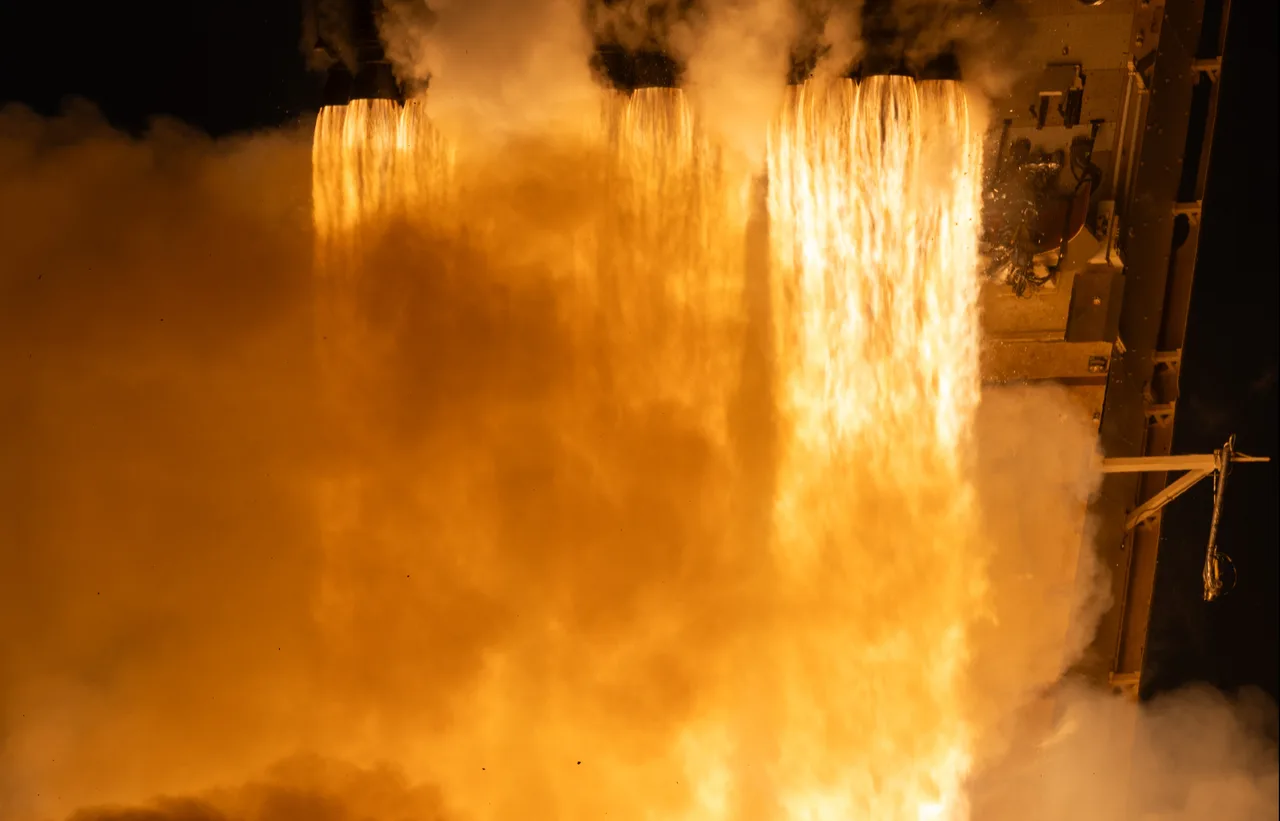
Falcon Heavy's 27 Merlin engines fire during liftoff
27 Merlin engines together generate more than 5 million pounds of thrust during liftoff, helping put the 18,000-pound Nancy Grace Roman Space Telescope on its journey to the second Sun-Earth Lagrange point, which is more than a million miles away from us.
Hundreds of discoveries coming soon
The flagship observatory by NASA is designed to help scientists unravel mysteries of the universe. Once at its final destination at Sun-Earth Lagrange Point 2, Roman will have an unobstructed view of the universe, and with a wide field of view at least 100 times larger than the Hubble Space Telescope, Roman will be able to map billions of galaxies, discover new exoplanets, study black holes, and strengthen existing research.
Roman on its way to creating a mosaic of the Milky Way galaxy
Dr. Julie McEnery, a senior project scientist for the Roman Telescope, stated that with the help of this telescope, scientists will be able to put together a map of the entire galaxy with all 20 billion stars in it. Referring to the capabilities Roman is launching with, she added, "The scope is extraordinary!"
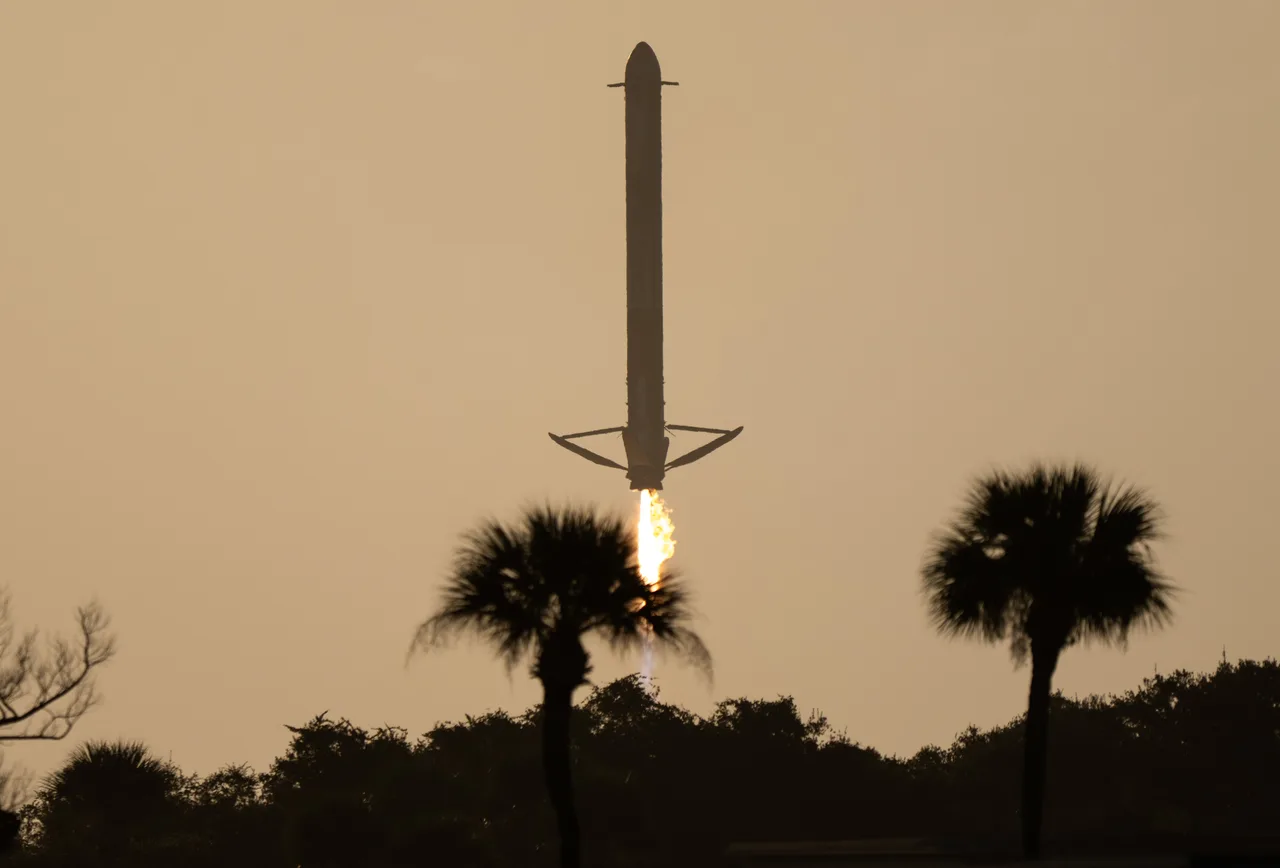
SpaceX Falcon Heavy booster successfully lands after launch
A SpaceX Falcon Heavy side booster is seen as it lands at Landing Zone 2 at the Cape Canaveral Space Force Station in Florida after helping launch NASA’S Nancy Grace Roman Space Telescope into space. SpaceX's Supply Chain Engineer Zachary Luppen expressed the excitement that everyone shares at the prospect of launching the sophisticated observatory to its vantage point a million miles away from Earth, especially using a Falcon Heavy, which is flying only for the second time this year, stating, "It's awesome to see a Falcon Heavy back on the launchpad". The other booster landed back at Landing Zone 40.
Roman will change humanity's perspective
NASA Administrator Jared Isaacman congratulated the teams that built Roman, saying, "I am beyond excited for the NASA Goddard space flight team and NASA's JPL". He went on to add that the Nancy Grace Space Telescope could change our understanding of the cosmos, and pointed to the fact that the mission was launching ahead of schedule and well within its planned budget.