Could alien technology have already reached Earth? Harvard scientist Avi Loeb is searching for evidence
Why are Harvard scientists studying UFO reports?
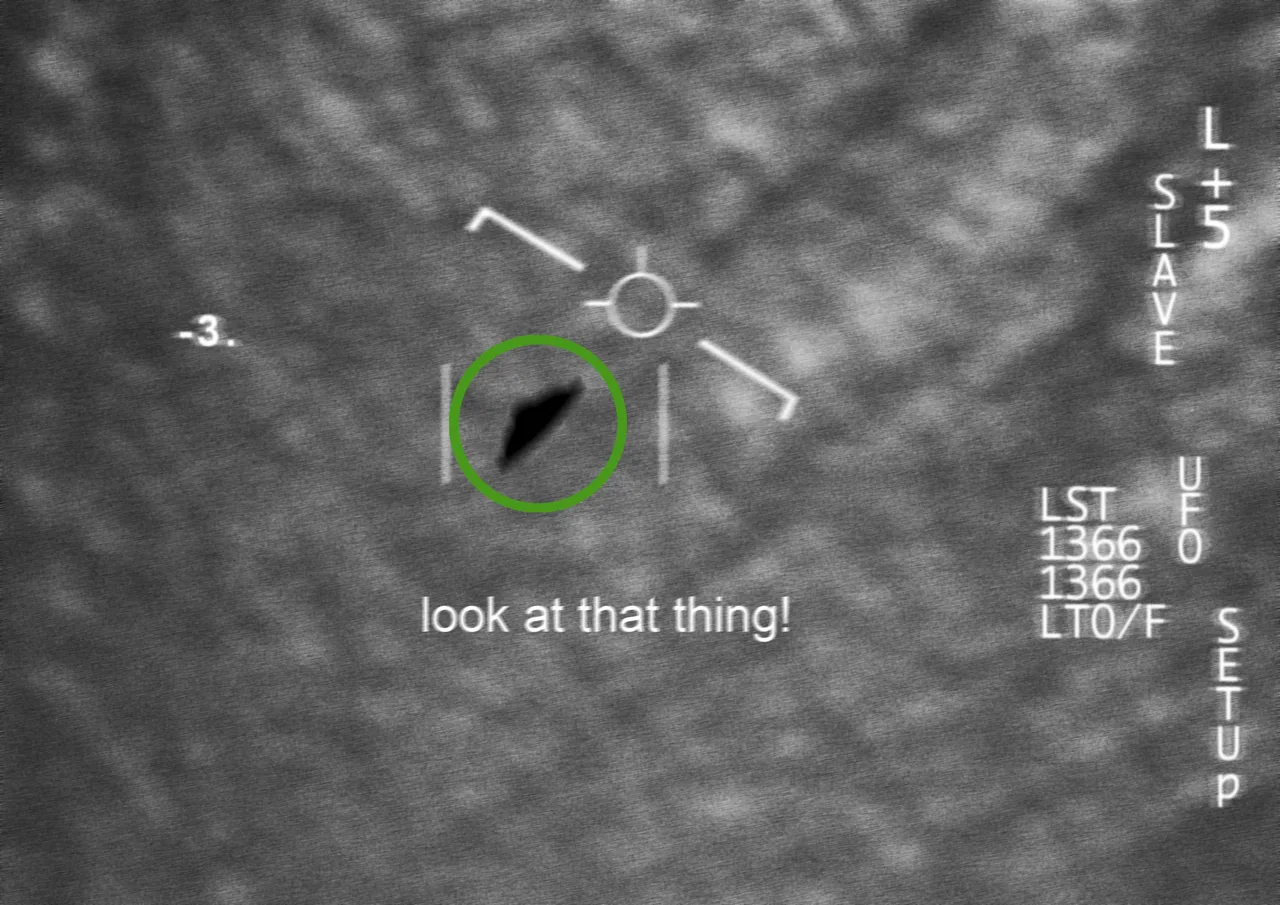
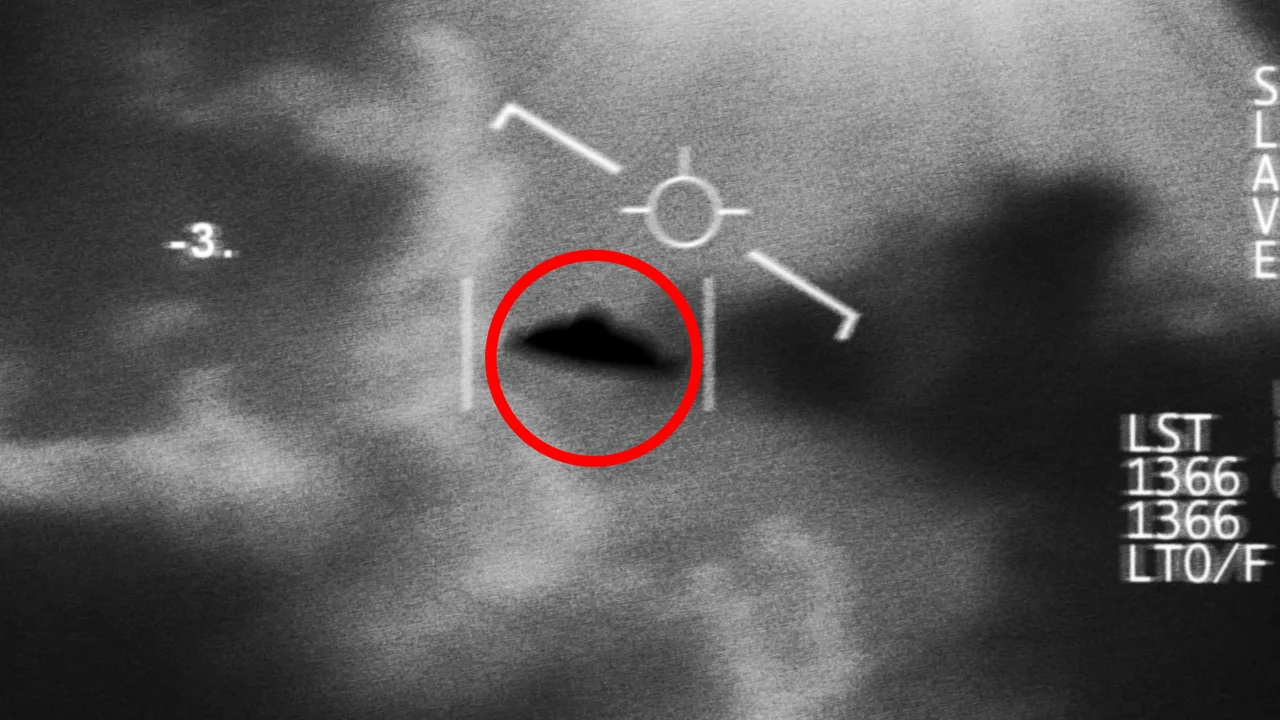
The US government released the first of its new UFO files on May 8, 2026. Since then, several batches of declassified UFO (UAP) files have been released by the Pentagon (the headquarters of the US Department of War). The files include historical documents and contemporary military footage from the last eight decades, and the government has published them in an effort to provide maximum transparency to the public. But these files have failed to provide conclusive evidence and explanations for these reported sightings. However, Harvard astronomer Avi Loeb began investigating the mystery a few years ago through his Galileo Project.
Avi Loeb believes that these unidentified sightings should not be immediately dismissed but should be studied and investigated thoroughly. Before reaching the conclusion that aliens might have visited our planet, Loeb wants scientists to gather solid evidence. To that end, he launched the Galileo Project in July 2021 to systematically study the unidentified and unusual objects spotted on Earth.
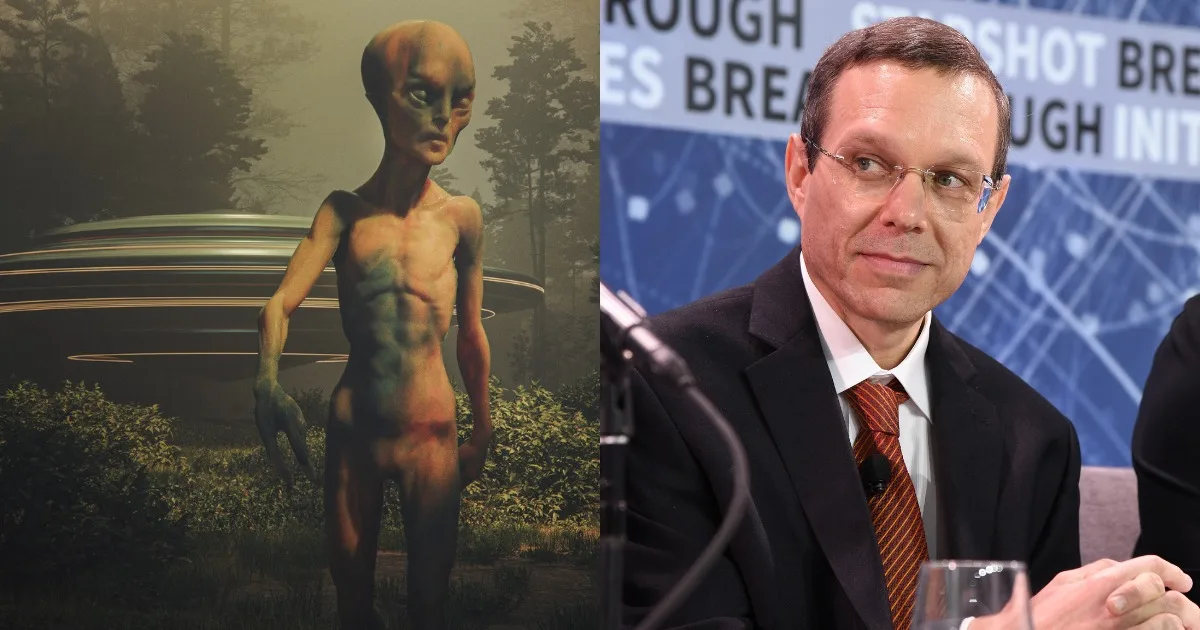
This collage shows a stock illustration of an alien in a forest (L) and Israeli-American theoretical physicist Avi Loeb.
UAP mystery demands better scientific data, says Avi Loeb
Back in 2021, the US Office of the Director of National Intelligence (ODNI) released a report highlighting their decision to investigate UAPs (unidentified aerial phenomena). The ODNI reviewed 144 UAP reports recorded between 2004 and 2021, and most of the reports were from military personnel. However, the authorities failed to come to a conclusion, stating that there was a lack of high-quality information. This is why Loeb believes rigorous scientific observations are needed to balance the lack of reliable data.
“I think the government is puzzled. They don't know what to make of it. They are not scientists. I say let's just figure it out, let's not have any prejudice, just collect better data. That's the scientific method. That's the way science is done,” said Loeb, reflecting on the matter.
How is the Galileo Project investigating the mystery?
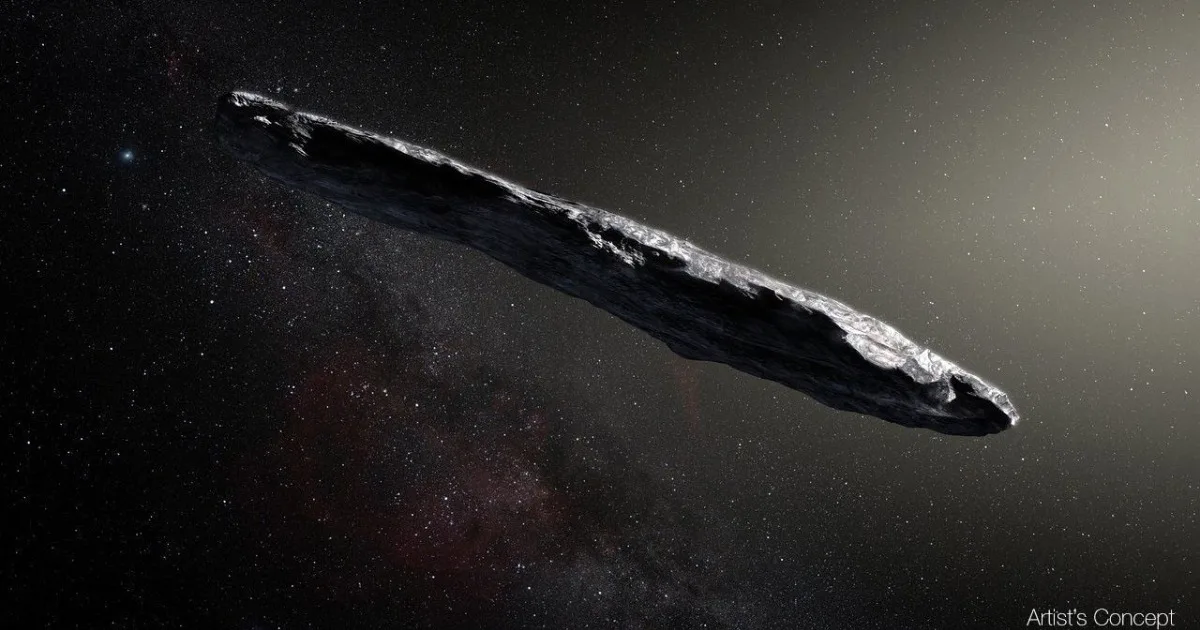
‘Oumuamua is the first confirmed interstellar object to visit our solar system, discovered on October 19, 2017. Immediately after its discovery, it grabbed Professor Loeb’s interest with its unusual characteristics. This interstellar interloper had a rocky, cigar-like shape with a reddish hue. It was up to one-quarter of a mile (400 meters) long and way more elongated than asteroids or comets; NASA reported it was “10 times as long as it is wide.” Adding to that, scientists pointed out how it was incredibly dense, predicting that it might be composed of rocks and metals with no water or ice.
Loeb believes that ‘Oumuamua’s characteristics hint at it being an alien spacecraft. He also noted that just six months before ‘Oumuamua made its closest approach to Earth, a 3-foot-long (1-meter) meteor struck Earth. This convinced Loeb to speculate that the meteor might have been a tiny probe or a “dandelion seed” released by a larger interstellar object.
The photo shows an artist’s illustration of ‘Oumuamua by NASA.
Why did 'Oumuamua inspire Avi Loeb's research?
‘Oumuamua is the first confirmed interstellar object to visit our solar system, which was discovered back on October 19, 2017. Immediately after its discovery, it grabbed Professor Loeb’s interest with its unusual characteristics. This interstellar interloper had a rocky, cigar-like shape with a reddish hue. It was up to one-quarter mile and way more elongated than asteroids or comets, as NASA reported it was “10 times as long as it is wide.” Adding to that, scientists pointed out how it was dense and predicted that it might be composed of rocks and metals and had no water or ice.
Now Loeb believed that ‘Oumuamua’s characteristics hint towards it being an alien spacecraft. He also noted how just six months before ‘Oumuamua was discovered, a metre-long meteor struck Earth. This convinced Loeb to speculate that the meteor might be a tiny probe or “dandelion seeds” released by a larger interstellar object.
This is an artist’s illustration of ‘Oumuamua by NASA.
Could some UAPs be tiny interstellar probes?
Professor Loeb further hypothesized that some of the other reported unidentified objects might also be probes. Loeb, alongside former Pentagon AARO director Dr. Sean M. Kirkpatrick, noted that if unidentified, fast-moving objects pass by without resulting in a friction-induced fireball, they might actually be much closer—and moving much slower—than they are being estimated to be. Scientists involved in the Galileo Project are aiming to land solid evidence to definitively solve these physical contradictions.
Scientist suggests alien intelligence could be closer than expected
Radio astronomer Michael Garrett, who is also the vice-chair of the International Academy of Astronautics’ SETI Permanent Committee, believes that if intelligent life exists elsewhere in the universe, investigations are needed to find out whether any related phenomena could also be detected closer to Earth.
“If I accept that there's intelligence out there, and that might have been around for a long time, I also have to accept that there might be phenomena, including phenomena that could visit us, that's associated with intelligence,” said Garrett. He further added, “I can’t somehow think there might be intelligence somewhere on the other side of the galaxy, and then say, 'oh, yeah, but it can't be here'. Those two things to me don't make sense and are not logical.”
Garrett considers the Galileo Project to be a bridge connecting UFOlogy and the rigorous scientific search for extraterrestrial life in the universe.