Firefly's Alpha rocket bounces back with its seventh flight after a turbulent 2025
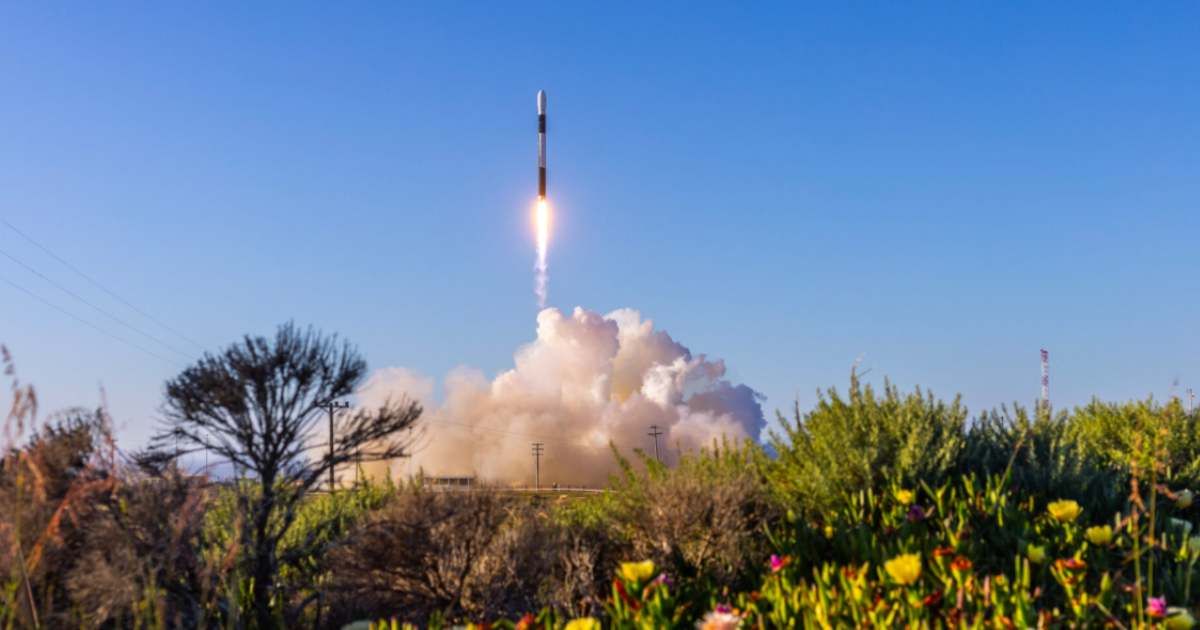
Firefly Aerospace has confirmed the successful launch of the Alpha rocket for its "Stairway to Seven" mission on March 11, 2026. The mission, which marked the seventh flight of the vehicle, achieved liftoff at 5:50 pm PDT (8:50 pm ET) from Space Launch Complex 2 at the Vandenberg Space Force Base in California. A demonstrator payload for Lockheed Martin was put into orbit just over 8 minutes after launch.
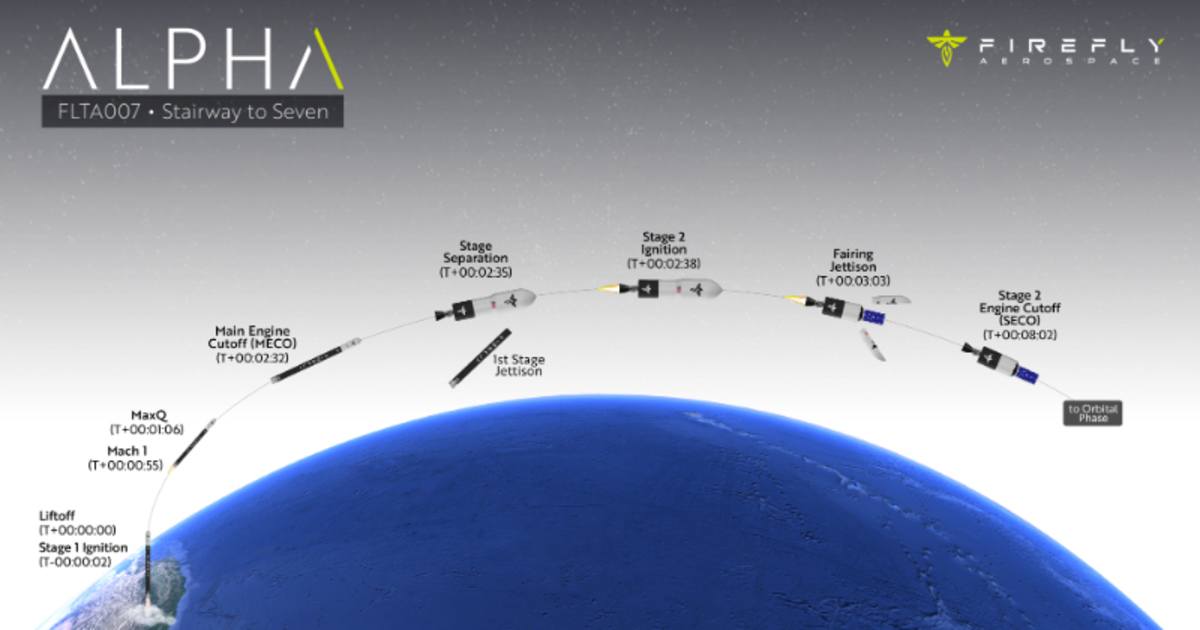
"Firefly’s Alpha rocket also performed a stage two engine relight and validated key Alpha Block II upgrades, including a new in-house avionics suite and enhanced thermal protection system, ahead of the full Block II configuration upgrade planned for Flight 8," the Texas-based company wrote in their press release. Firefly will now retire the Block I configuration and move on to its successor to improve the capabilities of the vehicle. Besides featuring a consolidated system built in-house instead of off-the-shelf batteries and avionics, the Block II configuration will also see the rocket's length increase from 97 feet to 104.
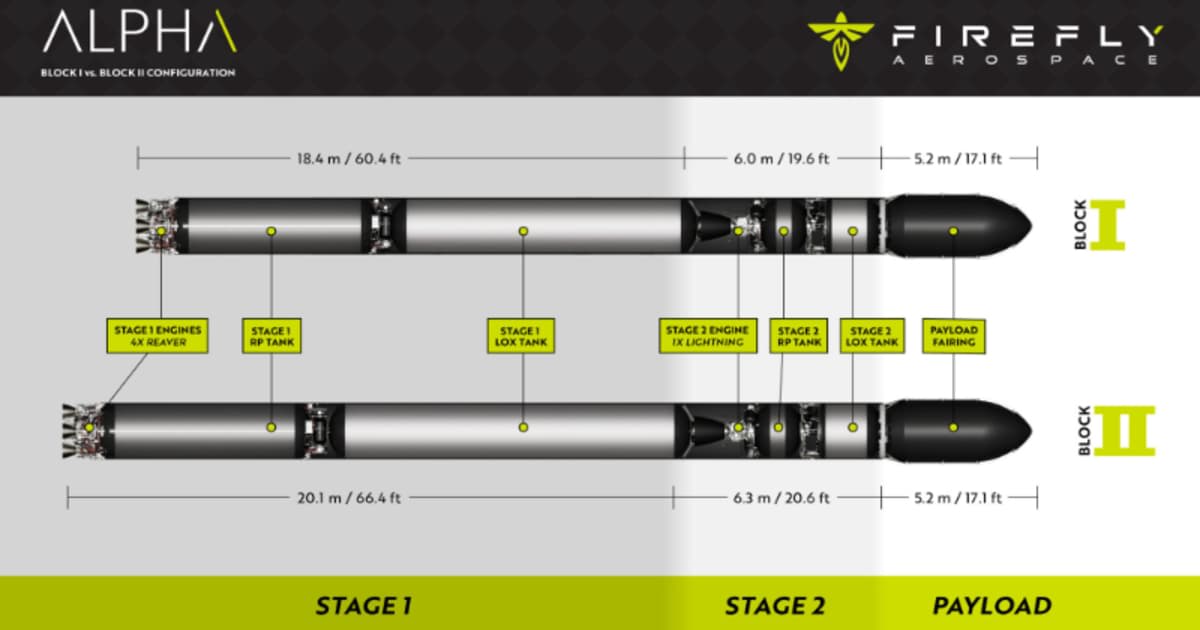
Stressing over the importance of Flight 7, Adam Oakes, Vice President of Launch, Firefly, had said back in January, “In addition to supporting customer objectives, Firefly is utilizing Flight 7 as an opportunity to test key systems ahead of the full Block II upgrade on Flight 8. This approach allows us to accelerate our planned Block II timeline and validate the improvements designed to enable more mass savings, optimize production, and increase reliability across the entire Alpha vehicle." Speaking of the four Reaver engines and other rocket hardware used for lift-off, Oakes continued, “Our flight-proven Reaver and Lightning engines and carbon composite structures continue to be the backbone of this rocket, so that core technology doesn’t change.”
This launch would have come as a relief to Firefly, especially given its recent track record. Flight 7's previous launch opportunity on March 1 was scrubbed after winds high up had been speeding beyond FAA regulations. Prior to that, the rocket failed to put a technology demonstration satellite for Lockheed Martin into orbit last April, and then another catastrophe hit the company during a pre-flight test at its facility in Briggs, Texas, last September, when the first stage intended to be flown on Flight 7 exploded. Firefly went on to state that a "minute hydrocarbon contamination" had caused the explosion. Following this setback, the company turned to its production line for another first stage.
Despite all hurdles, Firefly has made some rapid strides within the ever-evolving aerospace industry, having been the first commercial company to execute a fully successful soft landing on the Moon's surface. This was achieved in February 2025 by the company's Blue Ghost lander. This mission was part of the Commercial Lunar Payload Services by NASA, which will see Firefly’s involvement again in 2029. As part of the mission, Firefly will deliver two rovers and three scientific instruments to the lunar surface.
More on Starlust
SpaceX Starship V3 to be launched in about 4 weeks’ time, confirms Elon Musk
NASA selects United Launch Alliance to provide upper stage for Artemis IV and V