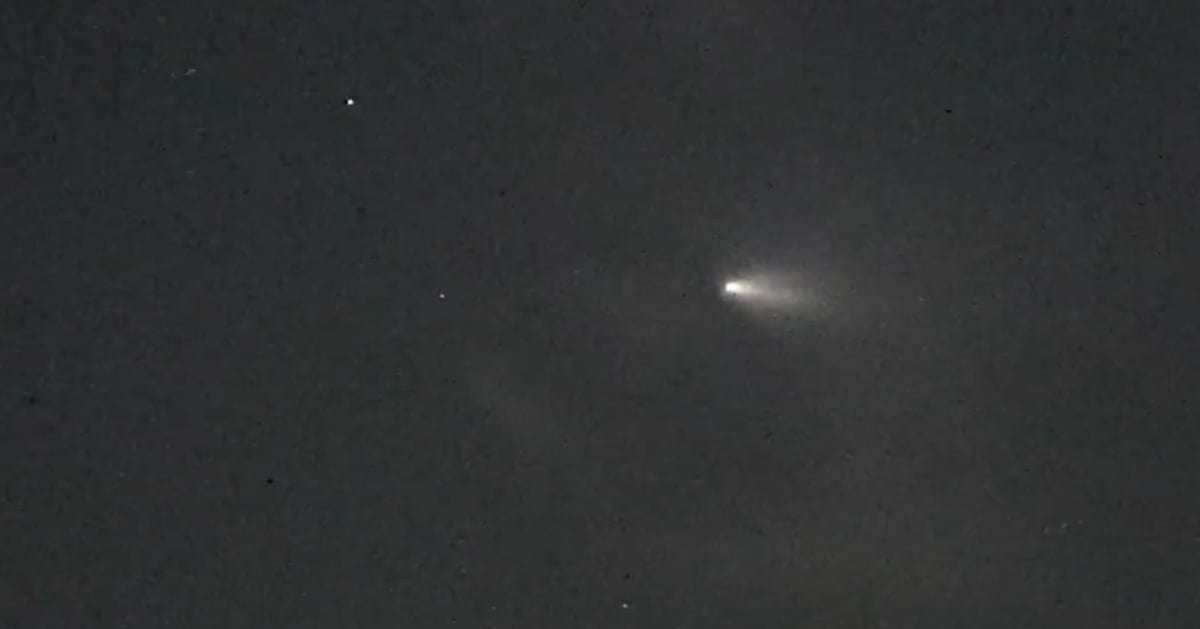
Firefly Aerospace Alpha rocket booster explodes during critical preflight engine test in Texas facility
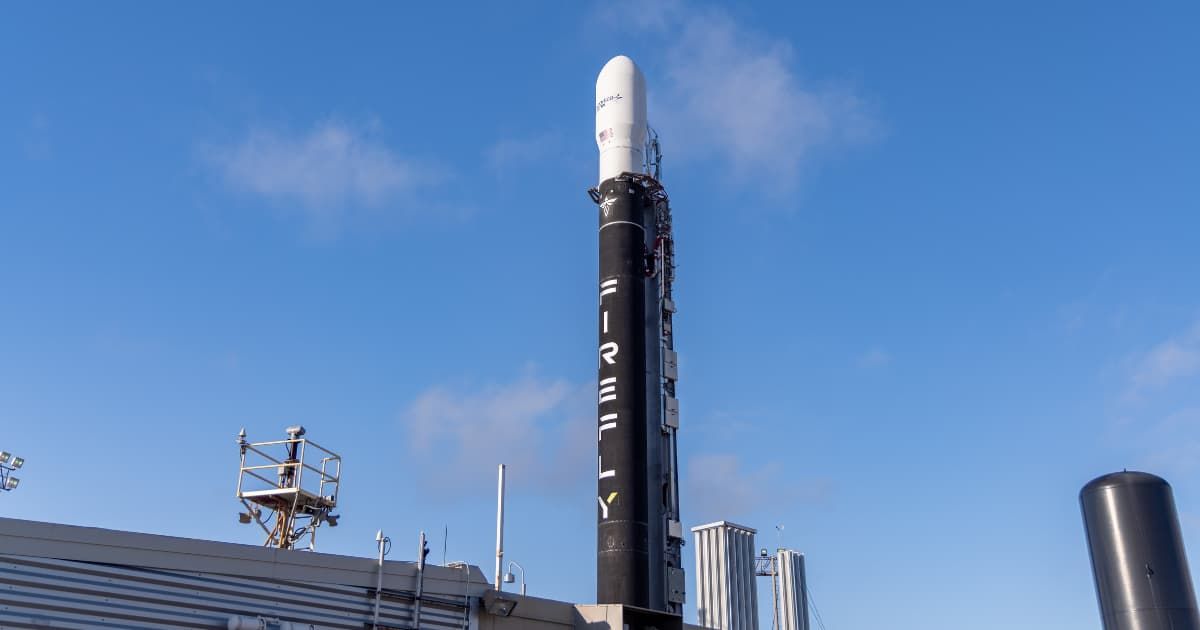
A pre-flight test for Firefly Aerospace's Alpha Flight 7 mission ended abruptly and disastrously on Monday when the rocket's first stage exploded at the company's facility in Briggs, Texas, according to Firefly Space's mission update.
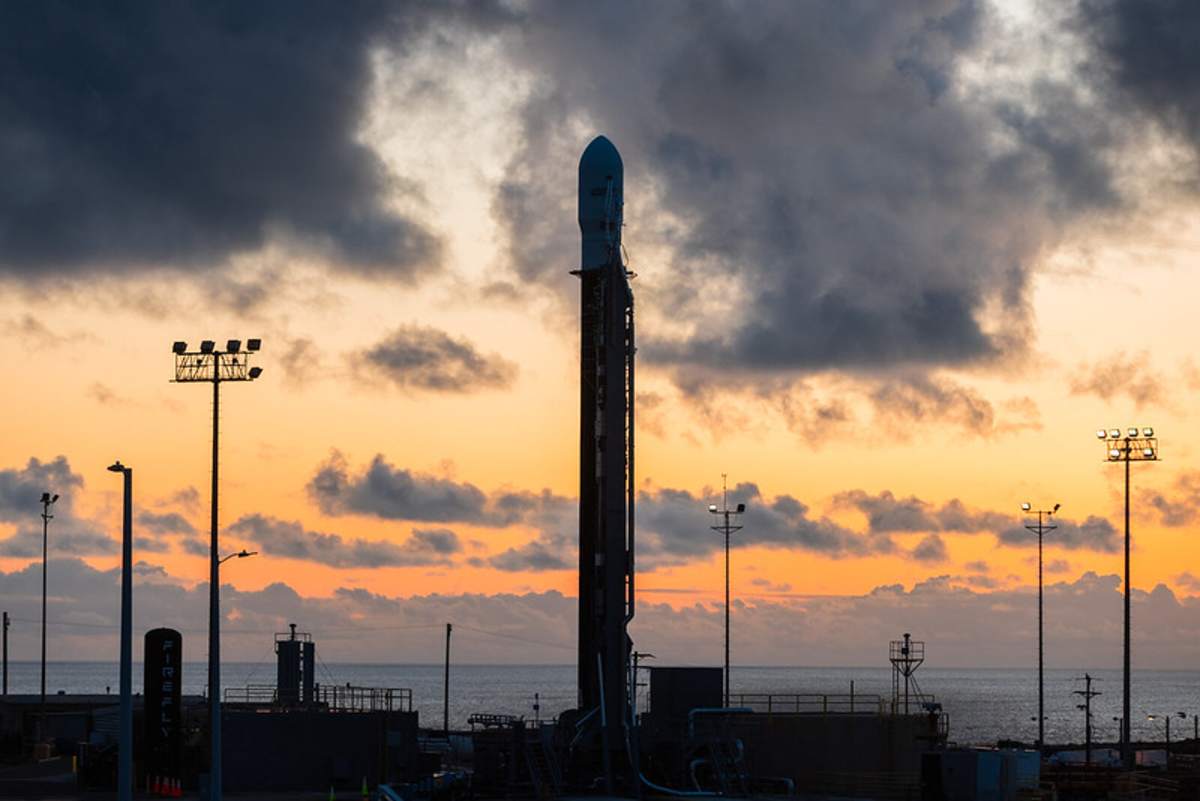
The anomaly, which resulted in the destruction of the booster stage, occurred on September 29, 2025. Firefly Aerospace confirmed that strict safety measures were in place, and no personnel injuries were reported following the explosive event. The private aerospace firm is now evaluating the extent of the damage to its stage test stand, though it stated that other facilities remain unaffected. The company defended its rigorous testing approach, asserting that such assessments are a core part of its development philosophy aimed at building highly reliable launch vehicles.
During testing at Firefly’s facility in Briggs Texas, the first stage of Firefly’s Alpha Flight 7 rocket experienced an event that resulted in a loss of the stage. Read more here: https://t.co/bCuGqJIGfG
— Firefly Aerospace (@Firefly_Space) September 29, 2025
Firefly is launching an internal investigation to determine the cause of the failure. The firm’s statement emphasized that data gathered from the incident would be used to refine and improve the Alpha rocket’s design. The company has promised to issue an update on the mission's future timeline once its path forward has been finalized.
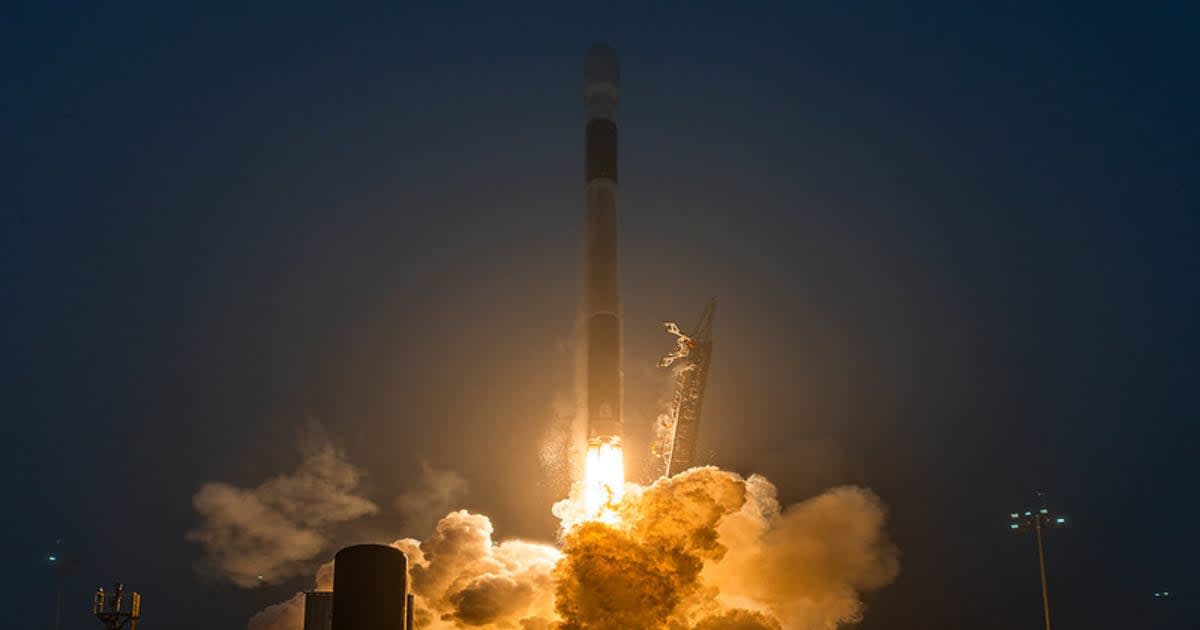
The latest setback comes as the 96.7-foot (29.6 meters) Alpha rocket, which first flew in September 2021, attempts to improve a troubled flight record. Out of its six orbital missions to date, only two have been designated as fully successful, as reported on Space.com. The rocket's most recent failure, the "Message in a Booster" mission, saw the vehicle's first stage disintegrate shortly after separating from the upper stage. That incident damaged the upper stage's engine nozzle, causing a loss of thrust and the subsequent destruction of its payload, a Lockheed Martin LM 400 satellite technology demonstrator.
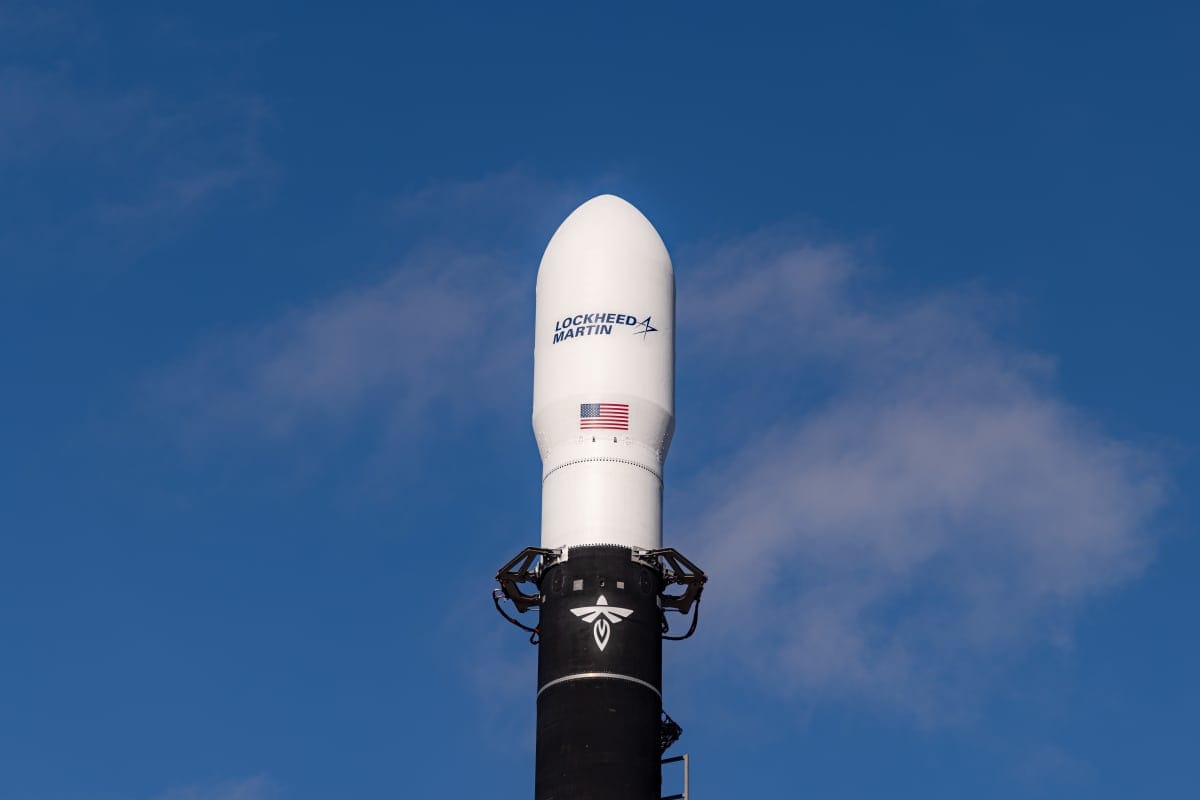
Firefly's investigation into that prior failure concluded the cause was "plume-induced flow separation," which led to excessive heat buildup in the first stage. Earlier this month, the U.S. Federal Aviation Administration (FAA) formally accepted the company's mitigation plan for this issue, re-clearing the Alpha for flight operations. The destroyed stage was intended for Alpha's seventh flight, which is another mission contracted by Lockheed Martin, according to the company's manifest. Firefly had been aiming for a launch target later this year; however, the impact of Monday's explosion on that timeline remains unclear.
Despite the Alpha vehicle's challenges, Firefly Aerospace maintains a significant profile as a space and defense technology company for government and commercial clients. The company positions itself as a critical mission partner, leveraging a common set of flight-proven technologies across its product line, which includes small- to medium-lift launch vehicles, lunar landers, and orbital transfer vehicles, per Firefly Space. Firefly has claimed two unique industry distinctions: being the only commercial company to successfully conduct a satellite launch with just a 24-hour notice, and the only company to date to achieve a successful Moon landing with its robotic Blue Ghost lander earlier this year for NASA. The firm aims to provide speed, reliability, and cost-efficiency for missions extending across cislunar space and beyond.
More on Starlust
Why Firefly's Alpha rocket suffered a 'mishap' during launch of Lockheed tech demo satellite
NASA's Artemis campaign taps Firefly for $176 million mission to advance lunar exploration