FAA grounds Blue Origin’s New Glenn rocket for launching satellite into wrong orbit
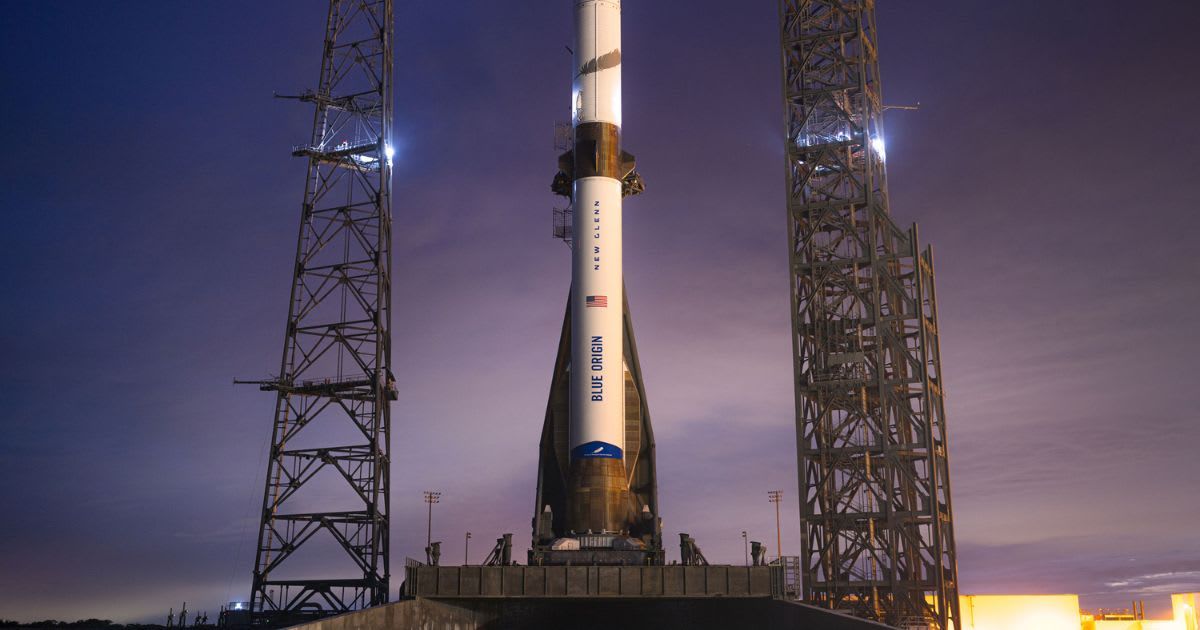
The Federal Aviation Administration (FAA) has temporarily banned Blue Origin's New Glenn rocket from further launches. This comes after the recent NG-3 mission failed to place a satellite into the correct orbit. The mishap was due to an upper-stage issue that seemingly overshadowed the company’s first successful landing of a reused New Glenn booster. Now, the rocket will remain grounded until the FAA and Blue Origin complete the due investigation process.
Now that we have a more complete view, we wanted to provide an update on our NG-3 mission. While we are pleased with the nominal booster recovery, we clearly didn't deliver the mission our customer wanted, and our team expects. Early data suggest that on our second GS2 burn, one…
— Dave Limp (@davill) April 20, 2026
Blue Origin’s CEO Dave Limp confirmed that the mission failed due to insufficient thrust from an engine. According to early data, one of the BE-3U engines underperformed during the second GS2 burn, which prevented the rocket from reaching its target orbit. “We clearly didn't deliver the mission our customer wanted, and our team expects,” confessed Limp on X. Speaking about the FAA investigation, the CEO added that the company will learn from the data and implement the improvements to return to flying New Glenn as quickly as they can.
NG-3 Update: We have confirmed payload separation. AST SpaceMobile has confirmed the satellite has powered on. The payload was placed into an off-nominal orbit. We are currently assessing and will update when we have more detailed information.
— Blue Origin (@blueorigin) April 19, 2026
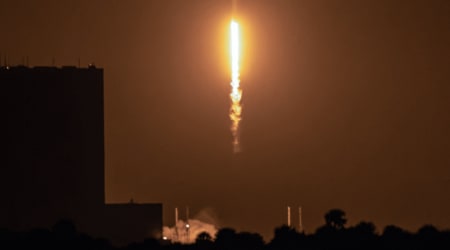
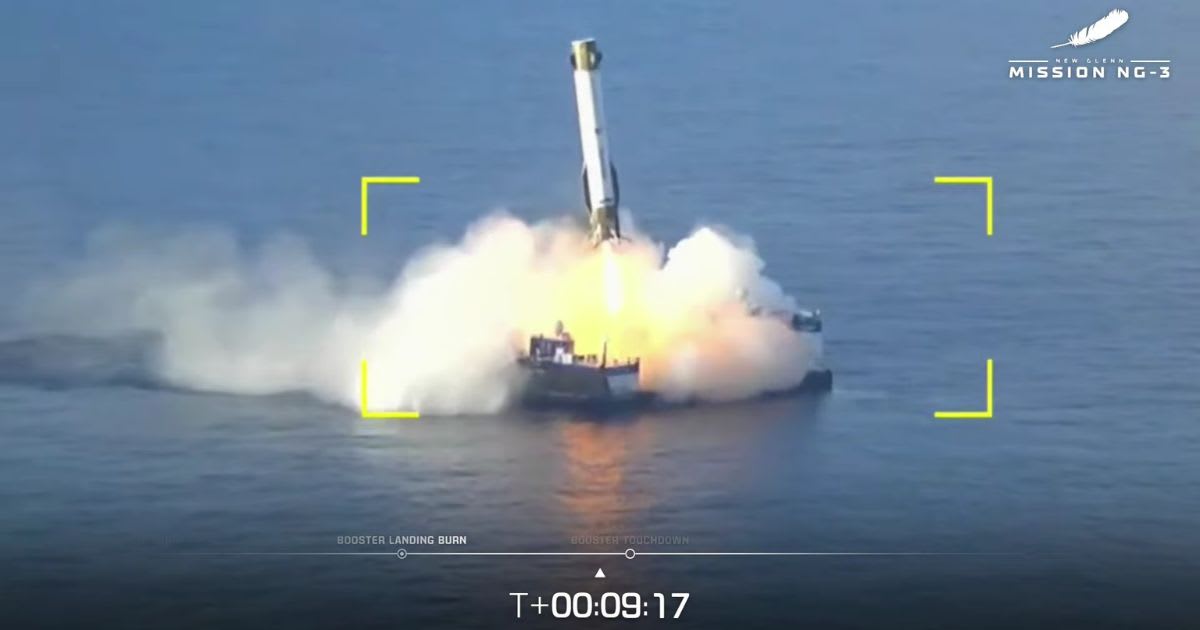
Blue Origin launched the New Glenn rocket on Sunday, April 19, from Cape Canaveral Space Force Station in Florida. The first-stage booster “Never Tell Me the Odds” performed well, achieving touchdown on the “Jacklyn” droneship landing platform in the Atlantic Ocean. Despite this and the payload successfully separating and powering on, the upper stage placed the AST SpaceMobile’s satellite into an off-nominal orbit. The Bluebird 7 satellite could not operate at this height, and as a result, it reentered Earth’s atmosphere on Monday.
AST SpaceMobile shares reportedly fell more than 6% on the same day due to NG-3’s upper-stage failure. Like SpaceX’s Starlink, the Bluebird 7 satellite is part of an effort to build a space-based network, designed to connect directly to smartphones from space. Had the mission been successful, the satellite would have been the largest ever to be commercially deployed in low-Earth orbit, thanks to its approximately 2,400 square-foot communication array.
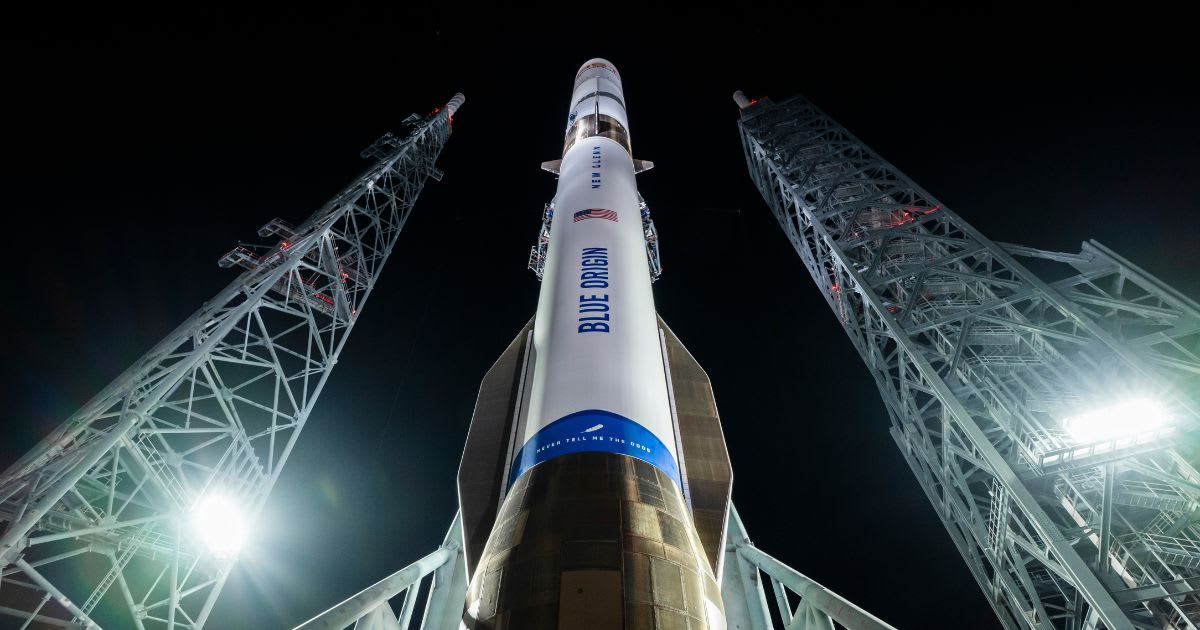
Blue Origin will aim to complete the anomaly investigation—with FAA oversight—quickly and effectively. The Jeff Bezos-owned company will be able to launch the New Glenn rocket again only after getting its final report and potential corrective measures approved by the FAA. This was only the third flight for the heavy-lift rocket named after John Glenn, the first American to orbit Earth. The approximately 320-foot-tall rocket is Blue Origin’s answer to SpaceX’s Falcon 9. While SpaceX is way ahead in the race of reusability, the two companies are still competing to deliver lunar landers for the Artemis III mission scheduled for 2027.
More on Starlust
Blue Origin joins SpaceX in the orbital data center race, aims to launch over 50,000 satellites
Blue Origin announces major New Glenn upgrades as rivalry with SpaceX intensifies