Blue Origin could launch New Glenn rocket on its third flight this week—Here's all you need to know
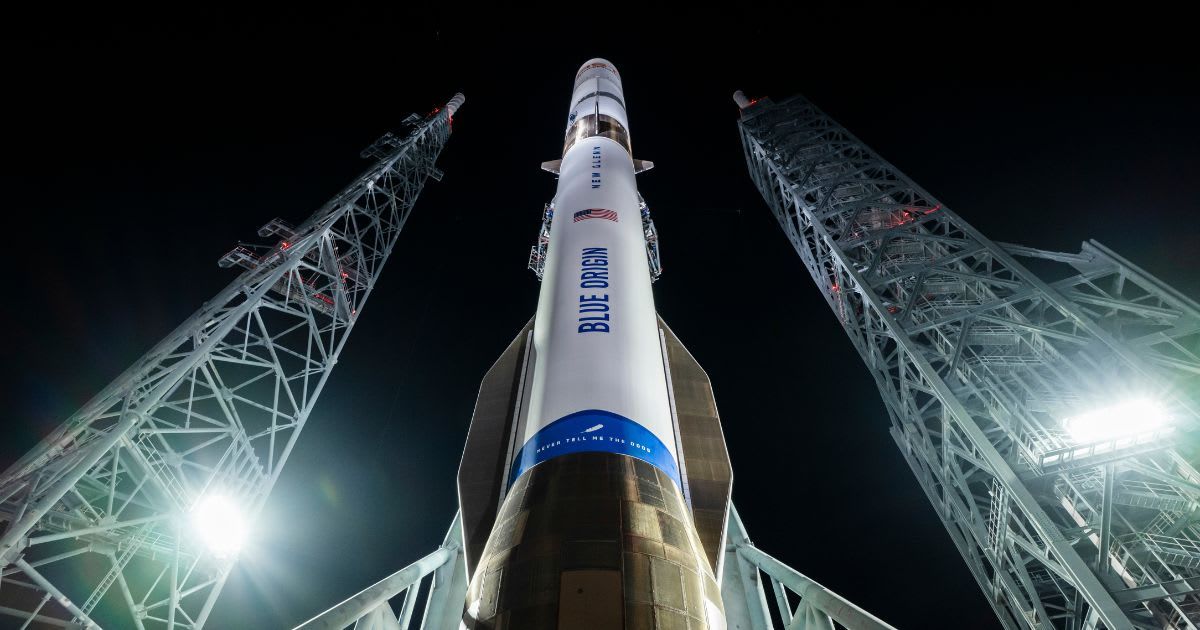
Blue Origin looks all set to launch its New Glenn rocket on its third flight. The vehicle now stands at Launch Complex 36 at Cape Canaveral Space Force Station in Florida, and liftoff could take place as early as 6:45 a.m. on April 17, according to the FAA's planning advisory. No official launch date, however, has been confirmed by the company yet. This mission will carry large broadband satellites with a broader goal to set up New Glenn as a leading force in commercial launches (competing with SpaceX) as well as being prepared for future missions to the Moon. The rocket debuted as recently as 2025, and the Jeff Bezos-owned company aims to take it on bigger missions later this year and bring out upgraded super-heavy variants.
Welcome back to LC-36, "Never Tell Me The Odds."
— Blue Origin (@blueorigin) April 13, 2026
Next up: NG-3 hotfire 🔥 pic.twitter.com/taYP2cLn8q
While the New Glenn rocket has been reportedly seen standing vertically since April 13, it must undergo some standard preflight checks before it is deemed fit for launch. Blue Origin is expected to conduct a hot fire test today, which involves firing the engines while the rocket remains on the pad. This confirms engine performance and system readiness, and only after this can a launch date be confirmed.
NG-3 Update: Today, we conducted a successful launch rehearsal for NG-3 and are now targeting a hotfire for the integrated launch vehicle on Wednesday, April 15, 2026.
— Blue Origin (@blueorigin) April 14, 2026
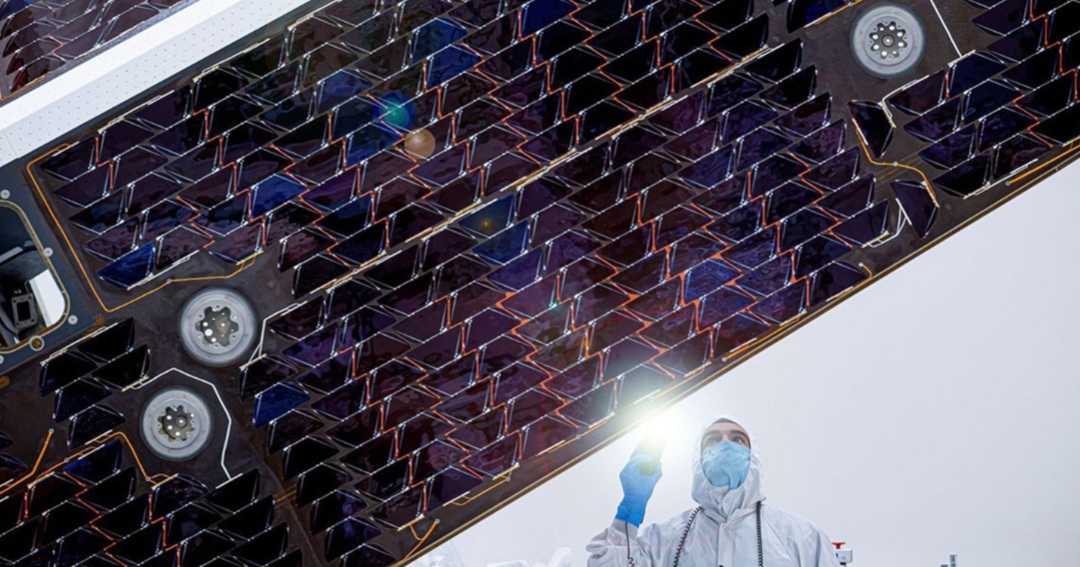
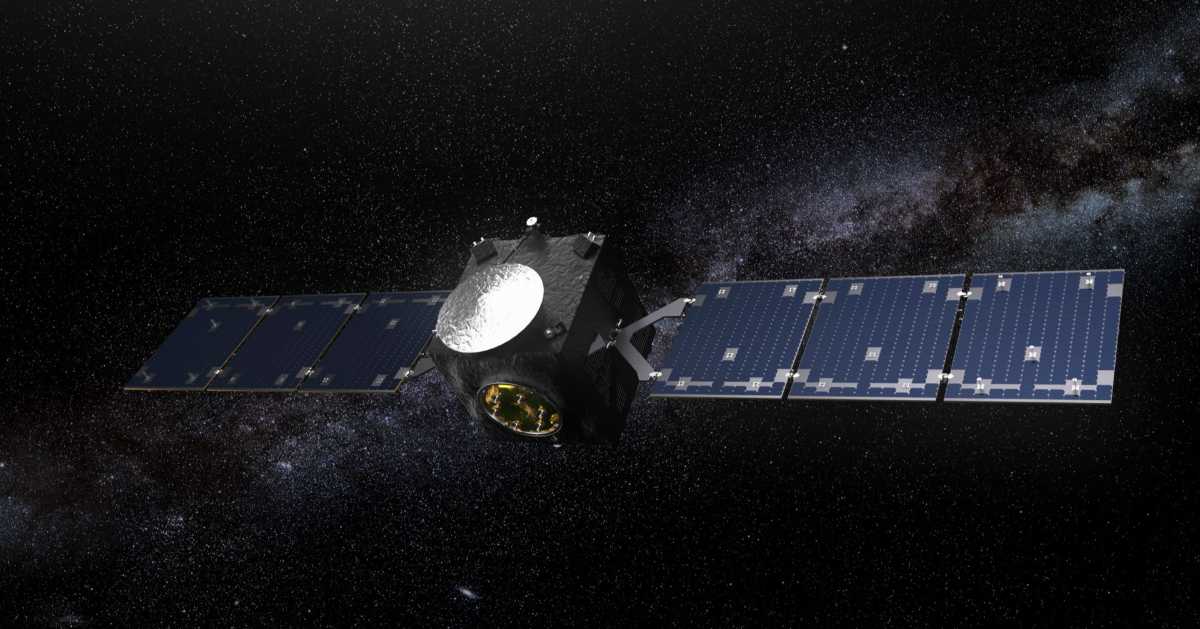
The upcoming New Glenn flight will carry a payload from AST SpaceMobile, a company developing space-based cellular broadband. The payload contains Block 2 BlueBird satellites with communication arrays as large as 2,400 square feet. If launched successfully, these could become some of the largest commercial satellites ever deployed in low Earth orbit, according to a press release by AST SpaceMobile.
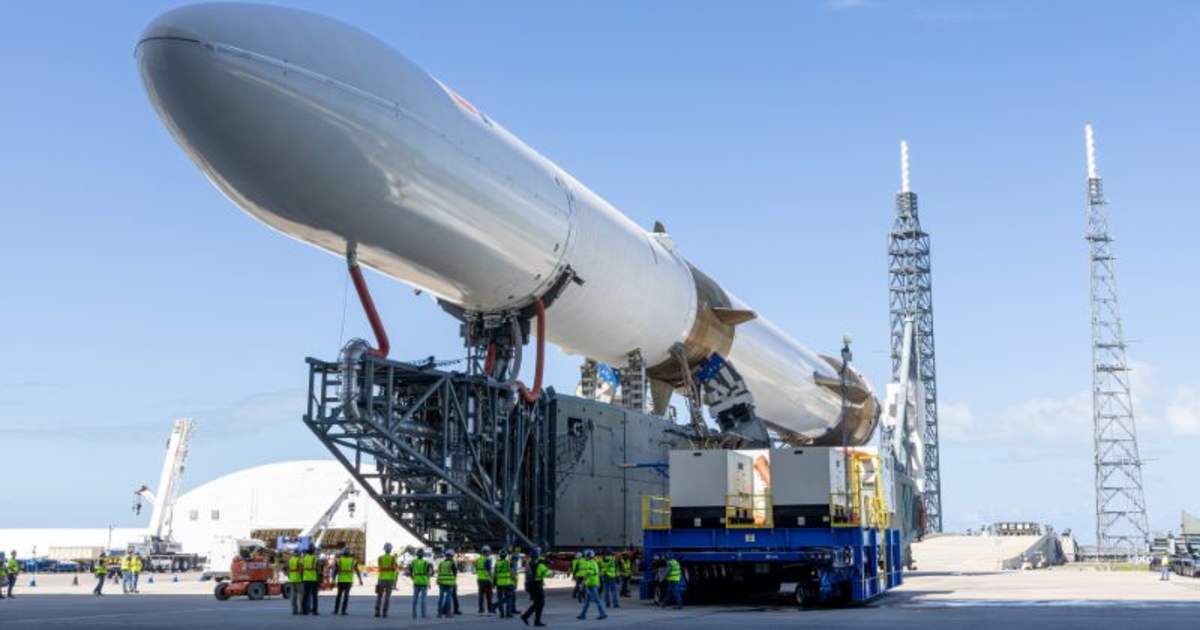
After all, the New Glenn rocket itself is built for big payloads and reusability, being among the largest in operation today. It is a two-stage heavy-lift rocket that stands at around 320 feet tall. Its first stage is powered by seven BE-4 engines and can be reused up to 25 times. The upper stage, meanwhile, uses two BE-3U engines optimized for space. The rocket also has a nearly 23-foot-wide fairing that is designed to carry cargo to orbit.
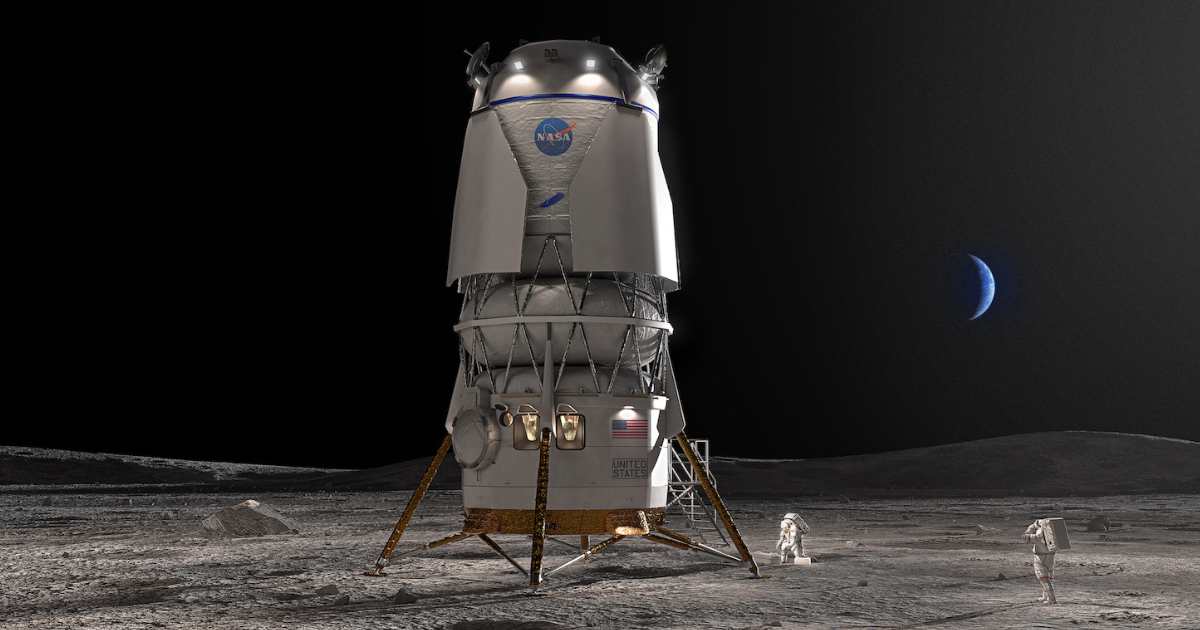
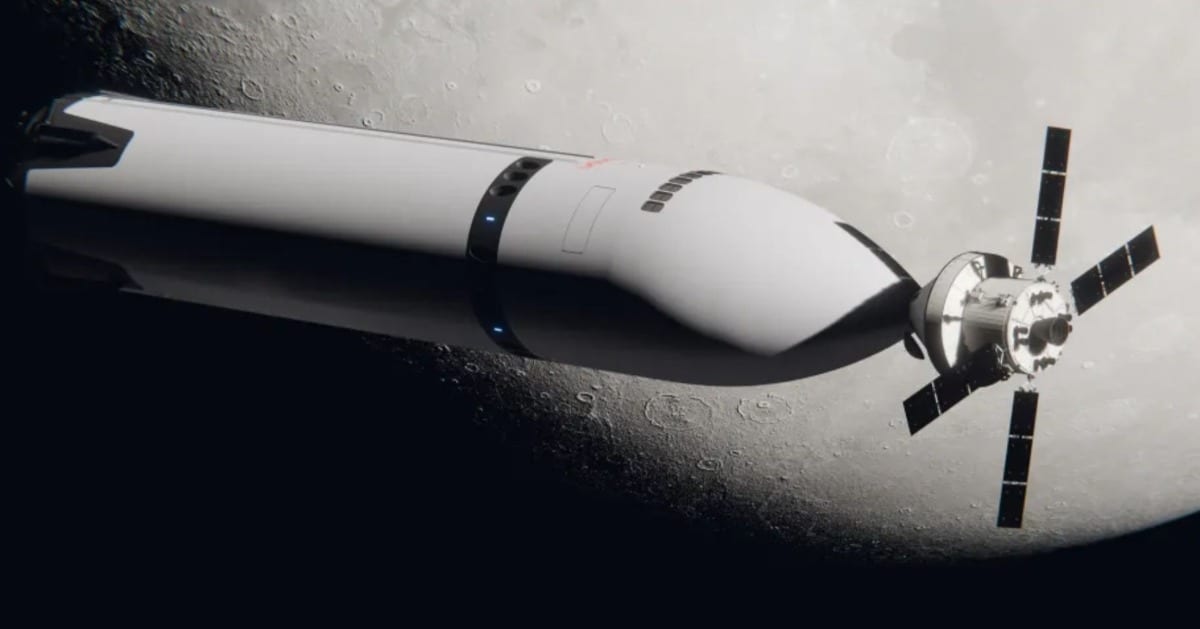
The previous New Glenn flight launched NASA’s ESCAPADE satellites to Mars and successfully landed its first-stage booster on a drone ship. Blue Origin’s goal is simple here — to build reliability and reuse capability with more launches. Future plans for New Glenn include launching the company’s Blue Moon lunar lander on an uncrewed mission. This lander is a key part of NASA’s upcoming Moon missions like Artemis III and IV.

Despite its young age, New Glenn is already getting a taller and more powerful upgrade soon that would push it closer to SpaceX’s Starship. This future variant — called the New Glenn 9x4 — will use more engines on both stages and deliver significantly higher thrust at liftoff than the current 7x2 version. The rocket is named after NASA astronaut John Glenn, who was the first American to orbit Earth.
More on Starlust
Blue Origin announces major New Glenn upgrades as rivalry with SpaceX intensifies
NASA set to roll out Artemis III SLS core stage section on April 20—here's all you need to know