Did a giant impact help spark life on Earth? New study backs the 'RNA world' hypothesis

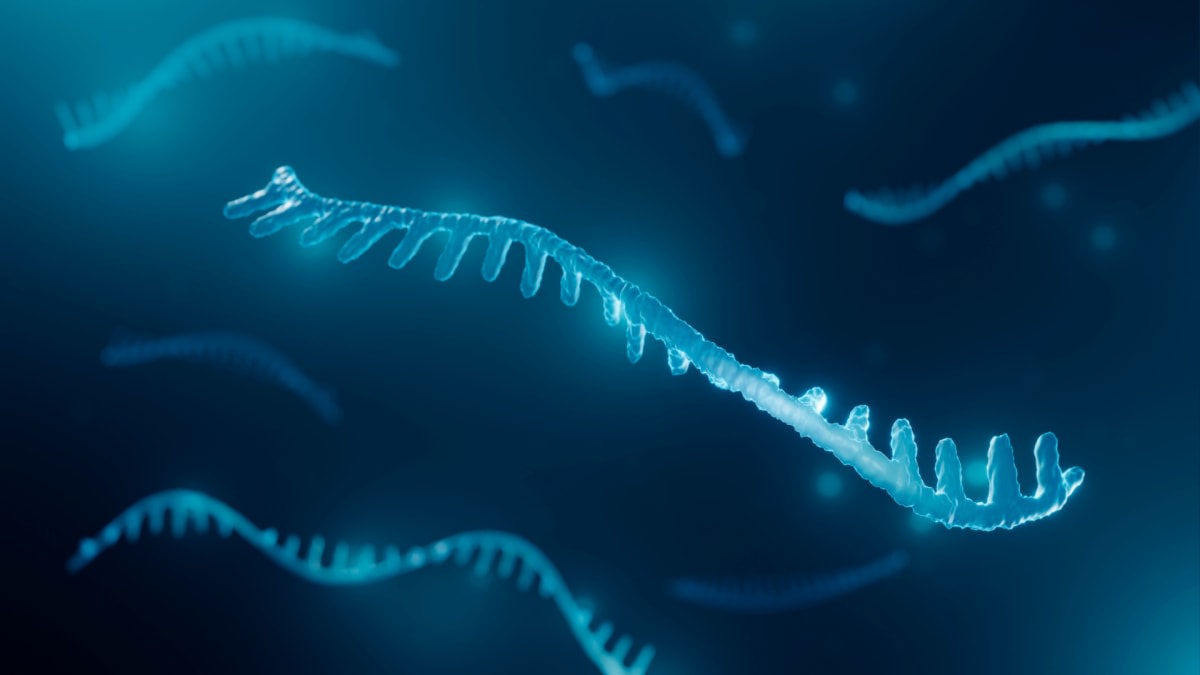
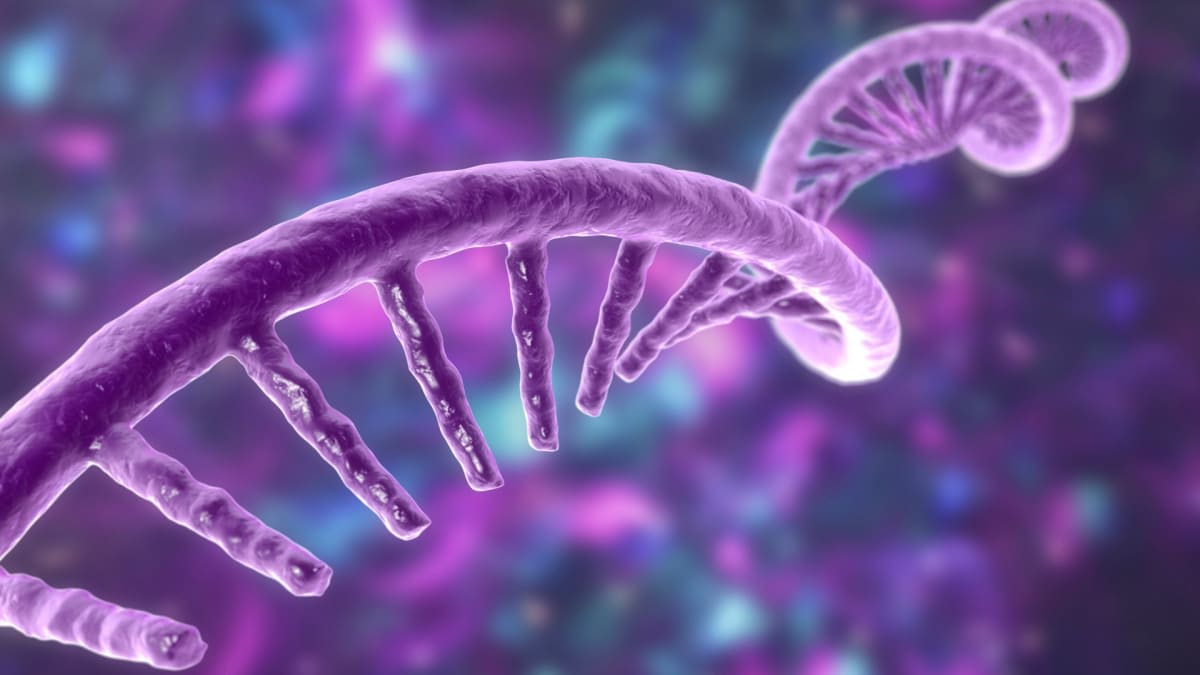
DNA, which is the molecule responsible for carrying genetic information for our cells, has a lesser-known, simpler cousin called RNA (ribonucleic acid), which is crucial for protein synthesis. However, despite being simpler, it has been touted as having played a major role in the origin of life. Now, this theory, designated the "RNA World" hypothesis, has found support in a recent study published in the journal Proceedings of the National Academy of Sciences.
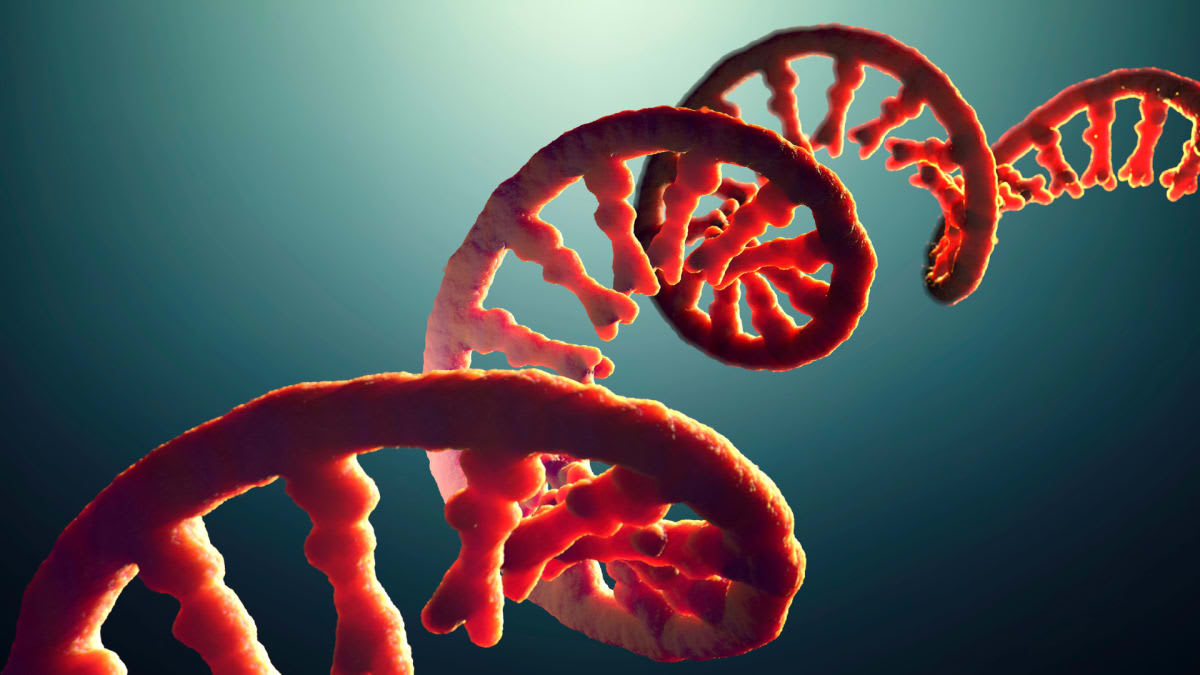
Because RNA is simpler, it is thought to have preceded DNA in existence. That being said, it has been difficult to understand what chemical reactions prompted its ingredients to come together. To put it down to chance seemed unreasonable. And so chemists looked for pathways leading to the formation of RNA. This path, however, had an obstacle called borate, a family of common compounds found in seawater. Borates, containing atoms of boron and oxygen, are oxyanions. Unlike ions, oxyanions contain an overall negative charge. Now, while borates have been thought to hinder the process of RNA formation, a team of biochemists, led by Yuta Hirakawa of Tohoku University in Japan and the Foundation for Applied Molecular Evolution in Florida, is suggesting otherwise. In fact, according to them, borates are useful for the formation of RNA.
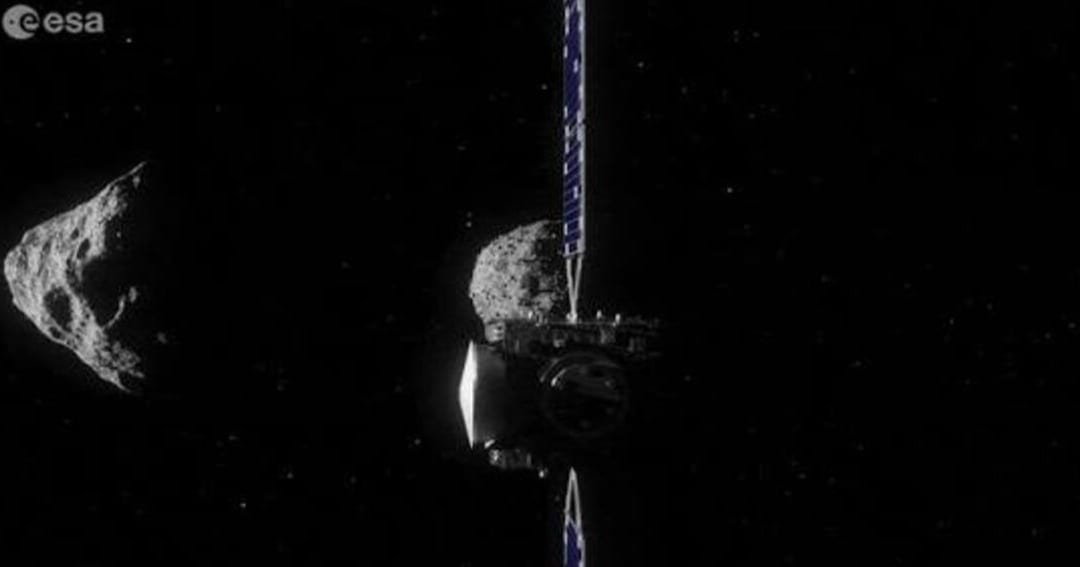
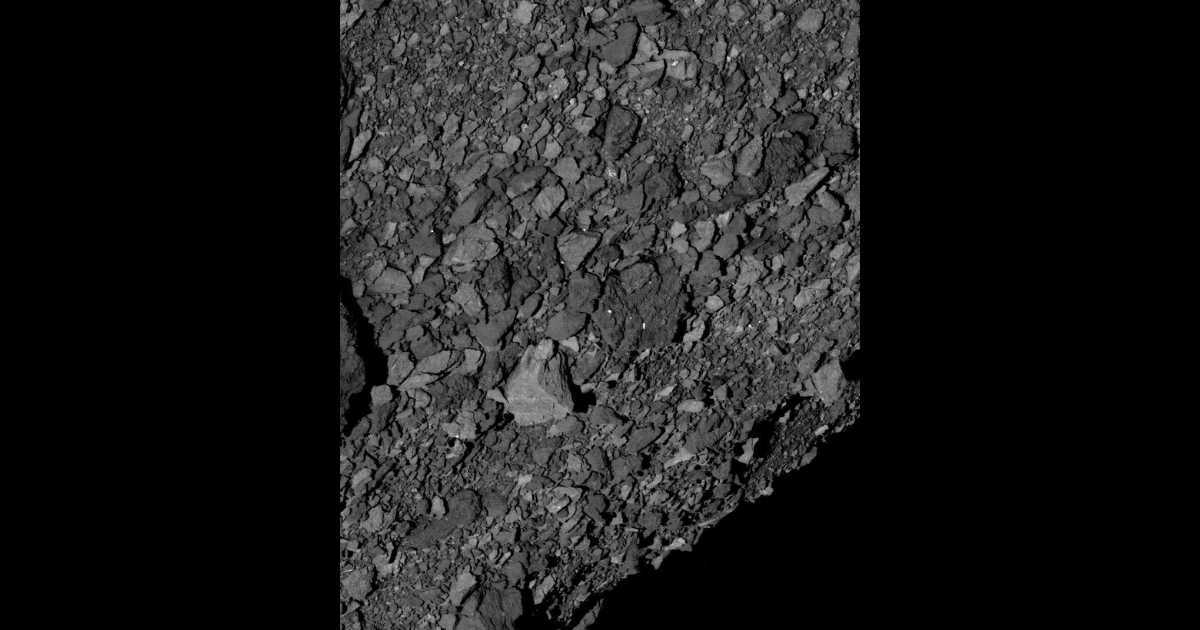
In its experiments, the team added the ingredients of RNA—five-carbon sugar ribose, phosphates, and the four nucleobases adenine, guanine, cytosine, and uracil— to a mixture with borates and basalt. The mixture was then heated and dried, which replicated the conditions that were likely common around underground aquifers on the early Earth. They found that RNA had formed in the mixture, and the borates supported some processes in the DSM model. It helped stabilize the ribose molecules, which can be unstable and break down. It also aided the production of phosphates. These findings, per Space.com, have found support in the recent discovery of the ingredients of RNA in the samples of asteroid Bennu that OSIRIS-REx brought to Earth.
RNA had only been formed in laboratory conditions, with human intervention triggering chemical reactions on purpose. The research conducted by Hirakawa's team is likely the first time that RNA has been produced without human involvement. That being said, it has been pointed out by critics that combining all the ingredients in a test tube is a human intervention.
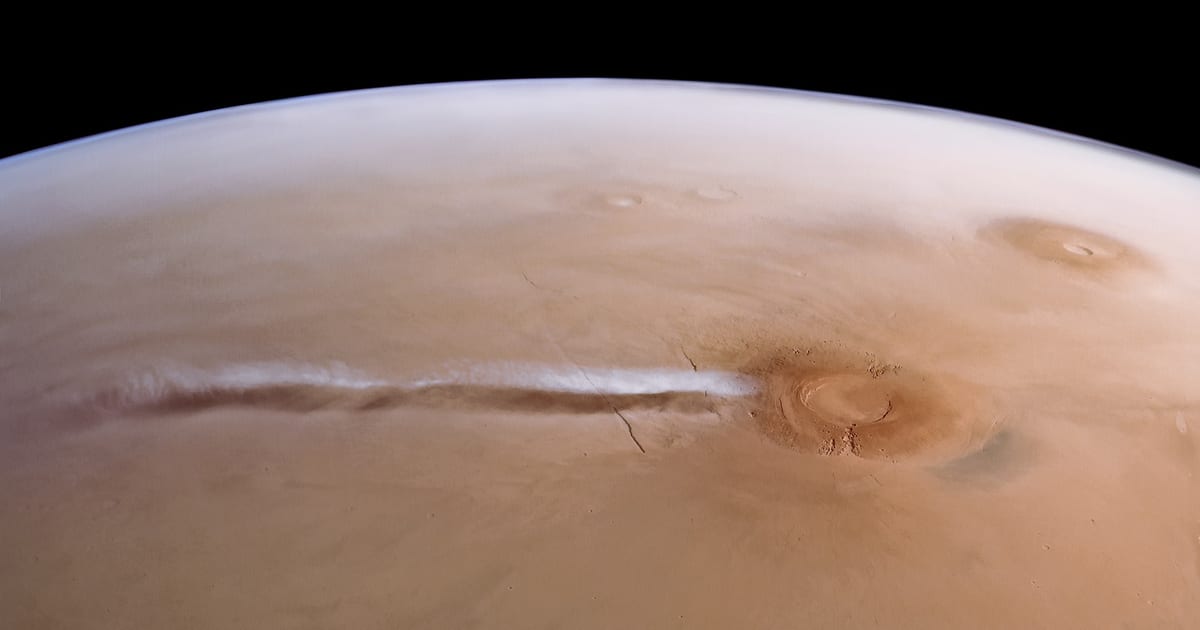
The team also theorized that the impact of a 310-mile-wide protoplanet filled with RNA's ingredients likely brought its building blocks to Earth. This impact and the production of RNA likely took place around 4.3 billion years ago, 200 million years before the oldest evidence of life discovered so far. Such impacts with large asteroids also took place in the early days of Mars, and, surprisingly, borates have also been detected on the Red Planet. So it had everything it needed to produce RNA. Though RNA is not essentially life, it is important to all life. Provided that it formed on early Earth, RNA likely gave a shortcut to the first simple organisms on the planet.
More on Starlust
Dual-temperature plasma eruptions from sun-like star rewrite understanding of early Earth conditions
New research reveals how volcanic gases may have made early Mars a cradle for life