DARPA to launch robotic satellite repair mission that could change how aging spacecraft are managed
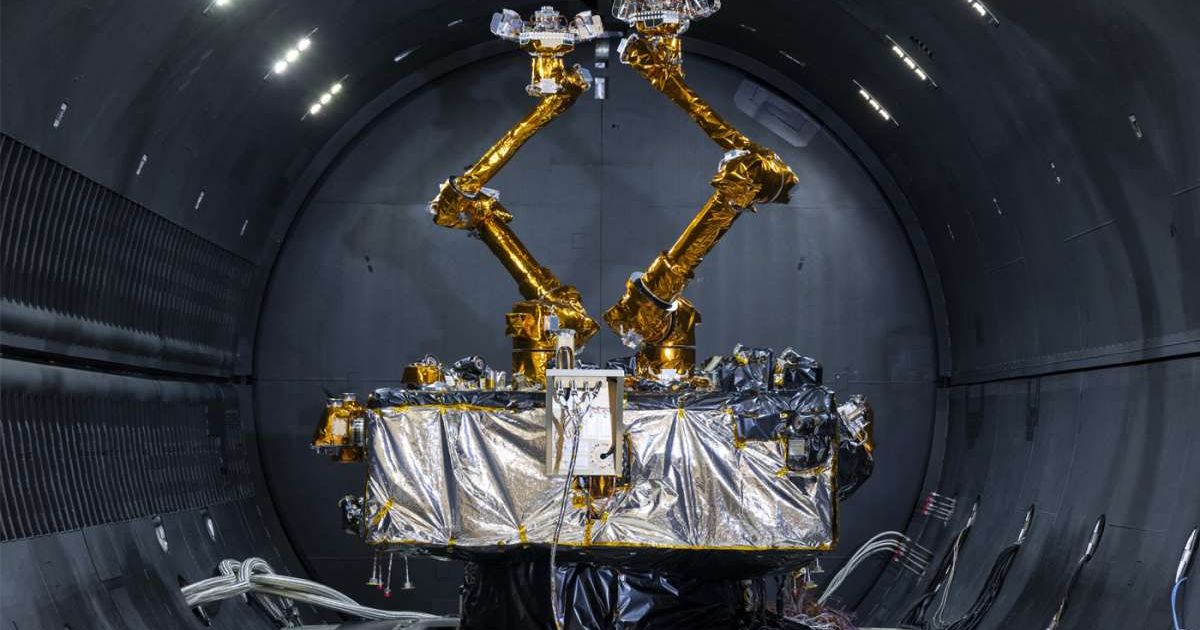
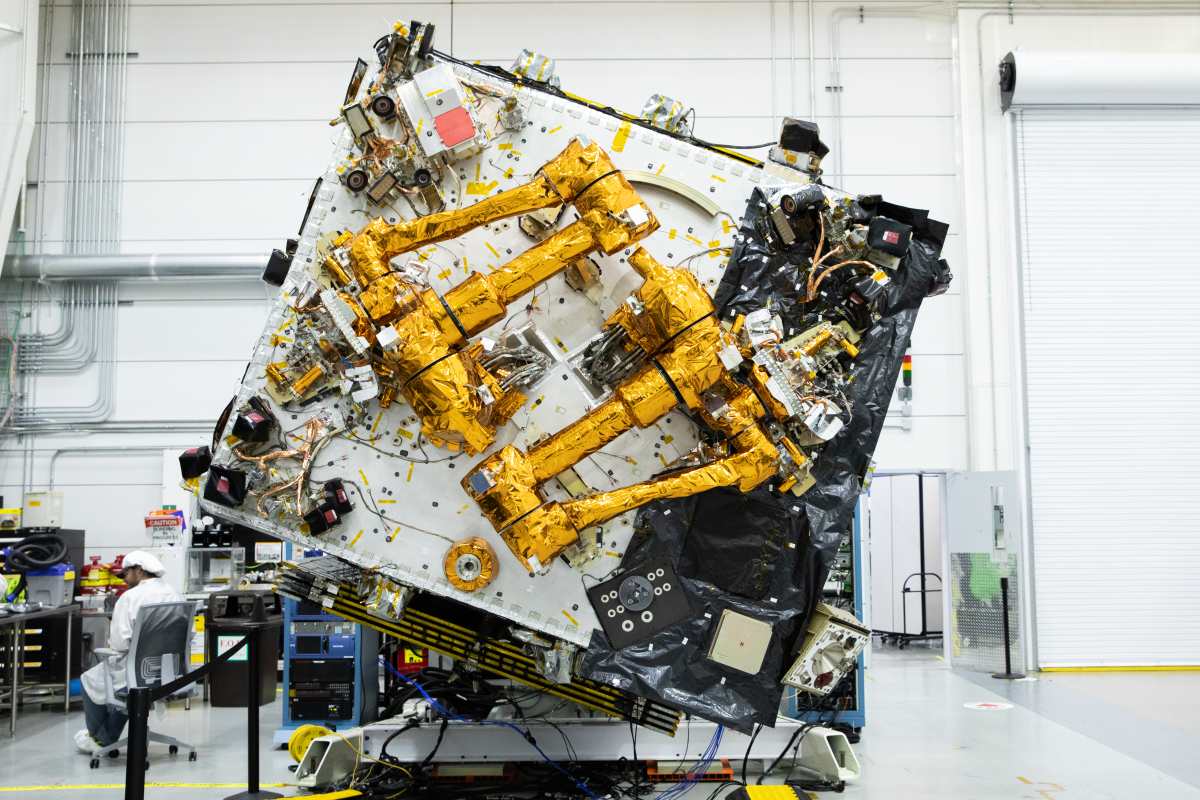
The U.S. Defense Advanced Research Projects Agency (DARPA) is all set to launch its robotic spacecraft designed to inspect and repair satellites in the geosynchronous orbit as early as summer 2026. This mission, known as Robotic Servicing of Geosynchronous Satellites (RSGS), focuses on satellites that operate in the geosynchronous orbit (also known as GEO), which is located about 22,236 miles (35,786 kilometers) above the Earth’s surface. If successful, the mission can help extend the lifespan of GEO satellites, reduce orbital debris, and introduce a more sustainable approach to managing satellites that are already in space. DARPA hopes that the spacecraft could support dozens of satellites during years of operation in orbit.
Informing about the mission, RSGS Program Manager James Shoemaker shared in a DARPA official statement, "The RSGS program is a government-private partnership for the next wave of satellite servicing. This upcoming demonstration is about proving the commercial viability of on-orbit servicing in GEO, creating a capability that will be available for both the commercial industry and the U.S. government." DARPA is overseeing the development of the mission’s robotic system in collaboration with the Naval Research Laboratory and NASA. SpaceLogistics, a subsidiary of Northrop Grumman, is responsible for integrating the spacecraft’s systems and technologies ahead of launch.
The challenge of maintaining satellites in GEO
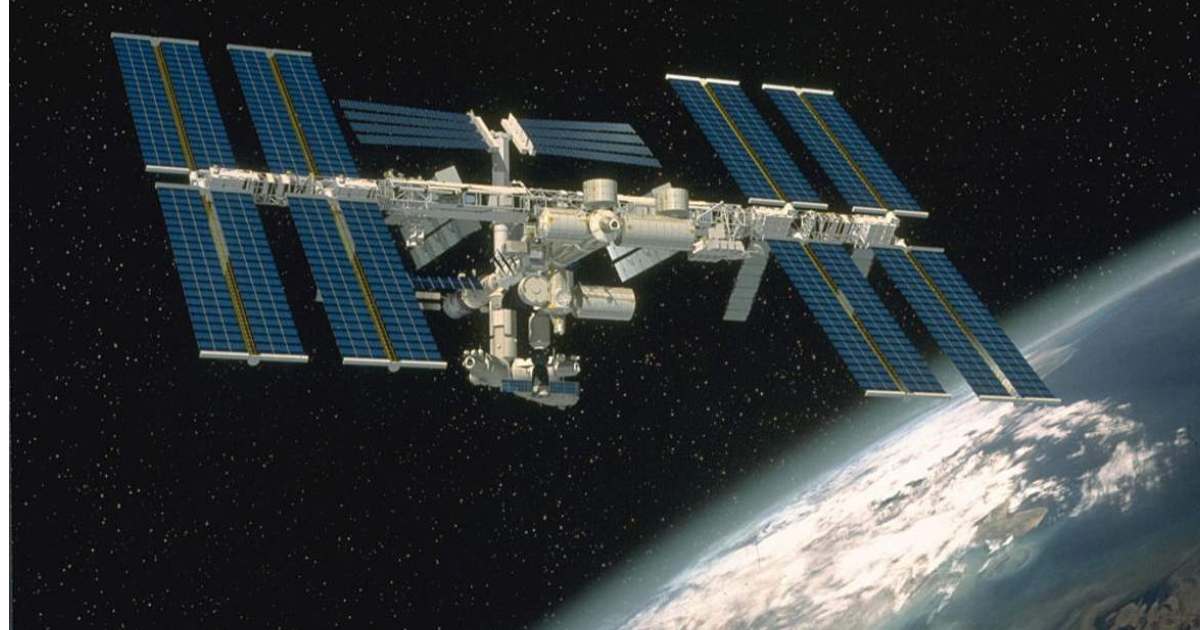
Geosynchronous orbit (GEO) is located about 90 times higher than the International Space Station. Satellites in this orbit move in step with Earth’s rotation, which allows them to stay positioned over the same point on the planet. That steady coverage is why they’re so important for communications, weather forecasting, and defense monitoring. The problem comes when something goes wrong. If a satellite runs out of fuel or runs into a technical issue, fixing it at that distance is extremely difficult. Even though GEO satellites have a lifespan of around 15 years, many become obsolete before they stop functioning simply because their onboard technology ages faster than the spacecraft itself.
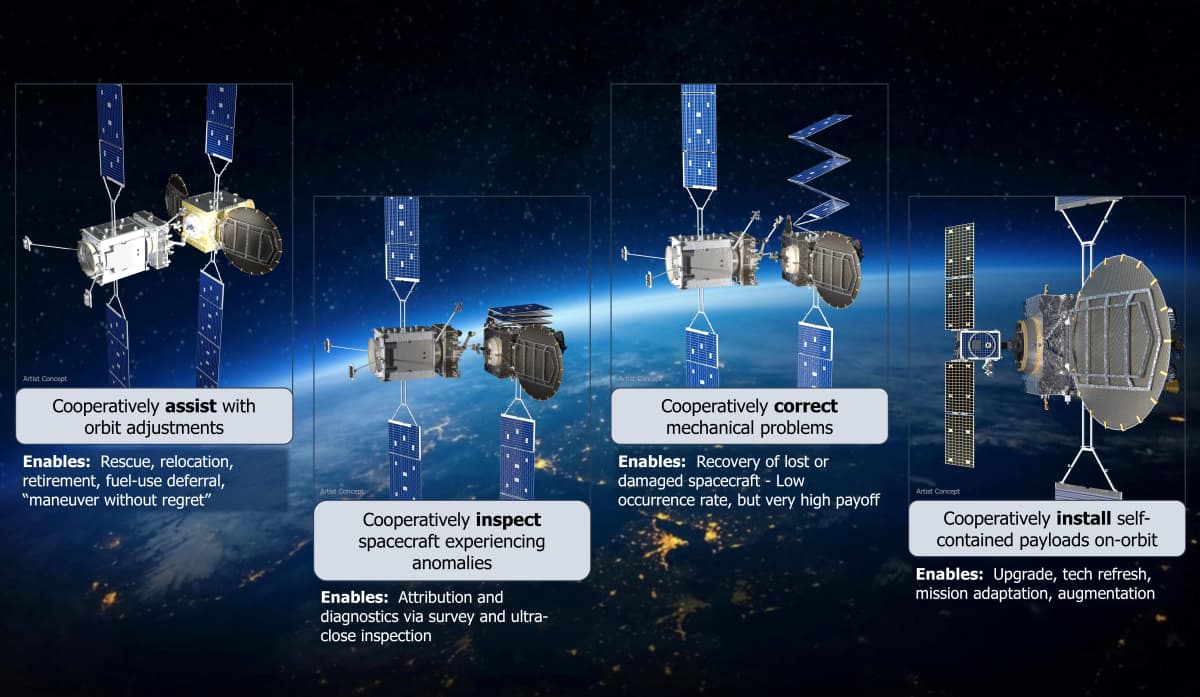
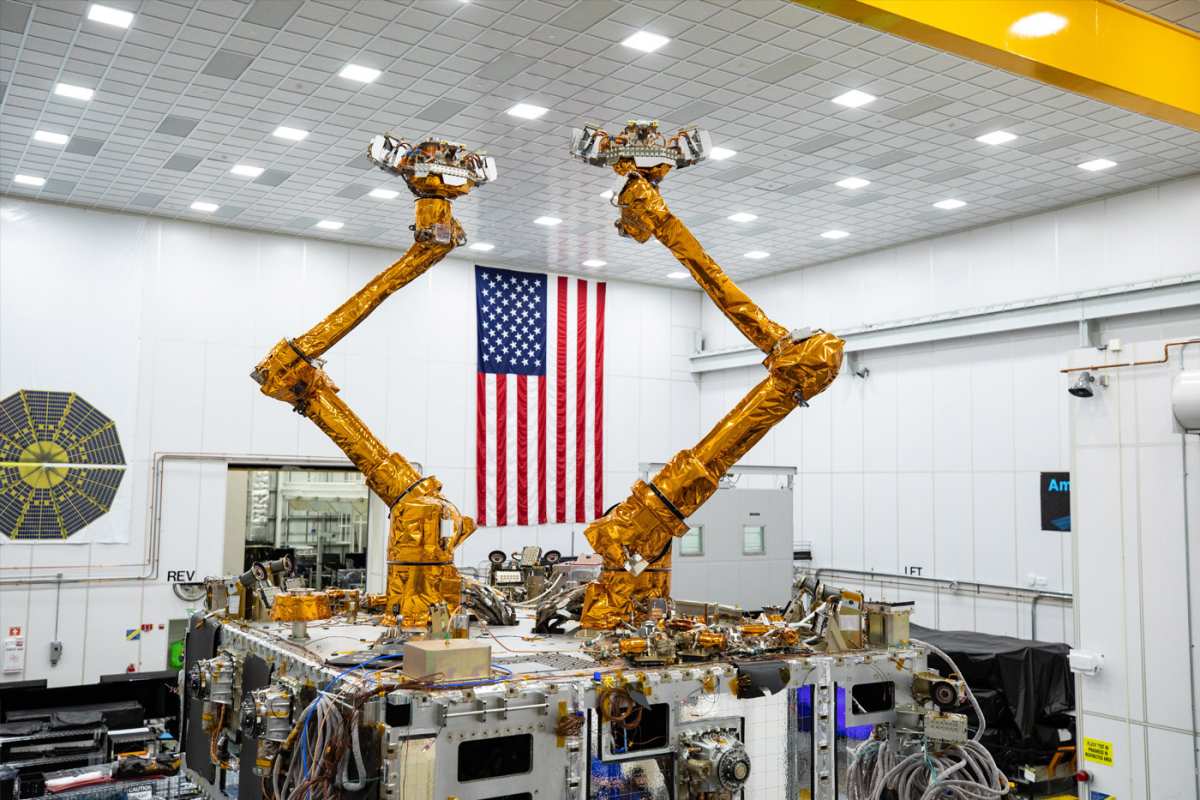
Since the satellites cannot easily be repaired once they are launched, they are often built with redundant systems and large fuel reserves. This further increases their size, complexity of the infrastructure, and cost. This, along with the reasons mentioned above, creates a frustrating situation for owners of satellite assets worth hundreds of millions of dollars. DARPA’s proposed solution for this is a robotic servicing spacecraft that is equipped with a "highly dexterous robotic servicing suite." It is designed to perform inspections, repairs, orbit adjustments, satellite relocation, and payload upgrades directly in space. It is also expected to include preventative management capabilities to identify and resolve anomalies even before they become a critical failure.
The road ahead for RSGS
The long-term vision for RSGS goes beyond a single repair mission. DARPA is working to transition away from disposable spacecraft and toward satellites that can be maintained and modernized in space over time. This effort also comes as concerns grow over space debris and collision risk in heavily used orbital regions. If launched as scheduled in 2026, the servicing vehicle will begin its operations in 2027 after covering a 10-month journey to geosynchronous orbit using electric propulsion.
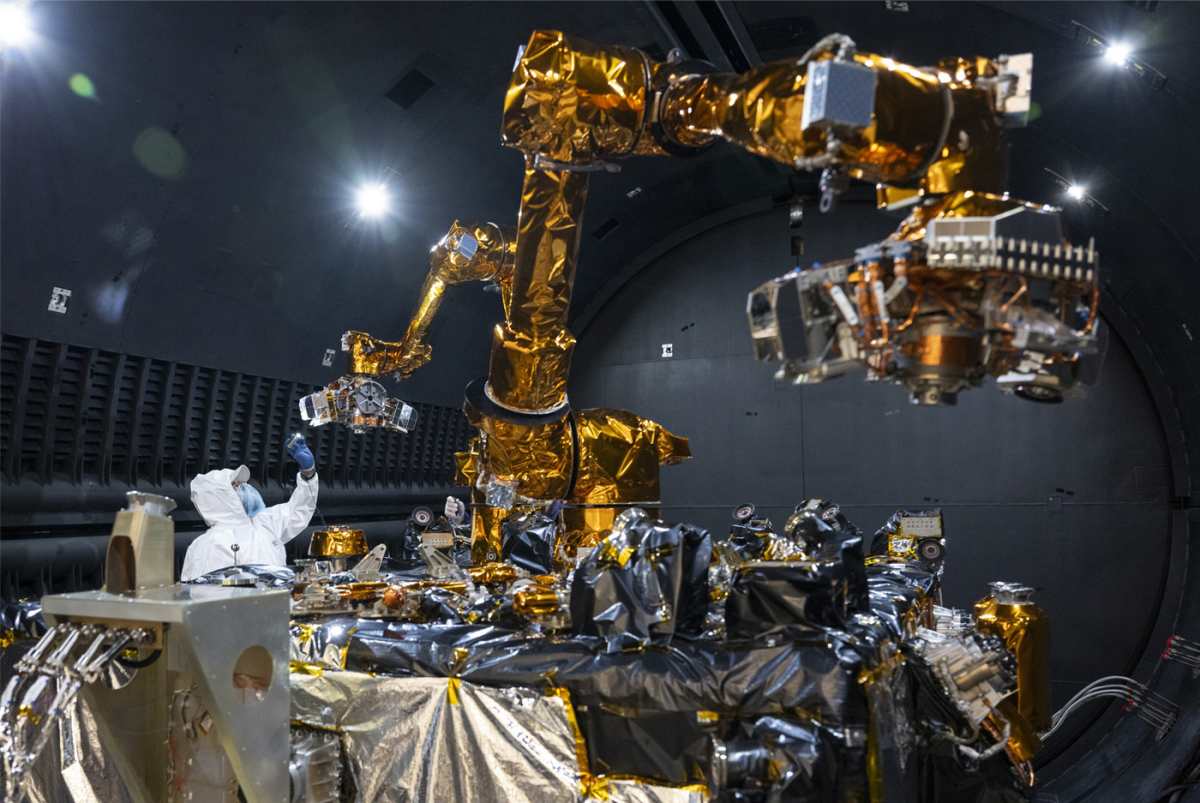
Despite its potential, the program has faced several delays since it was first announced in 2017. Initially, the original contractor, then known as Maxar Technologies, exited the project in 2019. Later, due to COVID-19, the supply chains across the aerospace industry were disrupted, further halting the progress. The current contractor, SpaceLogistics, also faced a technical challenge while integrating the DARPA servicing payload with the spacecraft. The mission is also entering an increasingly competitive field, as companies and organizations such as Astroscale and Thales Alenia Space are developing technologies focused on satellite servicing. Even with the setbacks, if this mission is successful, it could influence how both the government and commercial space satellites operate by reducing their replacement costs, limiting orbital debris, and helping them remain useful and active for a longer period of time.
More on Starlust
NASA discovers lava-like material that could help astronauts 'live off the land' on the Moon