‘Dancing jets’ from a black hole and supergiant star pair is as powerful as 10,000 Suns
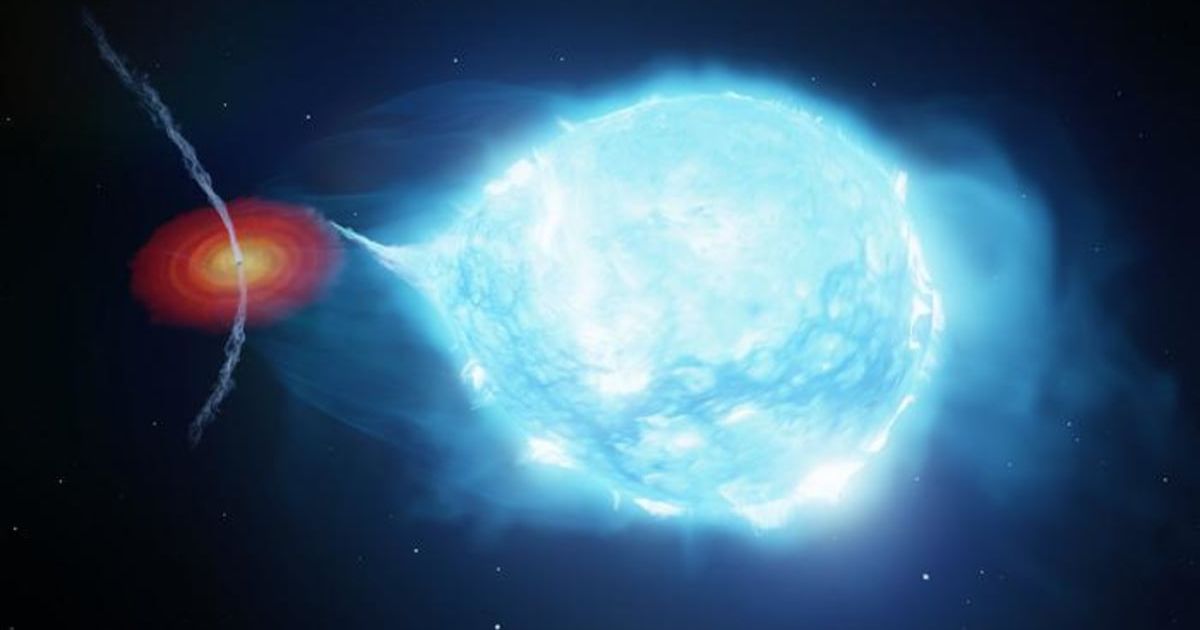
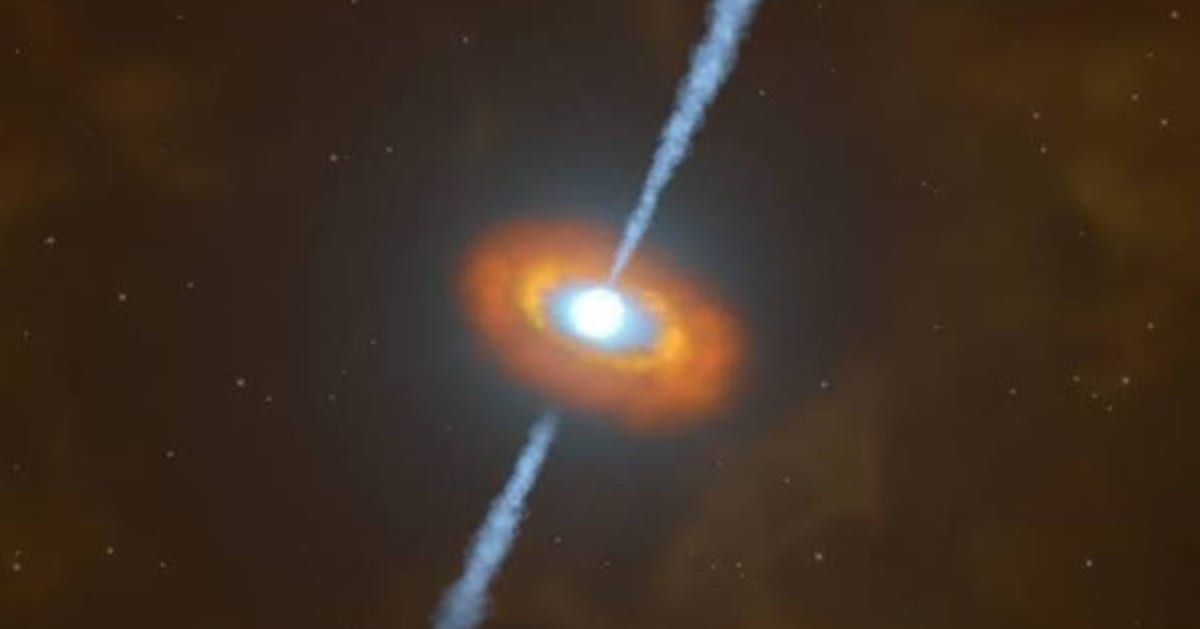
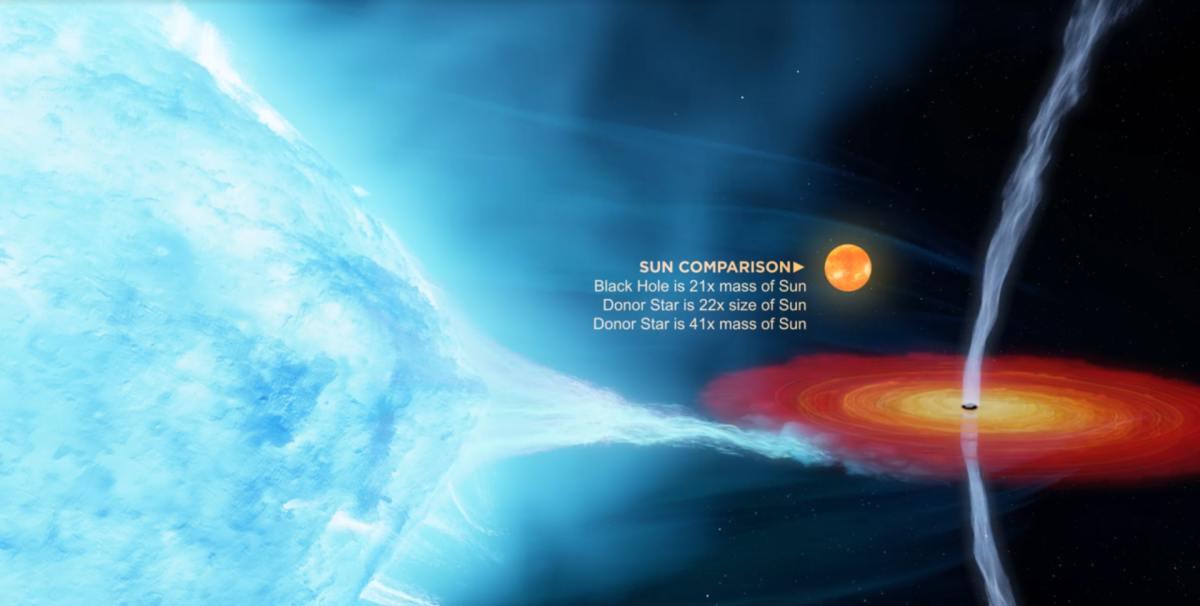
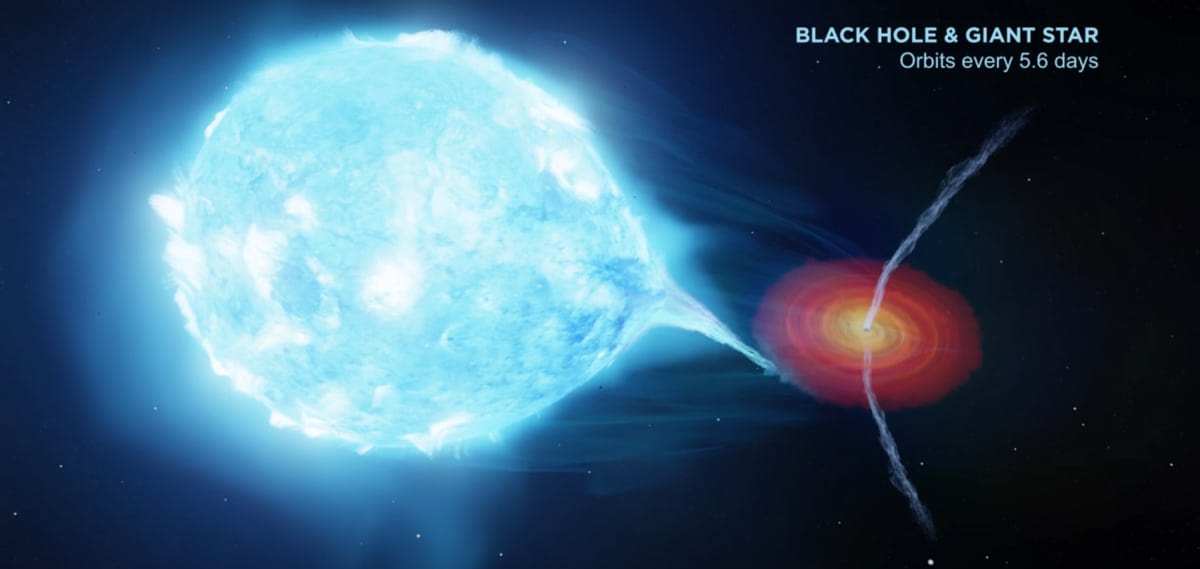
A groundbreaking study led by Curtin University has revealed that the jets emitted from a binary system of a black hole and a supermassive star possess the staggering power of about 10,000 Suns. By capturing high-resolution images of the famed X-ray binary system Cygnus X-1, the subject of said study, researchers were able to measure the immense amount of energy being launched into space every instant. This work also confirms that the kinetic power of these jets is roughly equal to the binary system's total X-ray radiation output. This massive energy release is significant because it provides the missing link in understanding how black holes influence their surroundings, proving that these cosmic phenomena are powerful enough to shape the very structure of the surrounding environment.
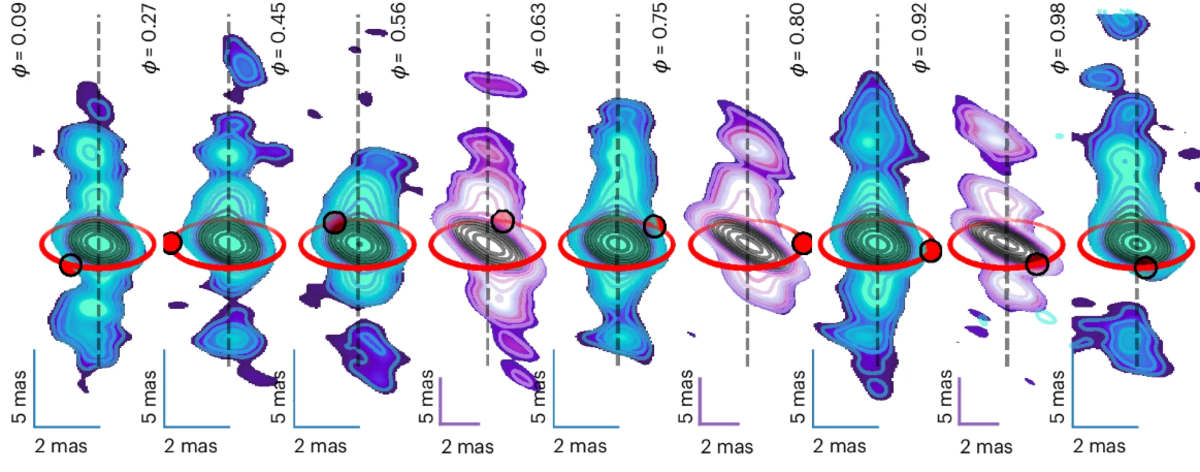
The astronomers used a network of radio telescopes to act as one giant lens, which allowed them to observe the jets being physically pushed around in what is one of the most active star-forming regions in the sky. In a news release by the American Association for the Advancement of Science, lead author Dr. Steve Prabu described the phenomenon as "dancing jets" because the powerful winds from the nearby supergiant star affected the black hole's exhaust in seemingly random ways, much like a strong wind on Earth might bend the water spraying from a fountain. By analyzing 18 years of data and observing how much the jets were deflected as the black hole moved through its orbit, the team was able to determine the jets' instantaneous power for the first time. They also clocked the speed of these jets at approximately 150,000 kilometers per second, which is half the speed of light. This is a measurement that had eluded the scientific community for decades.
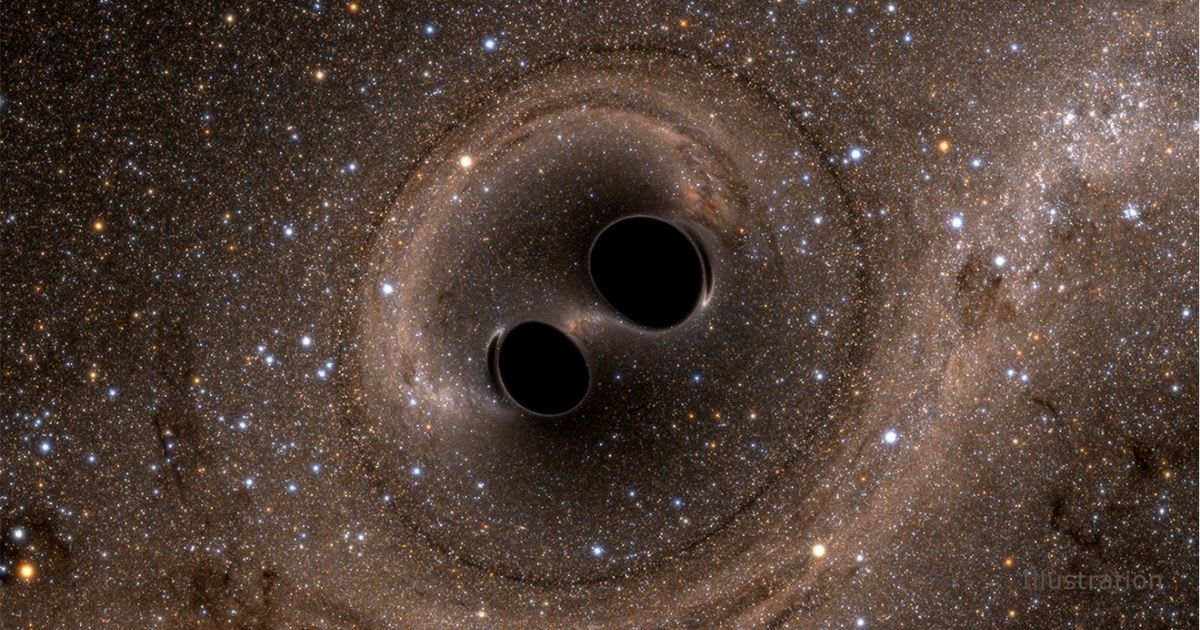
Scientists have long suspected that as matter falls toward a black hole, about 10 percent of that energy is diverted and carried away by these high-speed jets. While this 10 percent figure is a standard assumption used in large-scale computer simulations of how the universe formed, it had never been verified through direct observation until now. Co-author of the paper, Professor James Miller-Jones of CIRA and the Curtin node of ICRAR, noted that previous methods could only estimate the average of jets powered over millions of years, while this provides a more accurate measurement in a given moment. She also stated, "Because our theories suggest that the physics around black holes is very similar, we can now use this measurement to anchor our understanding of jets, whether they are from black holes 10 or 10 million times the mass of the Sun." This particular binary system, comprising a star and a black hole, is also observed rarely, with recent studies focusing on binary systems comprising two black holes.
Besides the Curtin Institute of Radio Astronomy (CIRA), this was a collaboration that involved a massive effort between the International Centre for Radio Astronomy Research (ICRAR) and the University of Oxford, as well as several other universities and institutions from Spain to Canada. Their findings resolve a critical problem in modern astronomy: without accounting for the kinetic energy these jets carry, models of galaxy formation do not match what we see in the sky. The researchers have shown why these jets could be a key factor in the evolution of galaxies by proving that black hole jets deposit a significant fraction of their energy into their environments. This feedback loop regulates how galaxies grow and change over billions of years, making the movements of Cygnus X-1's jets a short window into the history of the universe.
In the future, astronomers expect to discover jets from black holes in several distant galaxies, thanks to the current development of the Square Kilometre Array Observatory, which is currently being built across Western Australia and South Africa. The data gathered from Cygnus X-1 will act as a yardstick in helping scientists accurately calculate the power of these deep sky objects and their ejections. Speaking on the ramifications of the research on these mysterious objects, Miller-Jones added, “Black hole jets provide an important source of feedback to the surrounding environment and are critical to understanding the evolution of galaxies." Studies such as these will ensure that as farther reaches of space are mapped by humans, our understanding of the energy driving the universe is based on solid facts rather than guesswork.
More on Starlust
James Webb finds a galaxy from the early universe is not rotating and scientists are stunned
Tiny satellite galaxies orbiting the Milky Way could reveal the 'climate' of the early universe