Why don't black holes grow as fast as they once did? NASA's Chandra helps find the answer
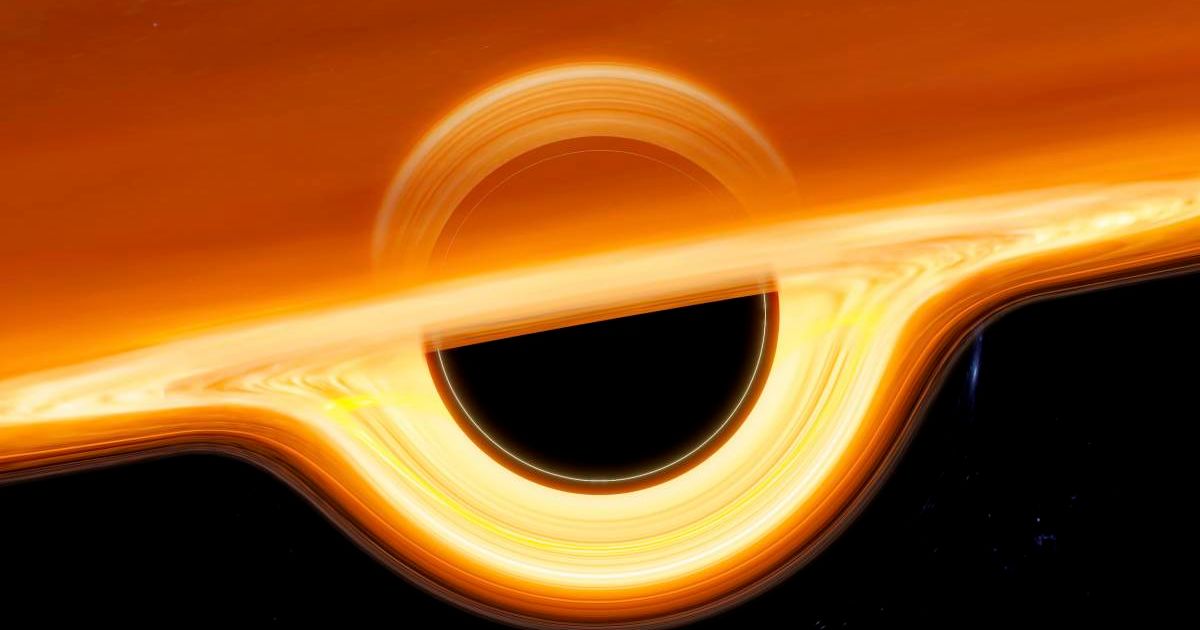
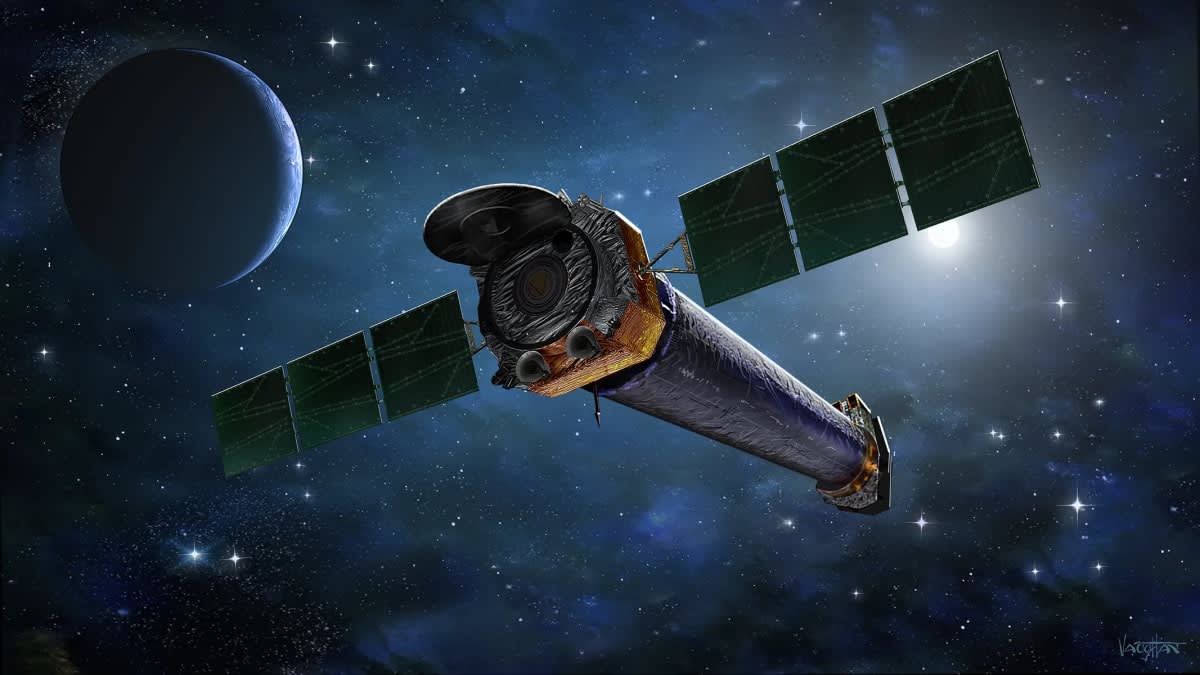
A new study using data from NASA’s Chandra X-ray Observatory, along with other X-ray missions, shows that black holes are simply not consuming material as rapidly as they once did. The findings were published in The Astrophysical Journal in December 2025. The study was led by Zhibo Yu, a PhD researcher at Penn State University, who works with astronomer Niel Brandt. His research focuses on how supermassive black holes (SMBHs) and their host galaxies evolve together over time.
According to a recent blog by the Chandra Observatory, it was back in the late 1950s, when astronomers first identified unusual, star-like radio sources, later called quasars. Then, in the early 1970s, astronomer Maarten Schmidt was one of the first to figure out that quasars were more common at greater distances. That meant they were more abundant in the early universe. Today, astronomers think that quasars are powered by rapidly growing supermassive black holes at the centers of galaxies. Less luminous versions of these systems are known as active galactic nuclei, or AGNs.
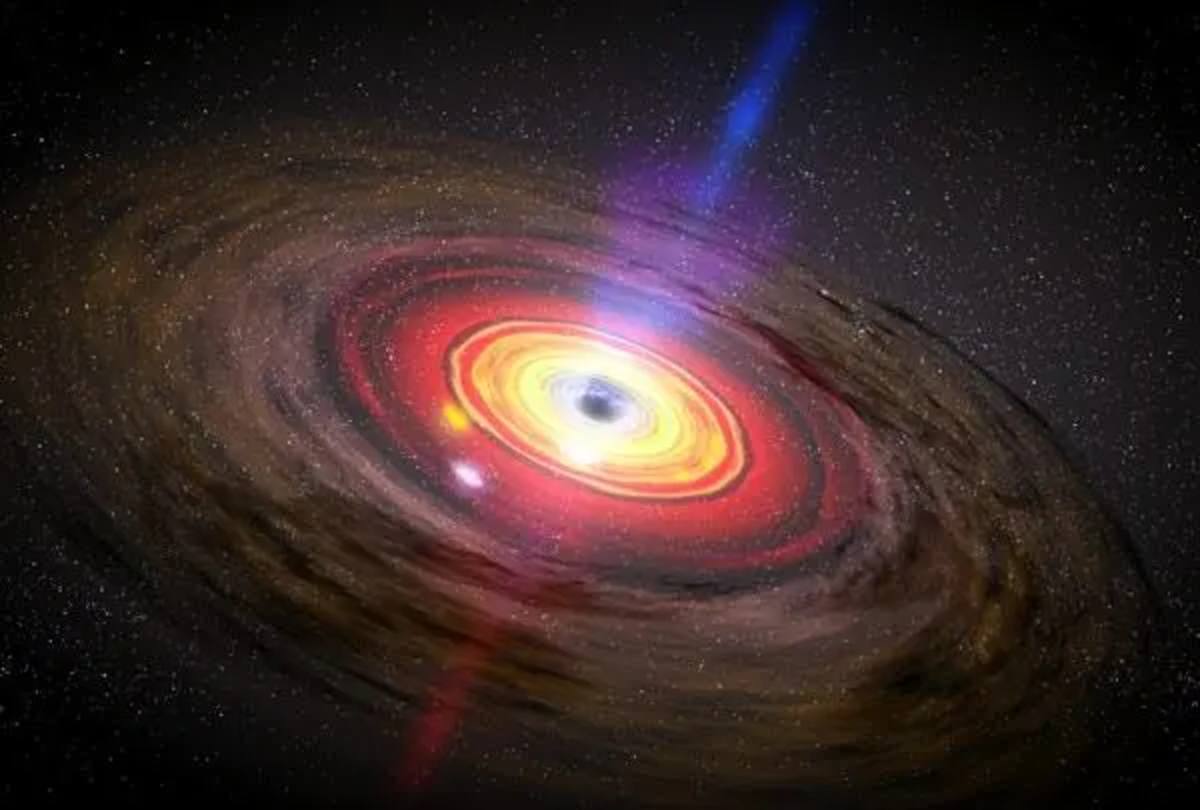
Now, over the past few decades, astronomers have mapped black hole growth across nearly 13 billion years. The data show a clear pattern: growth peaked about 10 billion years ago during a period known as “cosmic noon,” when galaxies were rich in cold gas—the main fuel for both star formation and black hole feeding. Since then, black hole growth has steadily declined. When cold gas falls into a black hole, it heats up and emits X-rays. The brighter the X-ray, the faster the growth. To understand the decline in this growth, Yu and his team analyzed observations of about 1.3 million galaxies and roughly 8,000 actively growing black holes from Chandra, XMM-Newton, and eROSITA. The team combined wide-area surveys with deep, focused observations—an approach often visualized as a “wedding cake”. Wider surveys capture large numbers of galaxies, while deeper observations detect fainter and more distant black holes.
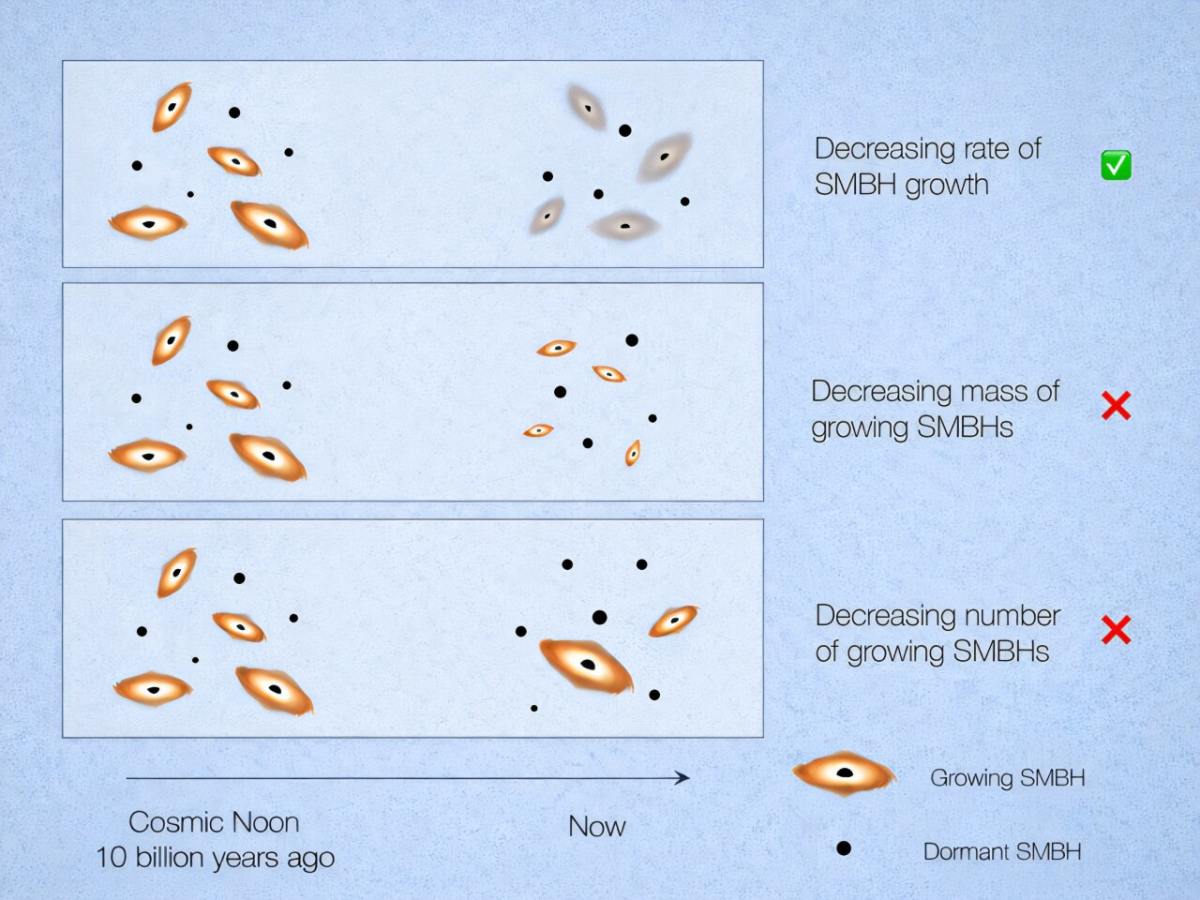
By comparing these datasets, the researchers tested three possible explanations for the slowdown:
1. Black holes are feeding more slowly
2. Black holes are generally smaller
3. Fewer black holes are actively growing
One key challenge was the fact that both more massive black holes and faster-growing ones produce brighter X-ray emissions. To address this issue, the team used optical and infrared data to estimate the mass of each black hole’s host galaxy—and, in turn, the black hole itself. That's how the researchers came to the conclusion that black holes consume less fuel the later they appear after the Big Bang. As Brandt explained, the universe simply doesn’t provide as much fuel as it once did. The supply of cold gas has declined over time, limiting how fast black holes can grow. "It appears that black holes' consumption of material has greatly slowed down as the universe has aged," said Niel Brandt. "This is probably because the amount of cold gas available for them to ingest has decreased since cosmic noon."
More on Starlust
Mysterious 'Little Red Dots' found by James Webb Telescope may not be baby black holes after all
XRISM observes a supermassive black hole 'wake up' and fire winds at near-light-speed