Scientists discover three types of binary black hole mergers in the universe—here's what they are
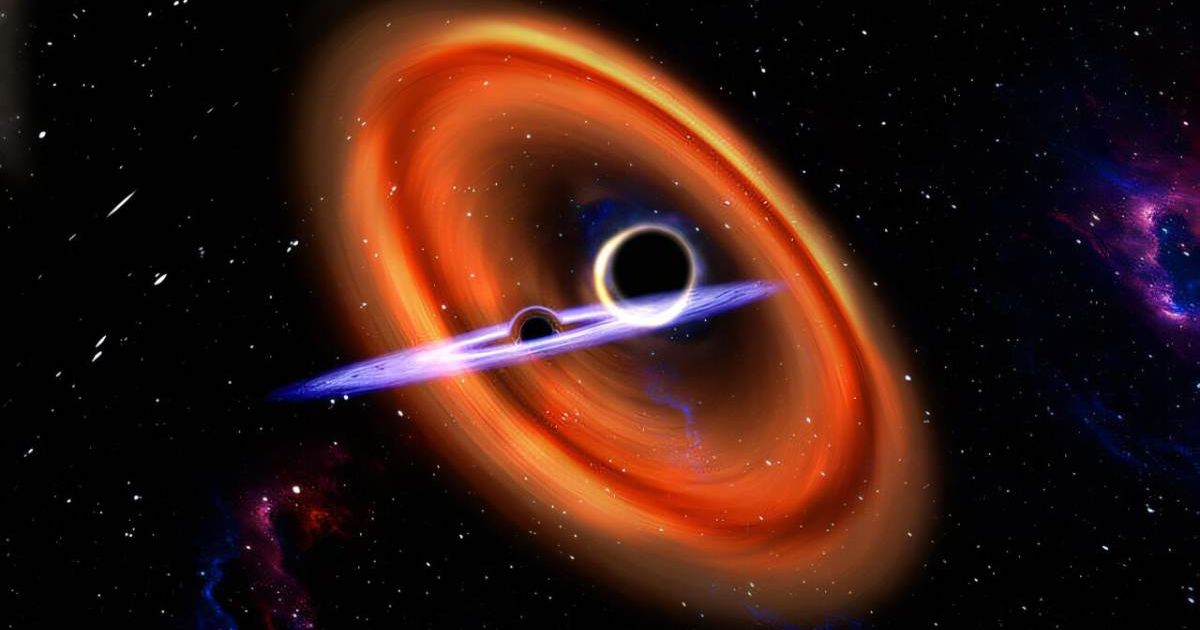
Can we classify merging black holes? Astronomers think that such light-swallowing monsters can be classified. Analyzing gravitational-wave data from the LIGO-Virgo-KAGRA Collaboration, they show that binary black holes fall into three distinct categories. They belong to three subpopulations that have their own distinct masses, spin behavior and merger rate, reveals a new study. The results of the study have been published on the arXiv preprint server on March 18. The LIGO-Virgo-KAGRA collaboration published its data in the fourth gravitational-wave catalog that included more than 150 black hole mergers. Analysis of these mergers reveals that the population of the merging black holes probably originated through different processes.
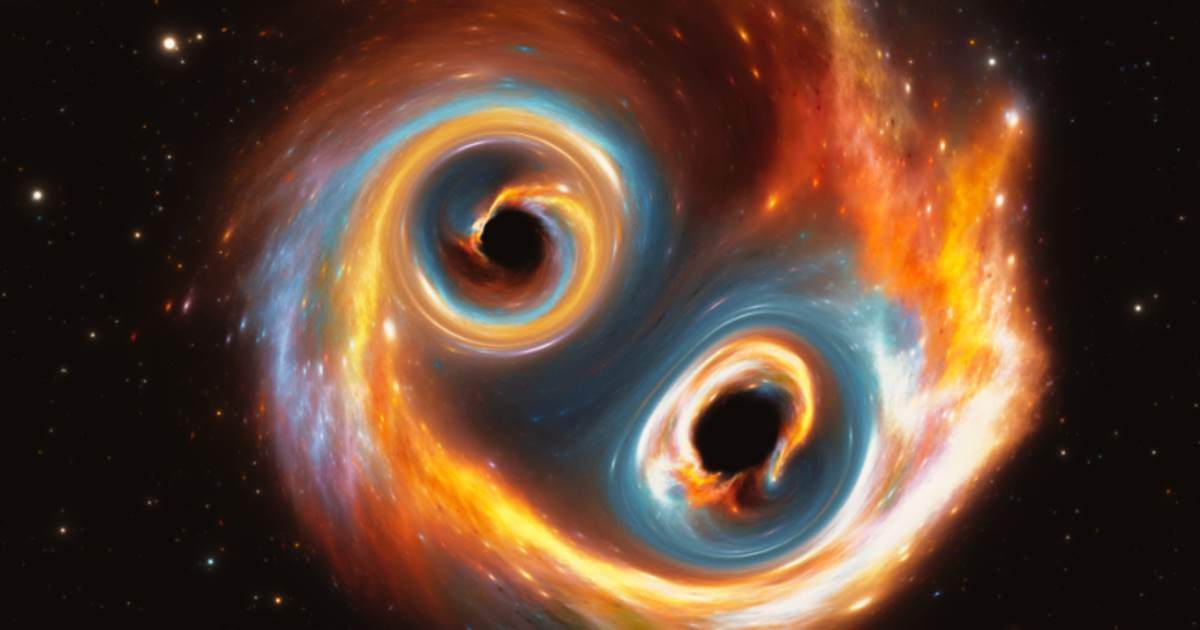
To trace back their origins, the researchers analyzed the mass of the black holes. They found that most of the black holes’ mass is between 10 solar masses and 35 solar masses. Then they measured their mass and spin ratios. They detected noticeable changes around 20 and 40 solar masses. If a unique process triggered all the mergers, the black holes displayed a smoother distribution across the population. The variation in spin and mass ratios and other differences suggests that multiple formation pathways are at play. The team simulated black holes’ masses, spin behavior, and merger rates. This yielded the observed features of the overall population. It turned out that the population is a mixture of three distinct groups of binary black holes. They then matched the black hole properties of each group with theoretical predictions. They aimed to identify the most likely pathway that formed them.
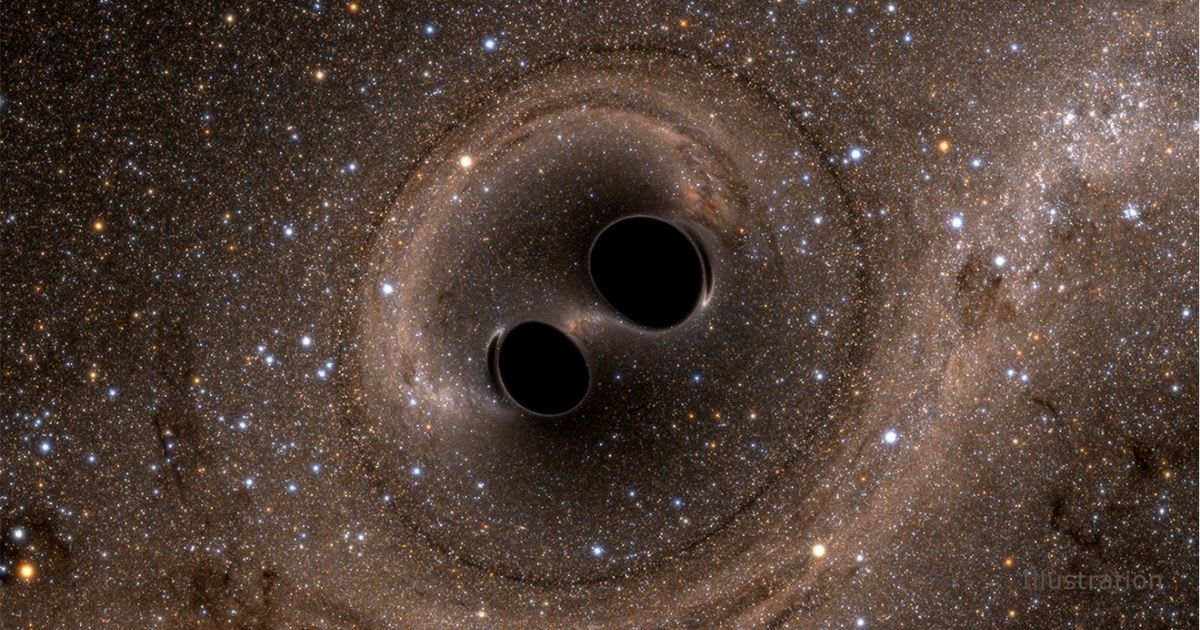
The group that is marked by binary black holes of 10 solar masses makes up 79% of the population. These low-mass black holes spin slowly with a little bit of wobbling. Another hallmark is that their spins are aligned with the orbit. These features indicate that such binary black holes followed an isolated pathway of binary evolution. They probably started as a binary star, evolving and exchanging mass and then collapsing into black holes that merged. All these happen without any external effects. The mass of the second subpopulation of binary black holes hovers around 35 solar masses and they make up around 14.5% of all the binaries. “These binaries have black holes of nearly equal masses and equal fractions of black holes' spins aligned and misaligned with the orbit, with greater wobbling compared to the first group. These intermediate-mass black holes show signs of a more chaotic origin compared to the first group,” according to a report by Phys.org.
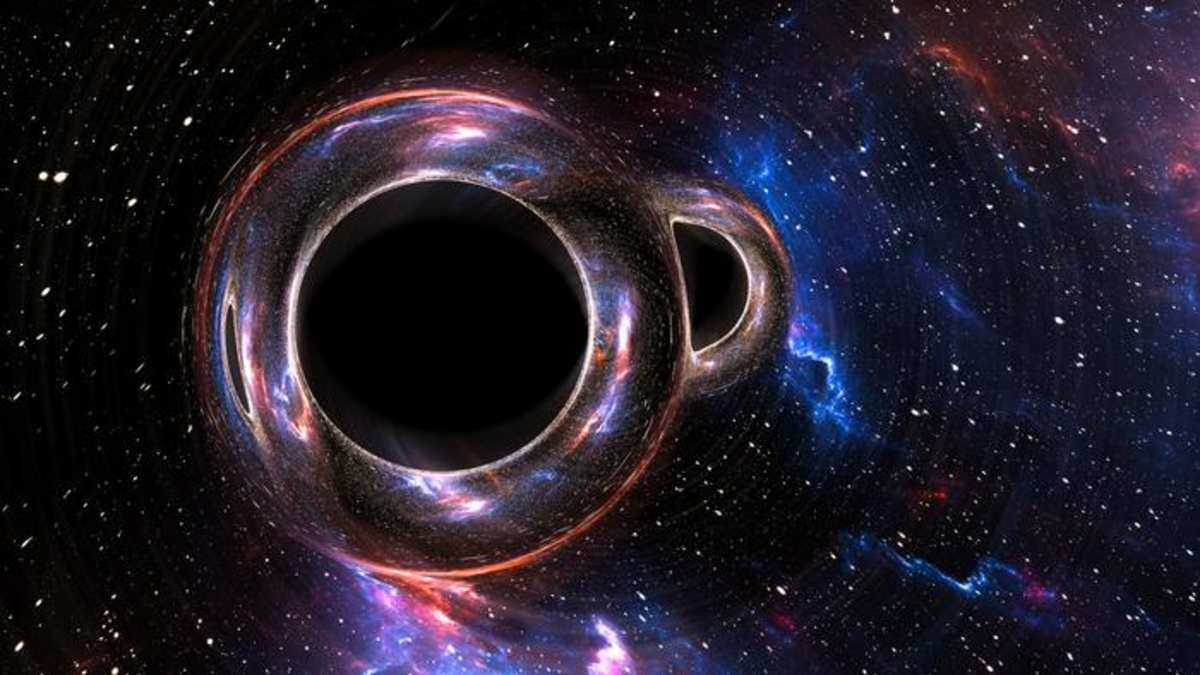
These binaries probably formed in a crowded environment such as a globular cluster, which is a stable, tightly bound cluster of tens of thousands to millions of stars. A third distant object can shape a pair of black holes, giving rise to merging binary black holes. The third group, which consists of only 2.5% of the overall population, shows black holes with higher masses. Despite being small in number, these black holes show unequal mass and complex spin properties with detectable wobbling. These black hole binaries were born through hierarchical mergers. In some of the mergers, at least one black hole bears the signs of an earlier merger. These three types of populations are dominant, but there are other processes that lead to the formation of black hole binaries.
More on Starlust
Why don't black holes grow as fast as they once did? NASA's Chandra helps find the answer
A supermassive black hole dimmed its galaxy 20-fold—in just 20 years