Harvard astronomer Avi Loeb calls on NASA to release scientific data on interstellar comet 3I/ATLAS

A Harvard astronomer is publicly urging NASA to immediately declassify high-resolution observational data concerning the interstellar object 3I/ATLAS, which passed near Mars late last month, according to Avi Loeb's Medium blog.
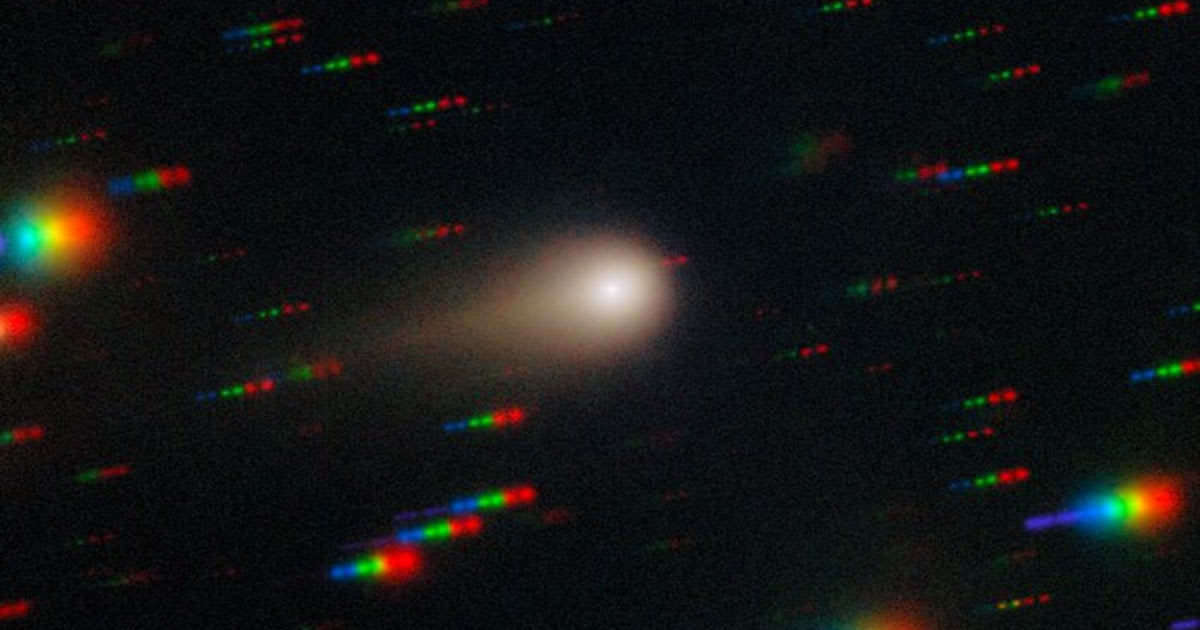
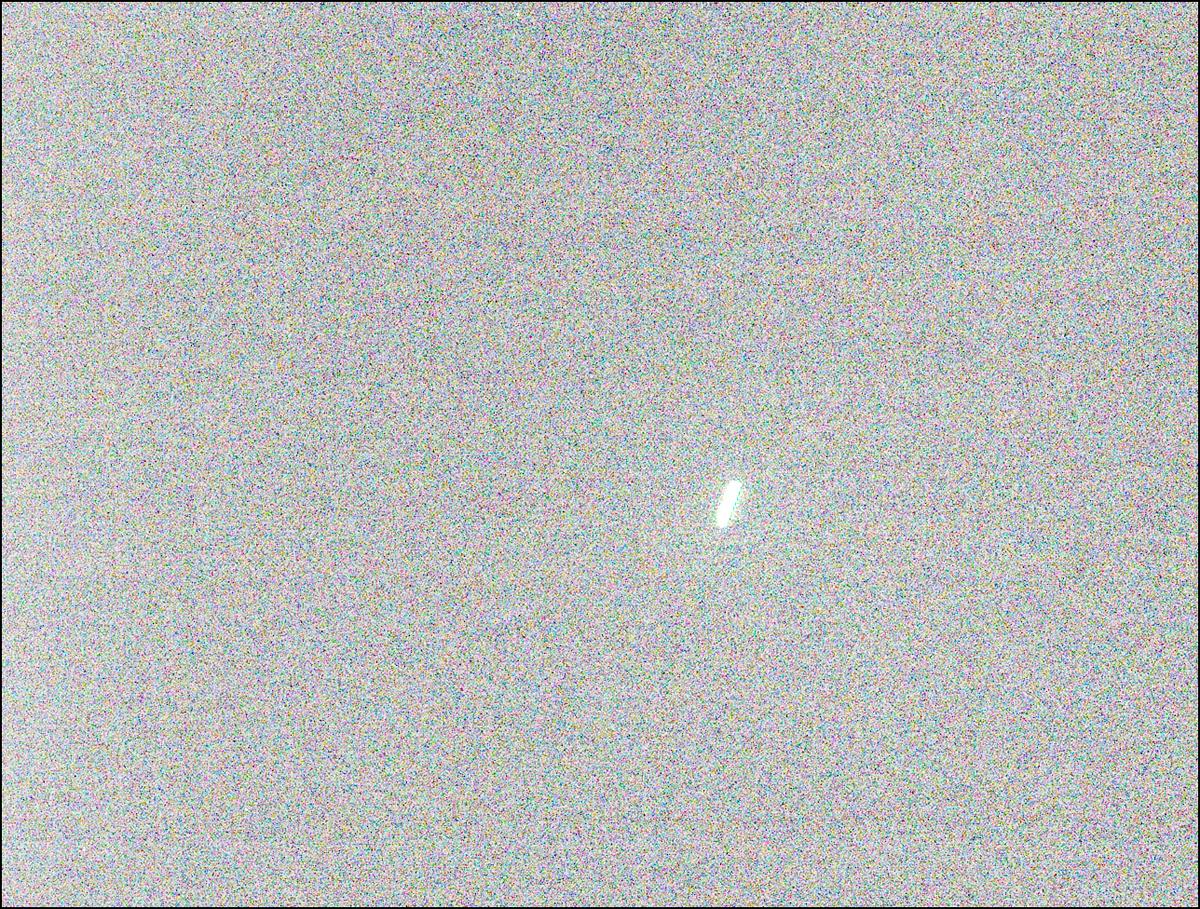
The data, captured by the HiRISE camera aboard the Mars Reconnaissance Orbiter (MRO) on October 2–3, 2025, remains unavailable to the scientific community four weeks after acquisition. The astronomer highlighted this delay during a recent podcast interview, framing the hold-up as a major impediment to time-sensitive research.
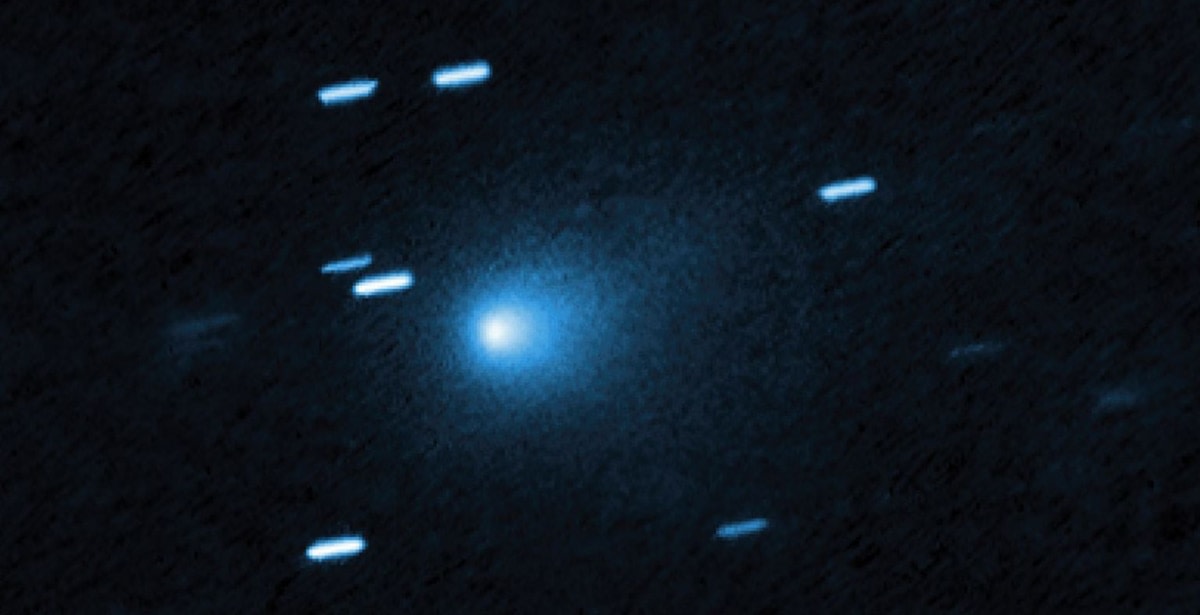
"We should not hold science hostage to the shutdown politics of the day," Loeb stated, dismissing speculation of extraterrestrial evidence in the imagery as less likely than "terrestrial stupidity." The scientific value of the withheld images is significant. With a spatial resolution of 30 kilometers per pixel, the HiRISE data is reportedly three times sharper than the best publicly available image of 3I/ATLAS, obtained by the Hubble Space Telescope on July 21, 2025. Crucially, the MRO images provide a sideways perspective of the comet as it approached the Sun, which is vital for modeling the geometry of its mass loss and glow, a view unobtainable from the edge-on Hubble shot.
While the delay has been attributed to the October 1, 2025, government shutdown, the astronomer and others stress that prompt data dissemination is essential for astronomers planning follow-up observations in the coming months. Following a suggestion made during the broadcast, the astronomer engaged with Congressional figures, resulting in Representative Anna Paulina Luna penning a formal request to NASA's Acting Administrator, Sean Duffy, demanding the data's release.
The situation surrounding 3I/ATLAS has escalated beyond data access, with Harvard astronomer Avi Loeb publicly fueling speculation regarding the object's origin. Loeb, already known for assigning a 30 percent probability that the interstellar visitor is an artifact of advanced alien technology rather than a natural cosmic body, has detailed eight highly unusual characteristics on his blog that he argues defy standard astronomical models.
These anomalies, clarified during a public Q&A session, suggest a departure from expected cometary behavior. The object's trajectory displayed an uncommon alignment with the solar system's ecliptic plane, an event with only a 0.2% probability for a natural object. 3I/ATLAS exhibited an atypical, confirmed jet ejecting material directly toward the Sun, a behavior not seen in typical comets. Its nucleus is reported to be millions of times more massive than 'Oumuamua yet faster than Comet Borisov, a combination Loeb estimates has less than a 0.1% chance of occurring naturally. The comet's approach timing was improbable (0.005% likelihood), positioning it near three planets while simultaneously remaining unobservable from Earth at its closest point (perihelion).

The chemical evidence further deepens the mystery, according to Loeb. The gas plume reportedly shows an industrial chemical signature, featuring a nickel-to-cyanide ratio orders of magnitude higher than known comets, alongside an excess of nickel over iron (less than 1% likelihood). The object displays a significant water deficiency, comprising only 4% water by mass. 3I/ATLAS exhibits extreme negative polarization, a trait Loeb notes is unprecedented among comets (less than 1% likelihood). Remarkably, the object's arrival direction coincides with the location associated with the famous "Wow! Signal" (a 0.6% likelihood).