China fails second attempt at reusable rocket test, falling further behind the U.S.
China’s reusable Long March 12A failed as the first stage was not successfully recovered, widening the scientific gap with the U.S.
UPDATED DEC 26, 2025
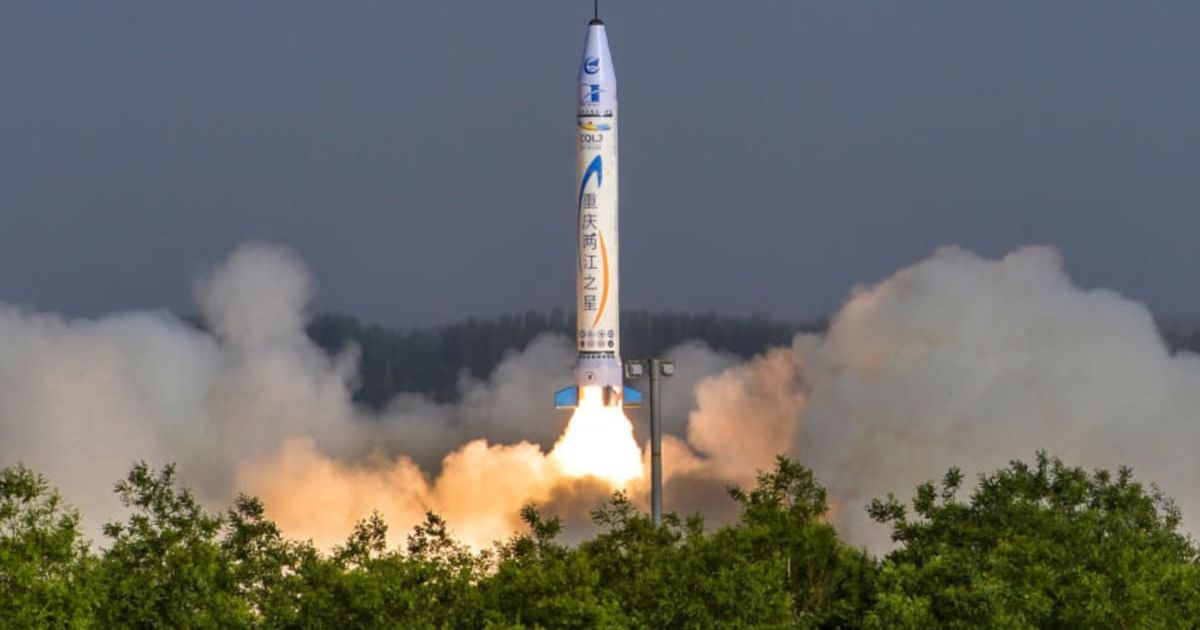
China first privately operated commercial suborbital rocket successfully launched on 17 May 2018 in northwest China. (Representative Cover Image Source: Getty Images | Photo by TPG)

Beijing suffered yet another disappointment as the first stage of Long March 12A—China's first state-owned reusable rocket—could not be successfully recovered after launch. The second stage of the rocket, however, did get deployed in its planned orbit, according to the report of the Chinese state news agency Xinhua. This was China's second failed attempt at returning an orbital-class booster to Earth this month.
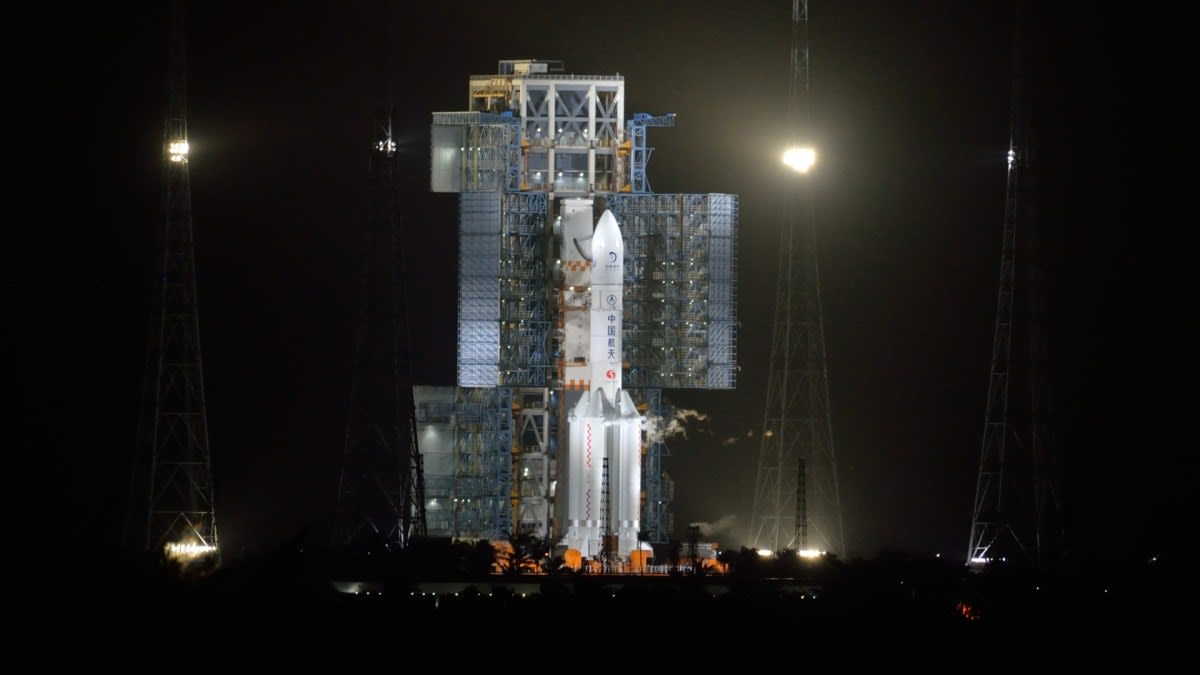
Pre-launch time of Long March 5 rocket for lunar exploration project in Wenchang, Hainan. (Representative Image Source: Getty Images | Photo by Jingying Zhao)

Designed by the Shanghai Academy of Spaceflight Technology under the China Aerospace Science and Technology Corporation (CASC), the rocket made its debut flight at 10 am local time on 23 December from the Jiuquan Satellite Centre in northwest China. The CASC did not disclose the details about why the recovery failed, saying that it was carrying out "a comprehensive review of the entire test process" and that it would sincerely attempt to get to the bottom of what went wrong. While the attempt to recover the booster did end in disappointment, the CASC did say via its official WeChat account that the mission obtained "key engineering data from the rocket under real flight conditions, laying an important foundation for subsequent launches and for the reliable recovery of stages."
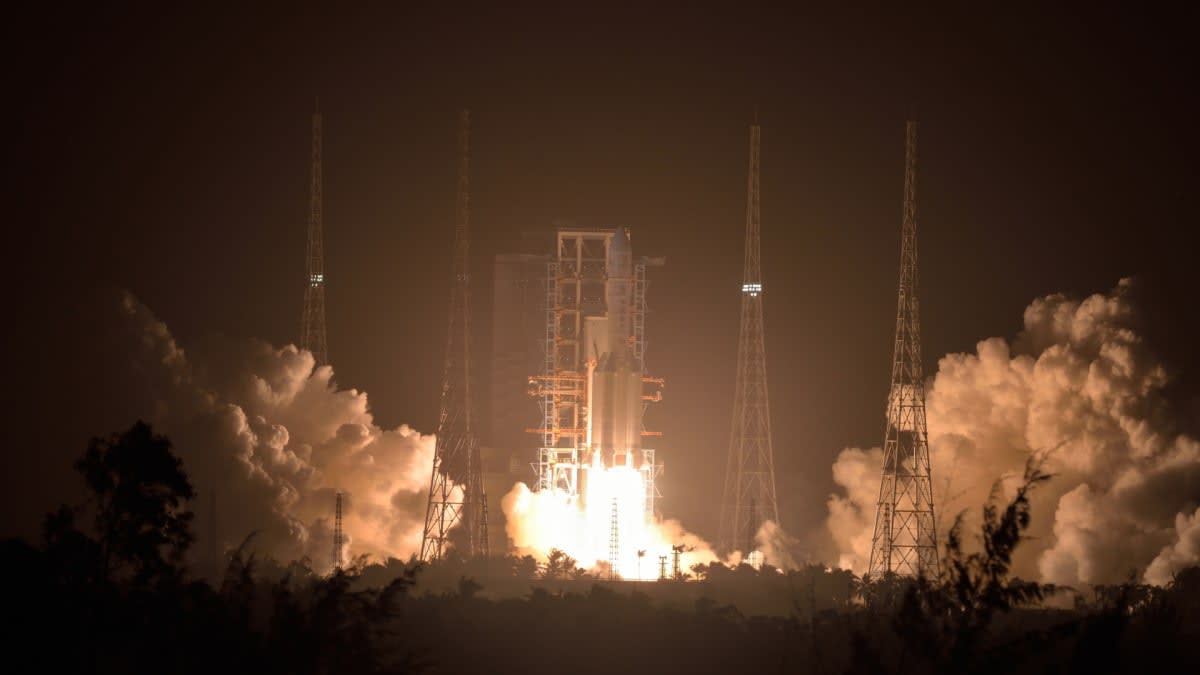
China's huge Long March 5 rocket launches for lunar exploration action at night. (Representative Image Source: Getty Images | Photo by Jingying Zhao)

China has been successful in launching dozens of rockets that deliver payloads into orbit but has failed to complete a reusable rocket test. Private and state-owned rocket firms in China are working steadily towards testing domestically developed reusable rockets. Earlier this month, Landscape, a private Chinese firm, attempted a reusable rocket test with the launch of Zhuque-3, but could not land the booster successfully. "Its first-stage booster suffered anomalous combustion during recovery, failing to achieve a soft touchdown on the landing pad," Xinhua reported. "The recovery test was unsuccessful, and the specific cause is under investigation."
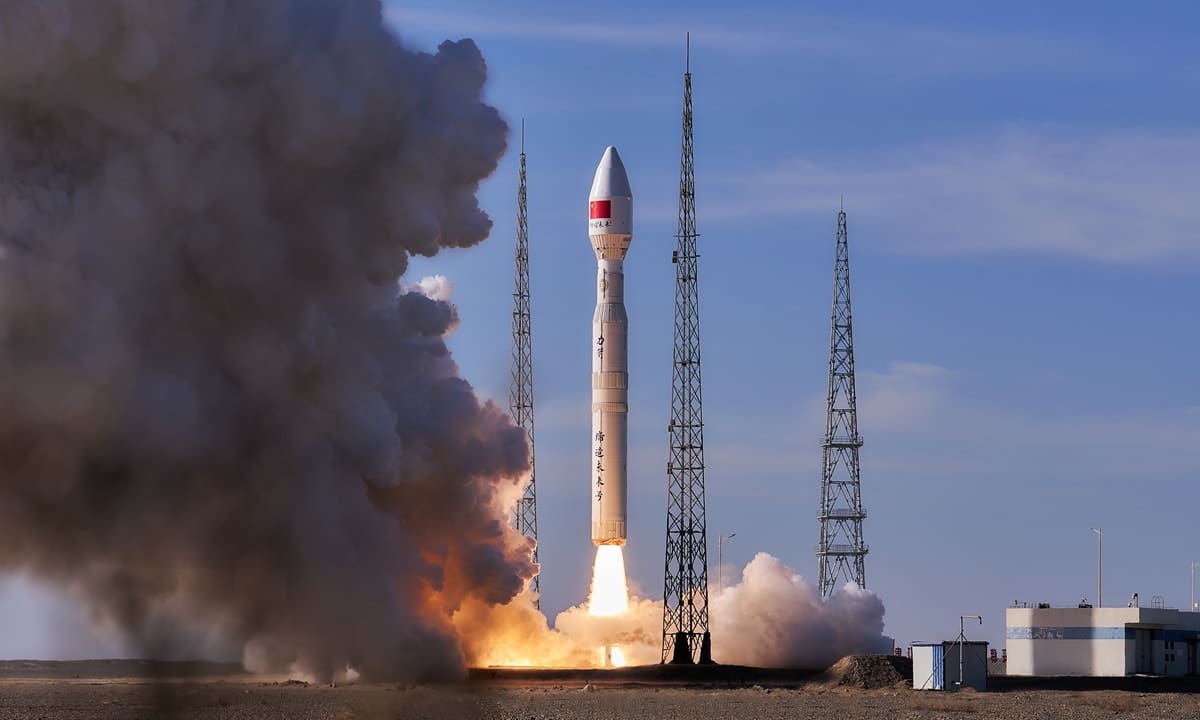
China launches the Lijian-1 Y11 carrier rocket with nine satellites onboard, including three international payloads for the United Arab Emirates (UAE), Egypt and Nepal. (Image Source: CAS Space)
China launches the Lijian-1 Y11 carrier rocket with nine satellites onboard, including three international payloads for the United Arab Emirates (UAE), Egypt and Nepal. (Representative Image Source: CAS Space)

Mastering reusable rocket technology can significantly lower mission costs and reduce turnaround time. So far, the United States is the only country to return an orbital-class booster, with Elon Musk's SpaceX having mastered this technology years ago and Jeff Bezos' Blue Origin following suit. In fact, SpaceX's reusable rocket Falcon 9 has resulted in Starlink satellites occupying a large section of the low-Earth satellite population. 
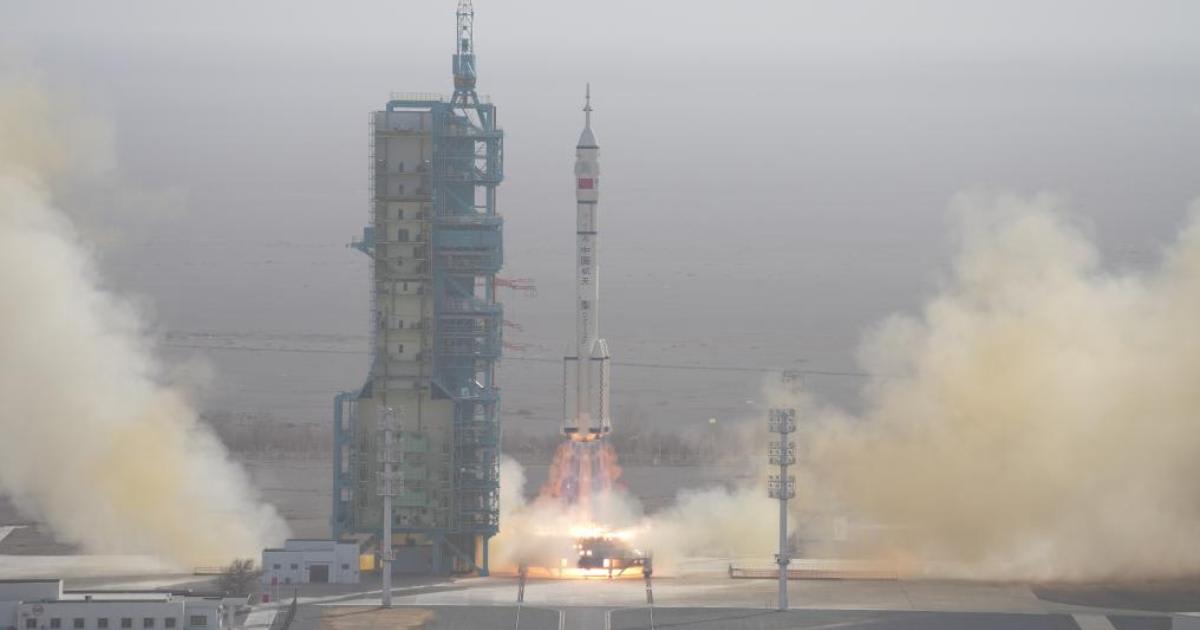
China launches the Shenzhou-22 spaceship from the Jiuquan Satellite Launch Center in northwest China on Nov. 25, 2025. (Image Source: Xinhua | Li Minggang)
China launches the Shenzhou-22 spaceship from the Jiuquan Satellite Launch Center in northwest China on Nov. 25, 2025. (Representative Image Source: Xinhua | Photo by Li Minggang)

Blue Origin's New Shepard rocket can take paying passengers on a ride to space and then return to land. But while New Shepard's booster does land vertically on Earth after taking flight, it is not fast enough to reach orbit. Last month, however, Blue Origin did become the second company to have successfully achieved orbital-class booster reuse following the second mission of its New Glenn rocket. Other companies have also achieved some level of reusability. 

China launching space computing satellite constellation (Image Source: Getty | CASC)
China launching space computing satellite constellation (Representative Image Source: Getty Images | Photo by CASC)

For instance, Rocket Lab, which operates out of the U.S. and New Zealand, has managed to make a part of its Electron rocket reusable. Some of the recovered engines that have dropped back into the ocean using a parachute have been used on later flights. Private Chinese firms other than Landspace have also carried out reusability tests, but are yet to land the main stage of a rocket that has actually flown into space.

More on Starlust

NASA Chief suggests reconsideration of SpaceX lunar lander contract amid 'race against China'
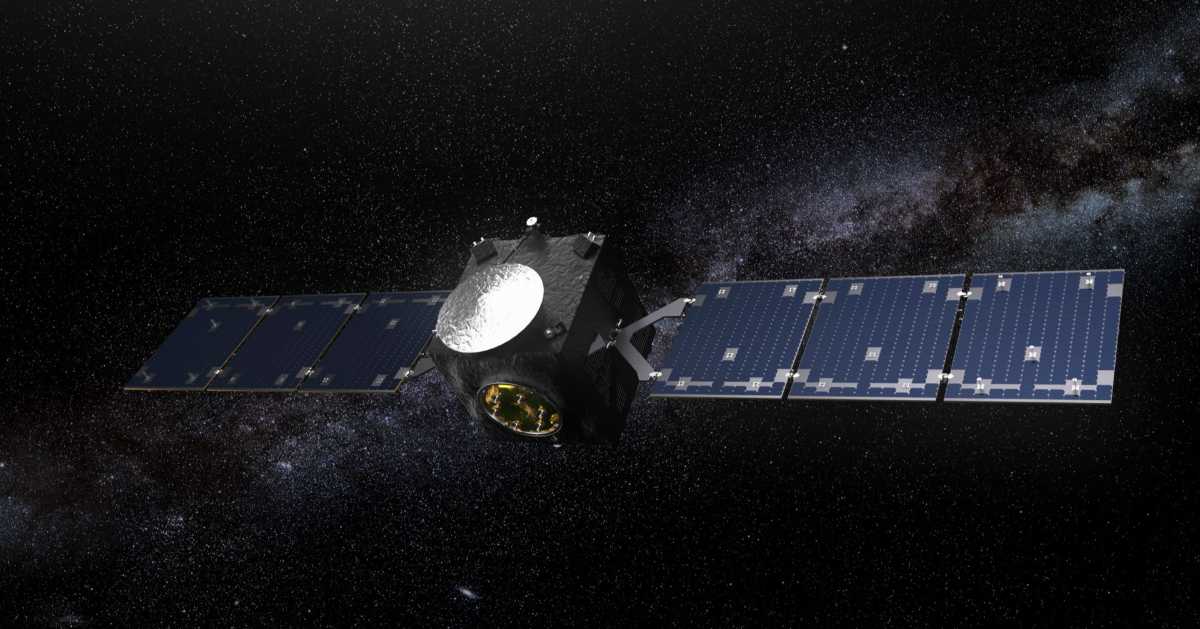
The 'Three-Body Computing Constellation' begins as China sends its first AI supercomputer satellites to orbit

MORE STORIES

The Jeff Bezos-owned company will be able to launch the New Glenn rocket again only after getting its final report and potential corrective measures approved by the FAA.
6 hours ago
The Office of Inspector General warns that the next-gen spacesuits may not be ready for demonstrations before 2031.
11 hours ago
The core stage of the SLS Moon rocket will travel to NASA's Kennedy Space Center in Florida, where it will undergo vertical integration.
13 hours ago
China delays the launch of the next mission to its orbital outpost as well, using the Shenzhou-23.
1 day ago
Despite smooth booster touchdown, NG-3 fails to deploy AST's Bluebird 7 payload into correct orbit.
1 day ago
As they interacted with the media, the crew members of the Artemis II mission also talked about how they were supported on the mission by mental health professionals.
4 days ago
“If you had given us the keys to the lander, we would have taken it down and landed on the Moon.”
4 days ago
The Denver-based company will select its own astronauts for what will be the seventh private mission to the ISS.
5 days ago
The Starship upper stage also went through its first full-duration static fire test on April 14.
5 days ago
The third New Glenn mission, dubbed NG-3, is expected to launch massive broadband satellites into low Earth orbit.
6 days ago