Can solar sails send humans to another star? Study reviews current state of 'sci-fi' technology
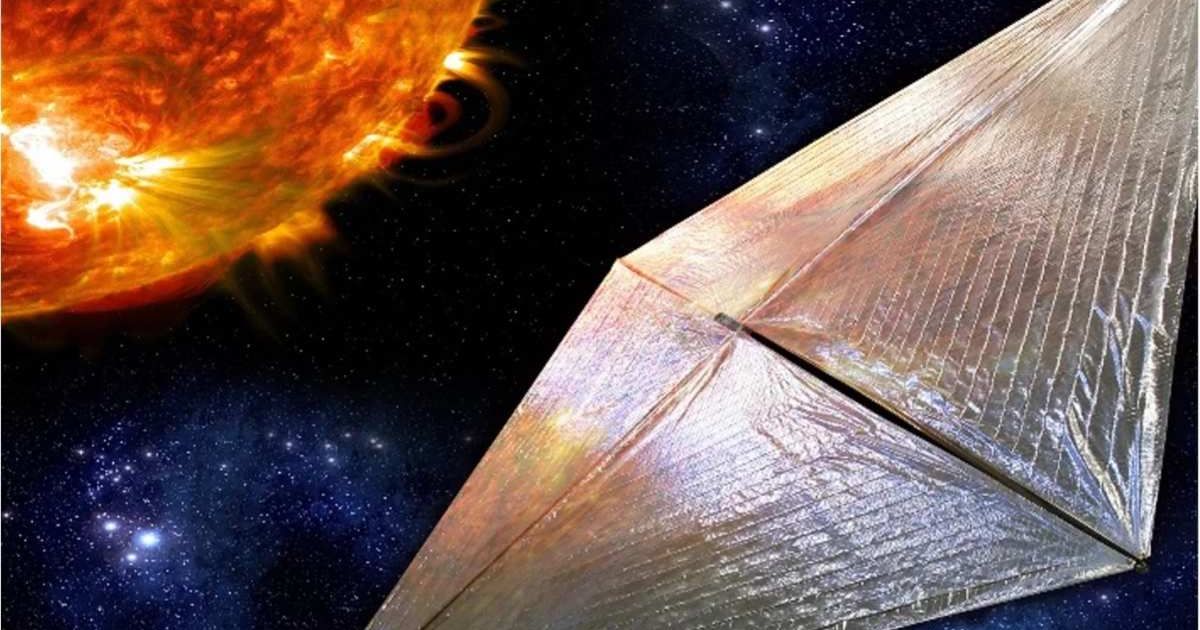
Imagine a future where humans accelerate out of the Solar System and even reach their nearest star riding on spacecraft powered by solar sails. Such space travel has now moved from the pages of science fiction to the fringes of reality. Several dedicated research groups are currently developing solar sails, also known as light sails. A new study, led by Debdut Sengupta at Imperial College London, assessed the potential of this light-powered technology. Sengupta and his colleagues explored the current state of the field, pointing out its gaps and bottlenecks in a paper published in the journal Acta Astronautica.
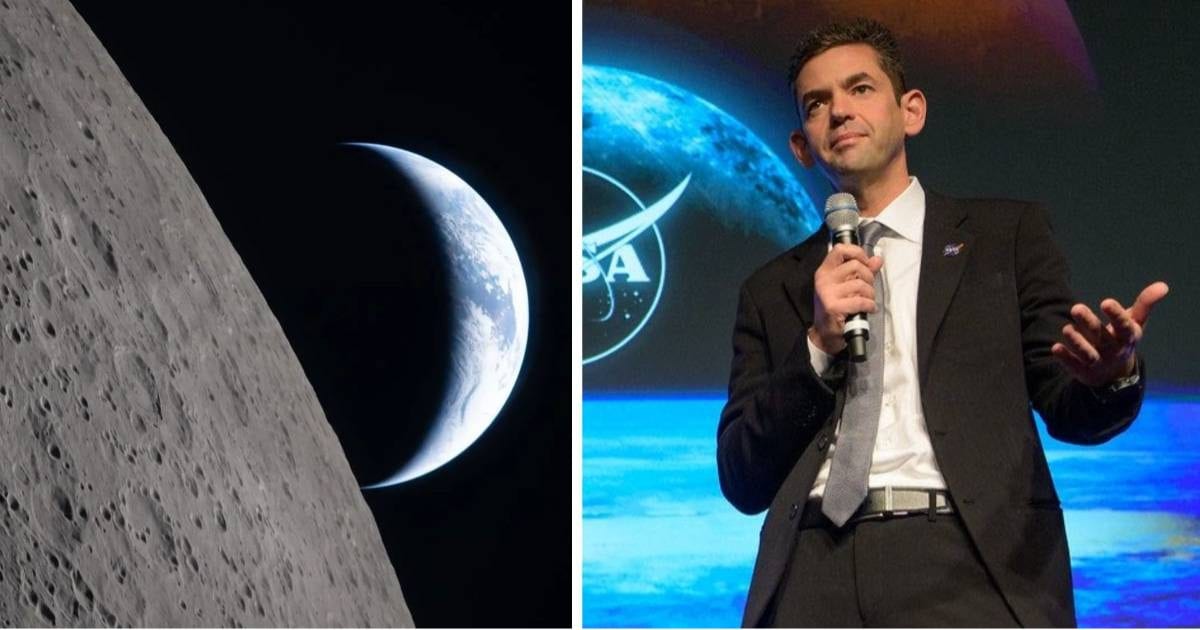
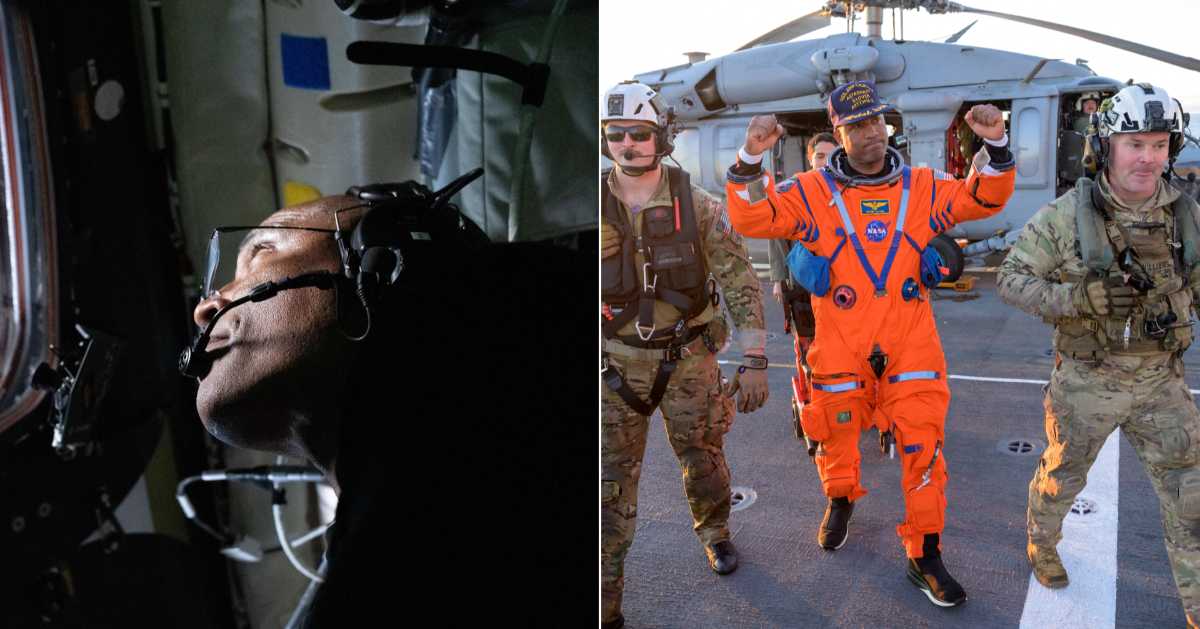
With current propulsion technology, we have landed on the Moon, set down rovers on Mars, and recently flew astronauts past the far side of the Moon during the Artemis II mission. All these milestones have been accomplished using fuel-powered rockets. Solar sails, in contrast to fuel-powered rockets, move spacecraft by harnessing the power of sunlight. In principle, they function like the sails of a ship, but instead of being pushed by wind, they are propelled by photons, the fundamental particles of light. While photons have no mass, they possess momentum, and as billions of these particles bounce off a highly reflective sail, they transfer their momentum, giving the spacecraft a continuous, gentle push. Consequently, light-powered sails don’t need to carry heavy fuel tanks or engines. However, except for a handful of successful demonstration missions, including Japan's IKAROS spacecraft, the technology is still in its infancy.
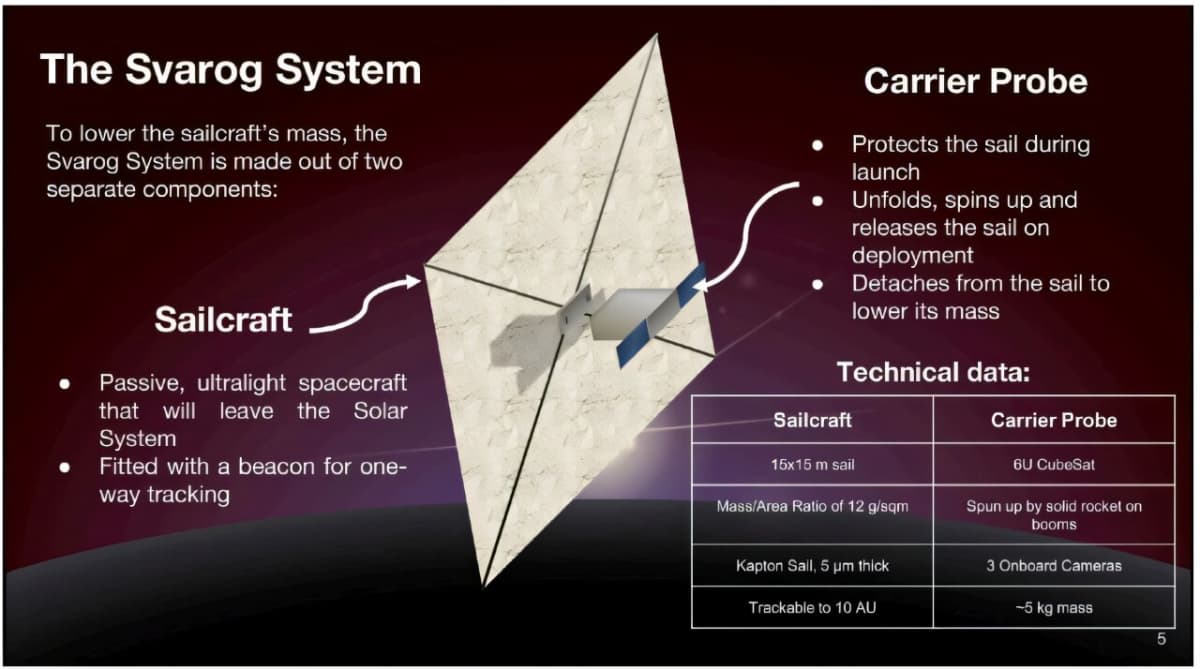
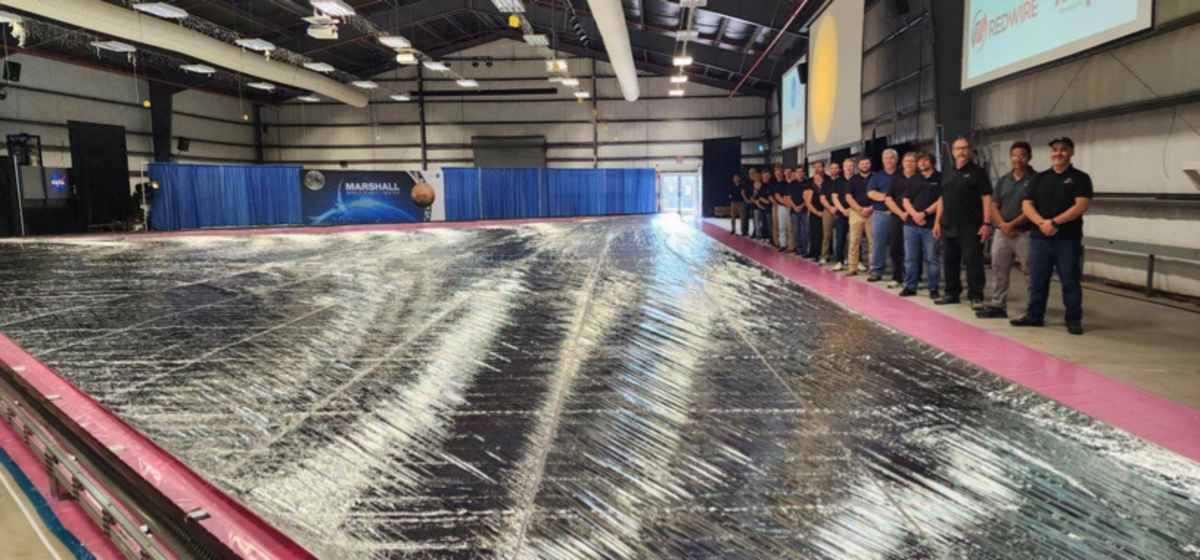
Sengupta, teaming up with researchers from the Netherlands, Japan, and Luxembourg, compared three missions at various stages of development: Solar Cruiser, Project Svarog, and Breakthrough Starshot. Solar Cruiser was a proposed NASA mission designed with a reflective sail thinner than a human hair. It was intended to hover in space, monitor space weather, and conduct heliophysics science before the project's closeout in 2023. Project Svarog, on the other hand, is actively being developed by a team of students at Imperial College, London, with the aim of sending a spacecraft beyond the Solar System by using a maneuver known as "sun diving"—they propose dropping the spacecraft dangerously close to the Sun, where extreme solar radiation pressure on the sail will push the spacecraft away. The third initiative, called Breakthrough Starshot, proposes a mothership carrying thousands of ultra-light nanocrafts into Earth’s orbit. Once deployed, high-powered lasers from an Earth-based array will accelerate the tiny spacecraft to at least 20% of the speed of light in just a few minutes.
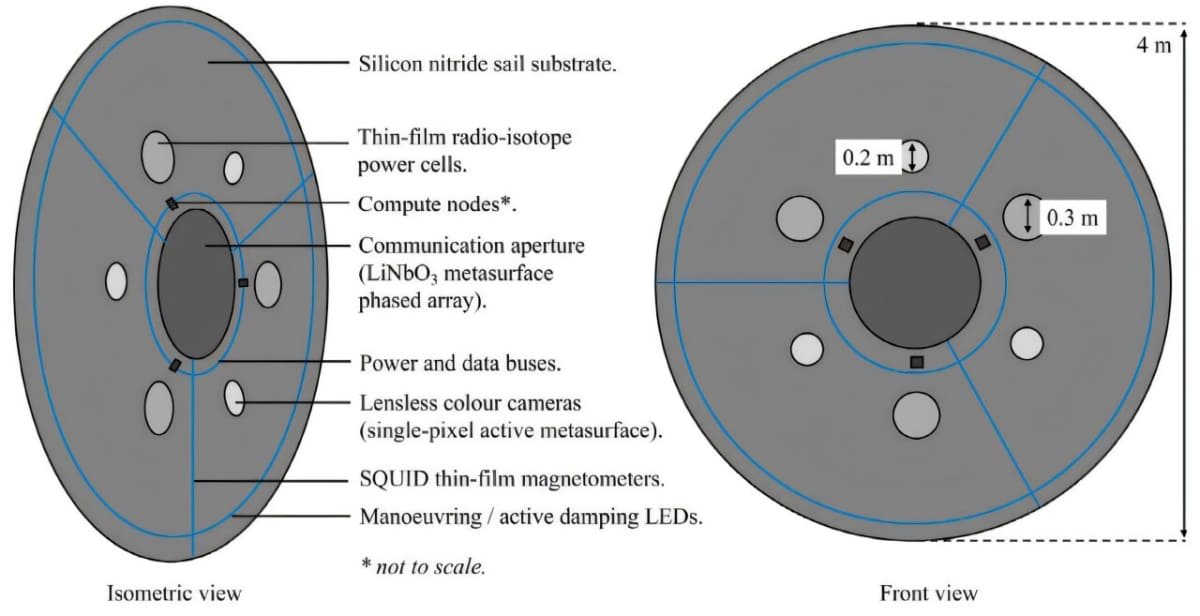
The researchers say that if we are to make these interstellar ambitions a reality, our technology must improve by orders of magnitude in several key areas. Sengupta and his team identified critical bottlenecks. One of them is manipulating the sail’s orientation in space. If attitude control is not maintained, the sail will not receive optimum sunlight and will slow down. The researchers note that sails must be able to withstand high temperatures, as the high-energy photons striking them will cause significant heat buildup. Additionally, they point out that such solar sails must be made of ultrathin yet durable and heat resistant materials capable of surviving a long-term voyage through deep space. The authors also emphasized on the need to test evolving solar sail technology, especially high-risk components, in actual space environments to see how they hold up in real scenarios. This will help prevent failures or malfunctions during future missions.
More on Starlust
Humans can reach Alpha Centauri within lifetime by boarding a light-powered spacecraft