Humans can reach Alpha Centauri within lifetime by boarding a light-powered spacecraft
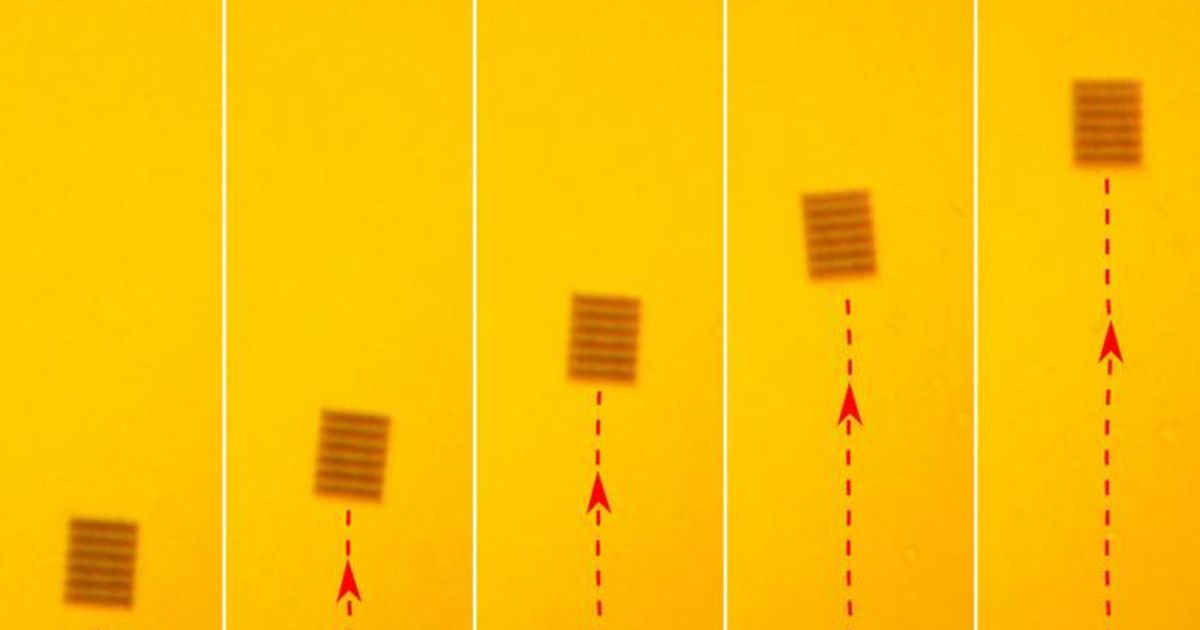
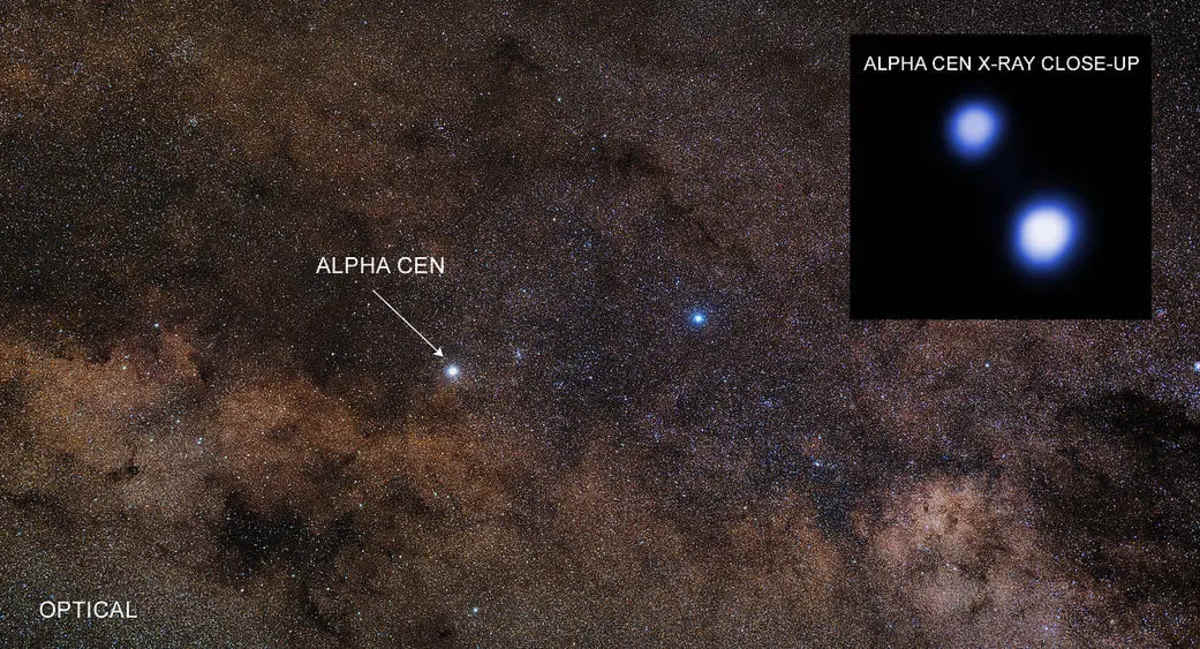
With current rocket propulsion technology, it would take hundreds of thousands of years to reach Alpha Centauri, the nearest star to our solar system. But a new laser-based technology can reduce this travel time. The new technology, developed by a team at Texas A&M University, shows that lasers can lift and steer objects in multiple directions without physical contact. The laser-assisted technique may one day enable space travellers to arrive near Alpha Centauri within roughly two decades. Dr. Shoufeng Lan, an assistant professor and director of the Lab for Advanced Nanophotonics, and his colleagues describe their work in a paper published in Newton. Lan’s team shows that tiny, micron-scale devices, named "metajets," can generate controlled motion when irradiated with laser light.
The new technique is all about controlling how light behaves and directing it onto metajets, which are composed of metasurfaces. Akin to a shaping lens, but on a much smaller and more precise scale, the researchers carved tiny patterns on such surfaces. This gave them ample scope to tune the properties of light. They have even been able to transfer the momentum of light to an object, causing it to move. It is like the effect ping pong balls leave when they are bouncing off a surface. Similarly, when light reflects, it transfers momentum, creating a small but measurable force that can push an object. The metajets can be maneuvered on a three-dimensional scale, a feat never achieved in an optical propulsion system. The researchers note that this is the first demonstration of 3D maneuvering using such a light-mediated approach.
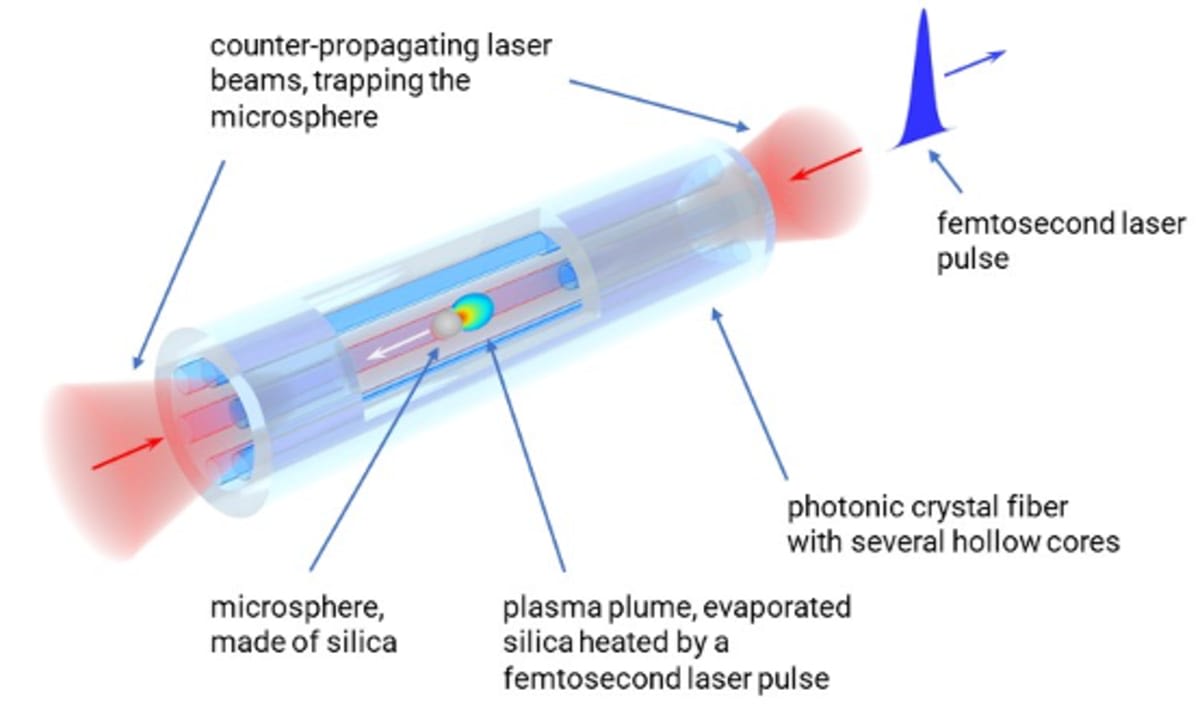
Unlike existing methods that control objects via shaping the light itself, the new approach generates a more flexible force by directly manipulating the design of the material. The force also depends on the power of the light rather than the size of the device, meaning the same principles could apply beyond microscopic systems. In the new technology, the team uses devices that are smaller than the width of a human hair. The underlying physics that governs the light-matter interaction on such a microscopic scale suggests the approach could extend to much larger systems if enough optical power is available.
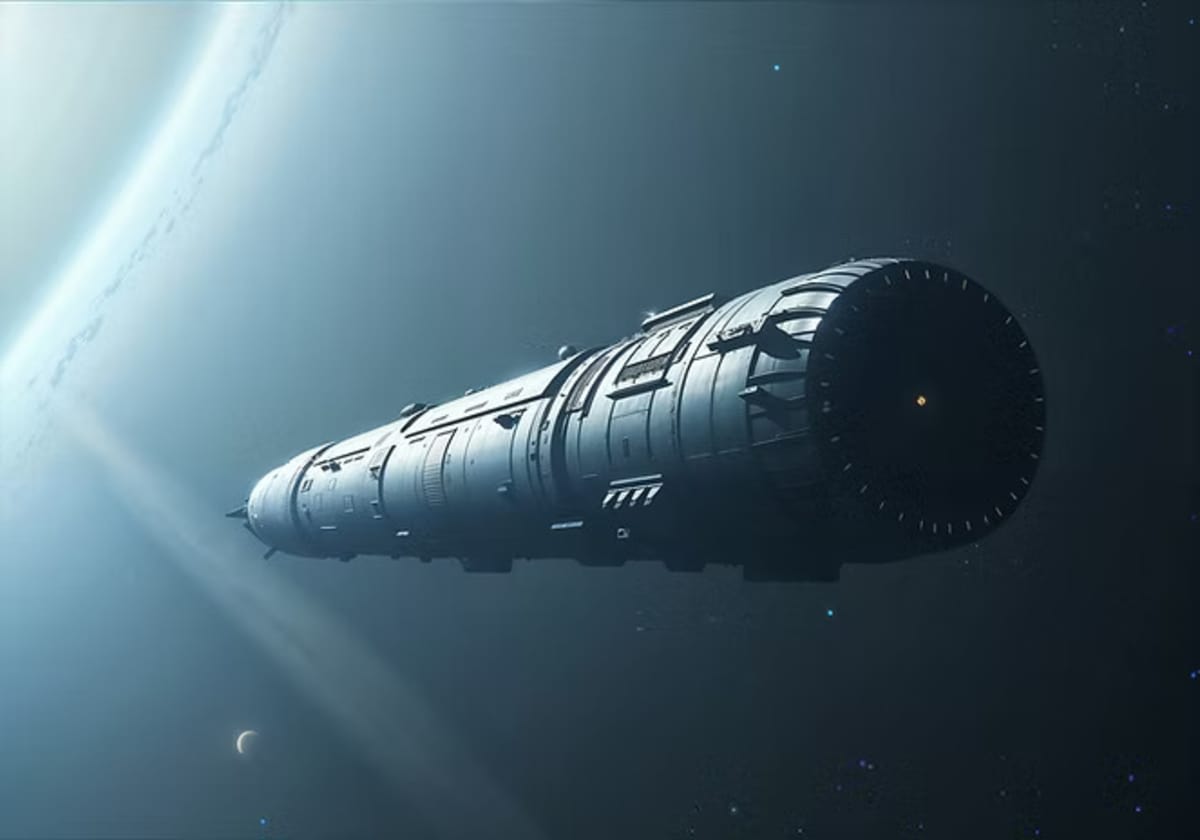
The new approach needs nanoscale precision that makes it possible to fabricate the metasurfaces, with each feature carefully designed in shape, orientation and placement. The Texas A&M AggieFab Nanofabrication Facility made the devices. The Texas A&M Engineering Experiment Station (TEES) and the university supported their production. To eliminate the effects of gravity, the researchers conducted experiments in a fluid environment. This allowed them to better observe the motion. Next, the team wants to test light-driven propulsion in microgravity environments. If everything goes right, we can arrive in a future where light can replace fuel to move and control objects ranging from microscopic devices to spacecraft.
More on Starlust
Future satellites could use light as fuel in outer space: 'Propellant-free propulsion future'