Business as usual on ISS ahead of departure of Northrop Grumman's Cygnus XL today
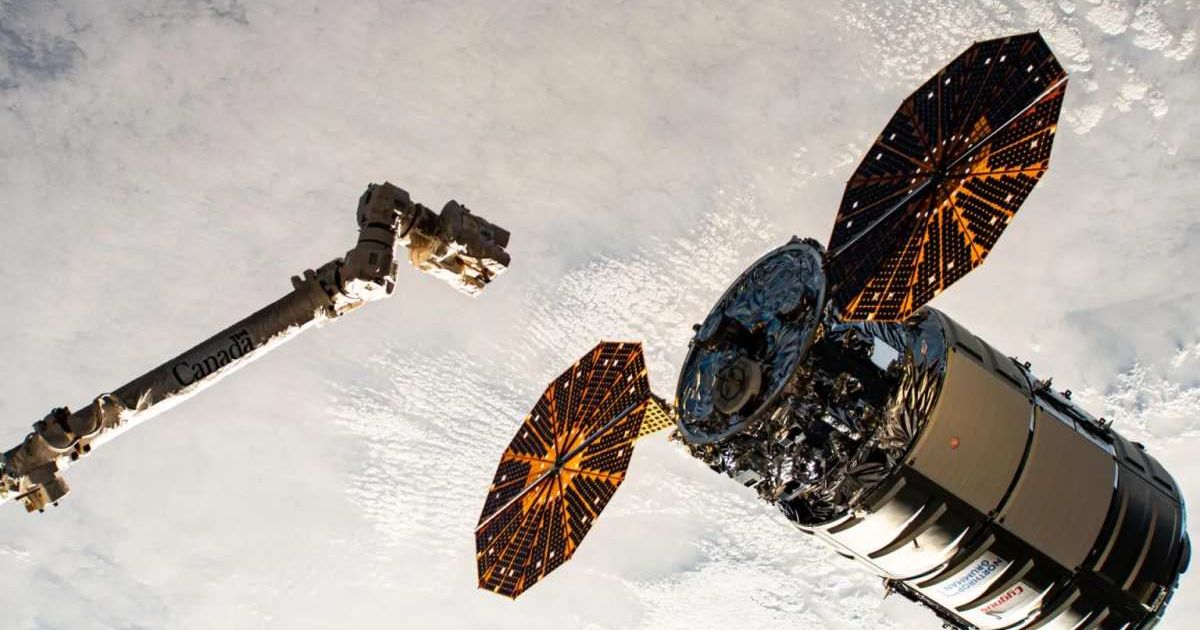
The Cygnus XL cargo spacecraft supporting Northrop Grumman's 23rd Commercial Resupply Services (CRS-23) mission is set to depart the International Space Station at 7:05 am EST today. European Space Agency’s flight engineer Sophie Adenot will be monitoring the departure from within the ISS as flight controllers on the ground command the orbital lab's Canadarm2 robotic arm to detach the spacecraft from the Earth-facing port of the Unity module. Yesterday, Adenot was also responsible for configuring the hardware that enables the undocking before closing the hatch. She received help in these preparations from SpaceX Crew-12 commander Jessica Meir, who prepared the Cygnus XL for depressurization ahead of its departure.
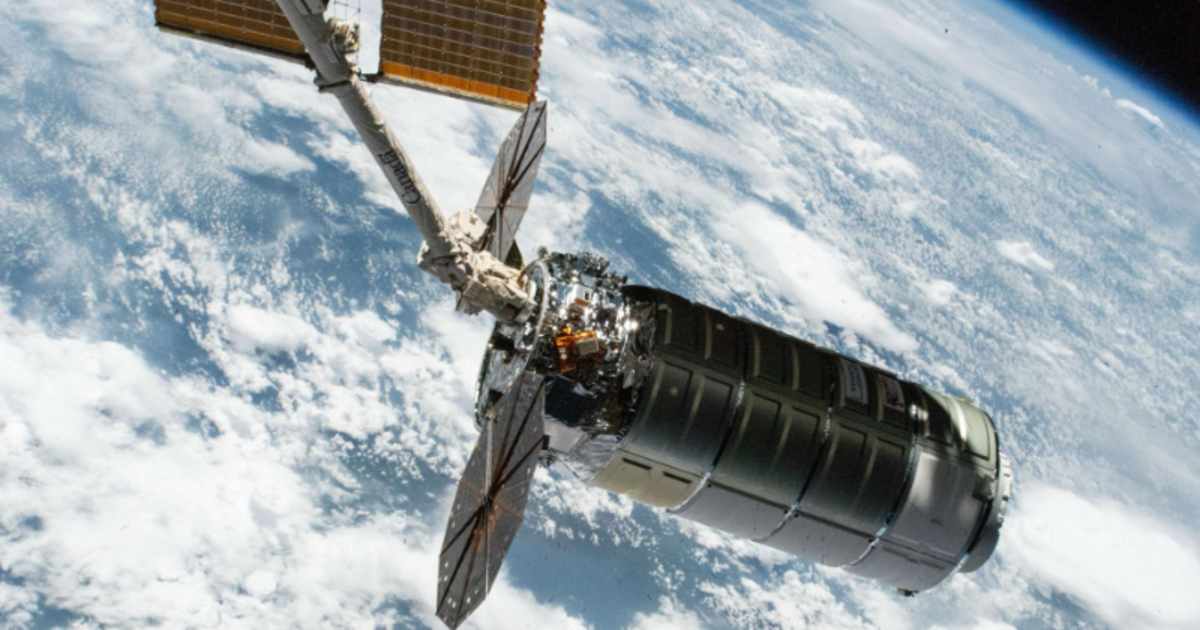
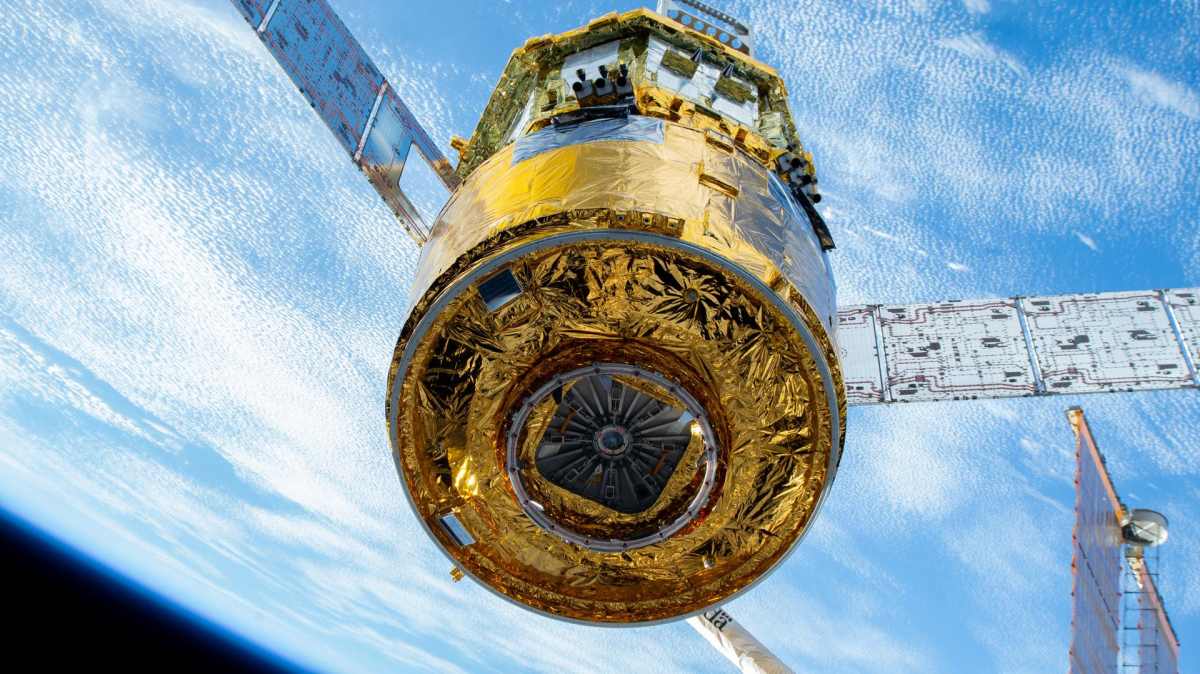
Last week saw the departure of JAXA’s HTV-X1 from the orbital lab. Canadarm2 detached it from the Harmony module's space-facing port last Thursday and parked it for an overnight sensor demonstration test before releasing it on Friday for a three-month-long remote science activity, following which it will make a fiery reentry through the Earth's atmosphere over the south Pacific Ocean. With the completion of the above-mentioned cargo spacecraft departures, more important tasks lie ahead on the ISS residents’ agenda. Meir and her Expedition 74 crewmate, Chris Williams, also of NASA, are slated to conduct a spacewalk in the upcoming days.
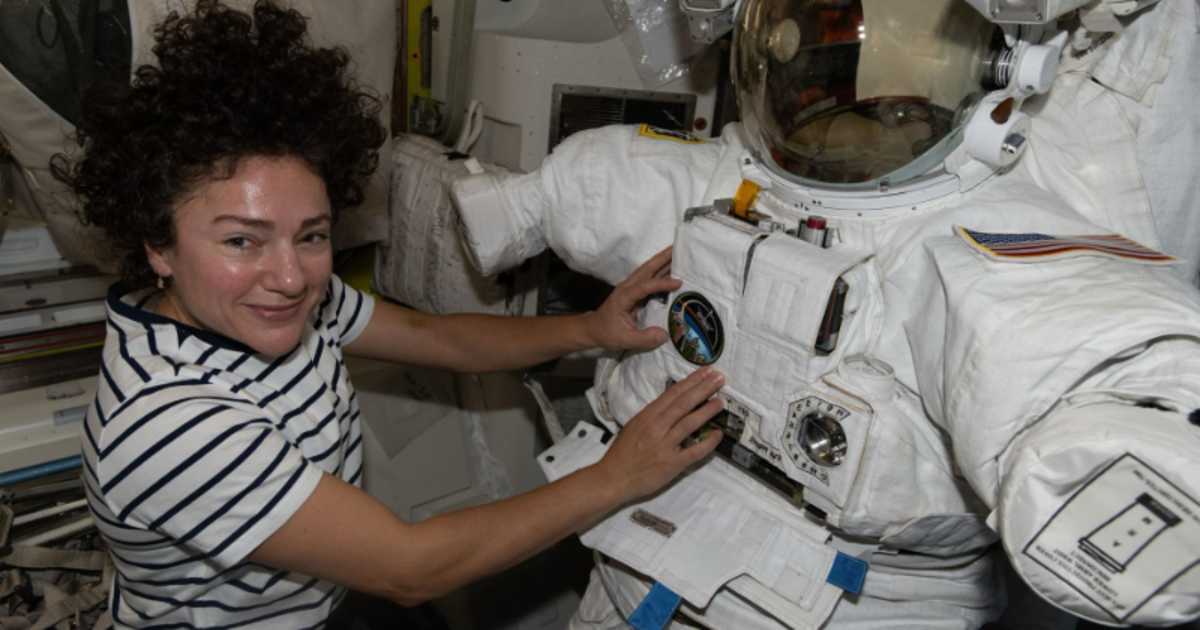
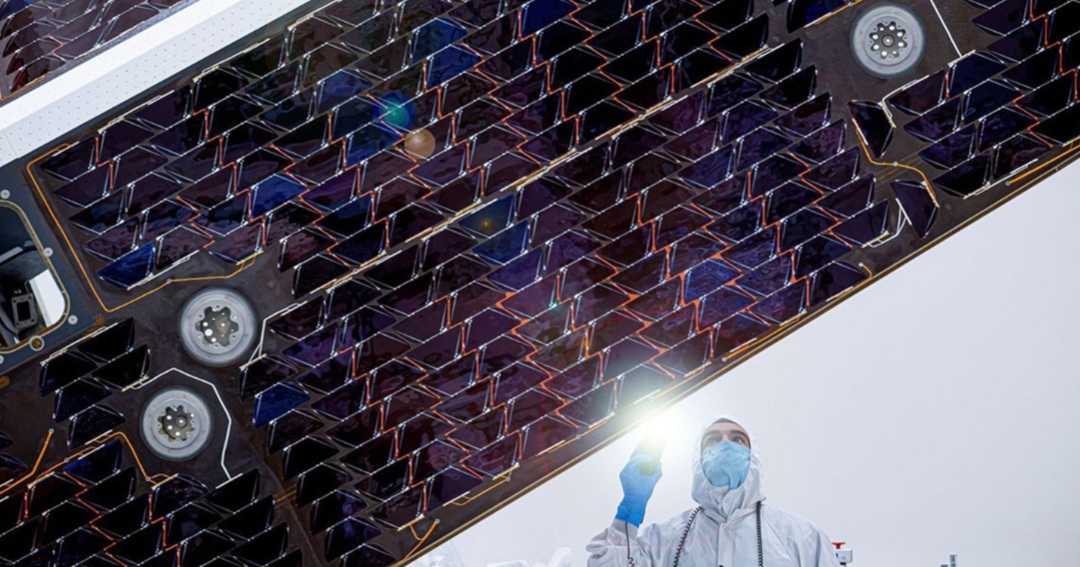
The pair worked together in the Quest airlock to configure the tools needed for the spacewalk. The purpose of this extravehicular activity (EVA) would be to make the necessary preparations for the installation of a new solar array, with activities including routing cables on the port side of the ISS as well as putting a modification kit in place. This roll-out solar array will arrive at the space station in a SpaceX Dragon capsule. While Meir and Williams will be operating in their spacesuits out in the vacuum of space, Adenot and NASA’s Jack Hathaway will be supporting their activities from within the orbital outpost.
Flight engineers Hathaway and Adenot trained with Canadarm2 to perfect the maneuvers they’ll need to perform during their fellow astronauts’ extravehicular activity. Besides these activities, members of Expedition 74 also participated in various studies. ISS commander Sergey Kud-Sverchkov and Sergei Mikaev of Roscosmos took part in cardiac research, wearing sensors on their fingers, toes, and forehead to collect blood flow data for analysis. Crew-12’s Andrey Fedyaev wore cuffs with electrodes for a 24-hour health-monitoring session aimed at recording his heart's electrical activity and blood pressure.
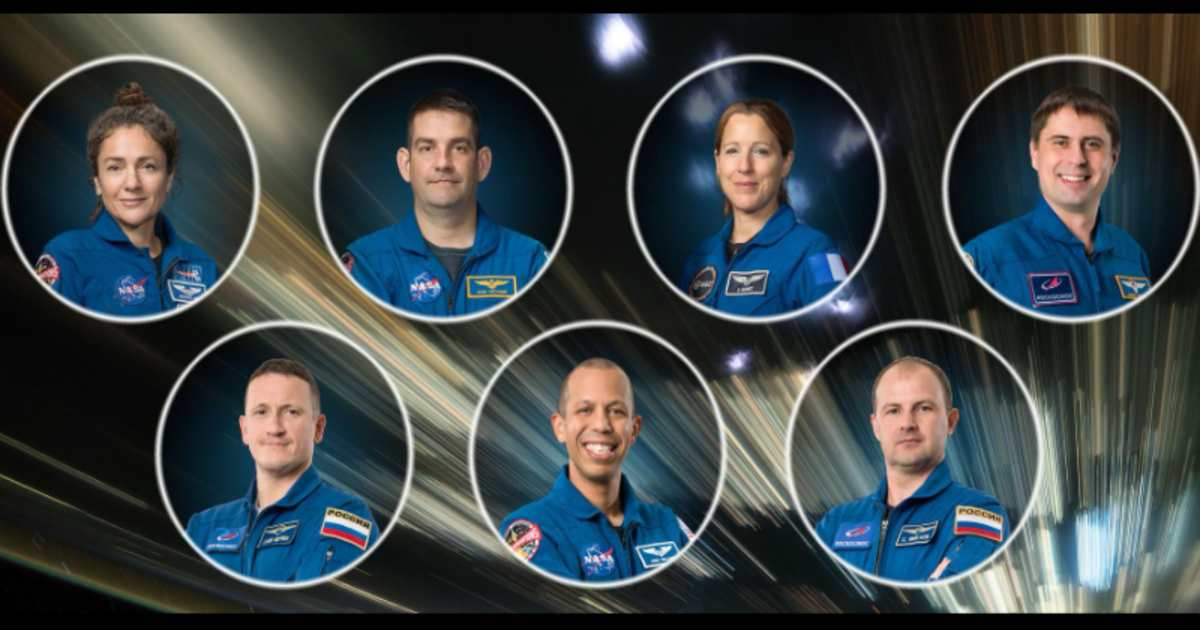
Meir, for her part, led the Venous Flow biomedical study in the ISS’s Columbus laboratory module. She operated a device called the Ultrasound 3 to scan Hathaway’s veins as his heart activity was being measured. It is known that the flow of blood changes in the microgravity of space, resulting in the risk of blood clots rising, especially for female astronauts. Studies to grasp crew members’ decision-making, visual tracking, and spatial orientation in weightlessness were also conducted, with Meir taking a cognition test. Sleep patterns were also documented, and saliva samples were collected for later analysis. In short, it was business as usual on the orbital outpost. As for the broadcast of the departure of the Cygnus XL spacecraft, it will begin at 6:45 am on NASA+, Amazon Prime, and the agency's YouTube channel.
More on Starlust
NASA astronaut Jessica Meir shares incredible video of aurora over Canada and Alaska from the ISS