SpaceX CRS-34 Dragon set to undock from ISS tomorrow: Here's how you can watch it live
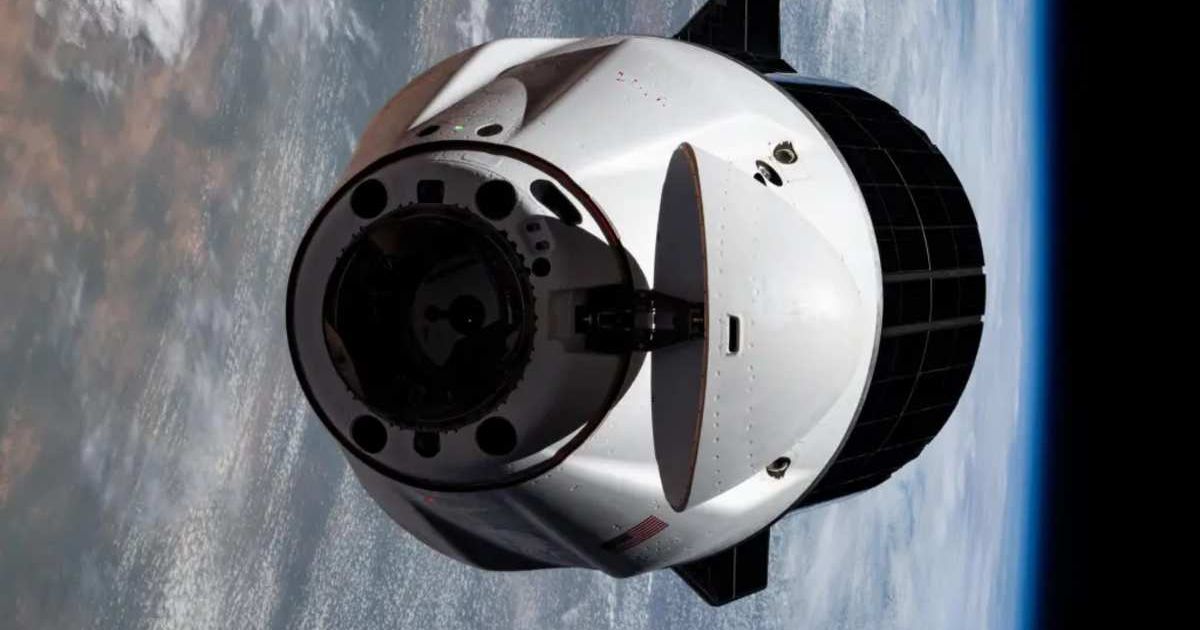
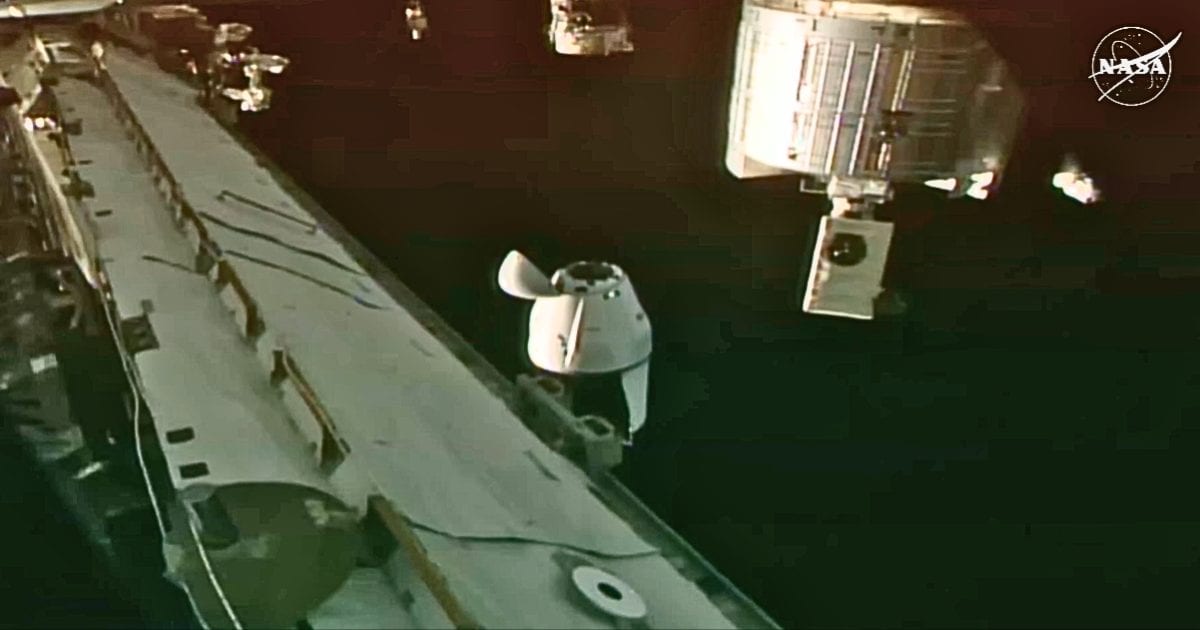
A SpaceX Dragon spacecraft is set to depart from the International Space Station tomorrow, June 16. Live coverage of the undocking will begin at 11:45 a.m. EDT on NASA+, Amazon Prime, besides the agency's YouTube channel and social media handles.
A science-packed @SpaceX Dragon spacecraft is scheduled to depart the orbital outpost on Tuesday, June 16, for return to Earth. Live undocking coverage begins at 11:45am ET on @NASA+. More... https://t.co/Qyqq1q13hy pic.twitter.com/H6ZMhfx1n9
— International Space Station (@Space_Station) June 12, 2026
Dragon will undock from the forward-facing port of the Harmony module at 12:05 p.m. after receiving instructions from its controllers at SpaceX. The spacecraft will then gradually move away from the ISS with the aid of its thrusters. The following day, the capsule will experience a fiery re-entry before splashing down in the Pacific Ocean off the Californian coast at around 8:08 a.m. A live video broadcast of this particular stage of the return will not be available on the aforementioned platforms, although one can follow the NASA blog for updates.
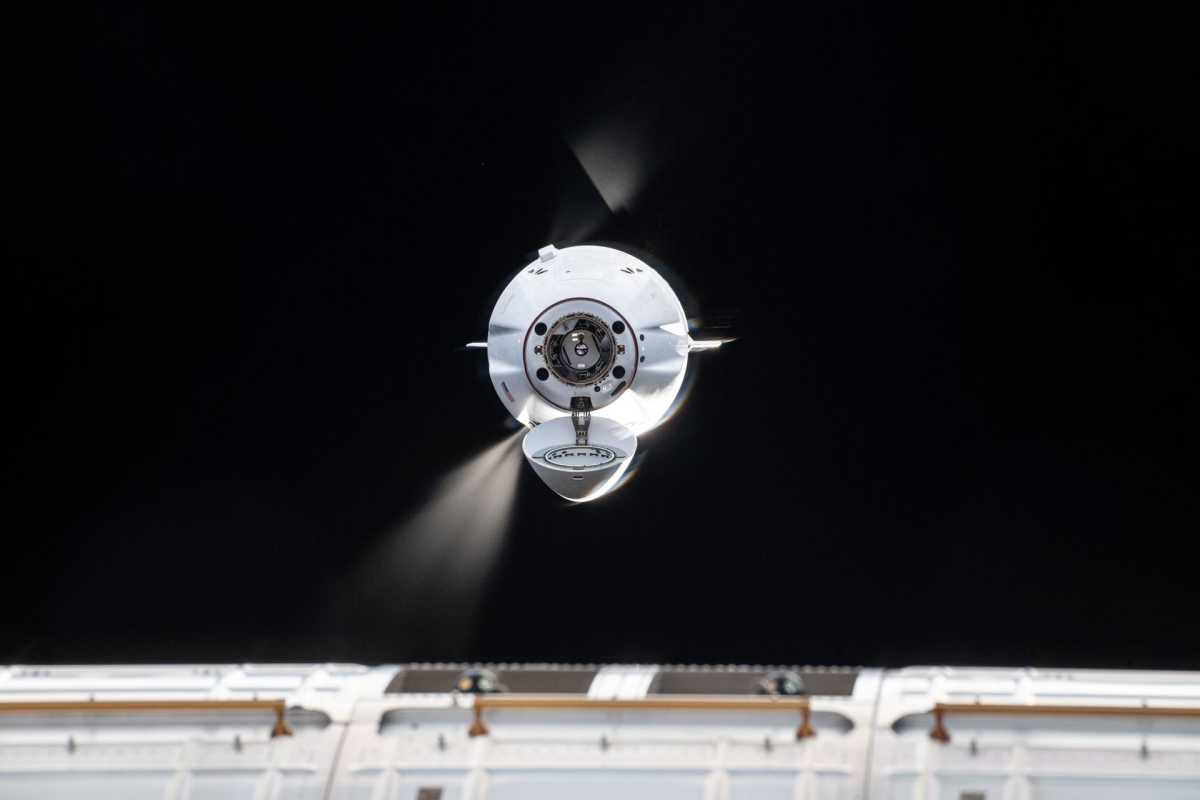
Of course, Dragon will not be returning to Earth empty-handed. The payload, weighing thousands of pounds, will include scientific samples that could inform future space exploration missions, besides improving life on Earth. Biomedical experiments being brought back include bioprinted organ and cartilage tissue, as well as what has been called "DNA‑inspired materials." The latter will aid in the development of new cancer treatments. The returning hardware, meanwhile, includes an absorbent bed used for the filtration of trace contaminants from cabin air, a separator pump, and an eye-imaging device. The spacecraft will also be bringing back data on improving cryogenic fuel storage that will help in the advancement of space exploration capabilities.
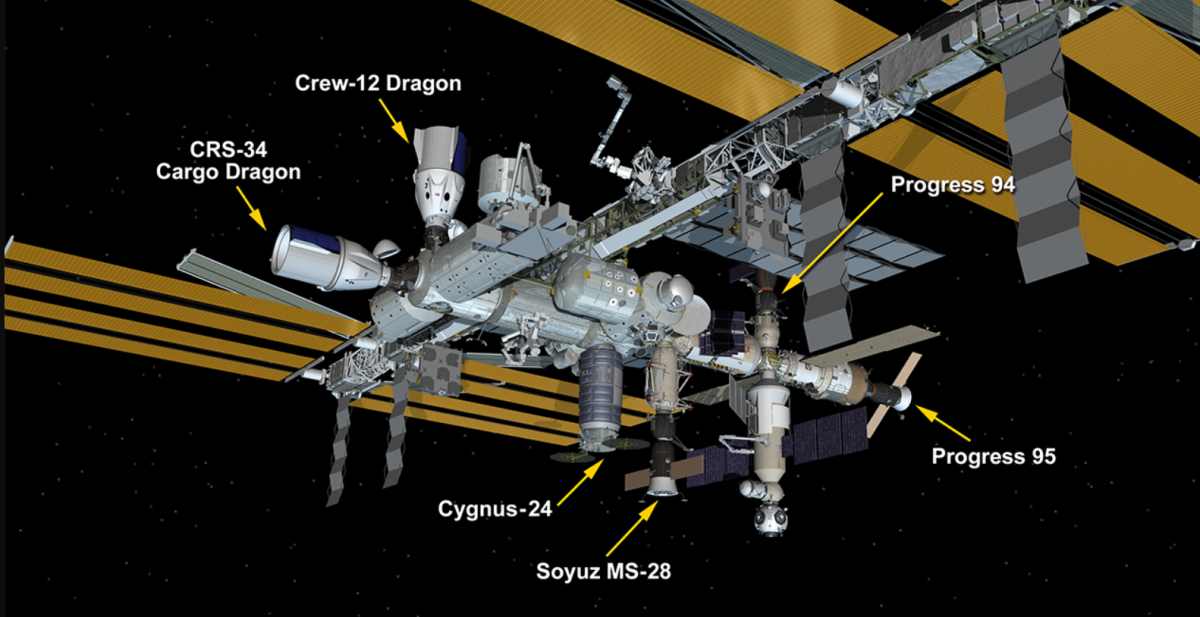
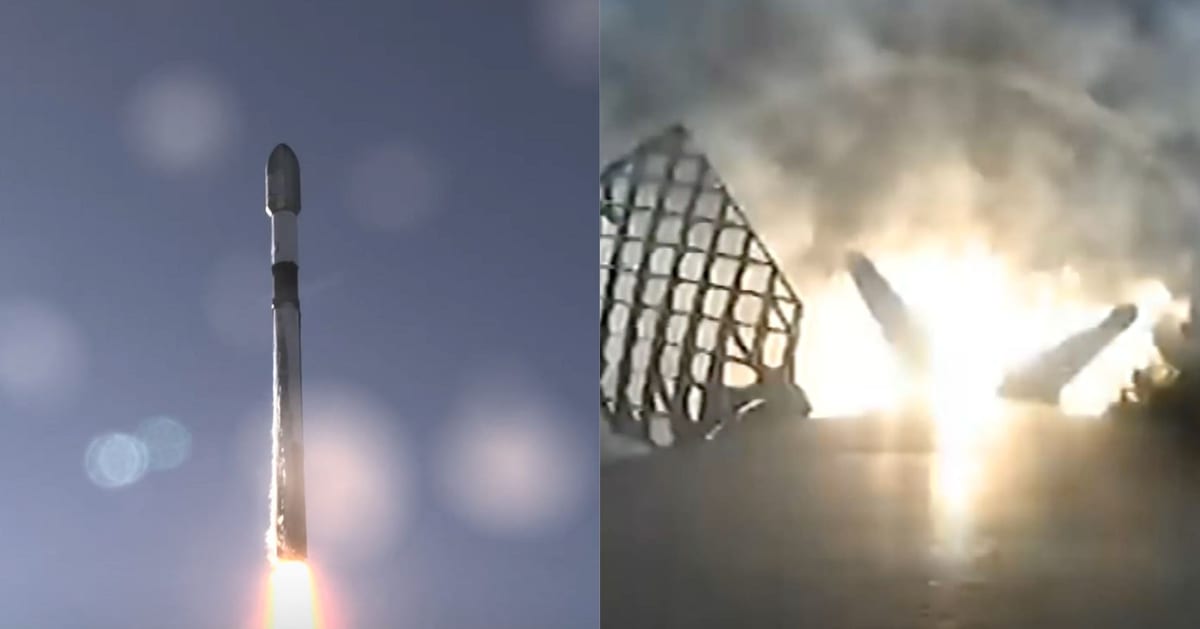
The Dragon capsule in question launched on top of the standard Falcon 9 rocket on May 15 for the 34th SpaceX Commercial Resupply Services (CRS-34) mission from Space Launch Complex 40 at the Cape Canaveral Space Force Station in Florida. Loaded with around 6,500 pounds of cargo, it docked with the ISS two days later on May 17. CRS-34 marked the sixth flight of the spacecraft, which had previously flown on CRS-22, CRS-24, CRS-27, CRS-30, and CRS-32.
More on Starlust
Russian cargo spacecraft Progress 95 arrives at ISS with 3 tons of food, fuel and supplies
Blue Origin vs. SpaceX: How their landers fit into Artemis III