Prep week at ISS: Crew prepares for March spacewalk and departure of JAXA’s HTV-X1
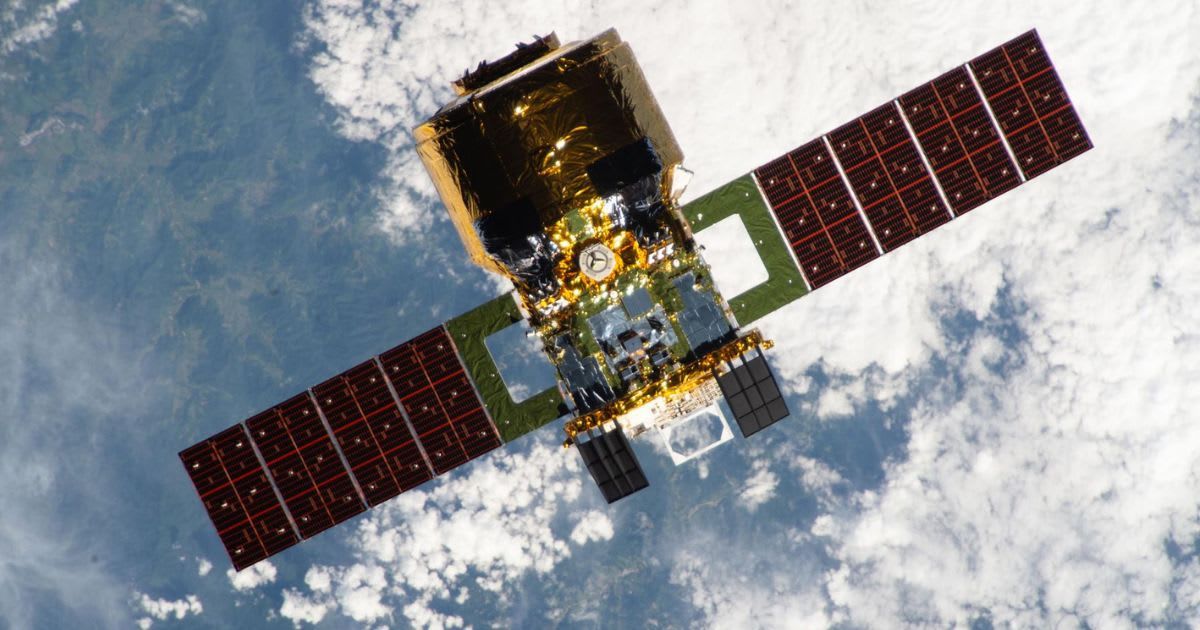
The International Space Station’s Expedition 74 is currently busy preparing for an upcoming spacewalk. At the same time, the crew is also getting the Japan Aerospace Exploration Agency’s (JAXA) HTV-X1 ready for departure, according to NASA. The spacewalk had initially been planned sometime in January but was postponed to later this month. As for the Japanese cargo craft, it is scheduled to depart Friday, March 6.
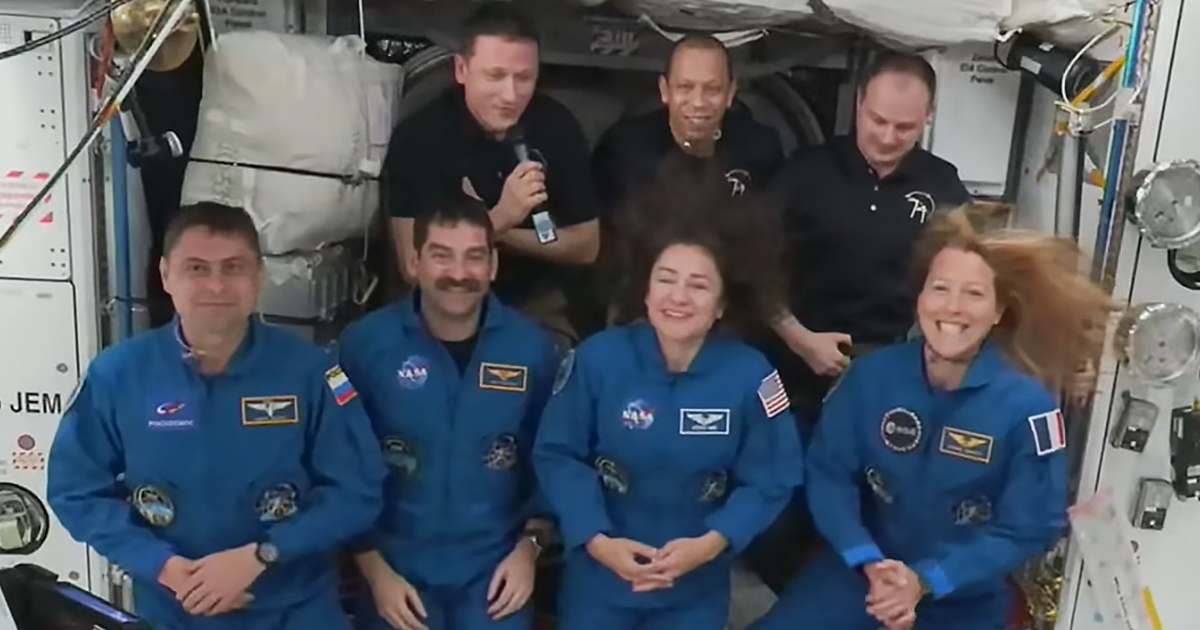
NASA flight engineers Chris Williams and Jack Hathaway unstowed spacesuit components and staged the hardware inside the Quest airlock. Meanwhile, NASA flight engineer Jessica Meir reconfigured the spacesuits, installing and swapping components. Hathaway and ESA Flight Engineer Sophie Adenot later reviewed more procedures related to suit-up, communication protocols, airlock assistance for spacewalkers, and more.
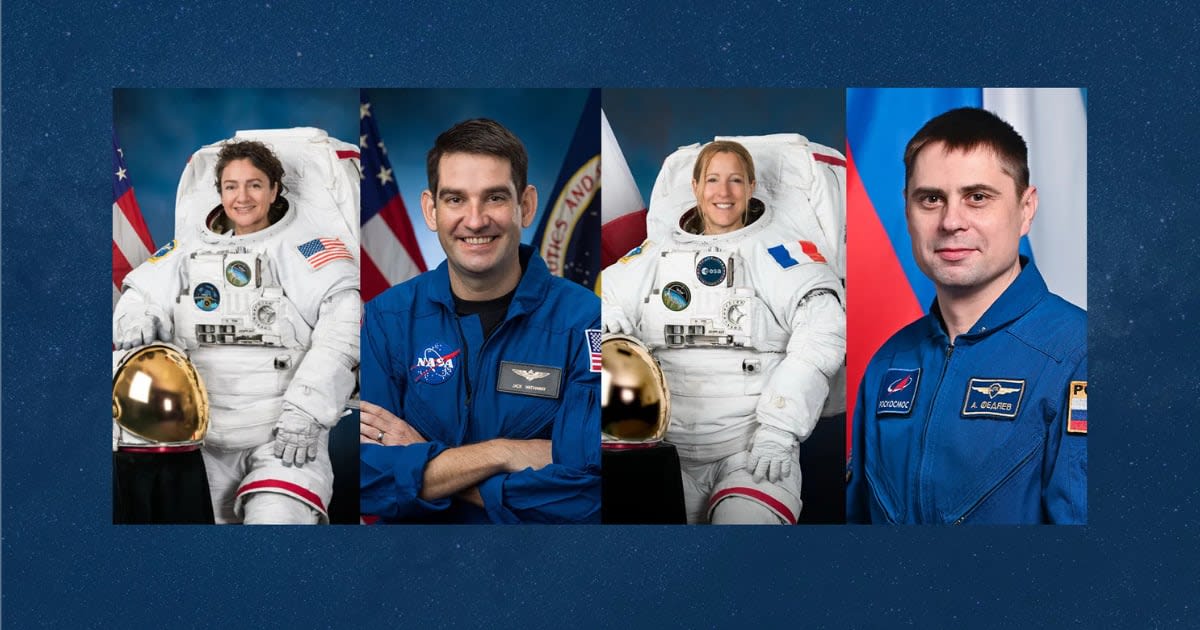
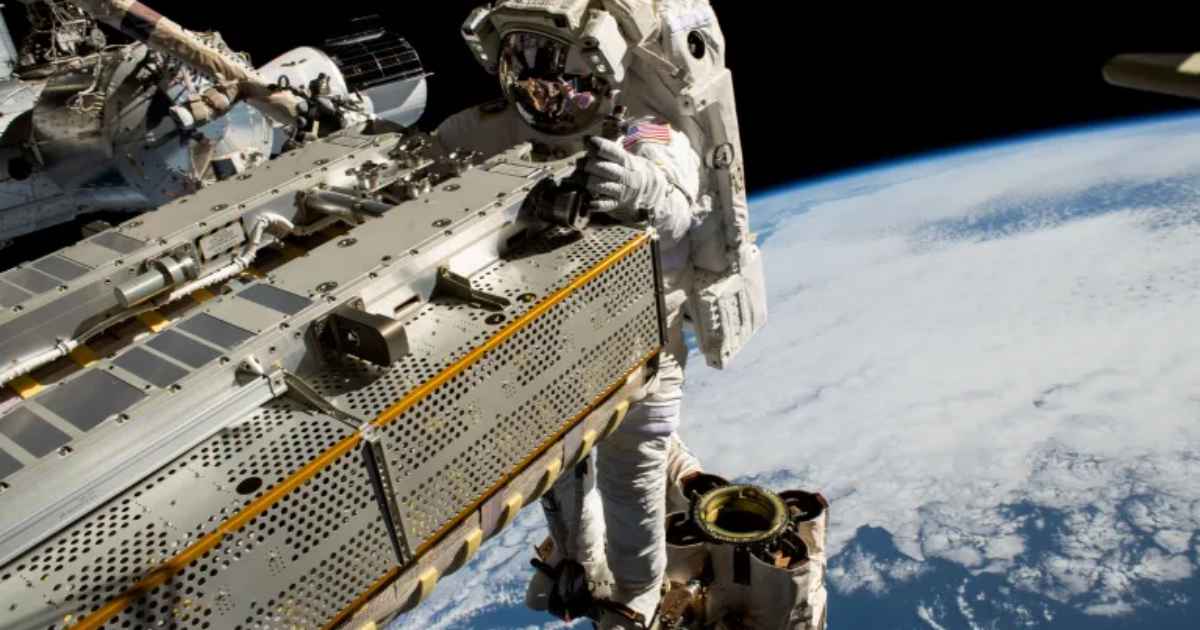
The purpose of the upcoming spacewalk is to mainly install a modification kit and route cables on the port side of the ISS. This would accommodate a future roll-out solar array installation. There is no confirmed date yet for this upcoming EVA (extravehicular activity), except that it’s scheduled for March, and it would mark the calendar year’s first spacewalk.
October on the orbital outpost saw the arrival of Japan's new HTV-X1 cargo spacecraft with fresh supplies for the Expedition 73 crew and two spacewalks to install a science experiment, clean windows, and move robotics gear. pic.twitter.com/DJEpMJmce9
— International Space Station (@Space_Station) November 14, 2025
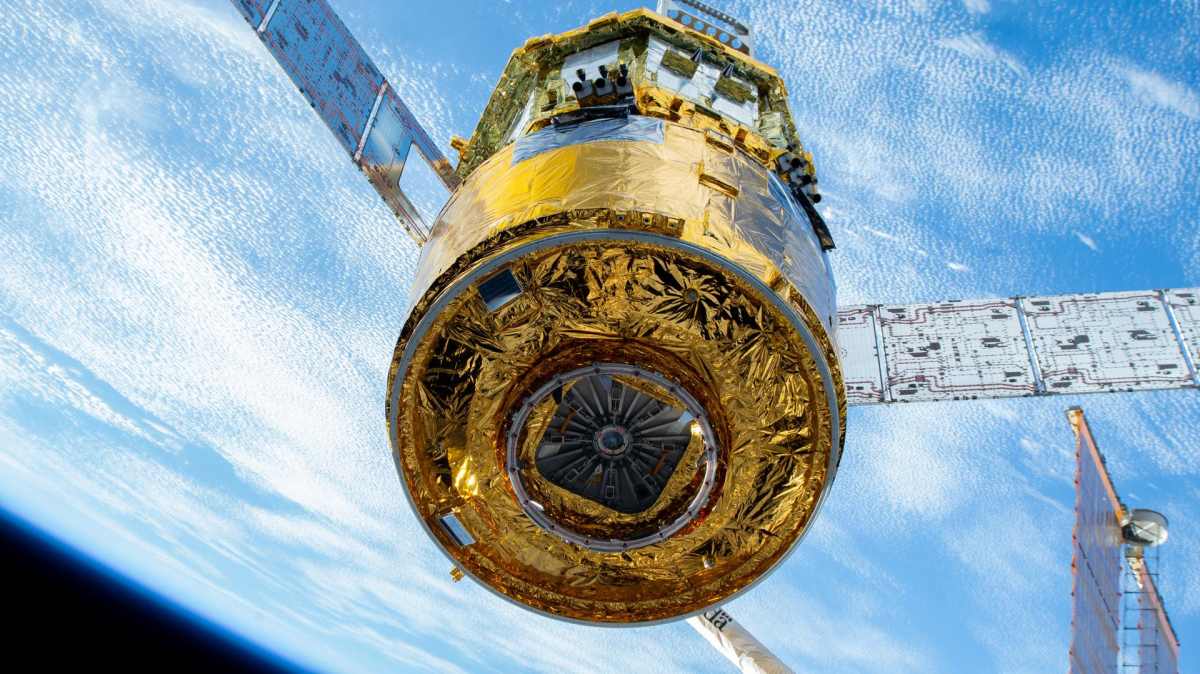
JAXA’s HTV-X1 is the other point of focus onboard the ISS this ‘prep week.’ The Japanese cargo craft was launched in October 2025 from Tanegashima Space Center. On Thursday, March 5, HTV-X1 will be robotically detached from the Harmony module, and it will remain parked near the station overnight for a sensor test. The next day, Canadarm2 will release it into orbit at 12 pm EST on Friday. Live coverage of the procedure will begin at 11:45 am EST (NASA+, Amazon Prime, YouTube).
This week, Chris Williams trained specifically for the Canadarm2 release procedures and revisited protocols for monitoring the spacecraft’s departure. Meanwhile, Jessica Meir packed the cargo craft with trash and discarded equipment, since one of its main functions is orbital waste disposal. After its release on Friday, HTV-X1 will conduct three months of remote science activities before returning to the Earth above the south Pacific Ocean.
Preparing for the upcoming spacewalk and the Japanese spacecraft’s exit weren’t the only ‘prep week’ tasks onboard the ISS. In the Kibo laboratory module, Flight Engineer Williams installed and configured two small robotic arms, aimed to test precision mobility and experiment in microgravity.
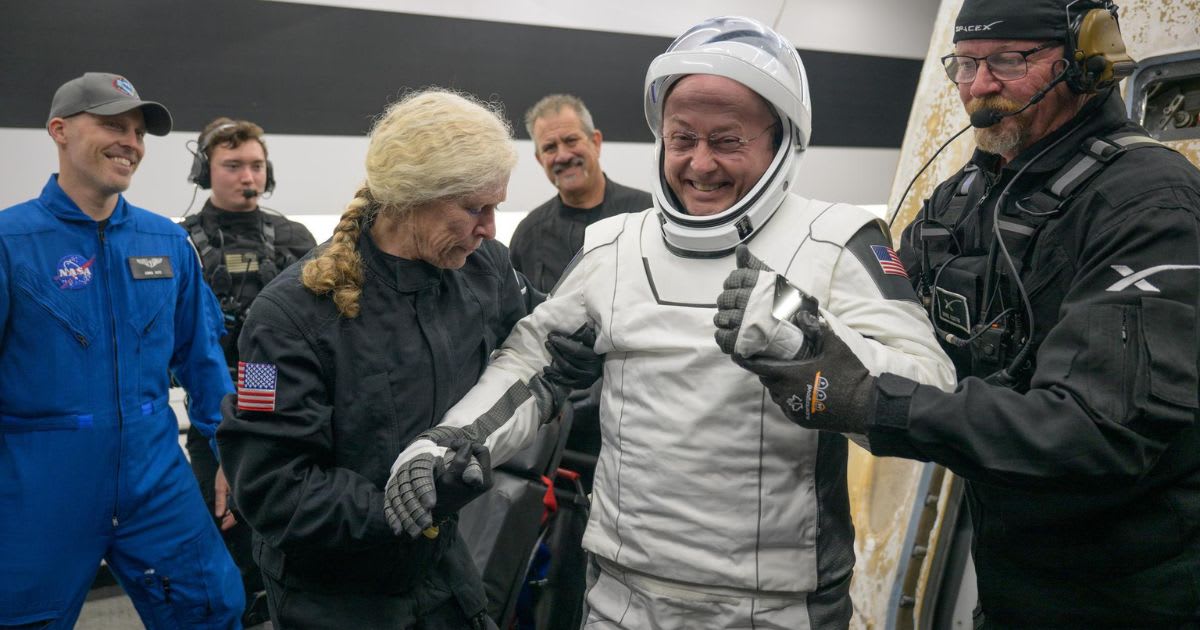
Apart from robotics, the crew members of Expedition 74 also conducted tests on themselves for understanding human physiology in orbit, which is also routine. ESA’s Adenot completed a cognition test to measure the neurological impact of microgravity. Hathaway and Meir used the Destiny module exercise cycle for cardiovascular monitoring. Keeping track of factors like heart rate or cognition is essential, as it could be crucial not just for research but also to ensure the astronauts' general well-being.
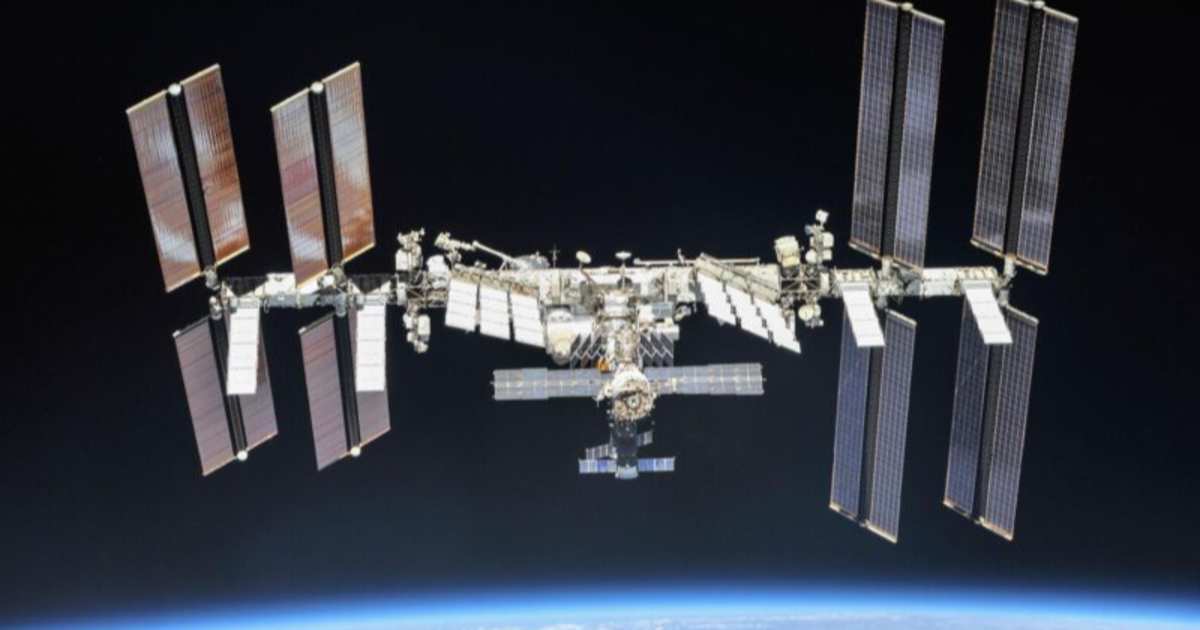
As for the Roscosmos segment, flight engineers Sergei Mikaev and Andrey Fedyaev tested AI tools to see how they could improve communication, efficiency, and the maintenance of crew logs. Station commander Sergey Kud-Sverchkov conducted a photographic inspection of Zvezda service module windows before trying his hand at using molecular beams to grow semiconductor structures in an ultra-high vacuum. As evident from joint efforts from NASA, ESA, JAXA, and Roscosmos, even in these preparation procedures, the ISS continues to be a collaborative hub for all leading agencies.
More on Starlust
NASA and Vast sign an order to give the company the sixth private astronaut mission to the ISS
Russia reveals plan to build a new space station using recycled modules from the ISS