Buck Moon 2026: How to photograph July's Full Moon with your smartphone
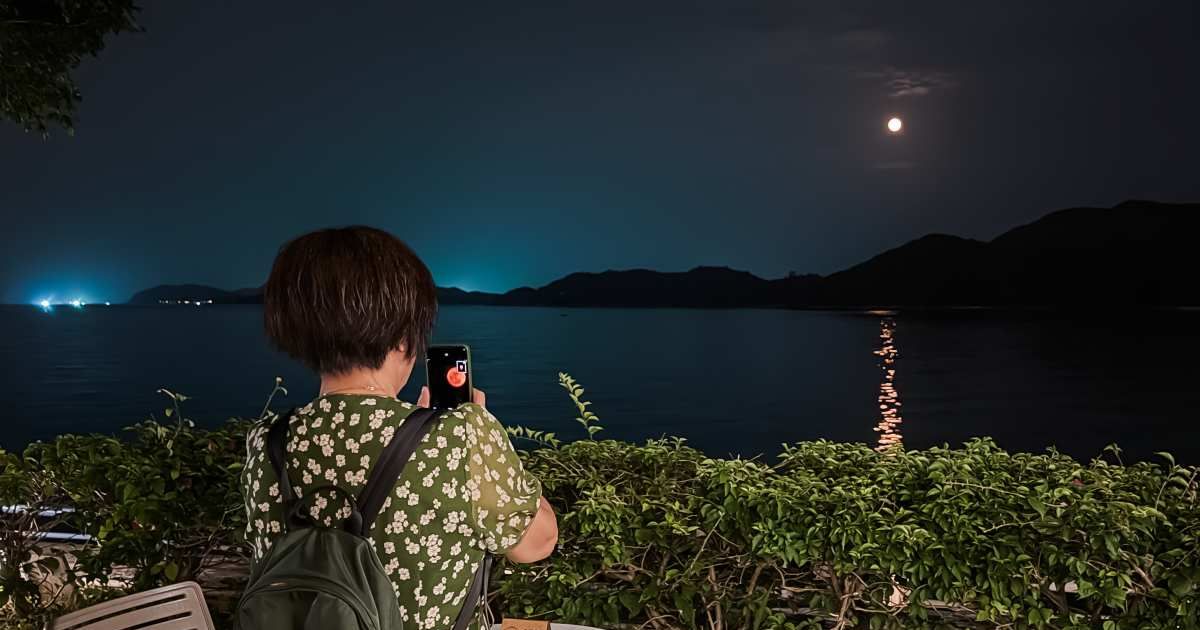
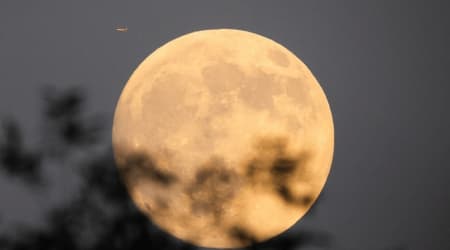
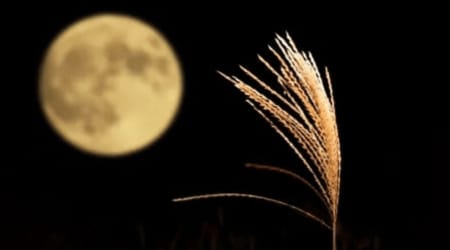
Skywatchers are in for gorgeous views of the Buck Moon when it reaches peak illumination on July 29, 2026. If weather conditions allow, July's full moon will become visible as it rises from the southeastern horizon right after the Sun sets. The evenings and nights of July 28 and 30 will also present viewers with opportunities to capture what will be nearly a fully-lit near side of the Moon. While photographing the Moon in all its glory might sound daunting, modern smartphone tech and a little understanding of photography are often enough to be able to photograph our only natural satellite without spending a bomb on professional equipment.
Lock your focus and drop brightness
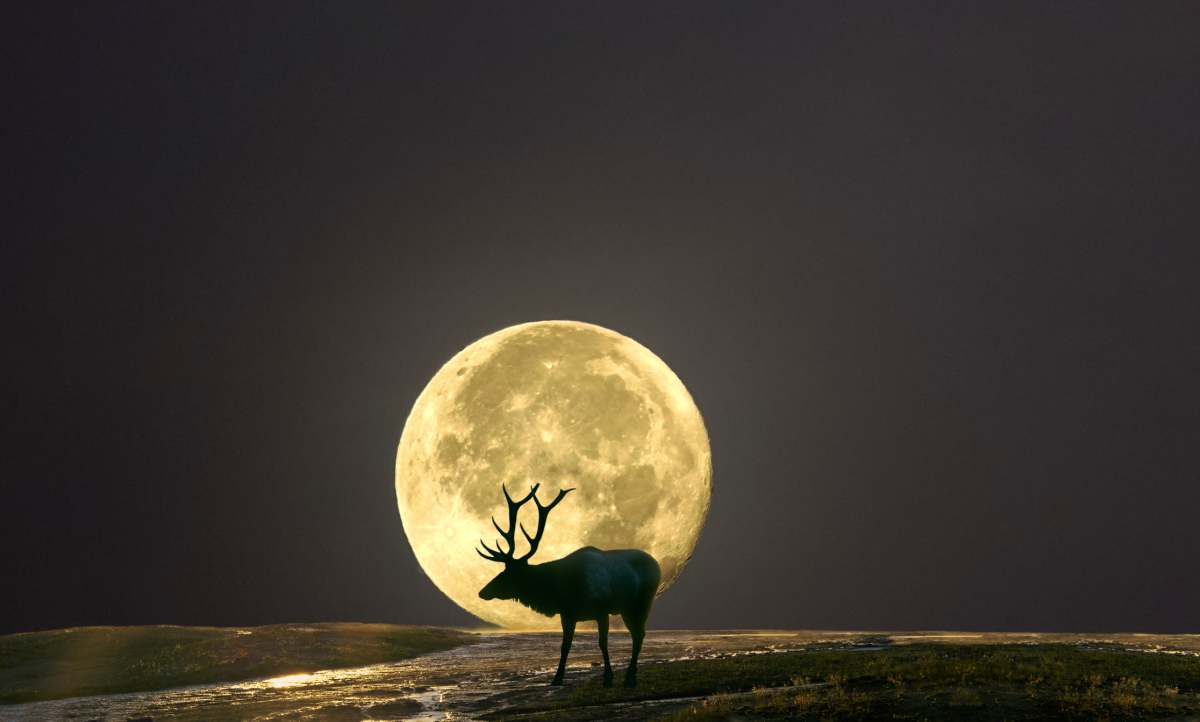
The biggest mistake when photographing the Moon is letting your phone's preset settings dictate how the image should look. In most Android and iOS smartphones, one can tap on the subject (the Moon in this case) to focus on it. Typically, a slider will allow you to drop the brightness as you focus, so as to reduce the amount of light being captured. When you do this, the Moon should appear gray rather than a bright white.
Stabilize the camera and use a timer
Even tiny movements and touches with one's hand while holding a phone can ruin a shot of the Moon. Because capturing the Moon requires zooming in on a relatively small, distant target, any movement of your hand gets drastically magnified in the image, blurring the details of the lunar surface. The best way to avoid this is to set up a timer and prop the phone against something stable. Alternatively, if you have one, you can use a tripod for a stable shot.
Use manual mode and adjust ISO
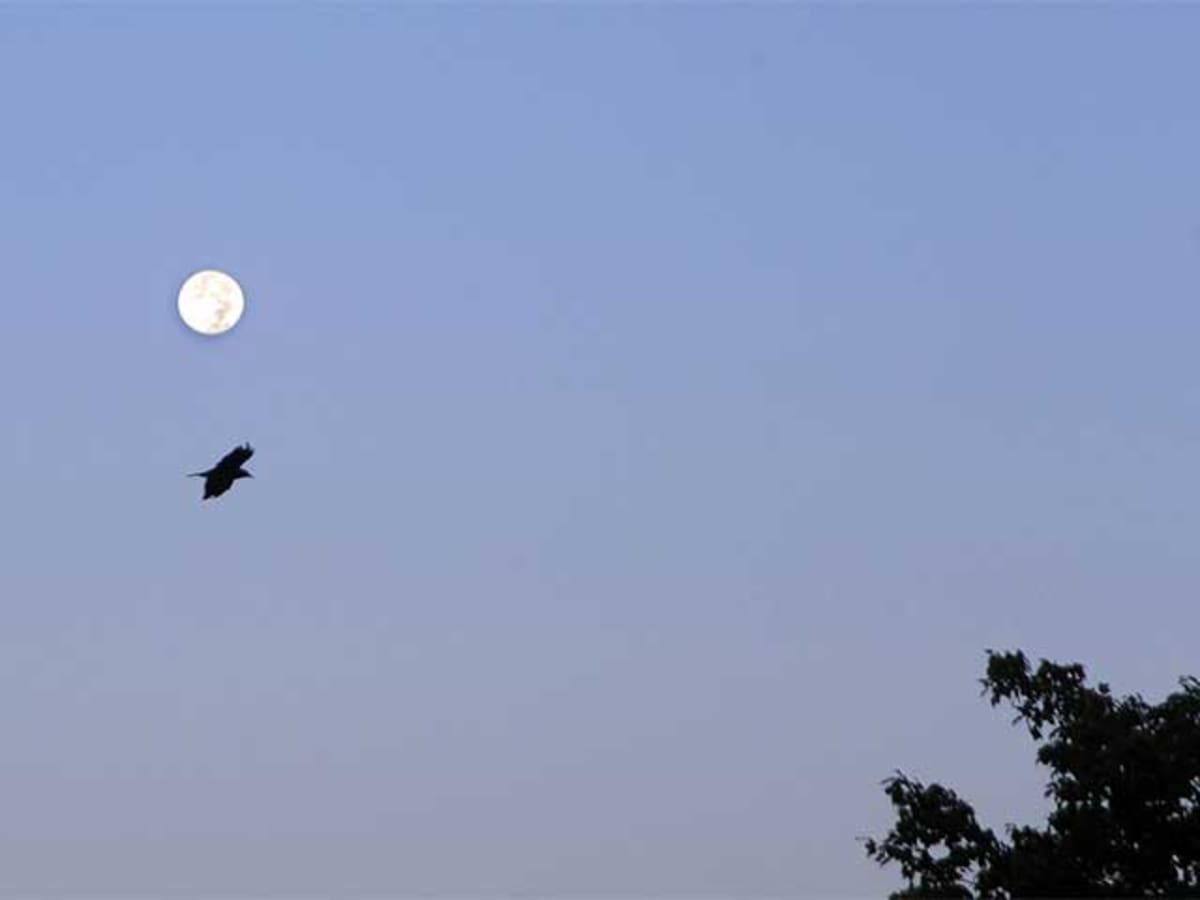
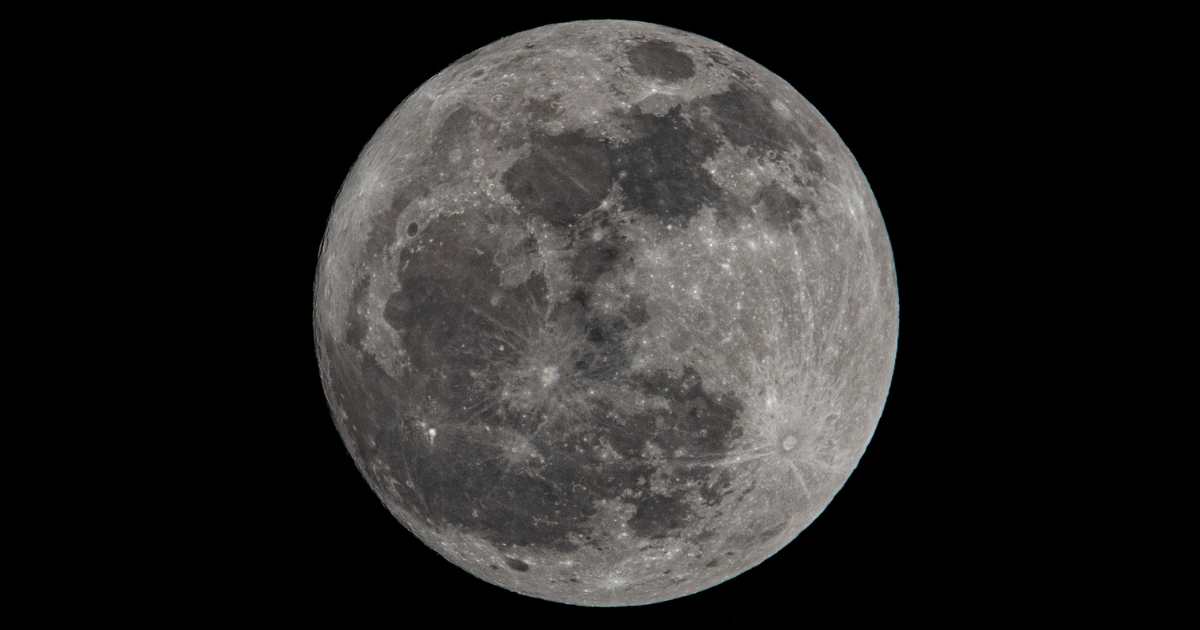
Exposure, or the amount of light being captured, is key, and these settings can usually be accessed using a smartphone's manual or 'pro' modes. While smartphones often default to 'Night Mode' with longer shutter speeds in the dark, you should actively disable this feature if you're looking to photograph the Moon. This is because the Moon is directly illuminated by the Sun, so leaving the shutter open for longer periods will result in too much light being captured, washing out the image. Instead, you want a fast shutter speed (often 1/125 of a second or faster) to capture details of the without overexposing and making the image a washed out white. If your phone does have a manual mode, the option of ISO (sensitivity to light) should also be dropped to a minimum to reduce image 'noise' and allow lunar features to be distinguishable.
Timing and composition
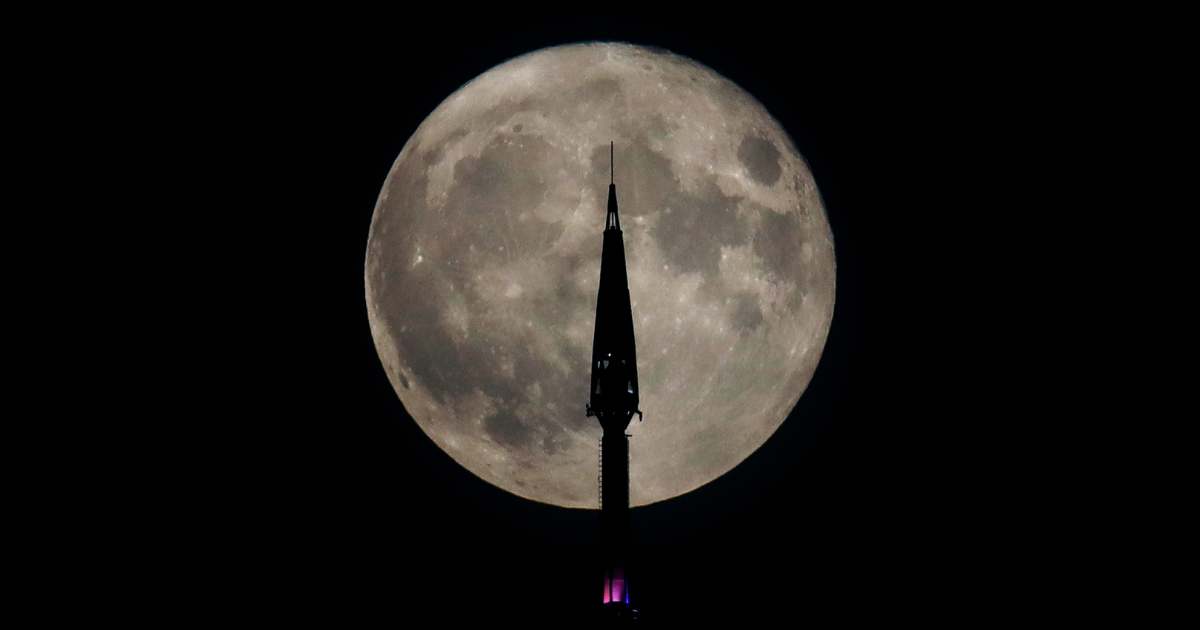
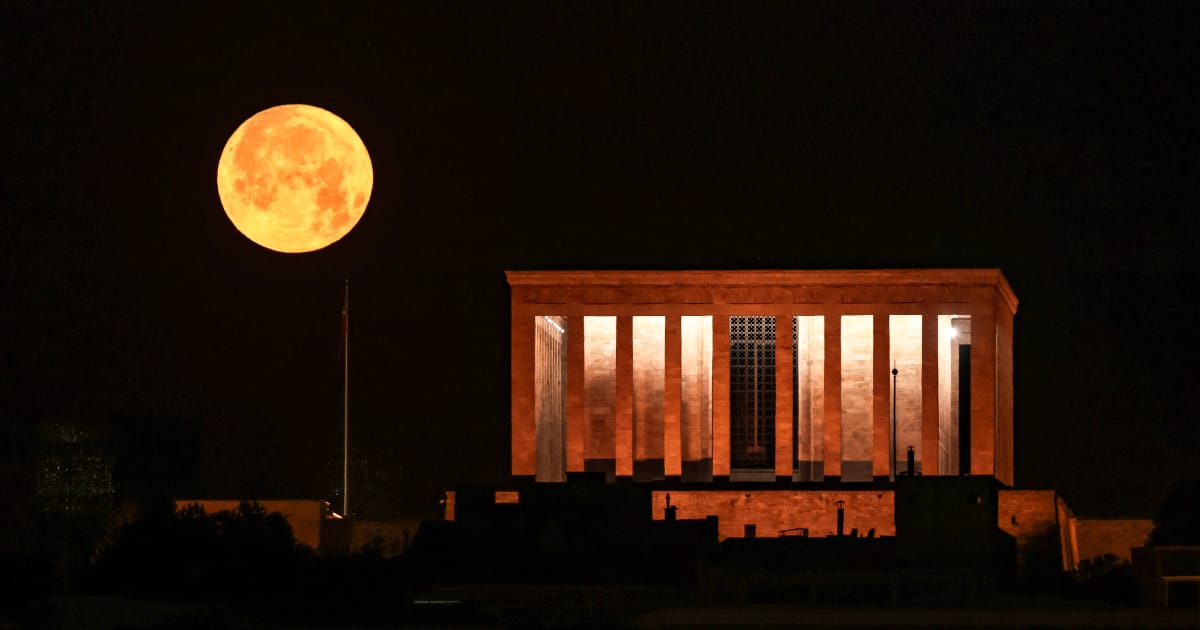
To reduce the contrast with a darkened sky that makes the Moon appear like a blob of white light with no discernible features, one should be prepared to capture the Moon immediately after it rises when the sky is still has some lingering light after sunset. At this time, landforms and buildings near the horizon could also form part of the frame, which can be used for adding context to a photo. If your phone doesn't feature optical zoom, the digital zoom option is best left as is, since it only crops the composition to make the image appear zoomed. Make sure to keep the flash off as well.
Take many pictures
It is highly recommended to experiment with different amounts of naturally available light between dusk and dawn to suit your particular device and settings. These can be affected by your location and the Buck Moon timings there. One should also take a large number of pictures while adjusting the aforementioned settings—this will lead to a wide variety of shots to choose from, and ensure the best combination (and image) emerges at the end.
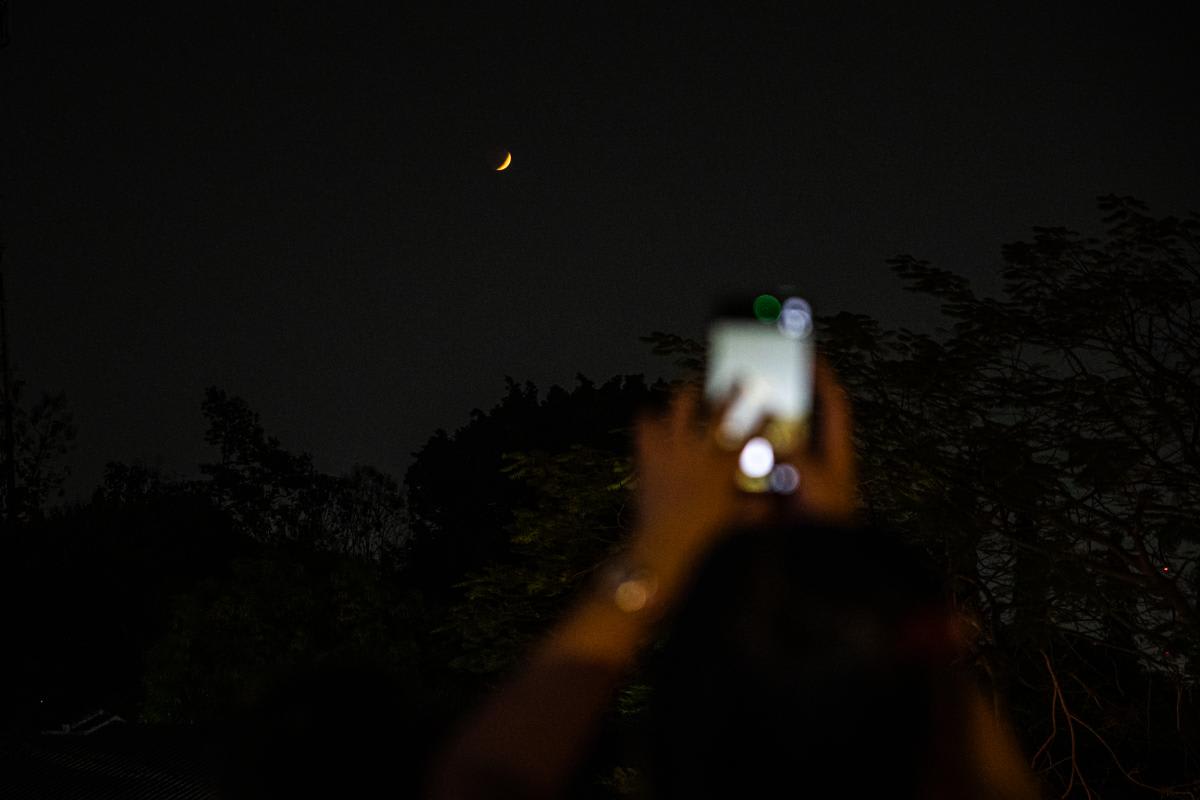
Dedicated equipment for capturing the skies, such as telescopes or specialized cameras, are not always readily available to photography enthusiasts. Purchasing such equipment doesn't come on a budget either, and can run into hundreds if not thousands of dollars, which often cannot be justified by amateurs or novice photographers. However, with the above tips and perhaps a few accessories like a small telescope paired with a phone, one can make the best of their tiny sensors to produce decent results.
More on Starlust:
Best astronomy events of summer 2026: Buck Moon, total solar eclipse and more celestial shows
Buck Moon 2026: Five little-known facts about July's Full Moon