NASA set to roll out Artemis III SLS core stage section on April 20—here's all you need to know
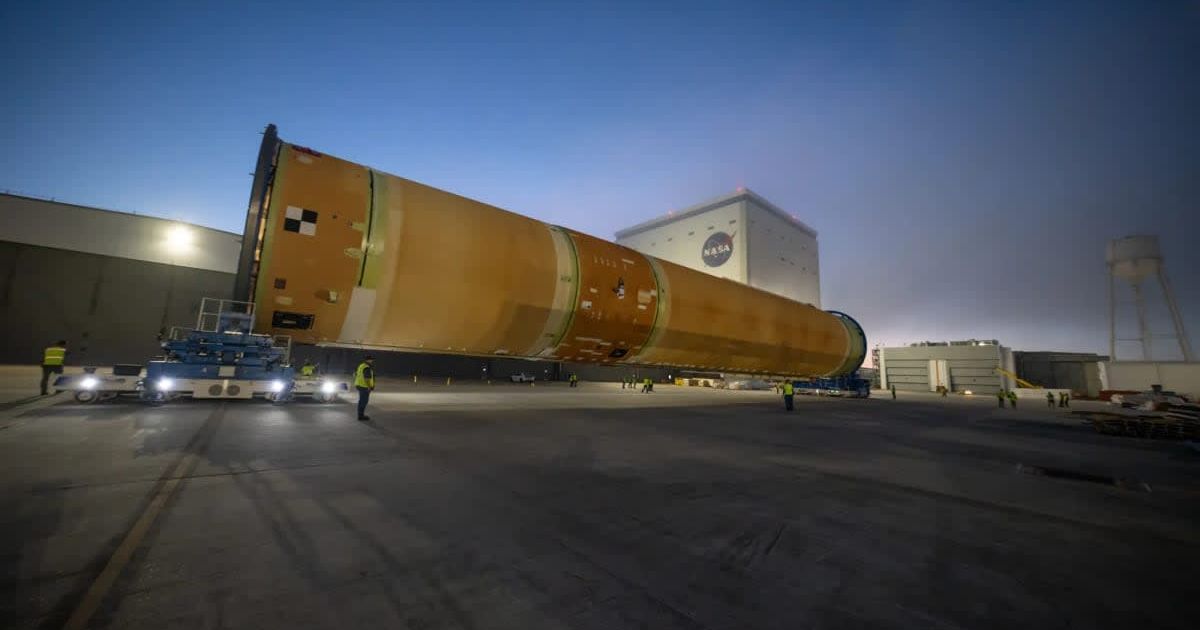
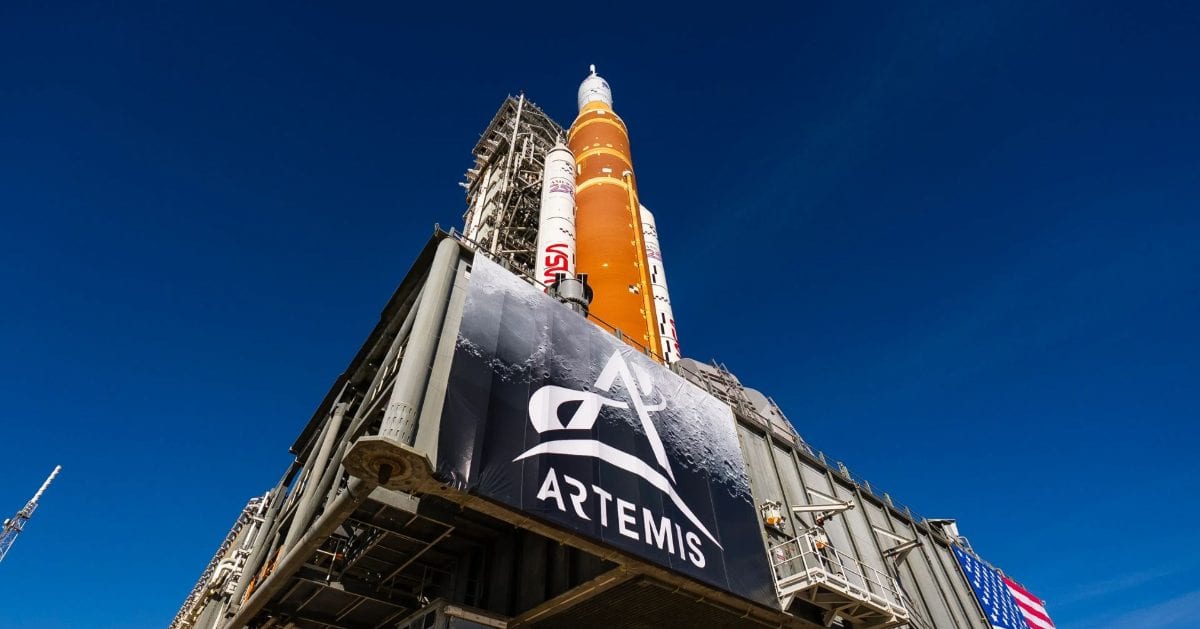
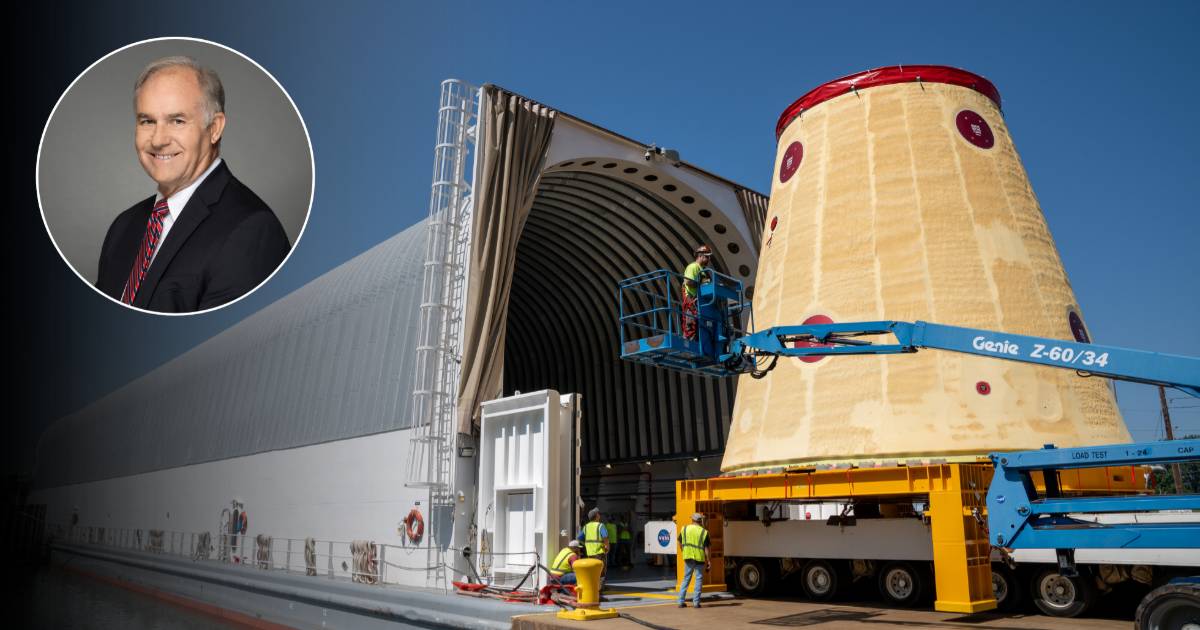
While the world may still not be over Artemis II, NASA is getting ready for a major milestone in the preparations to get Artemis III off the ground. On Monday, April 20, 2026, the American space agency is going to roll out the largest section of the Space Launch System (SLS) rocket to be used for what will be the second crewed mission of the Artemis program.
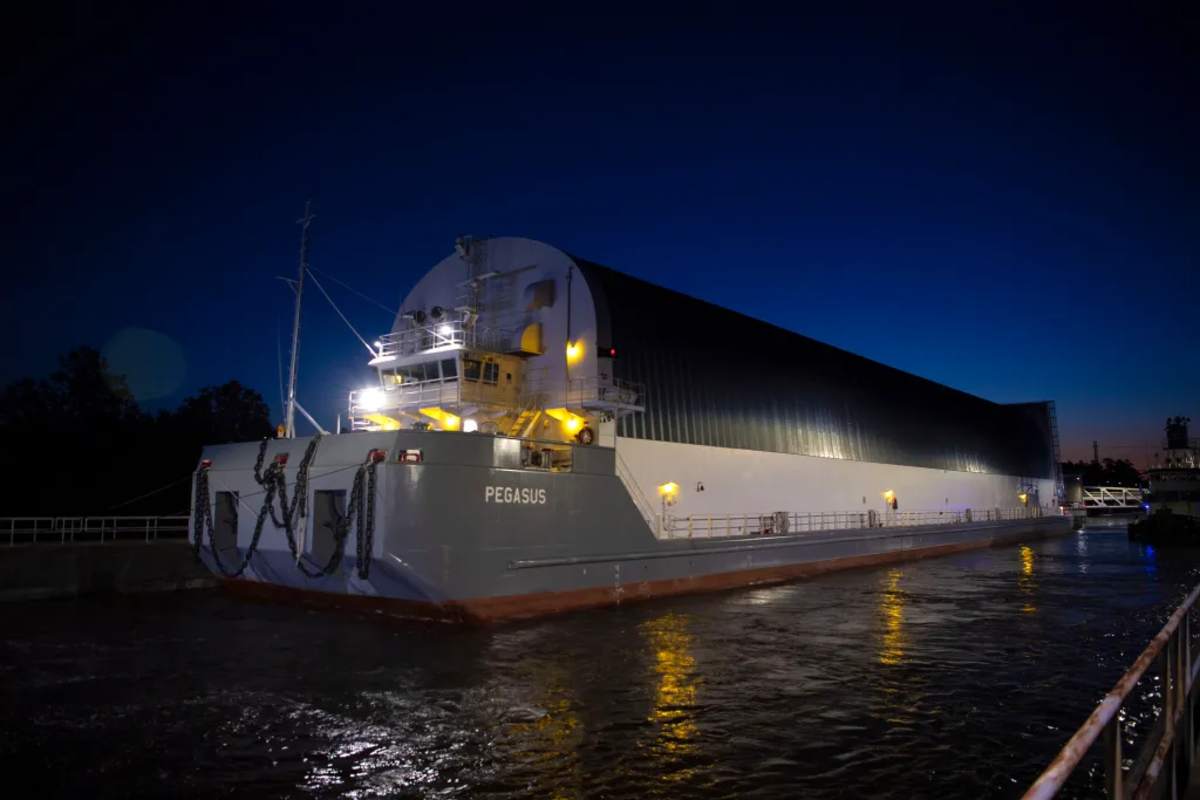
Containing the liquid hydrogen and liquid oxygen tanks, along with the intertank and the forward skirt, four fifths of the SLS core stage will travel on NASA's Pegasus barge from NASA's Michoud Assembly Facility in New Orleans, where all five major structures for the rocket stage are manufactured, to the Kennedy Space Center in Florida. "Once at NASA Kennedy, teams will complete the stage outfitting and vertical integration before handing the hardware over to the agency’s Exploration Ground Systems Program that will handle stacking and launch preparations," wrote NASA in its news release. The engine section of the rocket, along with the boat tail that protects the engines during launch, is already there at the Vehicle Assembly Building, having been transported there from the Space Systems Processing Facility at Kennedy last year in July.
Now scheduled to launch in mid-2027 under the revamped roadmap, Artemis III will not see astronauts land on the Moon. Instead, it will involve Orion docking with either one or both of the commercially sourced lunar landers in low-Earth orbit. This will allow NASA to test out integrated operations between the vehicles before it sends astronauts back to the Moon again with the objective of landing them on the surface with Artemis IV in 2028. Artemis II, in fact, saw pilot Victor Glover manually pilot Orion as part of a proximity operations demonstration, which essentially simulated docking using the jettisoned interim cryogenic propulsion stage as a proxy target. The docking mechanism for Artemis III is already there at Kennedy, with the latest version (V3) of SpaceX's Starship close to a test flight and Blue Origin's Blue Moon lander set to attempt a lunar landing later this year.

The four RS-25 engines manufactured by L3Harris Technologies, which will provide over 2 million pounds of thrust to the SLS rocket, are scheduled to be shipped from the agency's Stennis Space Center in Bay St. Louis, Mississippi, no later than July of this year for integration into the engine section. At around 14 feet in height, the RS-25 engines were used as the Space Shuttle Main Engine (SSME) and flew as many as 135 successful space shuttle missions. Of course, they have gone through upgradation for their use in the Artemis program. These include new engine controllers and software and the addition of nozzle insulation to protect them from the solid rocket booster exhaust.
And splashdown!
— NASA Administrator Jared Isaacman (@NASAAdmin) April 11, 2026
America is back in the business of sending astronauts to the Moon and bringing them home safely.
Reid, Victor, Christina, and Jeremy did an outstanding job. These talented astronauts inspired the world and represented their space agencies and nations as… pic.twitter.com/wOioBBvGhX
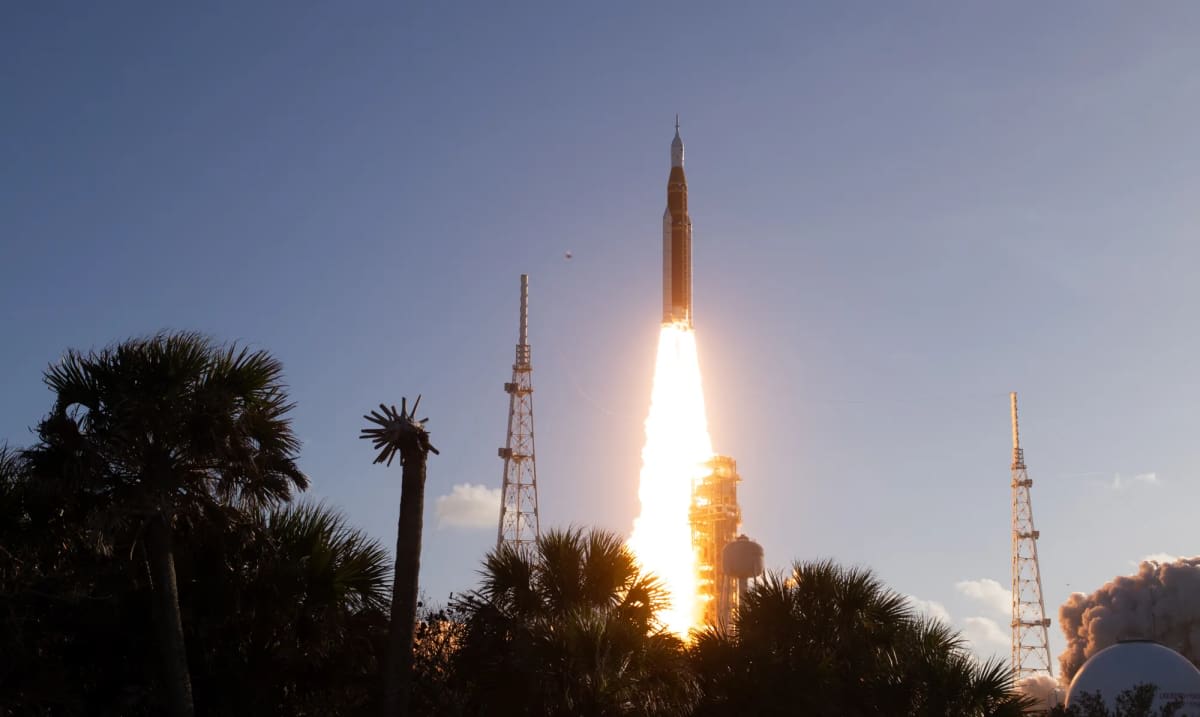
The Artemis II crew splashed down in the Pacific Ocean at 8:07 p.m. EDT on Friday, April 10. And while NASA Administrator Jared Isaacman celebrated their return, he also made it a point to reiterate that it was, at the end of the day, a "test flight," thereby issuing a reminder that the program still has a long way to go. The Artemis III flight crew is yet to be announced, but it is only a matter of time.
More on Starlust
Artemis II in numbers: 10 facts about NASA’s historic Moon mission