LVM3 rocket: All about India's heavy-lift rocket that has set a new payload mass record
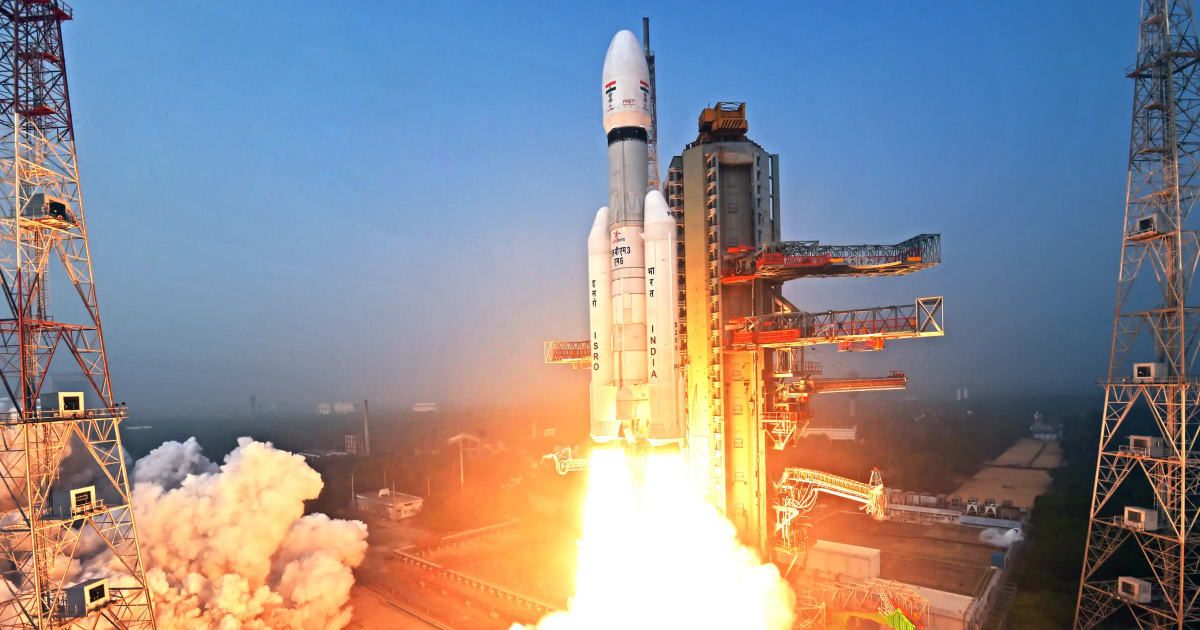
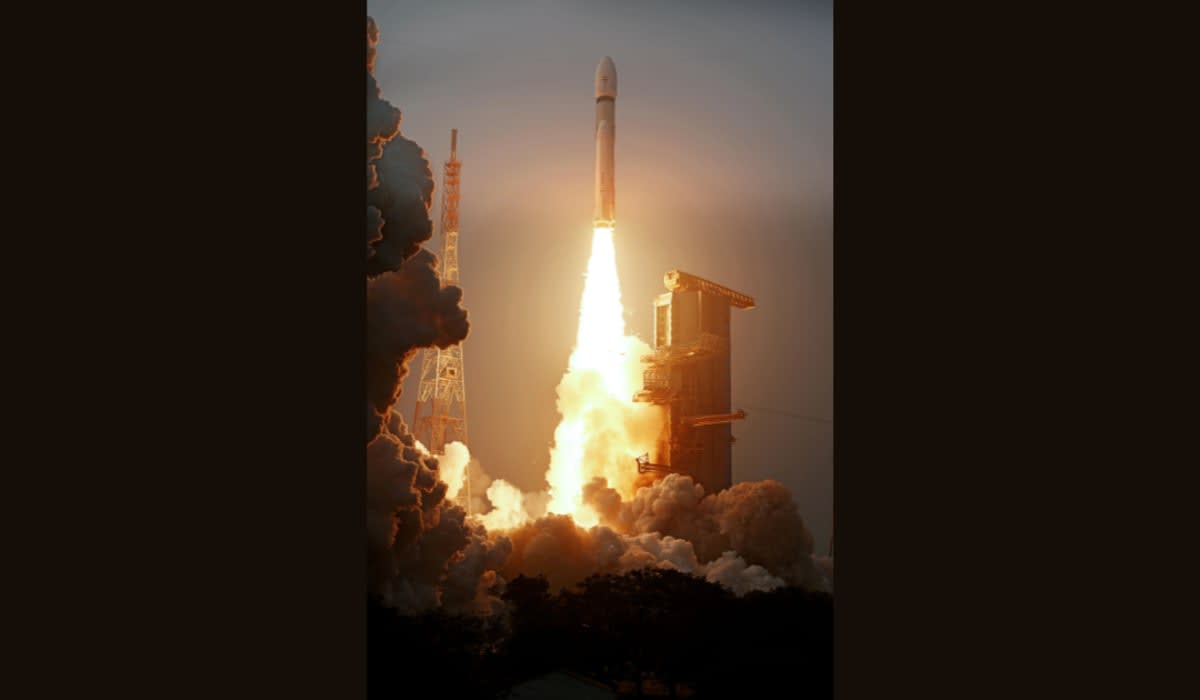
India's heavy-lift launch vehicle, the LVM3, added another milestone to its growing legacy last week. The commercial LVM3-M6 mission, which lifted off from the Satish Dhawan Space Centre in Sriharikota, Andhra Pradesh, at 8:54 am IST (8:24 pm EST on December 23), saw the successful deployment of the BlueBird Block-2 communication satellite of AST SpaceMobile (USA) into low-Earth orbit, marking the LVM3's sixth operational flight and setting a new payload mass record (6,100 kg or 6.7 tons).
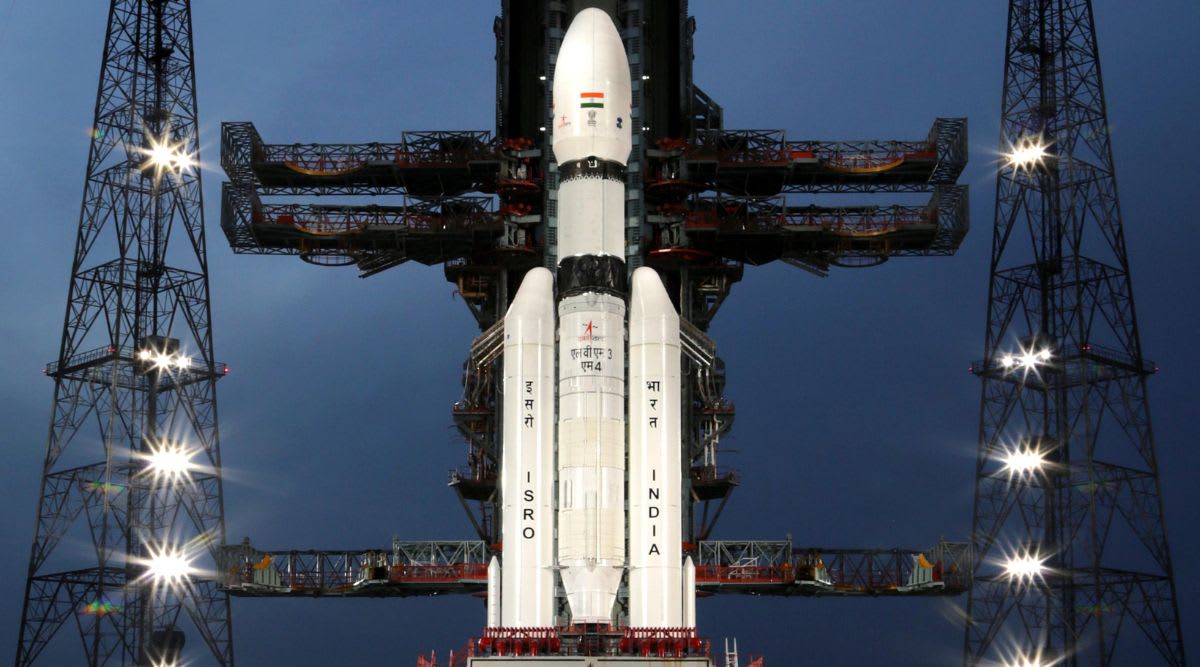
Developed by the Indian Space Research Organisation, LVM3 is India's most powerful launch vehicle. It is a 3-stage rocket consisting of two solid strap-on boosters (S200), a liquid core stage (L110), and a cryogenic upper stage (C25). Standing at 43.5 meters tall with a lift-off mass of 640 tonnes, LVM3 is capable of carrying up to 4,200 kg (4.6 tons) to Geosynchronous Transfer Orbit (GTO). Over the years, it has proven its reliability by launching flagship missions such as Chandrayaan-2, Chandrayaan-3, and two OneWeb missions carrying a total of 72 satellites. Its previous flight, LVM3-M5/CMS-03, was completed on November 2, 2025, further cementing confidence in the vehicle.
Indian Prime Minister Narendra Modi was elated and quickly took to X to write, "A significant stride in India’s space sector. It strengthens India’s heavy-lift launch capability and reinforces our growing role in the global commercial launch market." According to DD News, the Prime Minister has set a bold target of sending the first Indian astronaut to the Moon by 2040, showing his determination to have India join the exclusive club of nations capable of landing humans on the lunar surface.
A significant stride in India’s space sector…
— Narendra Modi (@narendramodi) December 24, 2025
The successful LVM3-M6 launch, placing the heaviest satellite ever launched from Indian soil, the spacecraft of USA, BlueBird Block-2, into its intended orbit, marks a proud milestone in India’s space journey.
It strengthens… pic.twitter.com/AH6aJAyOhi
ISRO Chairman V. Narayana also lauded the mission. "[The] Launch vehicle has successfully and precisely injected the BlueBird Block 2 communication satellite in the intended orbit," he said, per Firstpost. "This is the first dedicated commercial launch for a customer from the USA, that is AST SpaceMobile… This is our 104th launch from Sriharikota, also the ninth successful mission of the LVM-3 launch vehicle, demonstrating its 100 per cent reliability."
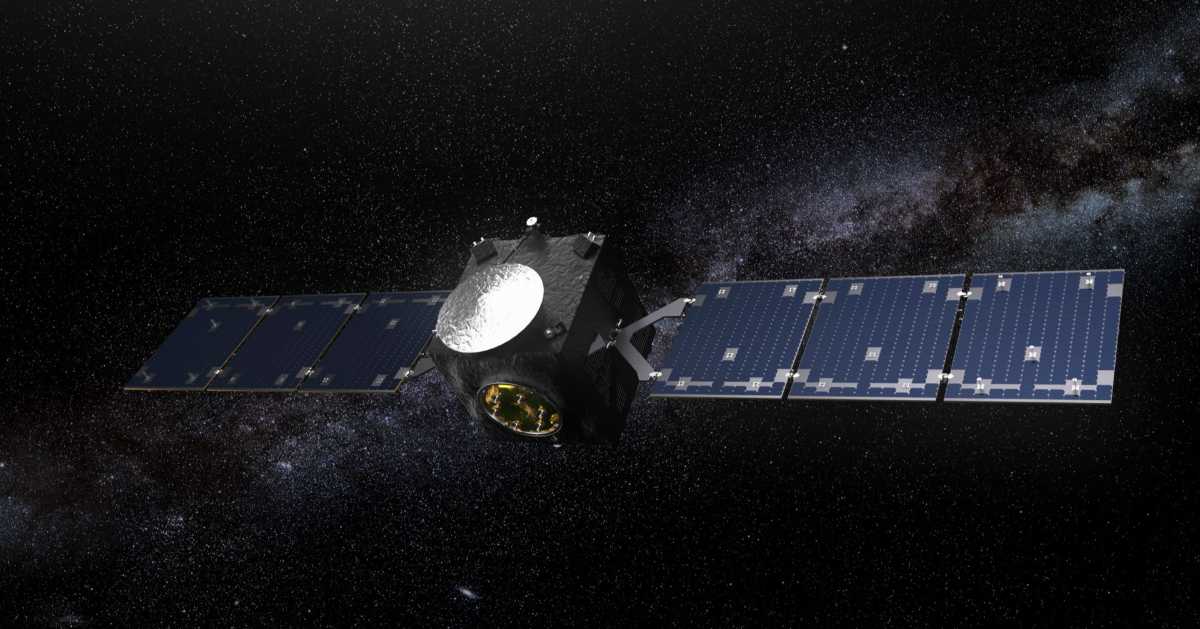
BlueBird Block-2 is part of AST SpaceMobile’s next-generation satellite fleet designed to deliver space-based cellular broadband connectivity directly to standard mobile smartphones. Unlike traditional satellite communication systems that require specialised terminals, these satellites aim to connect phones without additional hardware. 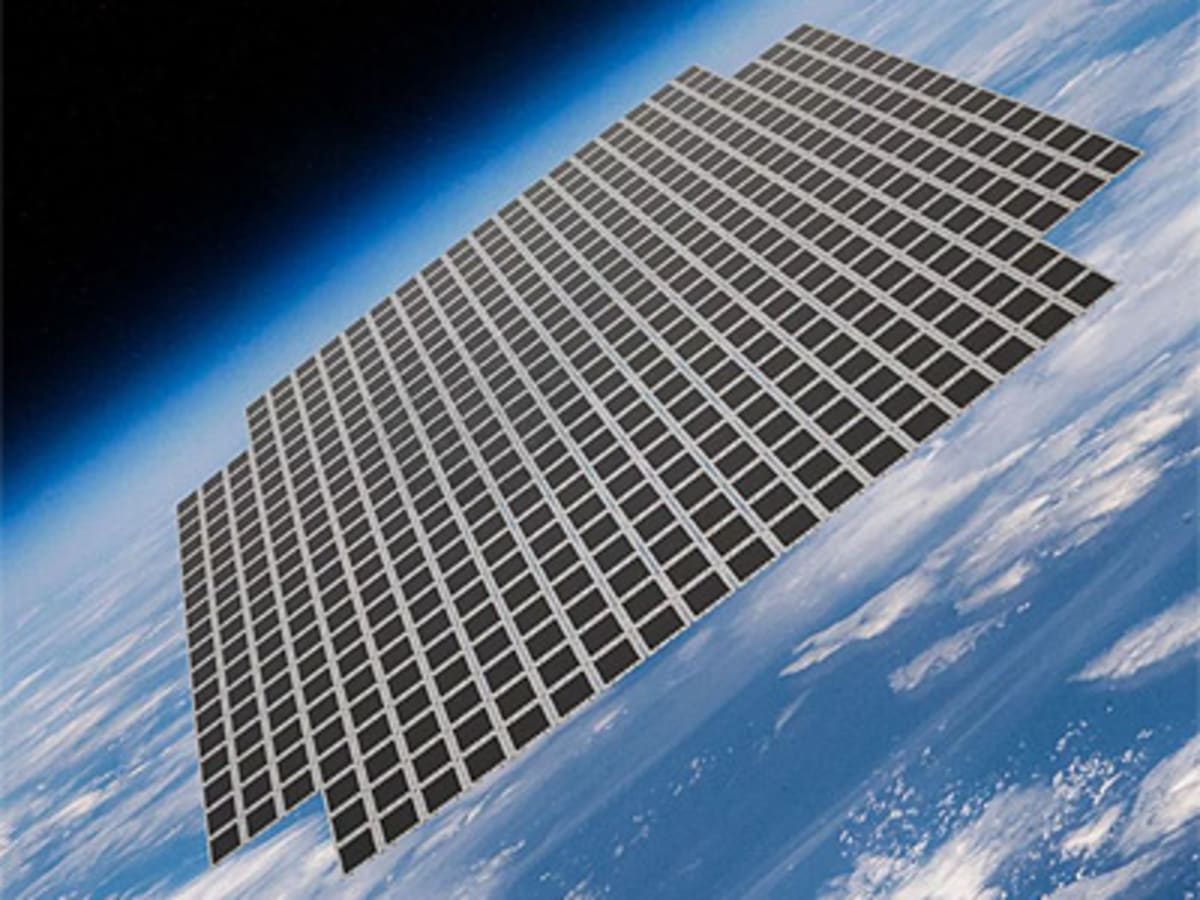
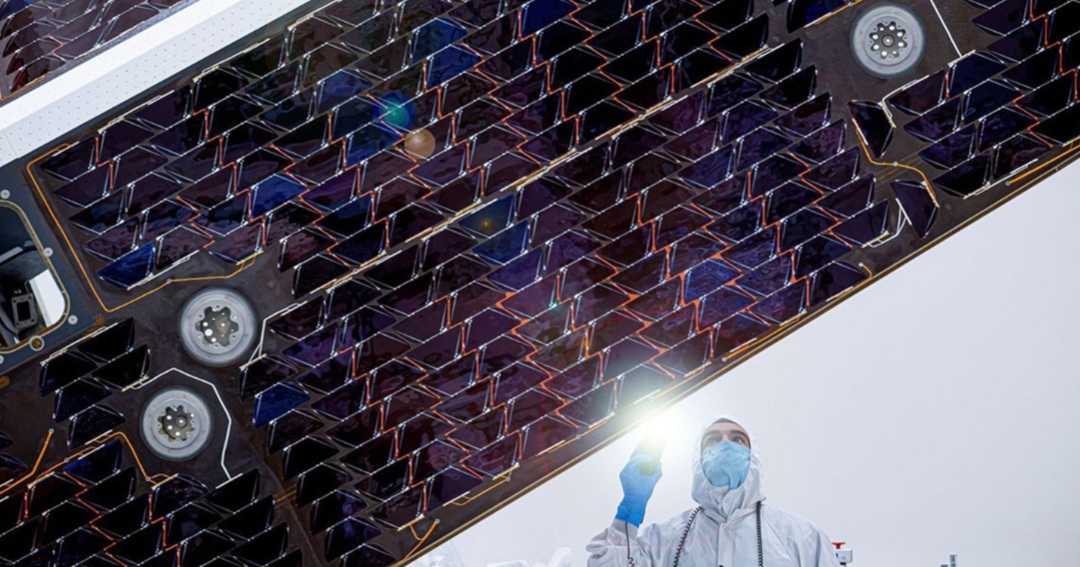
Technologically, BlueBird Block-2 represents a significant leap forward. These satellites are designed to deliver up to ten times the bandwidth capacity of AST SpaceMobile's previous six satellites. Its standout feature is its size: its arrays measure nearly 2,400 square feet, which makes it the largest commercial communications satellite to be deployed into low Earth orbit. It surpassed the previous record held by AST SpaceMobile's first-generation BlueBirds, which measured 693 square feet. The company also has plans to launch more satellites to further strengthen its network, which has partnerships with more than 50 mobile operators across the world, whose subscribers, according to AST SpaceMobile, add up to nearly 3 billion.
More on Starlust
China fails second attempt at reusable rocket test, falling further behind the U.S.
Russia reveals plan to build a new space station using recycled modules from the ISS