'Blood Worm Moon' 2026: Date, time and how to watch March's Full Moon
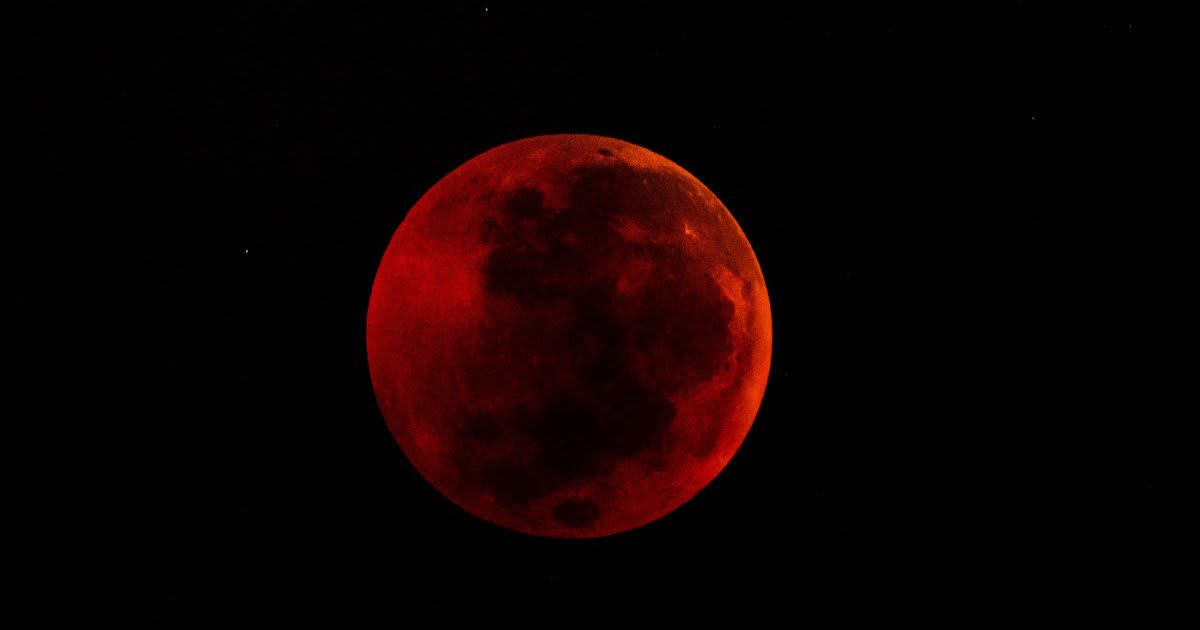
The ‘Blood Worm Moon' will grace our eyes on March 3, marking one of the most widely visible astronomical events of the year.
A full Moon during a 'Blood Moon' eclipse on July 28, 2018, in Yogyakarta, Indonesia. (Representative Cover Image Source: Ulet Ifansasti/Getty Images)

The stunning 'Blood Worm Moon' is slated for March 3, 2026, with the best visibility for viewers in North America, particularly for those on the West Coast, says NASA. Excited? Here's everything you need to know to catch the gigantic Blood Moon illuminating the sky with its eerie crimson hue next month.
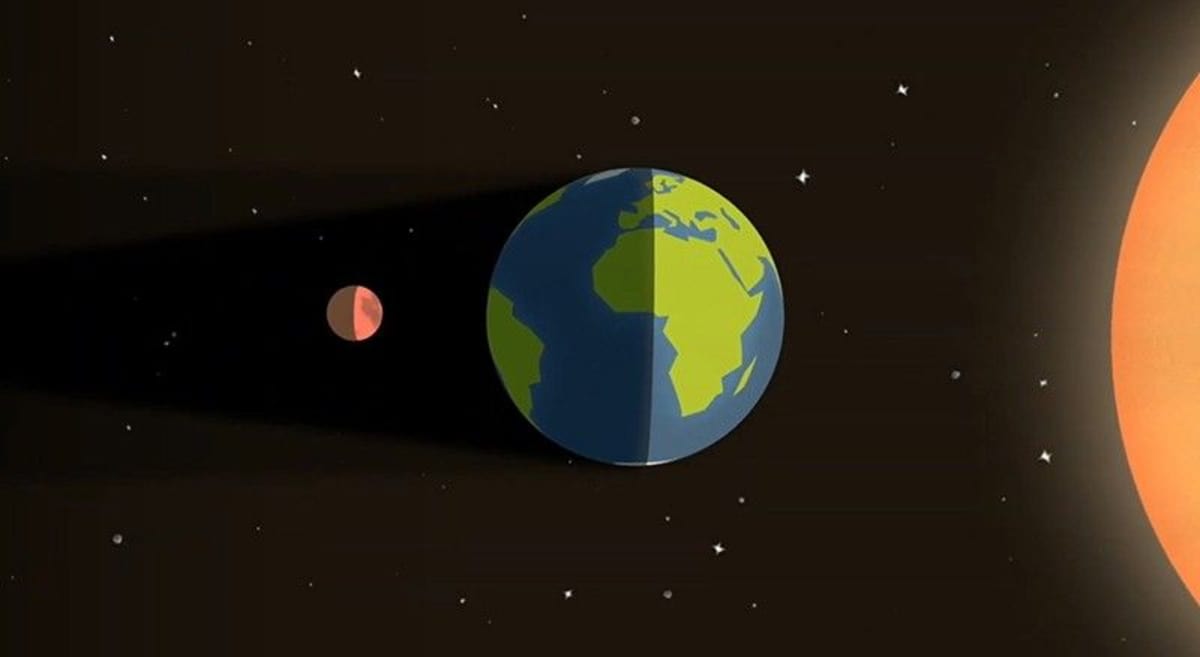
Alignment of the Moon, Earth, and Sun during a lunar eclipse (not to scale)(Representative Image Source: NASA's Scientific Visualization Studio)
Alignment of the Moon, Earth, and Sun during a lunar eclipse (not to scale) (Representative Image Source: NASA's Scientific Visualization Studio)

'Blood Worm Moon'—What does it mean?

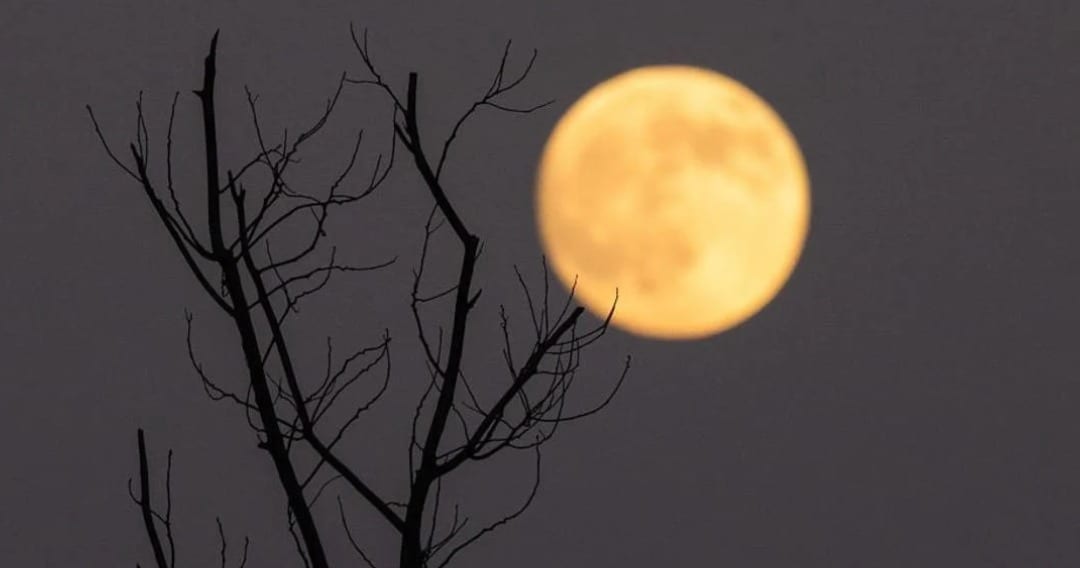
The Worm Moon, the traditional name for March’s full Moon, was believed to be a reference to the earthworms that emerge when the soil warms up with the arrival of spring. However, research indicates that it is actually a reference to beetle larvae, another type of worm, that emerges from its winter hiding place in early spring. A Blood Moon takes place during a total lunar eclipse. At this time, Earth’s shadow filters sunlight through its atmosphere and gives the Moon the classic dark red glow.
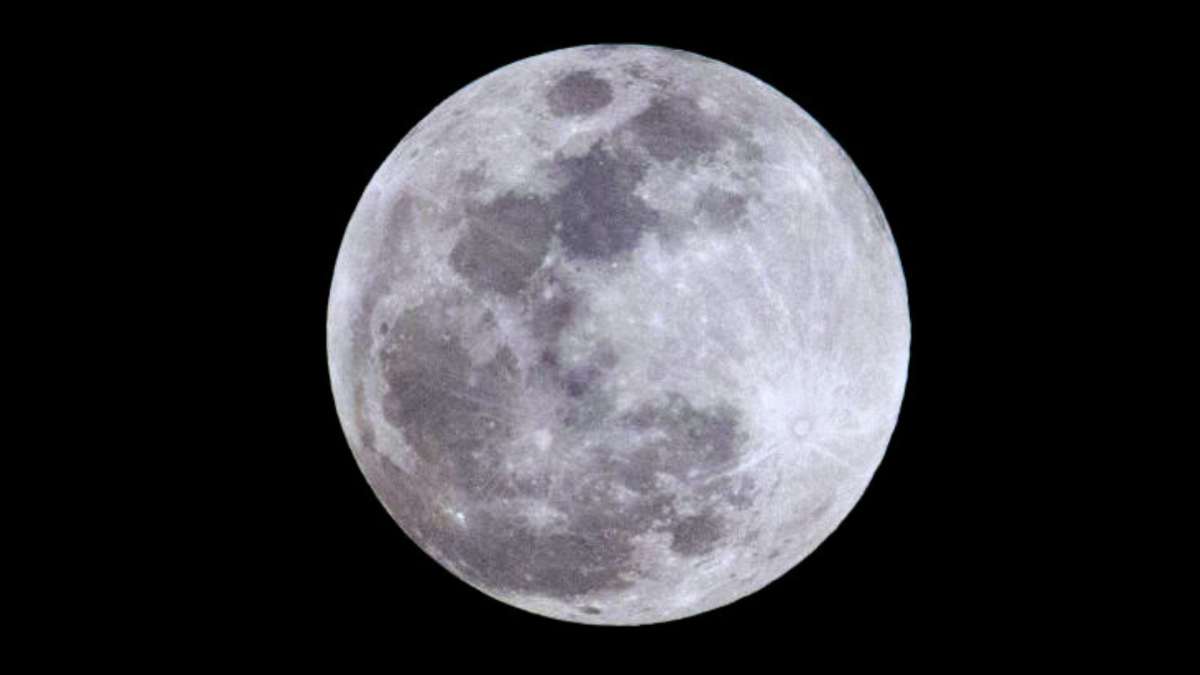
The full moon is seen prior to the 'Blood Worm Moon' total lunar eclipse above Austin, TX on March 13, 2025. (Photo by Rick Kern/Getty Images)
The full Moon is seen prior to the 'Blood Worm Moon' total lunar eclipse above Austin, TX on March 13, 2025. (Representative Image Source: Rick Kern/Getty Images)

When can the 'Blood Worm Moon' be seen?

According to NASA, totality (when the Moon is completely within Earth's central shadow) will last nearly an hour from 11:04 UTC (6:04 am EST) to 12:03 UTC (7:03 am EST). However, the penumbral phase, signaling the entry of the Moon into the outer part of Earth's shadow, will start at 8:44 UTC (3:44 am EST). The eclipse will be over with the end of the penumbral phase at 14:23 UTC (9:23 am EST). 
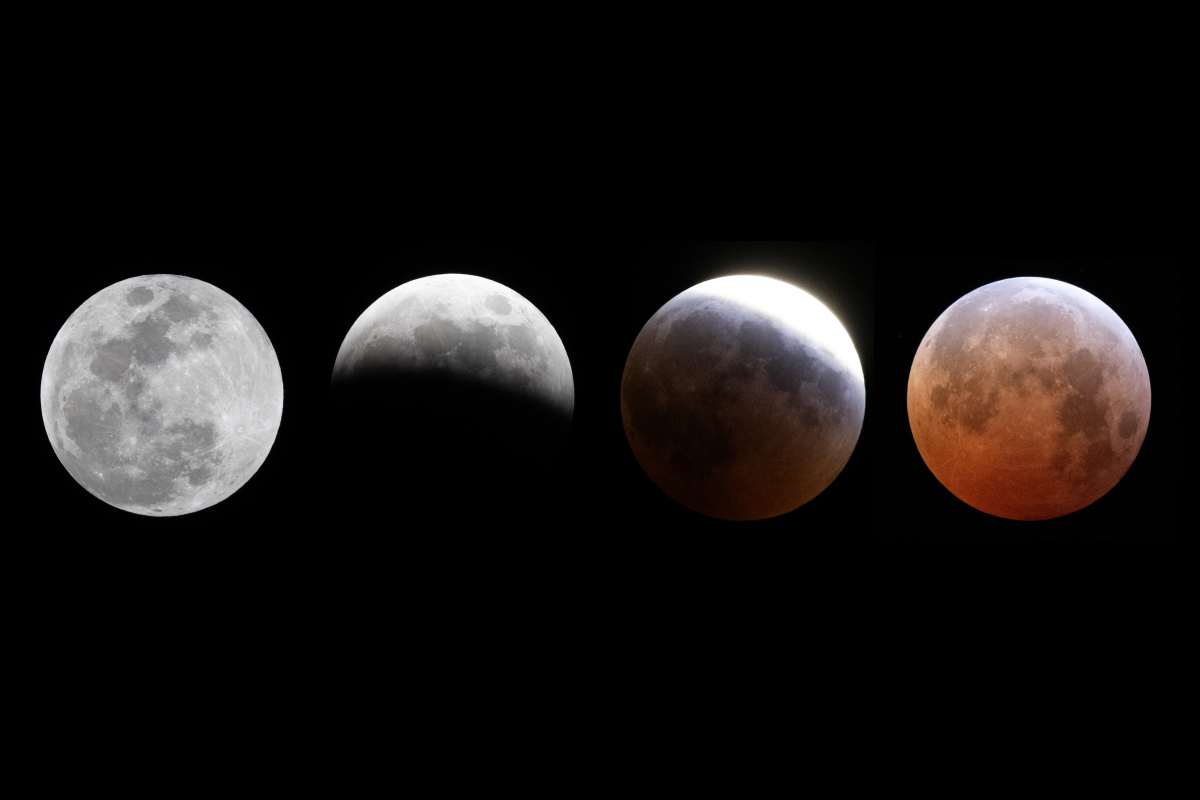
The blood moon lunar eclipse over New Orleans, home to NASA’s Michoud Assembly Facility, is shown from full moon to totality as it moves into the Earth’s umbral shadow (Image Source: NASA Image and Video Library | NASA)
The Blood Moon lunar eclipse over New Orleans, home to NASA’s Michoud Assembly Facility, is shown from full moon to totality as it moves into the Earth’s umbral shadow. (Representative Image Source: NASA Image and Video Library)

Do you need anything to view the eclipse?

You will be able to view the spectacle with just your naked eye as long as you have a direct line of sight to the Moon. Of course, a pair of binoculars or a telescope is sure to enhance your experience. Lunar eclipses, unlike their solar counterparts, also do not require observers to wear protective equipment like eclipse glasses. But do make sure you have them for the upcoming solar eclipse on August 12, 2026. 
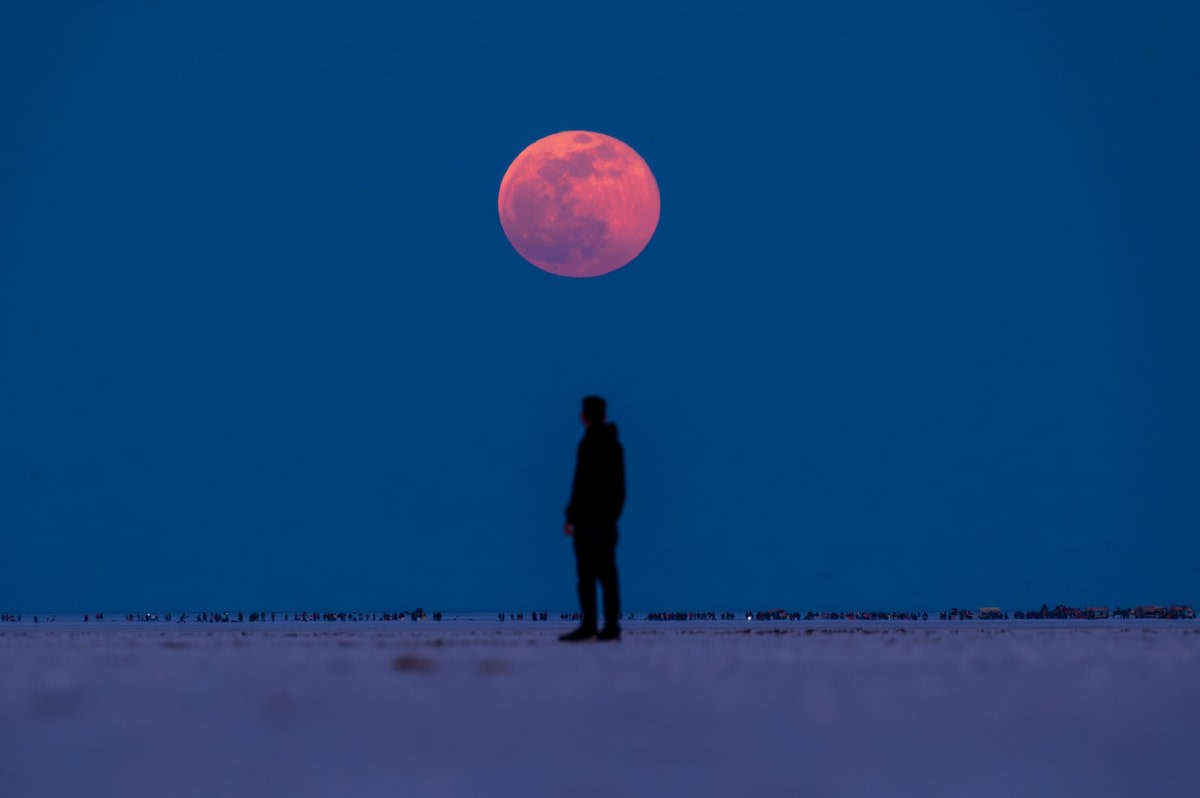
A man is watching the blood Moon Rise in Bherandiala, India (Image Source: Getty | EyeEm Mobile GmbH)
A man is watching the Blood Moon rise in Bherandiala, India. (Representative Image Source: Getty | EyeEm Mobile GmbH)

Good visibility locations

This phenomenon will be fully visible in the evening for viewers in eastern Asia and Australia, all through the night over the Pacific, and in the early hours of the morning in North and Central America and western South America. It will not be visible in Europe or Africa.
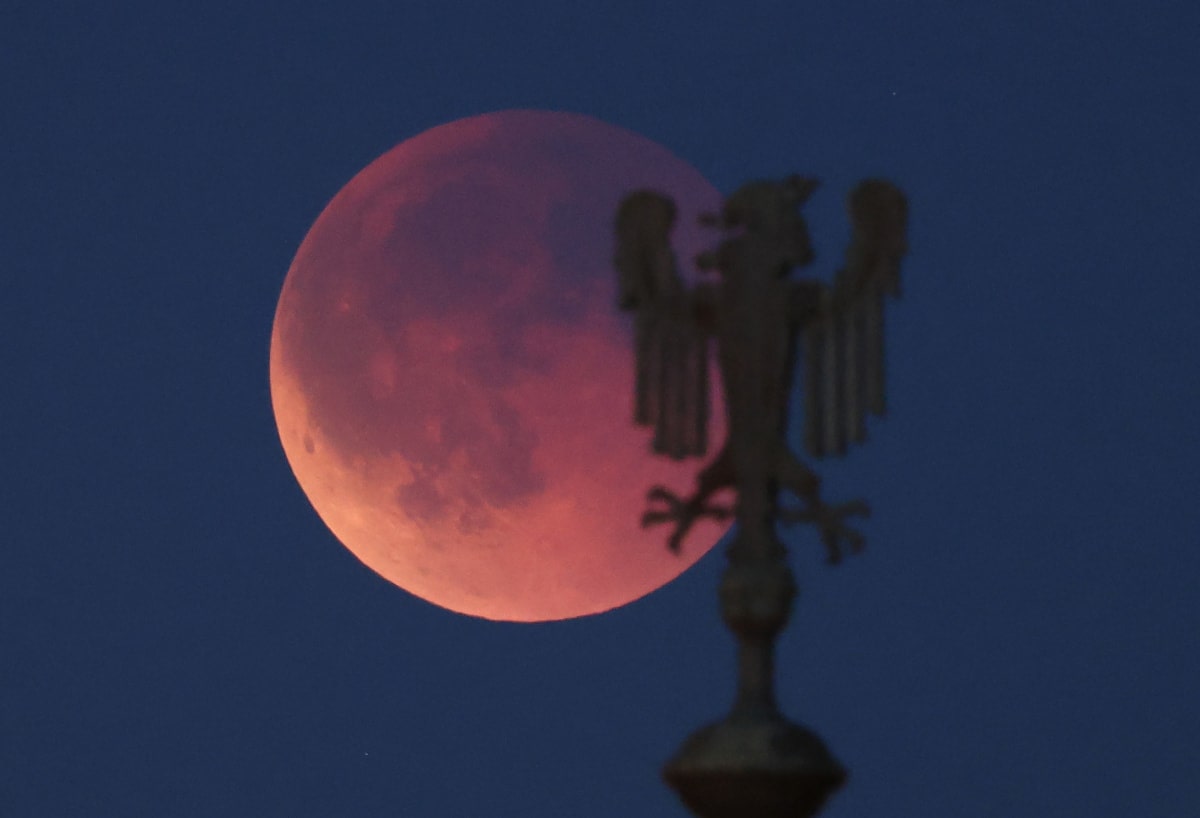
The moon glows red behind the metal sculpture of an eagle over Oberbaumbruecke bridge during a lunar eclipse on September 07, 2025 in Berlin, Germany (Image Source: Getty | Sean Gallup)
The moon glows red behind the metal sculpture of an eagle over Oberbaumbrücke bridge during a lunar eclipse on September 07, 2025, in Berlin, Germany (Representative Image Source: Getty | Sean Gallup)

Why are lunar eclipses not frequent?

A Full Moon appears once every month, so why don’t lunar eclipses occur so frequently? This is where the Moon's tilted orbit comes into play. Earth’s shadow does not always fall on the Moon directly; sometimes it's above or below. But when it does fall directly, that is when a lunar eclipse occurs.
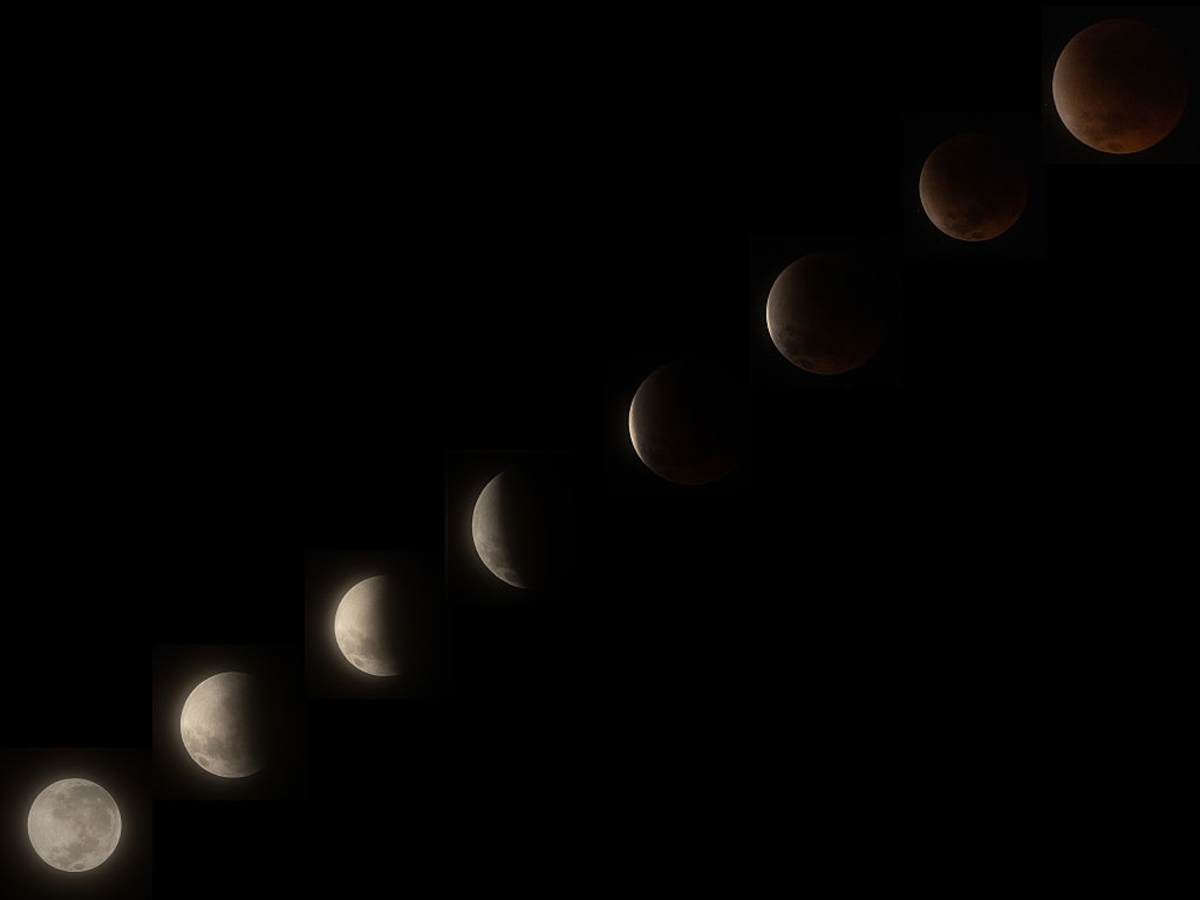
A composite image shows the stages of a blood moon total lunar eclipse on September 08, 2025 in Surabaya, Indonesia (Image Source: Getty | Robertus Pudyanto)
A composite image shows the stages of a Blood Moon total lunar eclipse on September 08, 2025, in Surabaya, Indonesia. (Representative Image Source: Getty | Robertus Pudyanto)

For those interested, this celestial event is also going to offer opportunities for some great photographs. And if you own a DSLR, there's nothing like it. Make sure to raise the camera's sensitivity when totality begins, and you'll have bragging rights to some really good clicks.

More on Starlust

Satellite captures Moon’s shadow traversing Antarctica during February 17 annular solar eclipse

NASA's Artemis program could benefit from this new map of small mare ridges on the Moon
MORE STORIES

In less than 24 hours, the Sun erupted with three powerful solar flares.
3 days ago
The meteorite fragments that reached Earth ended up in the ocean, sparing populated areas.
6 days ago
The first half of 2026 had a lot for skywatchers. And the second half of the year isn't going to be too different either.
May 25, 2026
The two planets, being the two brightest planets in view from Earth, will also be joined by Mercury.
May 21, 2026
The Blaze Star's previous known explosion is said to have taken place 80 years ago in 1946.
May 18, 2026
The May 31 Full Moon will be the most distant Full Moon of 2026.
May 15, 2026
Here are the four events that skywatchers should look forward to as the month of May nears its halfway mark.
May 11, 2026
Moonlight may affect the visibility of the Eta Aquariids meteor shower this year. Check details here
May 6, 2026
Here's how you can spot Jupiter, Venus, and Mercury in the May evening sky.
May 4, 2026