Harvest Moon will be joined by Saturn and Neptune on September 26: Here's how you can spot them
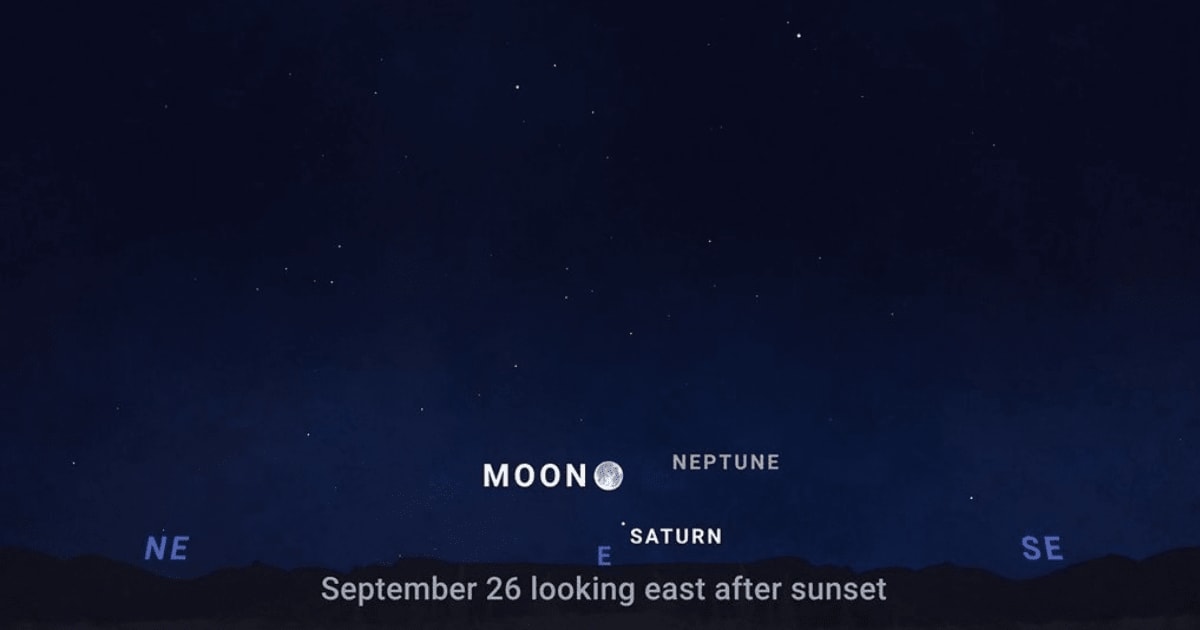
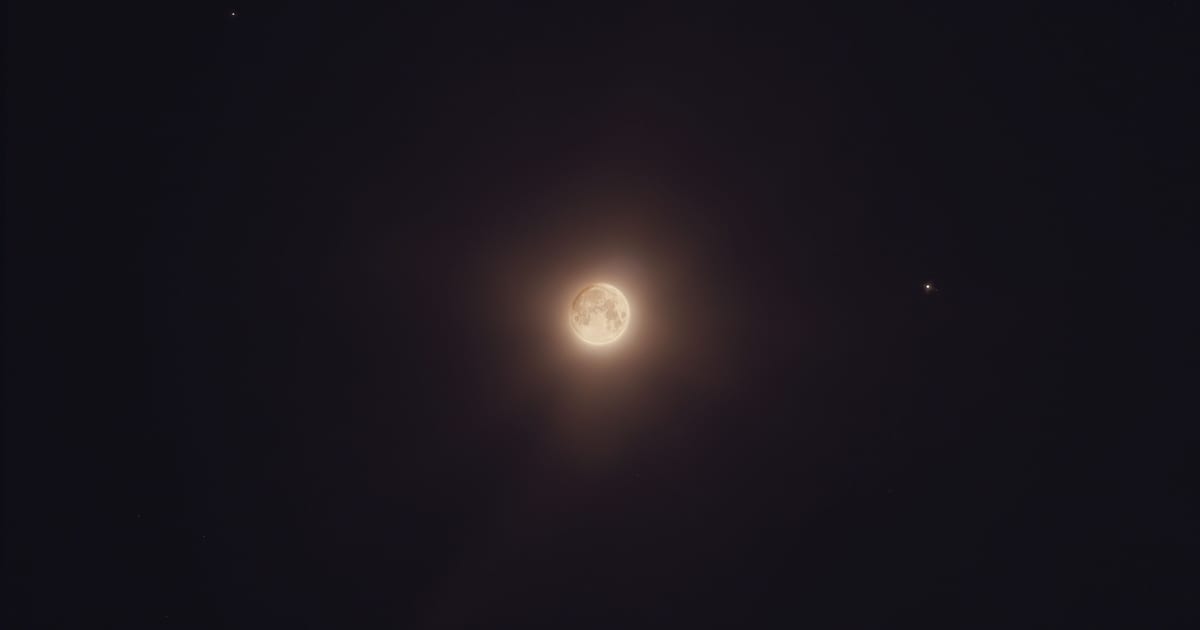
The Full Moon won't be the only attraction in the night sky tomorrow, September 26. That's because Saturn will also shine nearby, with a faint Neptune completing a triangle in the sky.
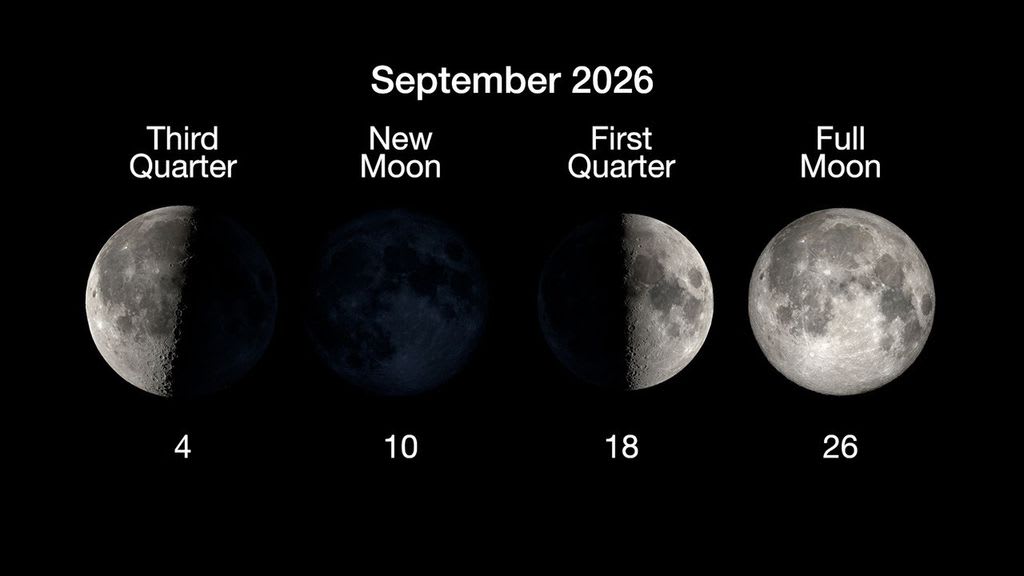
How and when to watch the Harvest Moon on September 26
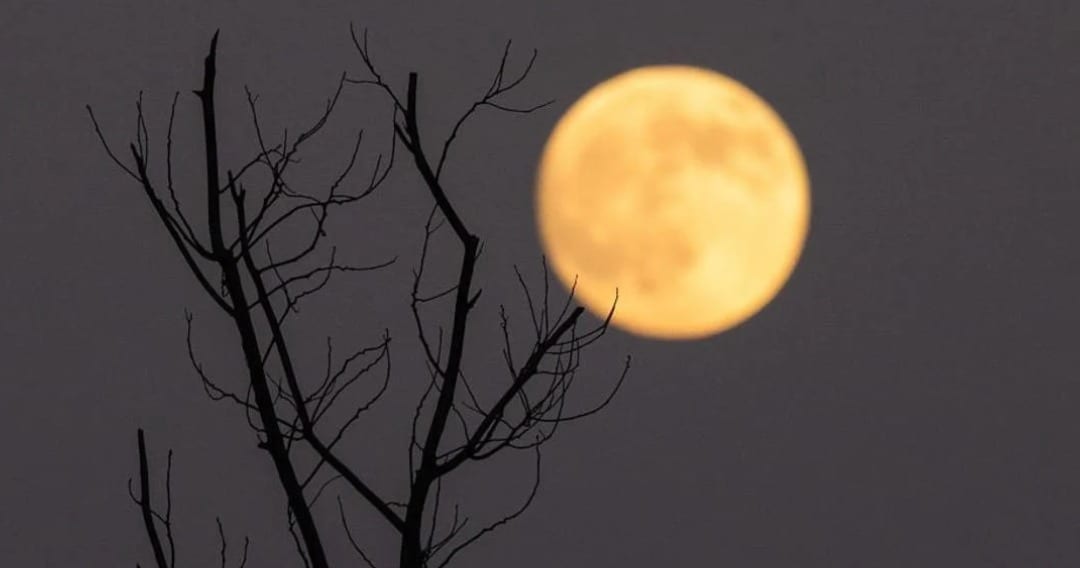
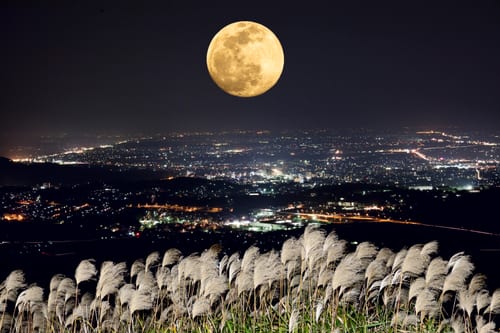
While the Full Moon—also called the Harvest Moon this time of the year—will peak at 12:49 p.m. EDT tomorrow, the best time to watch it will be shortly after sunset, around the local moonrise time, which would vary based on your location. The Moon will rise over the eastern horizon and will be lit with a beautiful yellow-orange glow at this time. This is because the Moon's reflected light will have to travel through a thicker layer of the atmosphere while it's near the horizon.
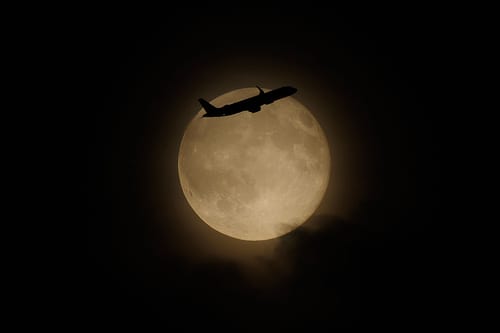
There are two notable features to look out for in Saturday's Full Moon, according to Space.com: the Tycho crater, which can appear as a bright spot with rays of material fanning across most of the Moon's lower half, and the Copernicus crater, located northwest of the Moon's center, also marked by bright rays.
How and when to watch Saturn on September 26
The Harvest Moon will act as an excellent reference point for spotting Saturn tomorrow. This ringed planet, which does not stand out immediately from the stars in the way certain other planets do, will be visible tomorrow as a glowing, steady, yellowish point of light beneath the Moon. It will, in fact, be especially bright and easy to spot with the naked eye because it's inching closer to its opposition on October 4. Around an hour following moonrise, the Moon and Saturn will be separated by less than 10 degrees, which is roughly the width of a clenched fist held at arm's length.
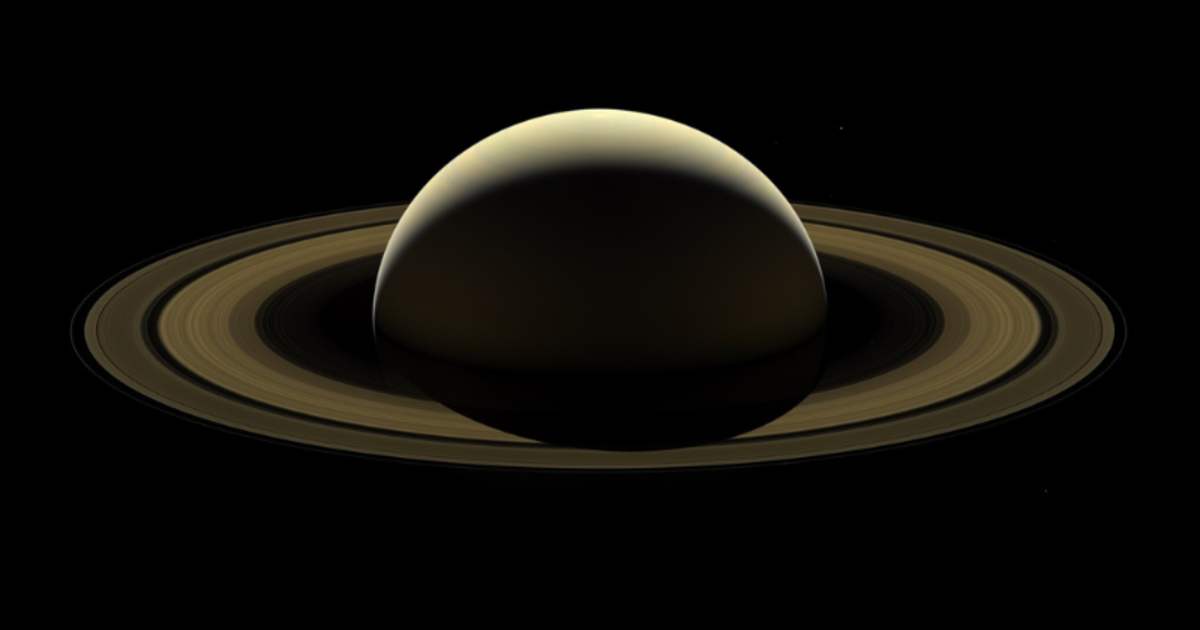
While you won't require any additional equipment to catch a glimpse of Saturn tomorrow night, a telescope is certain to enhance the experience. For instance, according to Space.com, any telescope with at least a 30x magnifying power will allow you to spot the planet's famous ring system. The system has become increasingly visible since March last year, with its tilt gradually increasing to around 8 degrees. What's more, with a telescope, you can also spot some of the planet's moons, such as Rhea, Titan, Dione, and Tethys.
Spotting Neptune on September 26
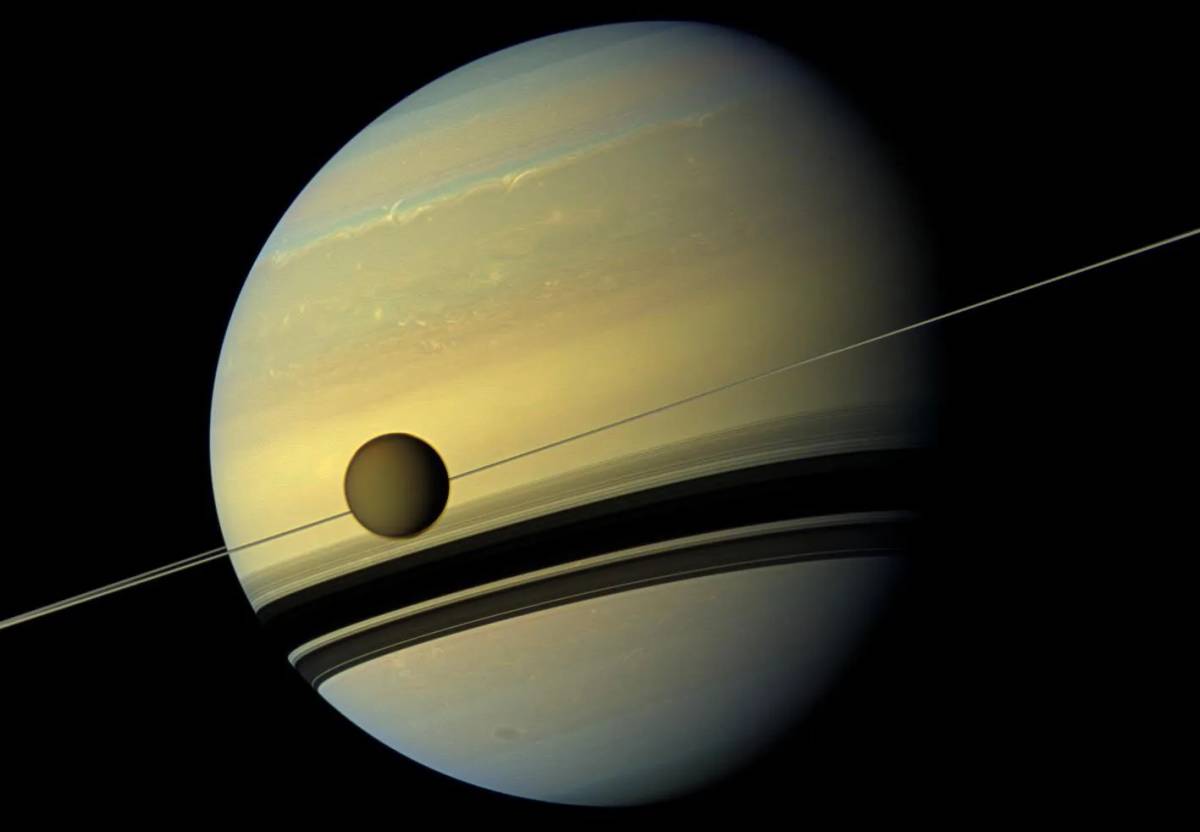
Neptune will reach opposition tomorrow, but, unlike Saturn, it will be very difficult to spot. At a brightness of around magnitude 8, it will be too faint to catch with the naked eye. Not to mention, it will be around 2.68 billion miles away. That's much farther than Saturn, which itself will be at a distance of 785 million miles from Earth. Observers with a good pair of binoculars or a small telescope might still be able to spot the ice giant after it rises in the east at sunset.
More on Starlust
Next five total solar eclipses after August 2026: Dates, city-wise times and how to watch
Here's how you can spot Saturn's moons: Titan, Rhea, Dione and more