Aurora forecast: Maine and other U.S. states may see the northern lights on October 2 as CME hits Earth
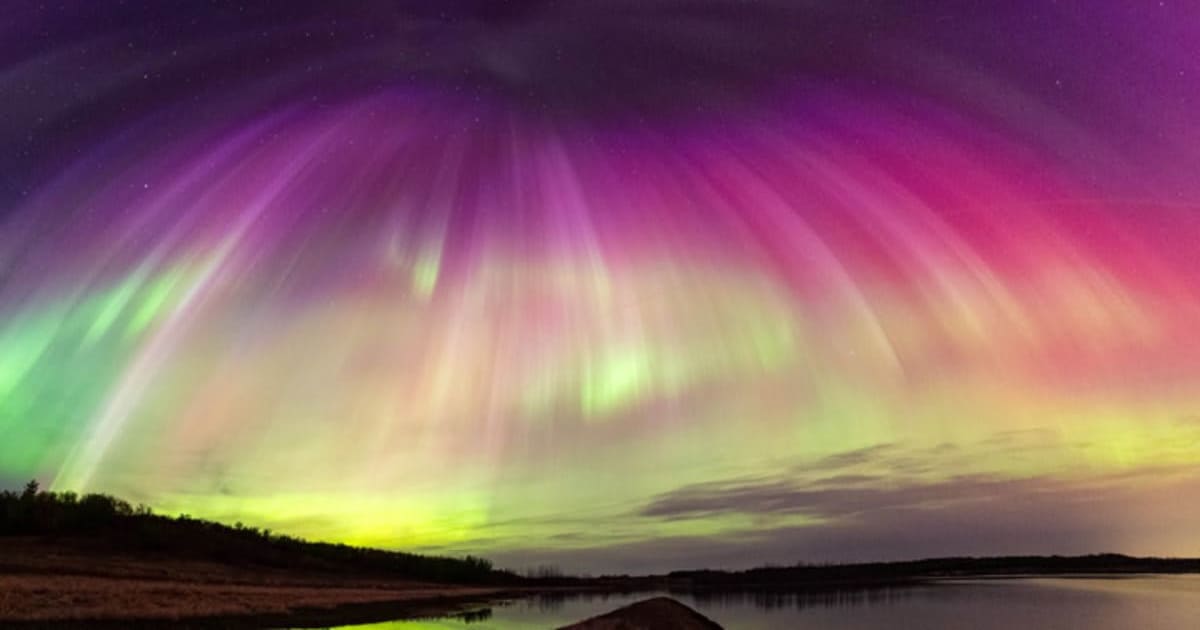
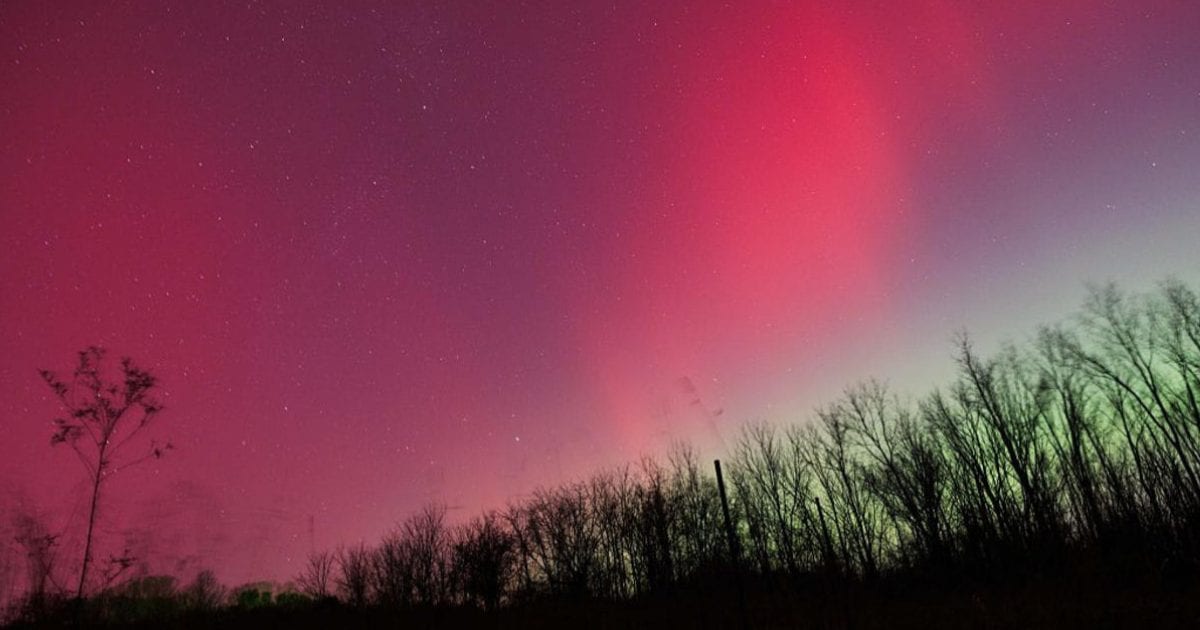
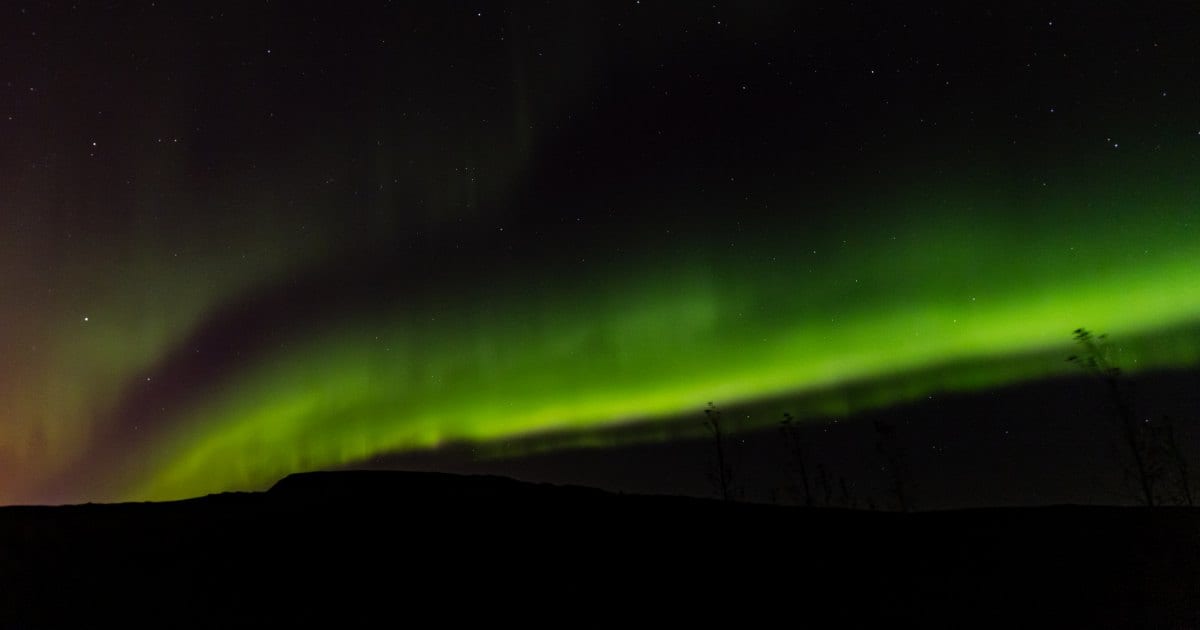
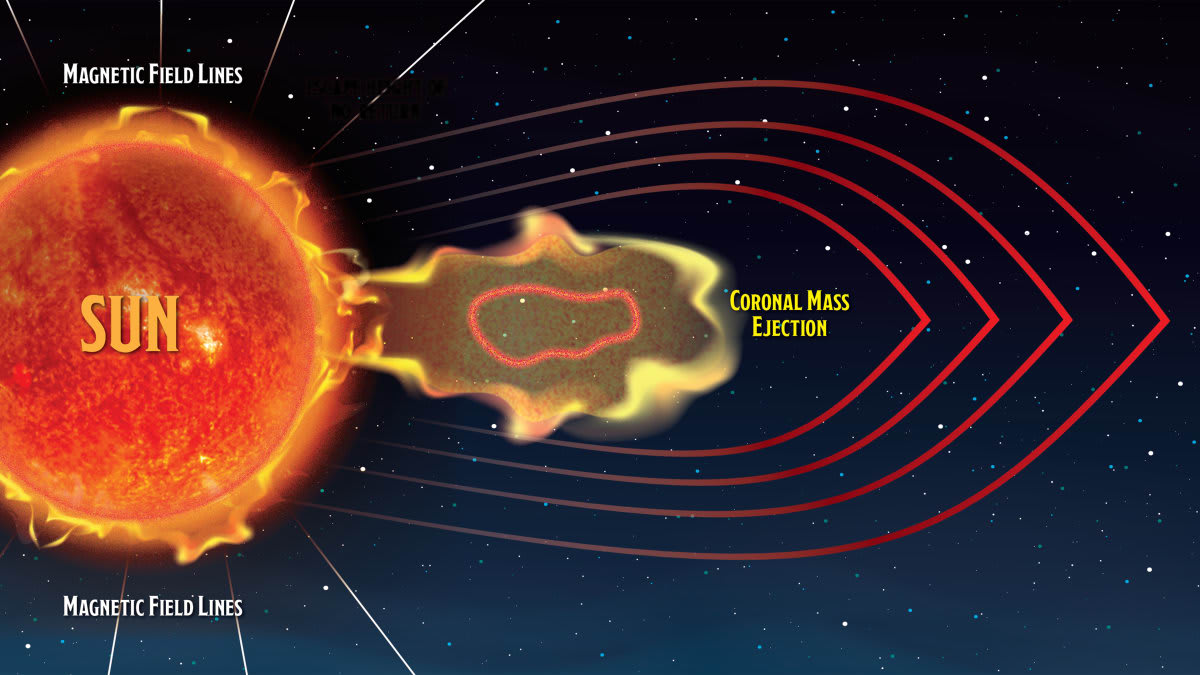
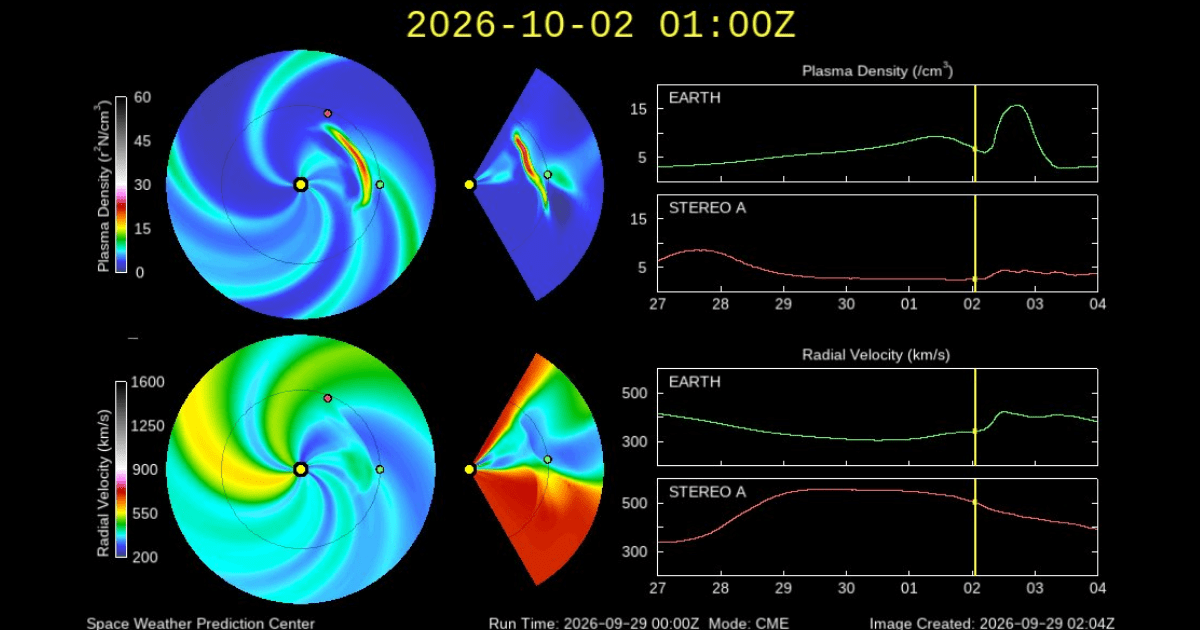
The National Oceanic and Atmospheric Administration has predicted the occurrence of auroras in the northern U.S. on October 2, 2026. Auroras are set to become prominent on Friday due to the arrival of a coronal mass ejection (CME) from the Sun, as per NOAA's Space Weather Prediction Center (SWPC). The CME, which originated on September 28, is likely to create inclement space weather in the form of a minor geomagnetic storm due to it glancing Earth's magnetosphere. SWPC's alert, besides hinting at aurora formation, also warns of some minor power grid fluctuations and disturbances to satellite operations.
When will the aurora be most prominent?
The SWPC data shows that the peak of the geomagnetic activity based on the planetary K-index is set to occur between 10 am CDT and 1 pm CDT on October 2. While during this period the mainland U.S. will be awash with daylight, prominent auroras are likely to be visible at night, with the best viewing hours generally being around midnight. Models of solar winds by the SWPC show increased levels of incoming solar plasma throughout Friday, which should be the cue for skywatching enthusiasts to prepare for breathtaking views.
Where in the U.S. will auroras be visible?
The alert issued by the SWPC names states like Michigan and Maine as the ones where the auroras will likely be seen. Because of the geomagnetic storming and increased K-index, auroras usually extend further south than usual. If that is indeed the case, residents of many more northern U.S. states could get the chance to view auroras.

Aurora viewing tips
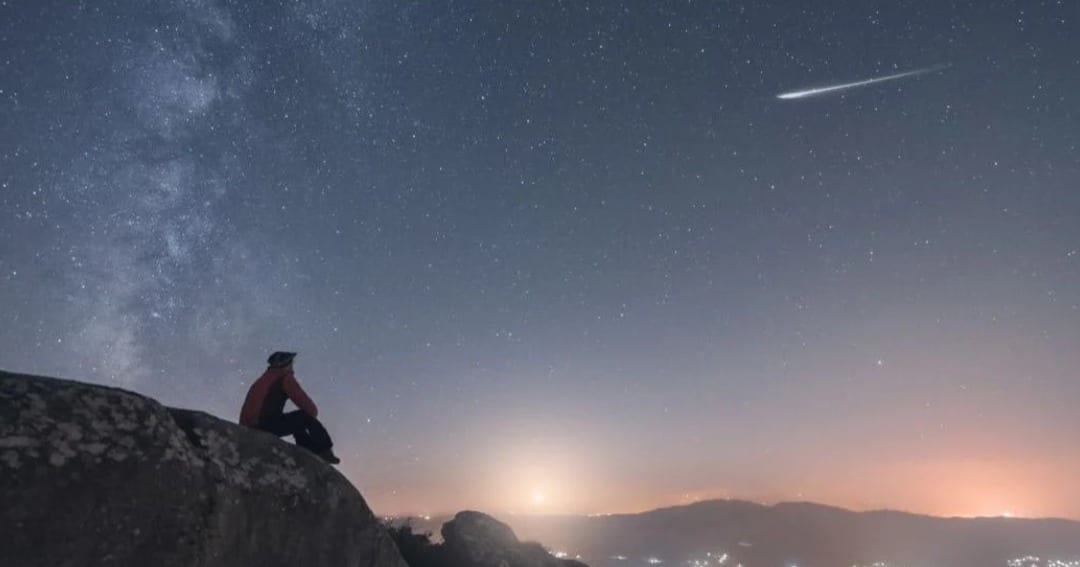
As a rule of thumb, a high vantage point around dark sky sites with low light pollution offer the best viewing experience when it comes to auroras. If there is nothing obstructing your view of the northern horizon, it is even possible to see auroras that are 600 miles further north. Although a geomagnetic storm makes auroras more intense, the SWPC has said that one could be able to view auroras even when space weather conditions do not rise to the level of a storm. Further, with the September equinox having passed recently on September 22, auroras are likely to be prominent around this time due to the Russell-McPherron effect. This effect causes auroras to become more pronounced around the equinoxes, with independent research showing March and October as having the highest number of days with visible auroras.
How to photograph auroras with a mobile phone
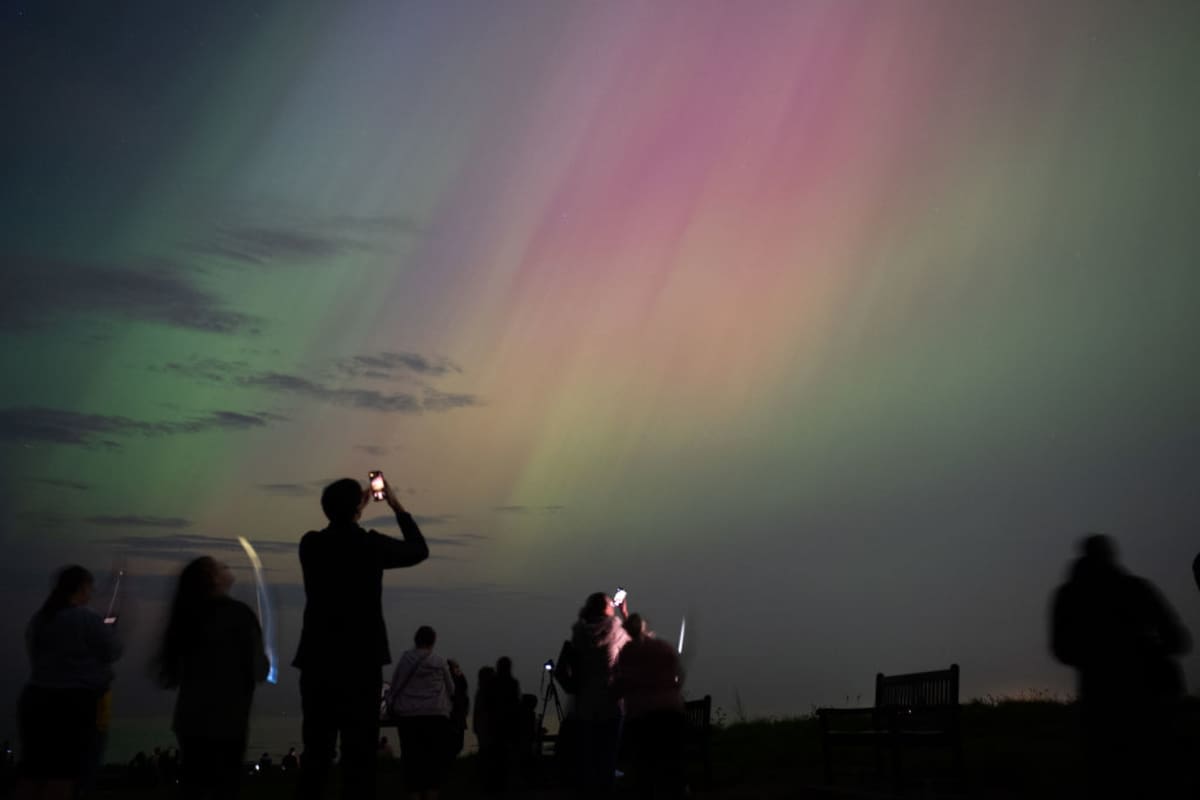
While phones only feature a tiny sensor when compared to dedicated cameras, they can still be used for aurora photography as long as a few settings are adjusted. The most important bit is to keep the phone as stable as possible because capturing auroras needs longer exposures. One can employ a tripod, or simply prop the device against a rock. Depending on your device, the sweet spot for the ISO lies somewhere between 800 and 1600. This is a measure of your phone camera's sensitivity and must not be raised too much, as it makes images grainy or 'noisy'. One must also keep the camera zoomed out to allow for a wide shot and for more light to be let into the camera.
More on Starlust
The Sun was about to unleash a coronal mass ejection—but it didn't. Scientists now know why