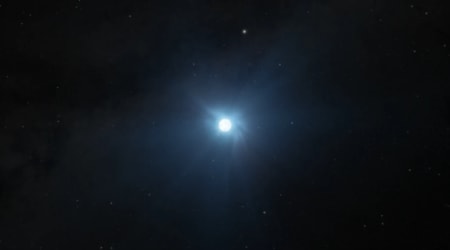
Listen to the intricate structure of the Vela Pulsar system sonified using data from Chandra and Hubble

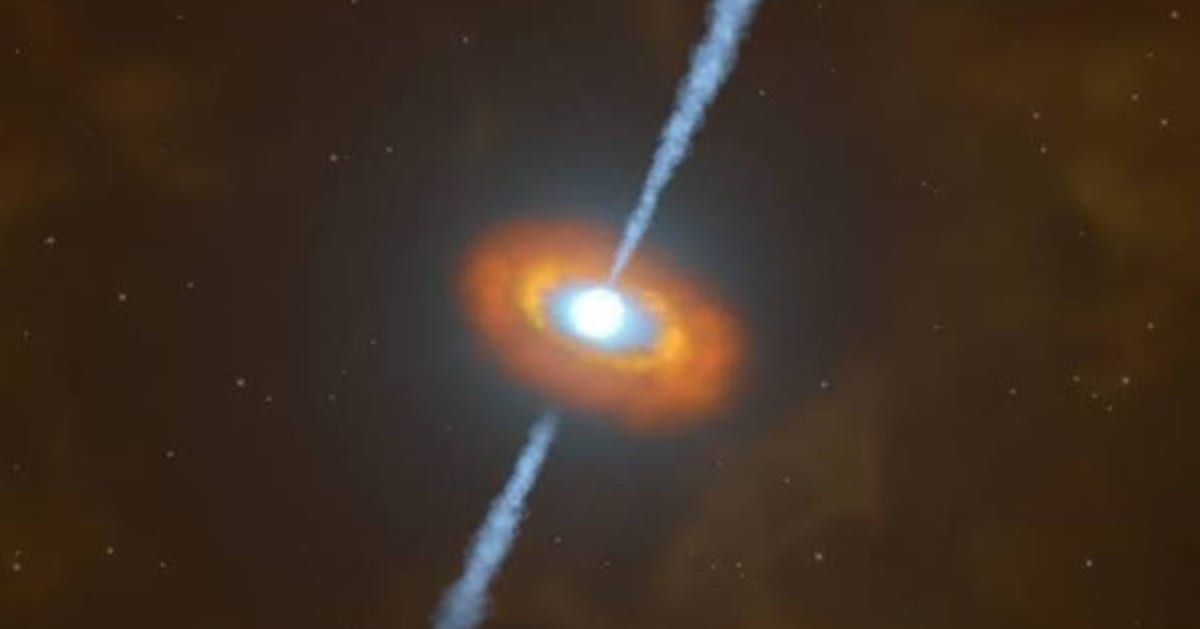
The Vela Pulsar is a rapidly spinning neutron star that is situated around 1,000 light-years from Earth. This pulsar is debris from the explosion of a supernova about 10,000 years ago. In a recent attempt, experts converted the Vela Pulsar data into sound, using data sonification, as per NASA Chandra. The sonification reveals a radar-like scan that runs clockwise from 12:00 of the image. The brightness of the pulsar is mapped in the form of volume, and the distance from the center is aligned with the pitch. The farther away the object, the higher the pitch of the audio.
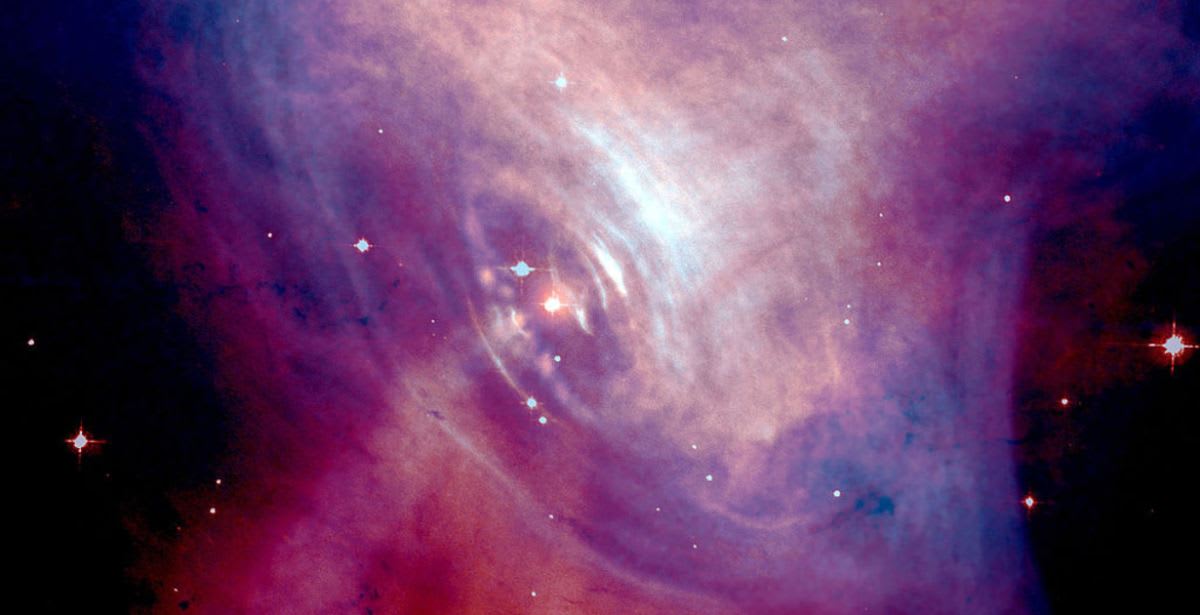
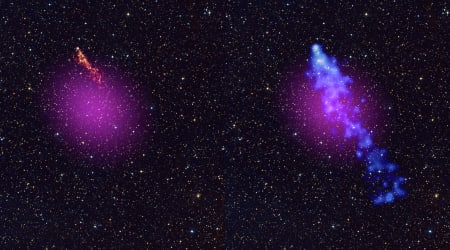
The data from the Chandra X-ray contained a bright inner region, in the shade of violet, which is mapped to a low-synth sound. The pulsar period is set in alignment with 11 Hz oscillations. Whereas the dimmer outer region, which appears blue, along with the jet, is set to a wind-like sound. Around four seconds into the composition, the long upper jet can be heard, but a shorter and brighter lower jet is heard at around 20 seconds. The data from the Hubble has the stars mapped to notes on a plucked-type synth where brighter stars sound louder, and stars located at a higher distance from the center are higher-pitched.
The pulsar has a tone that is reminiscent of classical instruments — a Hydraulophone humming to the tune of a Bandura or a Dulcimer. The music provides the feel of space and an astronomical essence, inducing the imagery of enjoying nature. The lingering tone carries you through the experience, and the jets add to the rhythm like a drop of water bouncing on a steel drum. It is difficult to equate the pulsar to a classical visual, to something serene and quiet, when its origins began with an explosion. However, the tune, available on SoundCloud, captures the auditory experience.
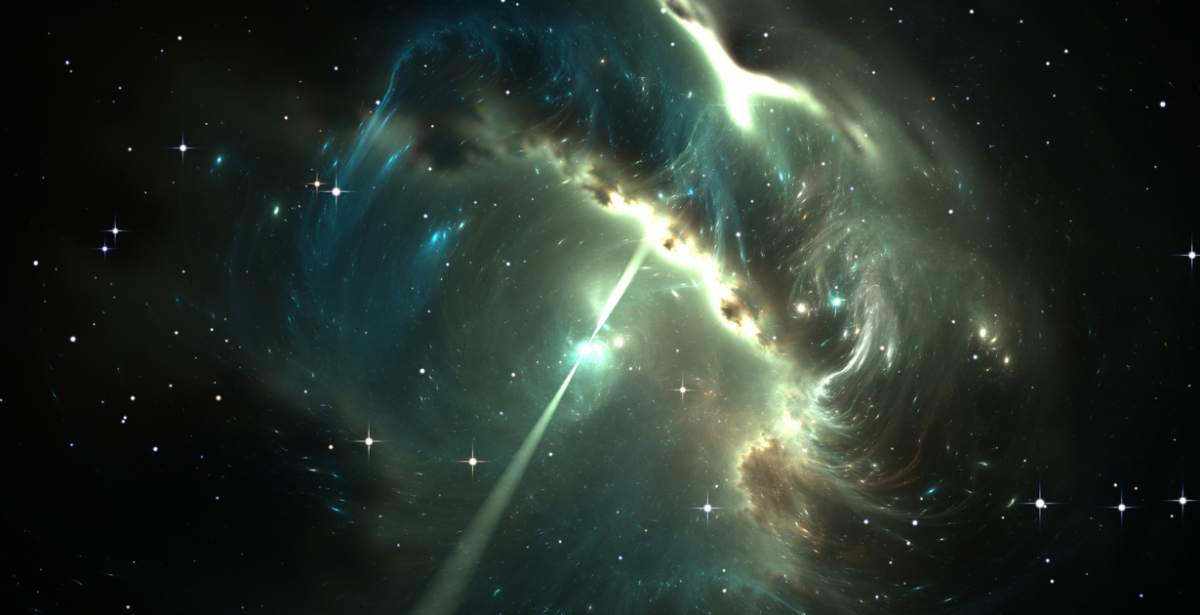
An accidental discovery from the public platforms could get the audio featured in a TikTok trend if a composer and singer find the right use for it. The Vela pulsar spans around 12 miles in diameter, and sonification to each point might reveal wondrous tunes. The movement of the pulsar releases a jet of charged particles that moves along the pulsar’s rotation axis at 70% of the speed of light. According to NASA, the shape and motion of the pulsar resemble a rotating helix, which confirms the slow wobbling or precession of the neutron star, which would be a first.
"And if you gaze for long into an abyss, the abyss gazes also into you." — Nietzsche 💀
— Chandra Observatory (@chandraxray) October 31, 2024
This Vela Pulsar sonification is just one of many sounds that will send shivers down your spine on @NASA's Sinister Sounds playlist at SoundCloud: https://t.co/zZEAmmSrIo Happy Halloween!🎃 pic.twitter.com/XpTYeQjYYj
Data sonification is a process that translates digital information into auditory data, which could be applied to cosmic sights. Sonification in the field of astronomy is a powerful medium to communicate the experience of the cosmos, as it influences a sense beyond sight. This brings in a broader audience, as it allows blind and visually impaired people to engage with the cosmic event. They can engage with the data from telescopes, know the colors, and decipher the visual data in a more accessible way. This adds to the importance of data mapping for sonification.
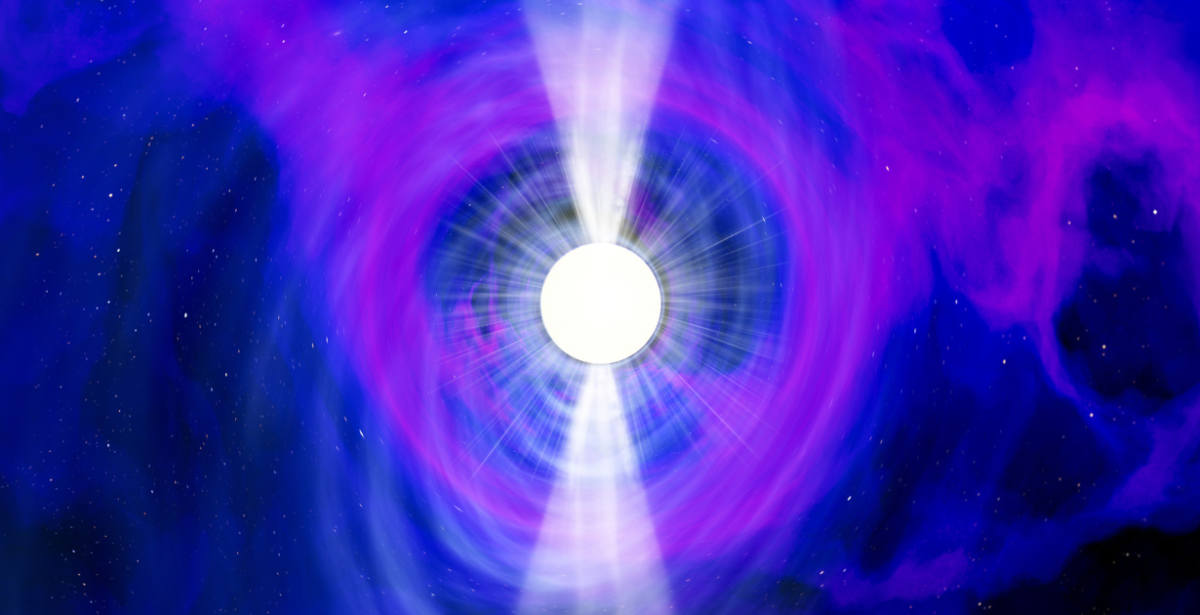
The process aligns the colors and brightness of the data to precise musical elements like pitch, volume, and rhythm. This incorporates a unique sensory experience and a different approach to studying the data for the scientific community. These efforts to make space more accessible are proving that space is more than just a visual spectacle, and is something to be ‘heard.’ NASA also provides the Hearing Hubble app that lets people experiment with the process and create their own astronomical tunes. Sonification has slowly become a sought-after method to study the visuals of space.