Asteroids’ resources could be mined for building a human base on Mars, says expert
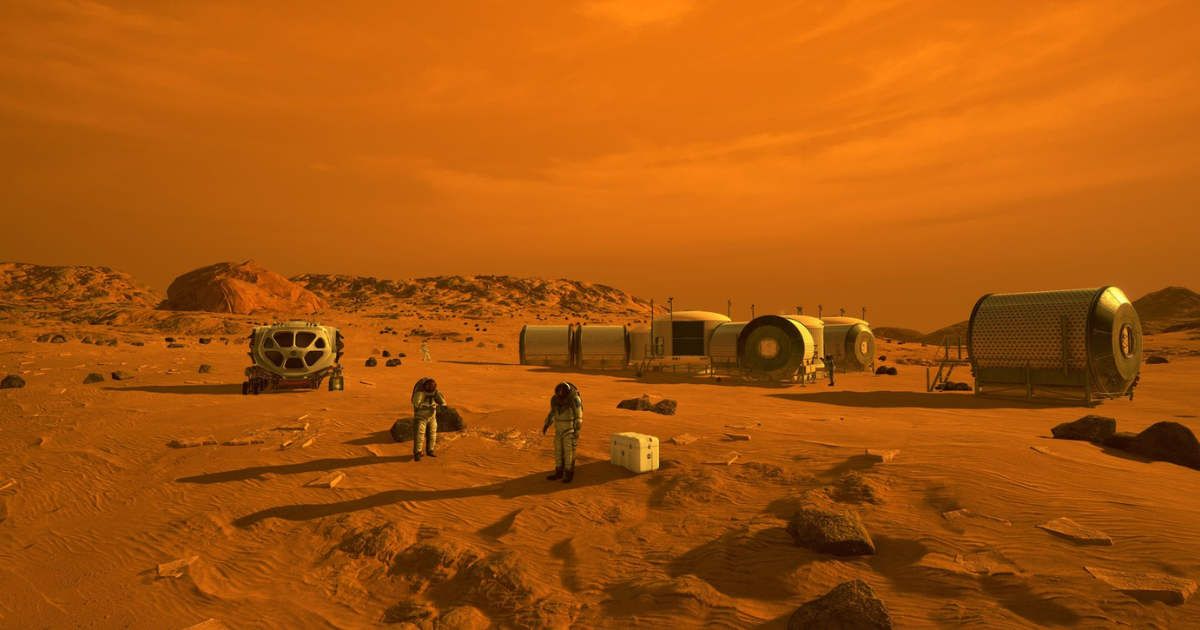
That day may not be far off when humans will build a base on Mars. But how will they make and assemble the materials needed for this? Help may come from unexpected quarters. Asteroids hovering between Mars and Jupiter could be mined for key resources such as metals and fuel, according to a study published in a paper that is available on the arXiv preprint server.
“One of the motivations is that a long-term human presence on Mars would likely require a continuous supply of metallic materials not only for construction but also for repairs, spare parts, vehicles, manufacturing, and industrial infrastructure,” says co-author Dr. Shamil Biktimirov, an expert on astrodynamics at the Technology Innovation Institute and Khalifa University in Abu Dhabi, United Arab Emirates, in an exclusive interaction with Starlust.org. Biktimirov did the research during a previous stint at the Space Center of Skolkovo Institute of Science and Technology in Moscow, Russia. “Mars is known to contain iron-rich minerals, but the availability and accessibility of many alloying elements commonly used in advanced engineering materials remain uncertain,” Biktimirov adds.

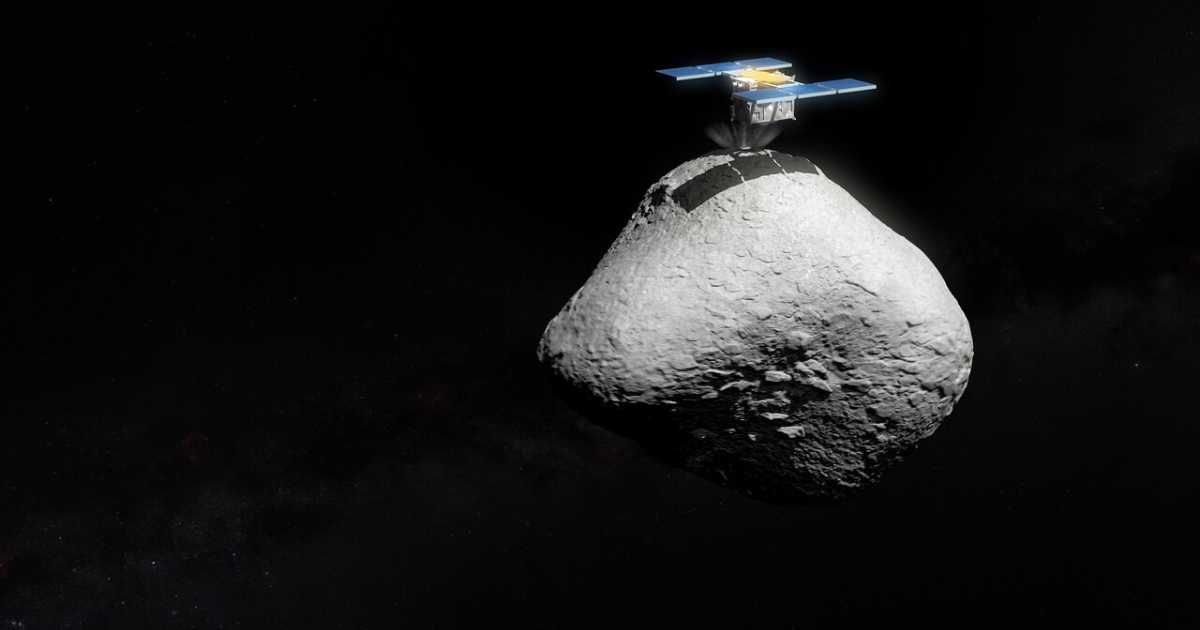
This could limit local production, especially during the early stages of colonization. “Metal-rich asteroids could become an additional source of raw materials for producing structural alloys, spare parts, and vehicles using additive manufacturing technologies,” he says. “From a logistics point of view, this may help to reduce dependence on continuous heavy cargo launches from Earth.” Apart from metal-rich asteroids, carbonaceous asteroids are considered promising targets for in-situ resource utilization because they contain water-bearing minerals and different organic compounds. Such asteroids could potentially be used for propellant production, mainly through extraction of water and carbon-rich compounds. “This does not mean that those asteroids have petroleum-like reservoirs that are found on Earth,” says Biktimirov. “The idea is based on the fact that carbonaceous asteroids and meteorites were found to contain various organic molecules formed through abiotic processes in the early solar system.”
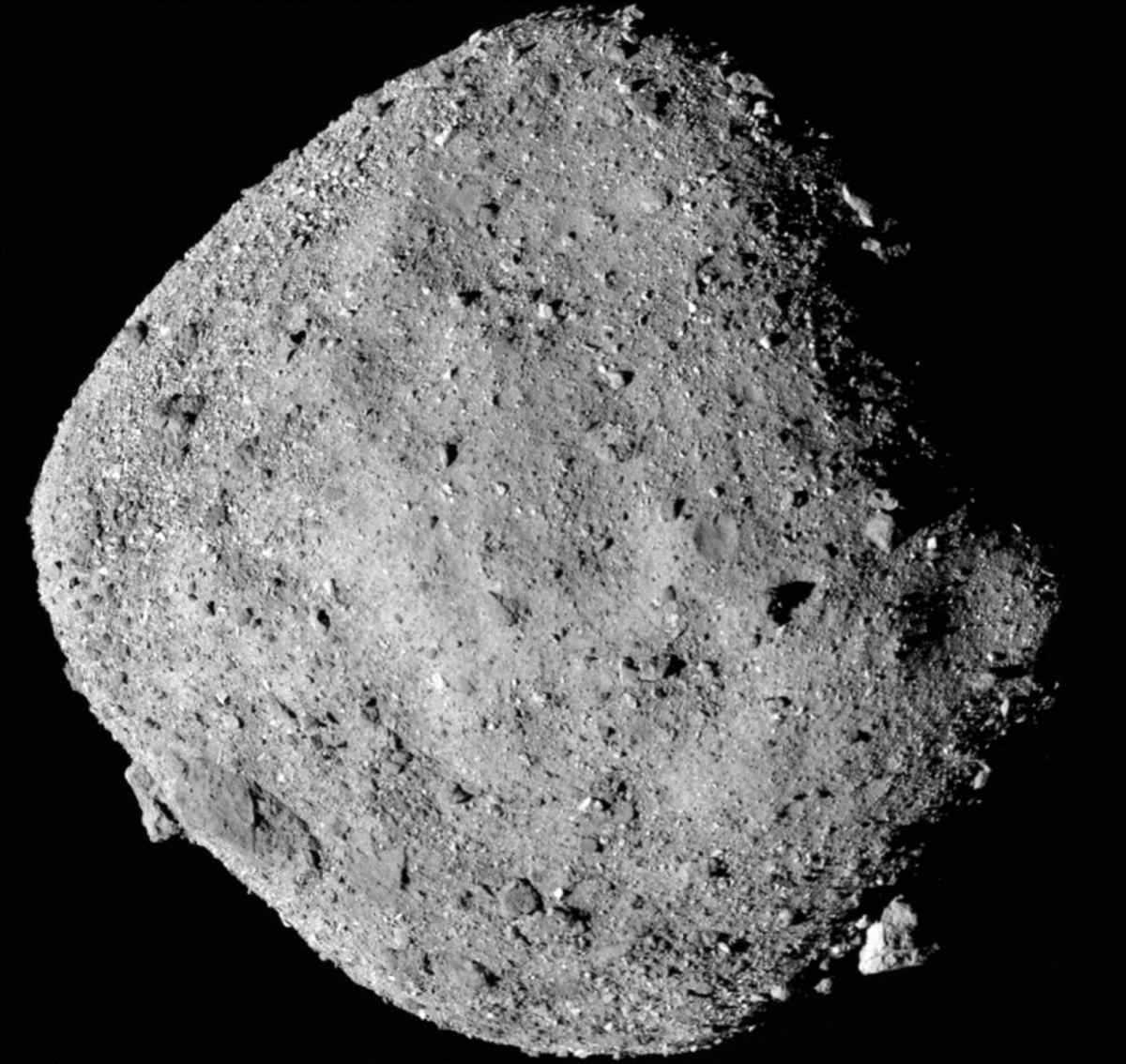
Over the past decades, different studies and sample-return missions detected organic compounds, including building blocks of nucleic acids, in primitive bodies such as Bennu and Ryugu. These results support the idea that carbonaceous asteroids may be exploited for future space-based chemical processing and propellant production. However, detecting and extracting resources on asteroids is not enough. The next step is critical because the spacecraft becomes heavier with the cargo. How could we bring them back to Mars? The researchers suggest that the extracted resources are not delivered directly to the Red Planet. “The transportation target is Low Mars Orbit (LMO), which acts as a logistics hub where resources can be accumulated and stored before being transferred to the Martian surface when needed,” Biktimirov says.

This is a very challenging concept because it requires autonomous mining, resource extraction, orbital logistics, and long-duration spacecraft operations. “However, from the physical and astrodynamics point of view, we did not identify fundamental limitations that would make such architecture impossible in the long term,” he adds. Economically, asteroid mining for Earth markets is not a viable option today. “However, the situation may become different in the case of permanent Mars settlement, where launching large quantities of industrial materials from Earth would be extremely expensive,” Biktimirov points out.
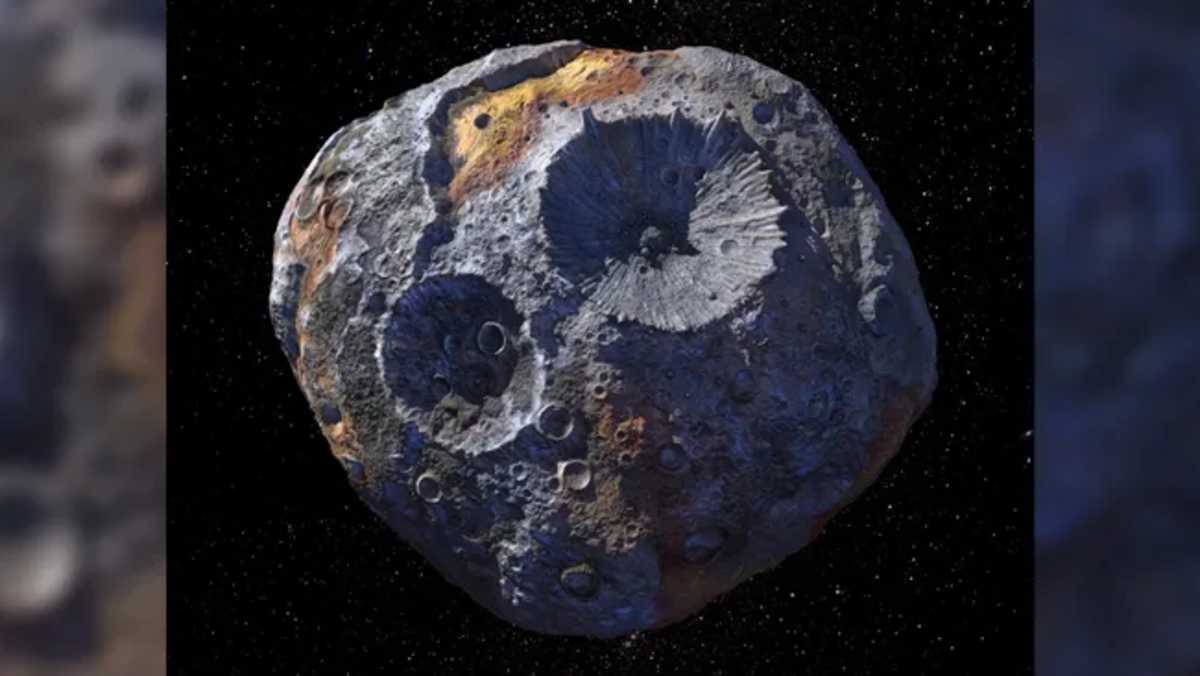
Asteroid mining mostly remains in the realm of scientific research and technology development. As of now, missions only explore and characterize these objects’ composition and environment. “Missions such as NASA’s Psyche mission are important because they improve our understanding of metallic asteroids and their composition,” he contends. “Asteroid mining may become useful not only for Earth-oriented economic activities but also for long-term space exploration and human presence beyond Earth.”