Mission Aagaman: Inside India's Skyroot Aerospace's attempt to make history with its Vikram-1 rocket
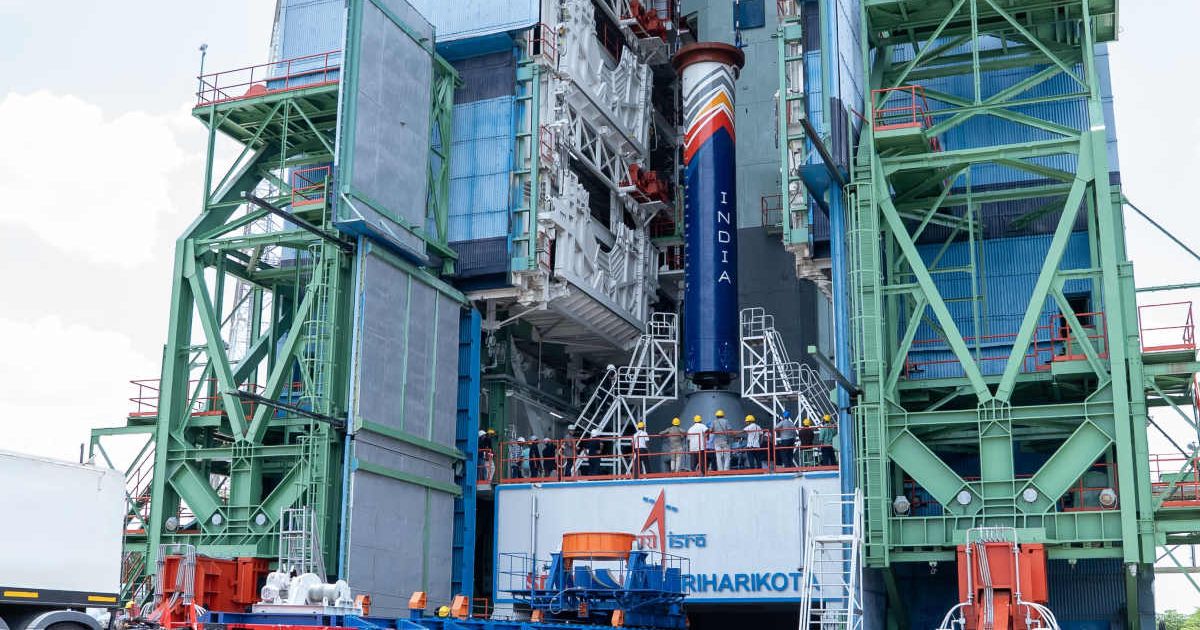
Last Sunday, India’s Skyroot Aerospace officially entered the 24-day window for the launch of its debut orbital mission. Aptly named ‘Aagaman’ (arrival), the mission is set to be historic, with no private Indian company having launched a satellite to orbit to date. The launch window opened on July 12 and ends on August 4, and the Vikram-1 rocket—named after Dr. Vikram Sarabhai, father of India’s space program—is standing tall, fully stacked, at the Satish Dhawan Space Center in Sriharikota, Andhra Pradesh.
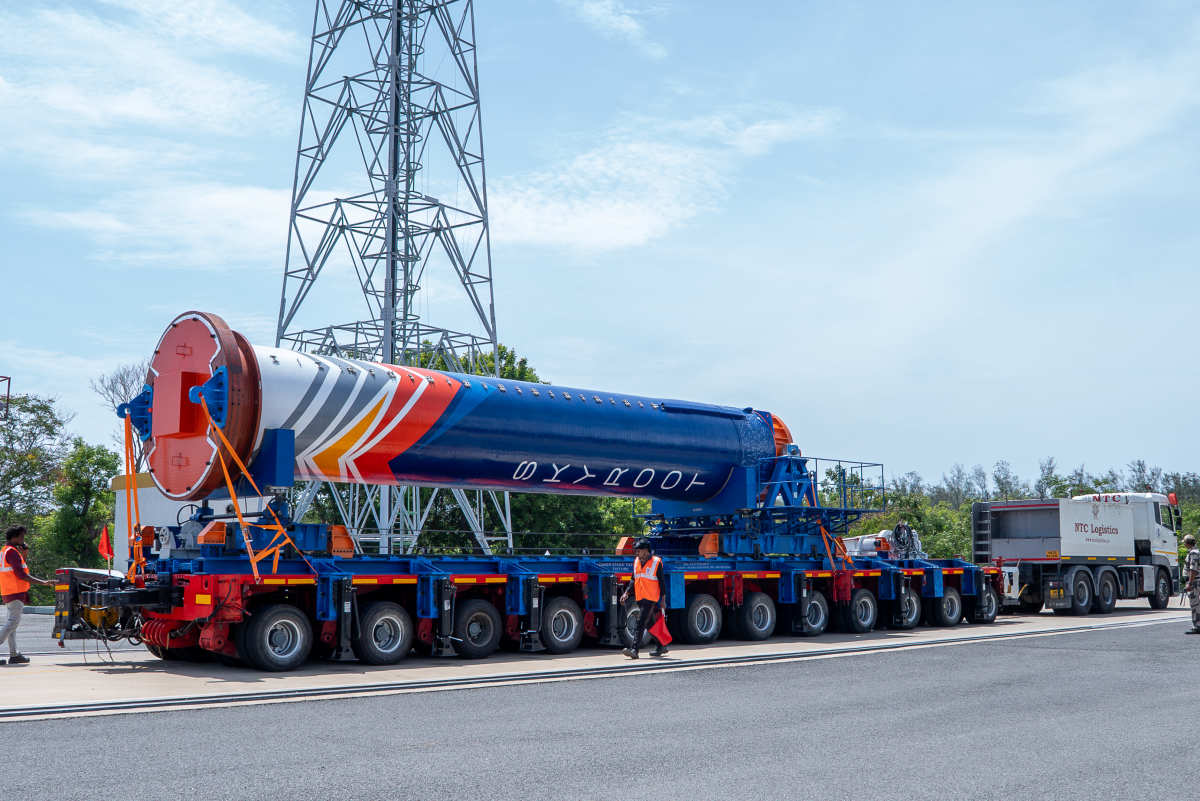
The company is trying to reach orbit nearly four years after it launched the Vikram-S rocket on the suborbital mission ‘Prarambh’ in November 2022. Vikram-S reached an altitude of 88 kilometers (54 miles), whereas Vikram-1 will cross 400 kilometers (248 miles).
Skyroot announces its arrival with mission Aagaman
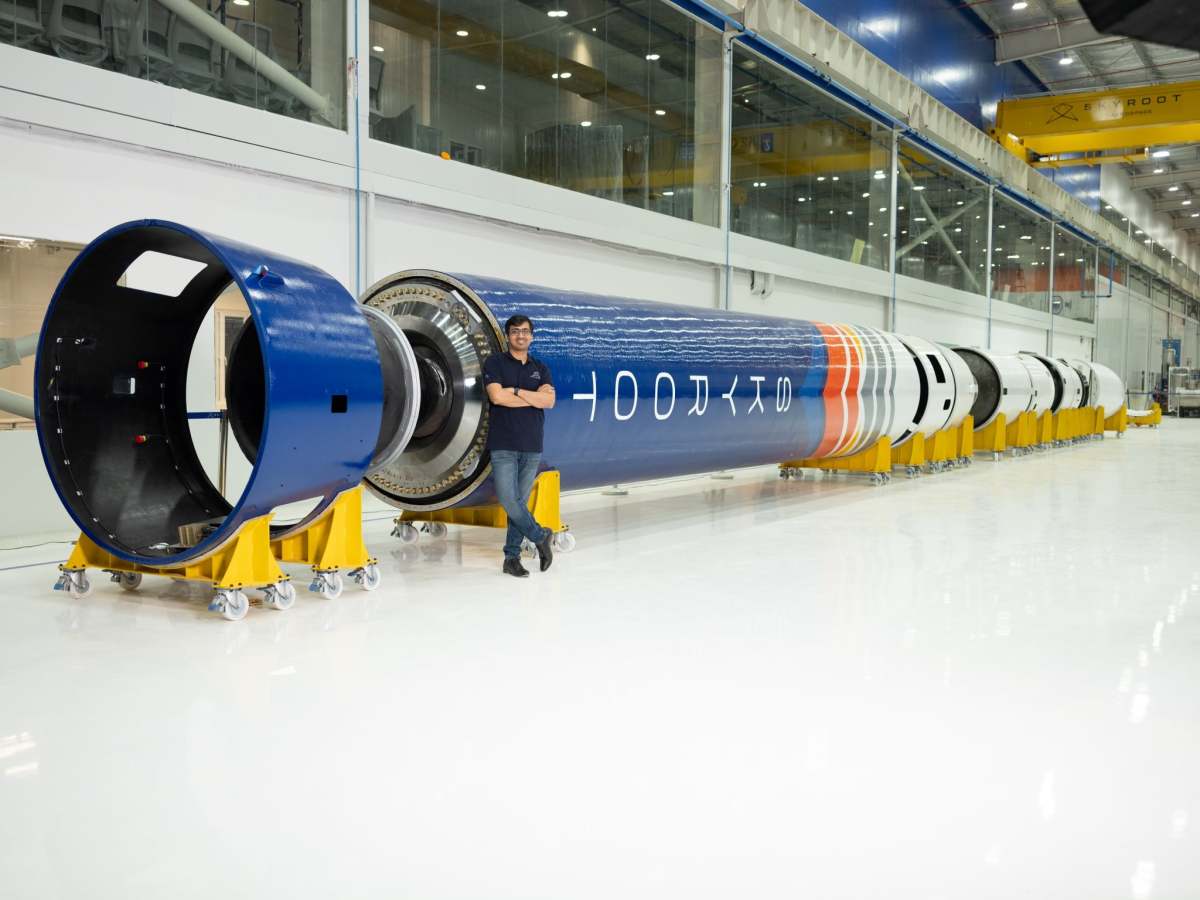
The Vikram-1 rocket has undergone many tests and simulations until now, but the team knows that some questions can only be answered in flight. Standing 20 meters tall, the rocket has four stages—three solid and a liquid upper stage that will be critical in injecting payloads at different orbits.
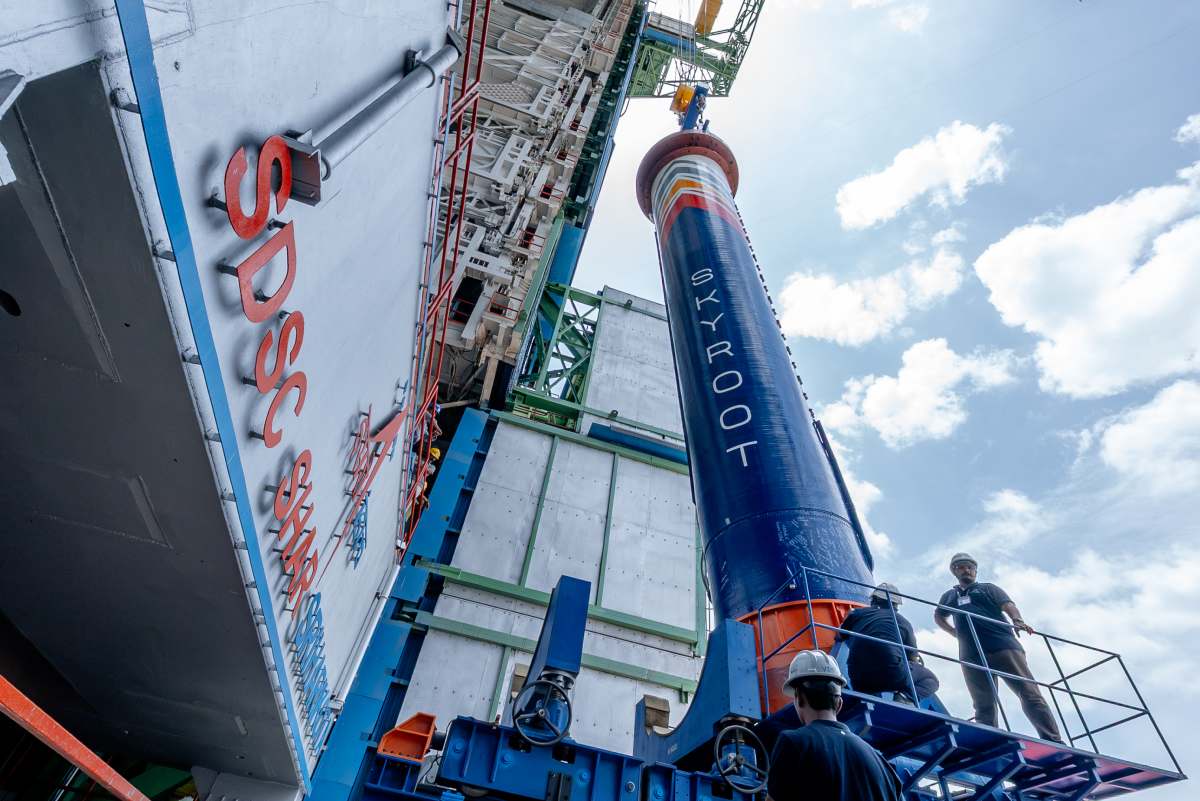
Skyroot co-founder and CEO Pawan Chandana describes mission Aagaman as the arrival of "a new Indian rocket in the global space market." "Mission Aagaman carries multiple test payloads, each one demonstrating critical technologies useful for the global space sector," Chandana said in a video released by Skyroot.
Vikram-1 has been modeled, simulated, tested, and qualified. And some questions can only be answered in flight. This episiode follows the team to Sriharikota, where the launch campaign is close to completion and with each passing day, Vikram-1 moves one step closer to flight.… pic.twitter.com/E2TZNgUXCU
— Skyroot Aerospace (@SkyrootA) July 11, 2026
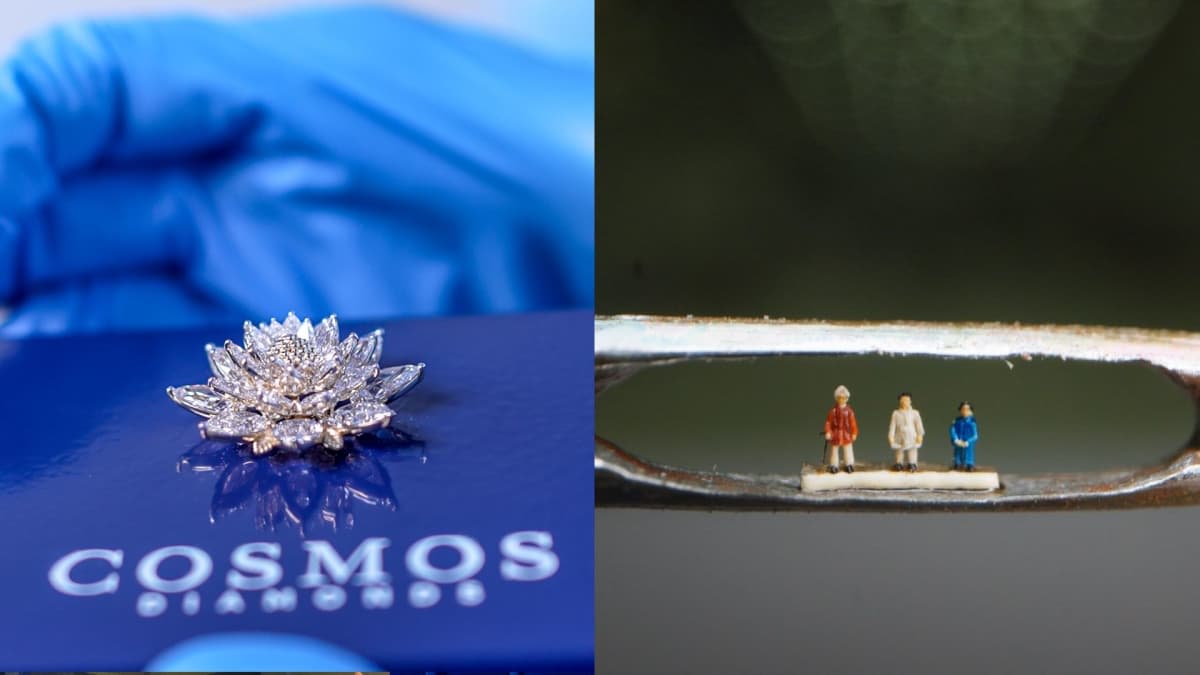
The payloads, which are being integrated into the launch vehicle, include Indian startup Graha Space’s SOLARAS S3 satellite, Skyroot’s SCOPE satellite, a technology demonstration developed by the German company DCUBED and a robotic arm designed to capture space debris by Indian firm Cosmoserve Space’s Embrace. Also flying to space are symbolic payloads such as the Cosmos Diamonds' artwork Cosmic Bloom and micro-sculptures of C.V. Raman, Dr. Vikram Sarabhai, and Dr. A.P.J. Abdul Kalam (ISRO scientist and former Indian President), each smaller than a grain of rice.
“Staying true to our ethos of ‘Opening Space For All,' our test flight has payloads both from India and international customers. After all, our Vikram-1 rocket is a vehicle to advance all of our collective goals,” Chandana said.
While mission Aagaman is a rideshare mission, it will also be a huge step towards the company's goal of offering dedicated custom orbital deployments. Co-founder Naga Bharat Daka says it will also provide an opportunity for startups to validate their technologies at a faster pace rather than waiting for years. “Rockets are unforgiving machines, and all the learnings from the test flight will help us iterate faster and build for future flights,” Chandana said. "Our goal at Skyroot is to build multiple Vikram-1 rockets and launch at a regular cadence."
More on Starlust
ISRO aces qualification tests of major spacecraft systems for crewed Gaganyaan mission
Starship Flight 13 slated for launch on July 16 as SpaceX looks to fix past problems