Artemis II: Orion finally conducts an outbound correction burn, countdown to lunar observations begins
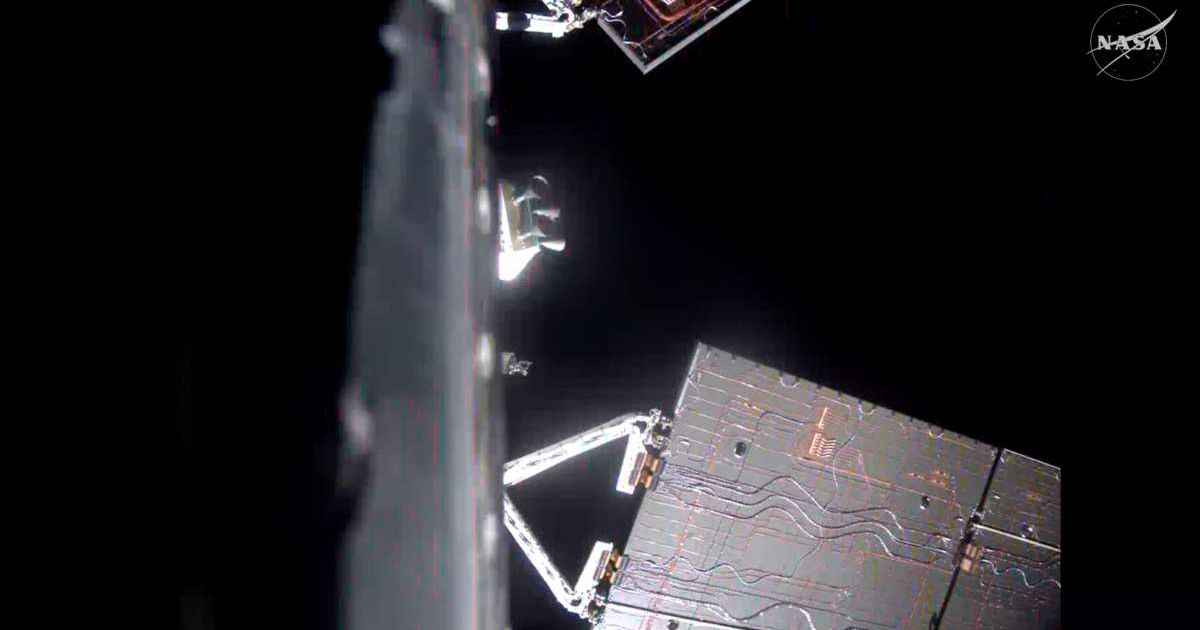
According to NASA, mission controllers have successfully helped the Artemis II crew complete Orion's third scheduled outbound trajectory correction burn of the mission. The burn, which refined Orion's trajectory to the Moon, began at 11:03 p.m. EDT on April 5, 2026, and lasted 17.5 seconds. Even though this was the third such burn on the mission’s schedule, it was only the first time one of them was actually executed. The reason for that was the precision with which the translunar injection burn set Orion on the path to the Moon, which meant the OTC burns that had been planned for flight day 3 and day 4 were cancelled.
Successful outbound trajectory burn!
— NASA Artemis (@NASAArtemis) April 6, 2026
This means that the Orion spacecraft fired its thrusters to further fine-tune the astronauts' path to the Moon.
Coverage of the lunar flyby tomorrow begins at 1pm ET (1700 UTC). https://t.co/uC5tOnQeA1 pic.twitter.com/3yeGmXUomP
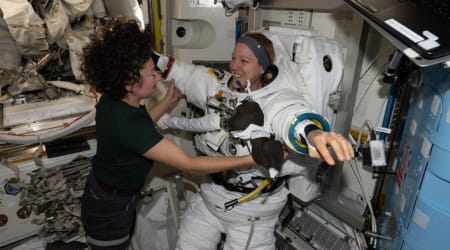
Mission managers discussed the burn as well as several other crew activities throughout the day during the new conference held on April 5, 2026. Artemis II Entry Flight Director Rick Henfling mentioned, “This is actually going to be the first one that we actually do. We found that Orion was on such a pinpoint trajectory that we didn’t need to do the first two correction maneuvers." Henfling also mentioned the completion of the testing of the Orion Crew Survival System (OCSS), which saw the crew put on their bulky orange suits, pressurize them, and check them for leaks. The crew also assessed their mobility in the suits and their ability to eat and drink with them on.
One last look at Earth before we reach the Moon.
— NASA (@NASA) April 5, 2026
This view of the Earth was captured on April 5, the fourth day of the Artemis II mission, from inside the Orion spacecraft. The four astronauts will reach their closest approach of the Moon tomorrow, April 6. pic.twitter.com/z2NJUGWkKc
As for the burn, when it finally took place, Christina Koch, who is making history as the first woman to travel to the Moon, remarked, “Great to finally do a burn.” To this, mission controllers responded, “I know. A nice beautiful little burn too. Be advised we are maneuvering for opportunistic science, and you would need to configure your D5 and Z9 cameras for that."
LIVE: Agency leaders answer media questions and provide updates on our Artemis II mission ahead of the lunar flyby set for Monday, April 6. https://t.co/3qsuYqPamK
— NASA (@NASA) April 5, 2026
The crew will be using their hand-held cameras to image their observational targets on the far side of the Moon. The lunar flyby, in fact, will begin at 2:45 p.m. EDT, but the crew will have broken the record, set by Apollo 13, for the farthest distance traveled by humans way before that, at 1:56 p.m. EDT. So make sure you tune in to any one of the numerous platforms NASA will stream the live coverage well in advance.
More on Starlust
'Not the Moon you see from Earth': NASA’s Christina Koch describes the view from Artemis II’s Orion
Artemis II astronauts Christina Koch and Jeremy Hansen complete manual piloting demo