Artemis II: Mission control cancels first outbound trajectory correction burn. Here's why
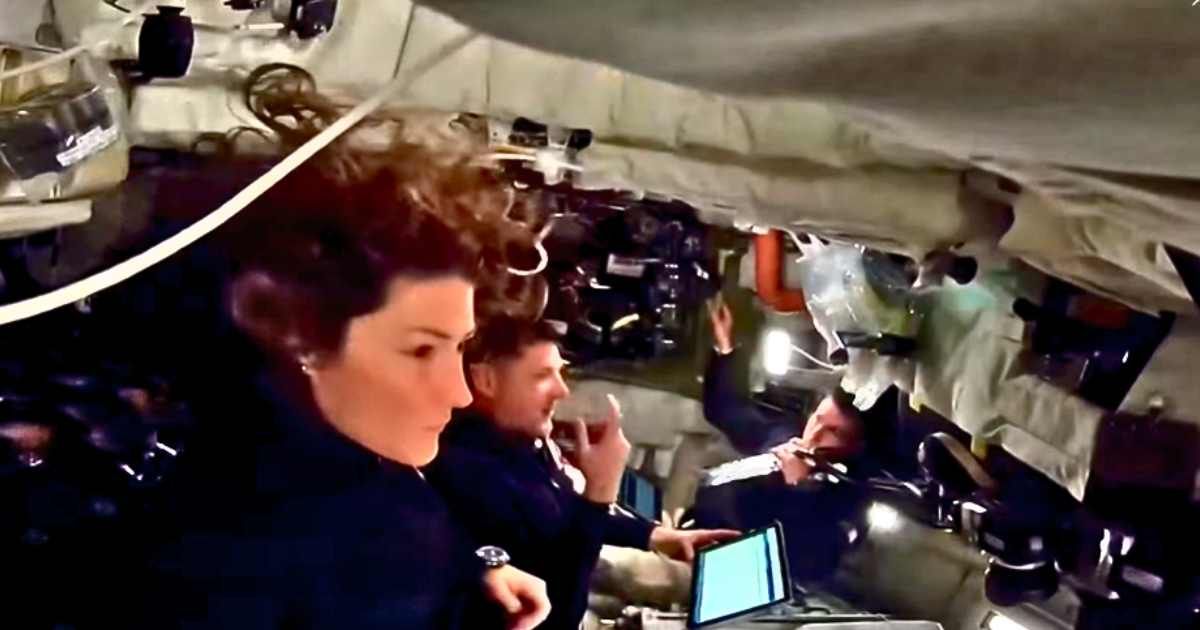
The burn was supposed to be the first of the three course correction maneuvers.
UPDATED APR 4, 2026
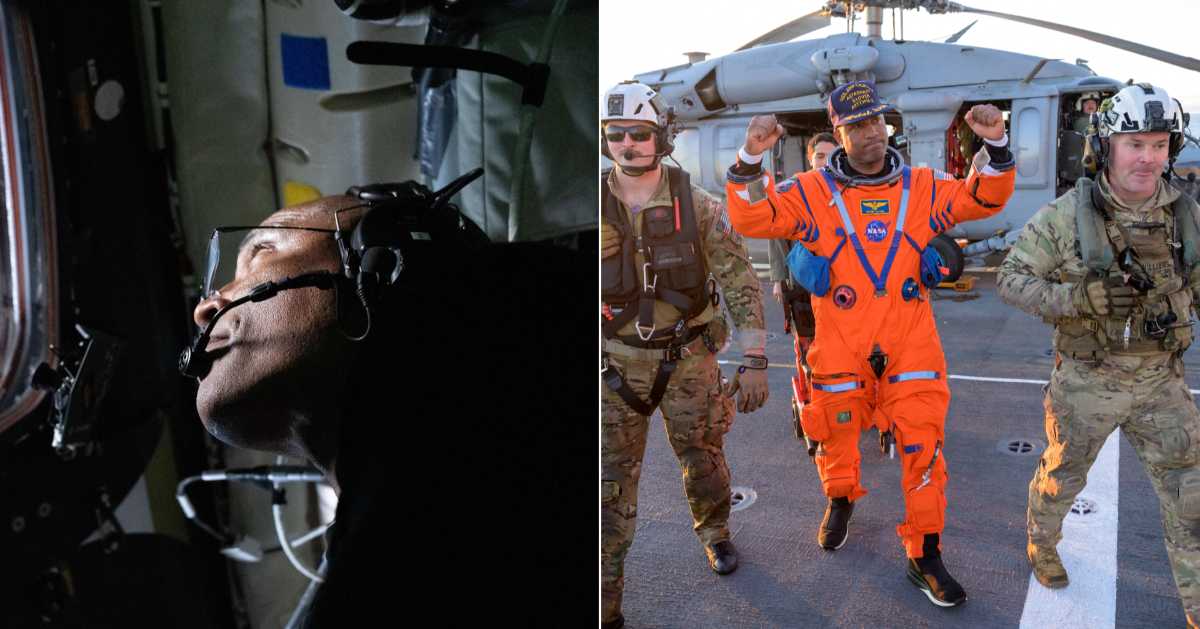
NASA astronauts Christina Koch (in the front) and Reid Wiseman (in the back) preparing for Flight Day 3 with CSA's Jeremy Hansen (in the middle) in Orion on April 3, 2026. (Cover Image Source: Screenshot from NASA Artemis II Live Mission Coverage)

Artemis II is officially in its third day of flight and things are going pretty well. In fact, they are going so well that mission control in Houston did not feel the need for Orion to perform its first outbound trajectory correction burn scheduled for the day, according to NASA

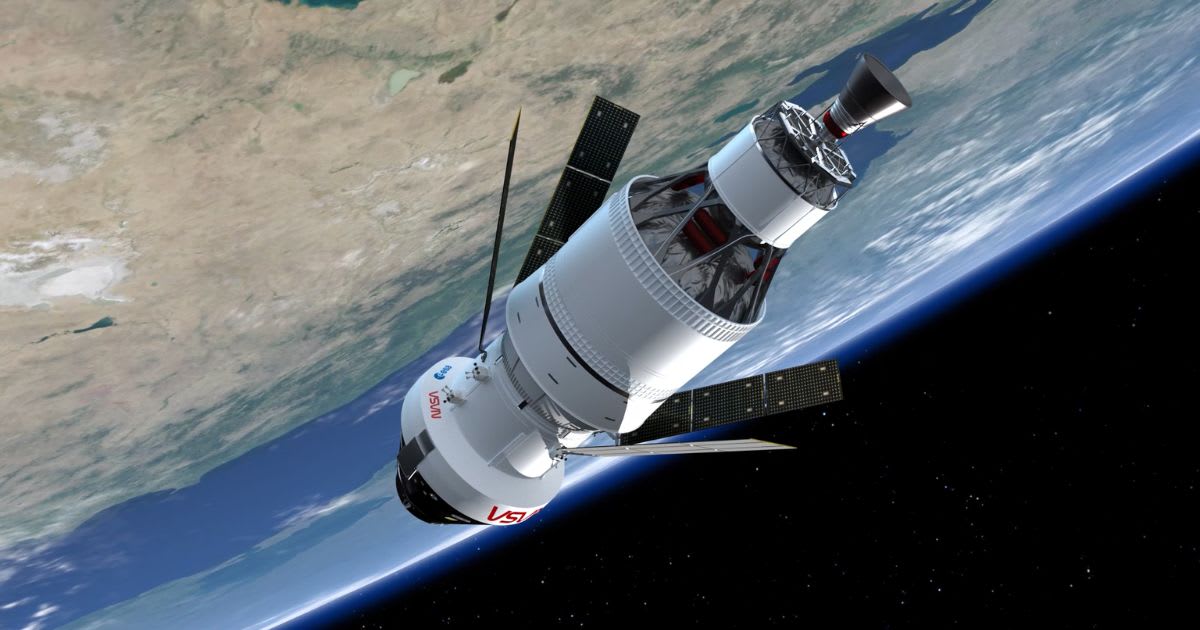
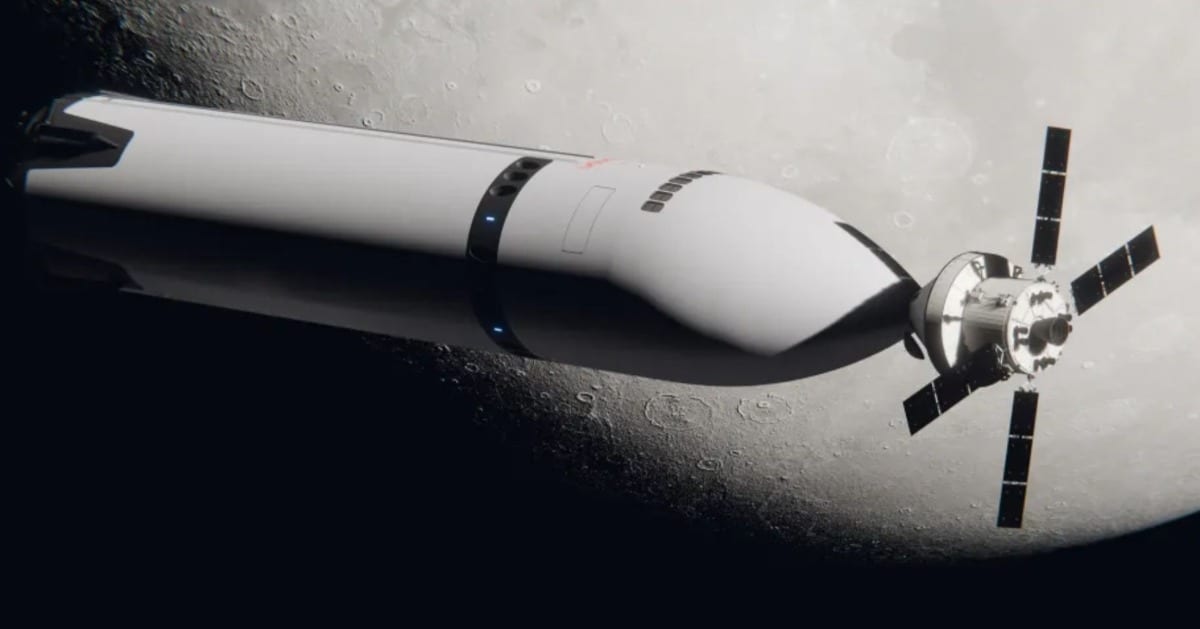
Artist’s representation of Artemis II from the perspective of the European Service Module. (Representative Cover Image Source: ESA)
Artist’s representation of Artemis II from the perspective of the European Service Module. (Representative Image Source: ESA)

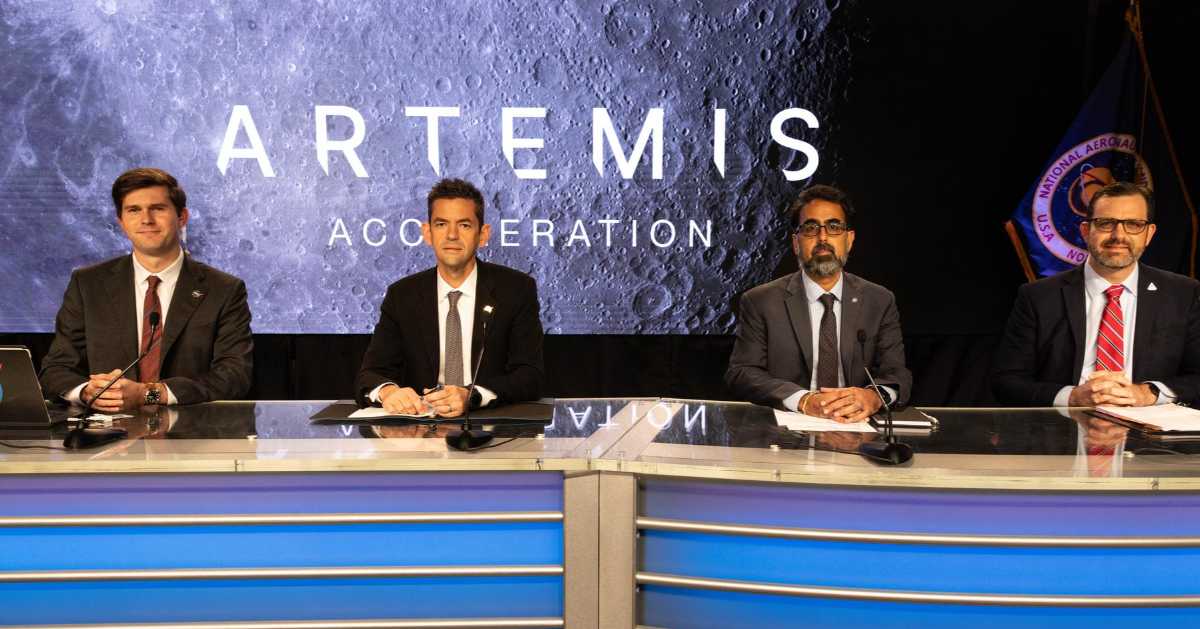
But was mission control surprised that the correction burn was not needed? "No. Not at all," said ascent flight director Judd Frieling during a press briefing on April 3. "I think it's really good to see that we don't need these minor correction burns. It shows that our navigation performance and our ability to get ranging have been outstanding," added Orion program manager Howard Hu. In fact, this isn't the first time NASA could afford to skip a correction burn on a Moon-bound mission. "I know we skipped one correction burn on Artemis I," Hu noted further.

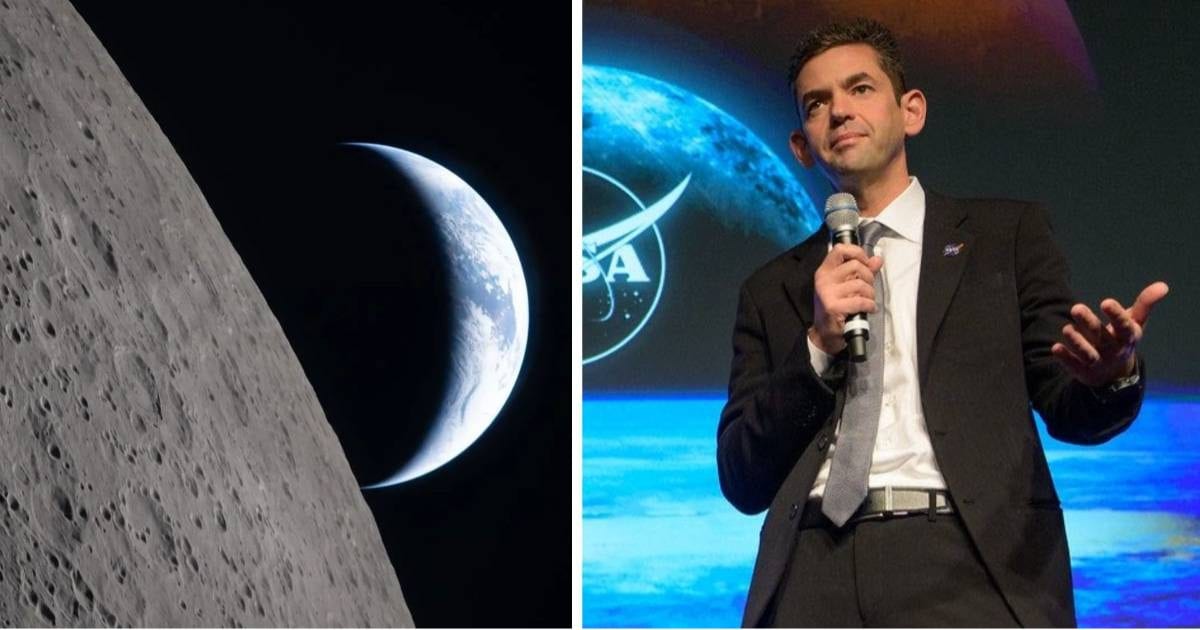
NASA astronaut and Artemis II Commander Reid Wiseman took this picture of Earth from the Orion spacecraft's window on April 2, 2026, after completing the translunar injection burn. (Image Source: NASA/Reid Wiseman)

The burn in question was the first of the three trajectory adjustment maneuvers meant to refine Orion's velocity and path on its way to the vicinity of the Moon. And while it was cancelled, any future course correction adjustments required may be incorporated into the burns that are to follow. The maneuver would have followed the translunar injection burn (TLI) that was performed yesterday. It shot the crew - NASA astronauts Reid Wiseman, Victor Glover, and Christina Koch, along with CSA (Canadian Space Agency) astronaut Jeremy Hansen - out of Earth's orbit (the first time this has happened since 1972) to send them towards the Moon and, in doing so, also set them on a free-return trajectory back to Earth.
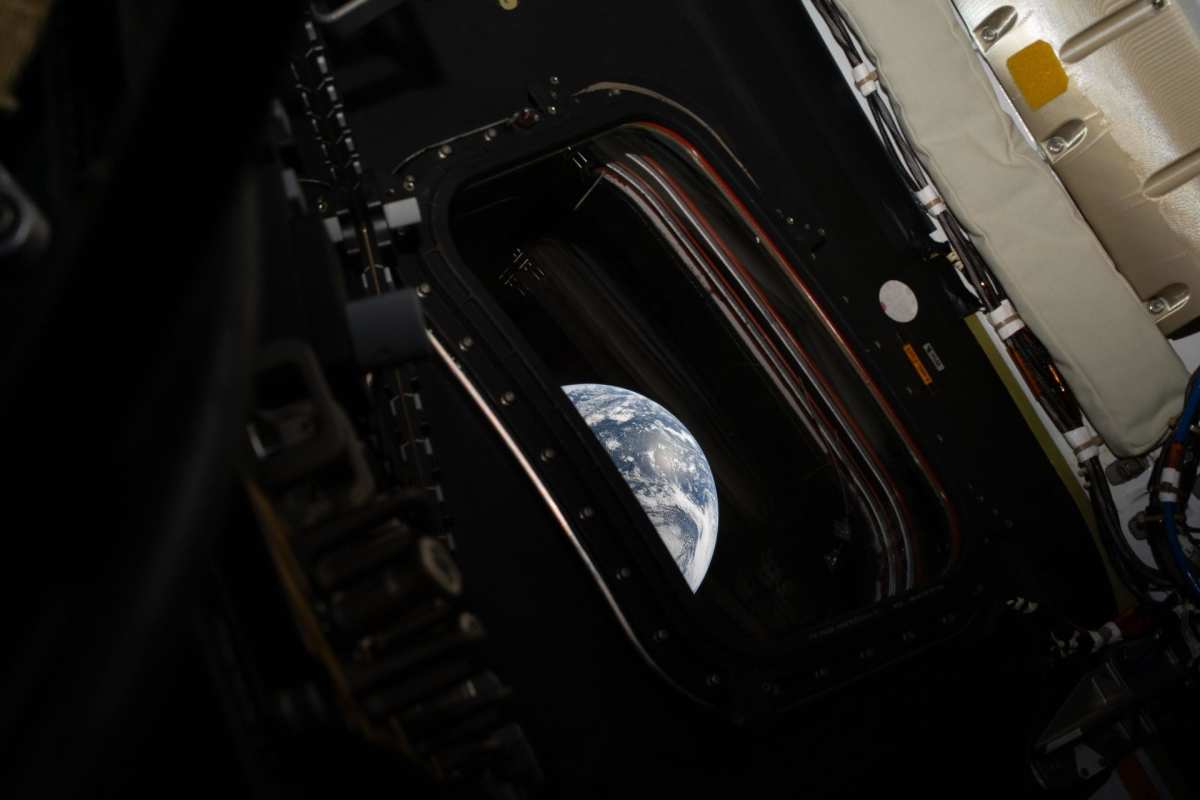
A view of Earth taken by NASA astronaut and Artemis II commander Reid Wiseman from one of the Orion spacecraft's four main windows after completing the translunar injection burn on April 2, 2026. (Image Source: NASA/Reid Wiseman)

As for other Day 3 activities, they include demonstrating CPR procedures, checking out Orion's medical kit, and testing the spacecraft's emergency communication system on the Deep Space Network. The schedule also involves the crew preparing for the scientific observations they will make on Monday, April 6, during the six-hour lunar flyby—essentially the main event of the mission. NASA reports that during the flyby, the Sun, the Moon, and the spacecraft will be aligned such that about 20% of the far side of the Moon will be illuminated by the Sun. This will allow the astronauts to observe the full Orientale basin, the Pierazzo crater, and the Ohm crater. The handheld cameras accompanying the crew will be fitted with 80-400 millimeter and 14-24 millimeter lenses to enable them to capture these features. They will also get to see a solar eclipse once they are behind the Moon.

More on Starlust

'There is nothing normal about this': Artemis II astronauts get candid as they head for the Moon

Artemis II update: Crew set to spot rare solar eclipse, make detailed surface observations and more
MORE STORIES

Once Crew-13 arrives at the station, the group will form part of Expedition 75 on board the ISS.
7 hours ago
Isaacman defends Trump over NASA cuts, opens up on Gateway cancellation, and talks post-ISS plans.
1 day ago
Orion heat shield showed reduced damage and improved performance thanks to trajectory tweaks.
2 days ago
Besides delivering food, supplies, and equipment, SpaceX's Dragon will also carry a number of important science experiments.
2 days ago
The Jeff Bezos-owned company will be able to launch the New Glenn rocket again only after getting its final report and potential corrective measures approved by the FAA.
3 days ago
The Office of Inspector General warns that the next-gen spacesuits may not be ready for demonstrations before 2031.
3 days ago
The core stage of the SLS Moon rocket will travel to NASA's Kennedy Space Center in Florida, where it will undergo vertical integration.
3 days ago
China delays the launch of the next mission to its orbital outpost as well, using the Shenzhou-23.
4 days ago
Despite smooth booster touchdown, NG-3 fails to deploy AST's Bluebird 7 payload into correct orbit.
4 days ago
As they interacted with the media, the crew members of the Artemis II mission also talked about how they were supported on the mission by mental health professionals.
7 days ago