Artemis II: NASA now targets March 20 for SLS rocket rollout to launchpad
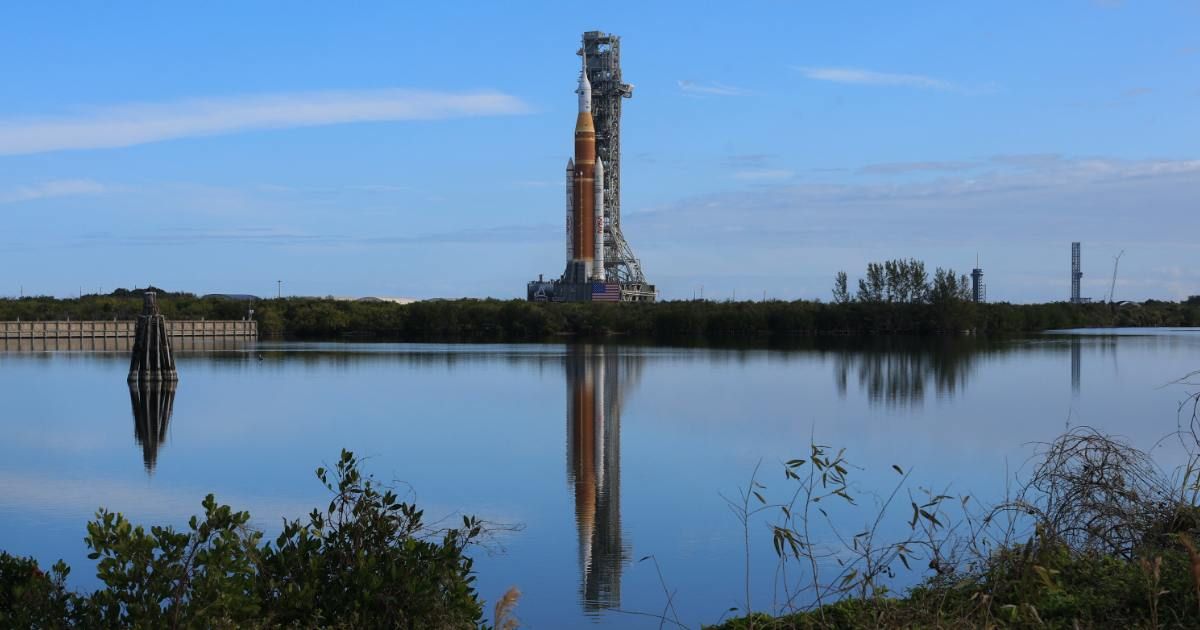
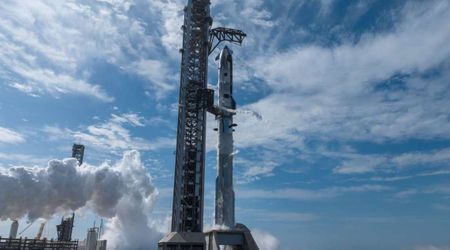
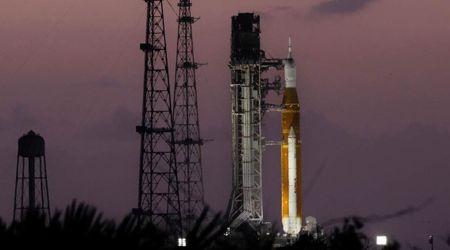
The rollout of the Artemis II SLS rocket from the Vehicle Assembly Building (VAB) to Launch Pad 39B at the Kennedy Space Center in Florida has been postponed, NASA announced. The 4-mile crawl of the rocket stack atop the Crawler-Transporter 2 will now take place on March 20, 2026, at the earliest, instead of March 19. "A rollout on March 20 would still preserve the possibility of launching at the beginning of the April launch window, though teams also are keeping a close eye on the weather in the coming days," the space agency added. A total of 7 launch windows are available in the month starting with April 1, with April 2 having been added to the previous list of launch opportunities.
Teams are now targeting no earlier than Friday, March 20, to roll Artemis II to the launchpad, maintaining the opportunity for an April 1 launch attempt. More info: https://t.co/JcznDQoyVh pic.twitter.com/V3aQNJiI7J
— NASA (@NASA) March 16, 2026
NASA attributed the delay to an electrical harness for the flight termination system on the SLS core stage that needed replacement. While teams have addressed the situation, preparations to ready the rocket for the move are still underway. The Exploration Systems team will handle the rollout, which could potentially take up to 12 hours.
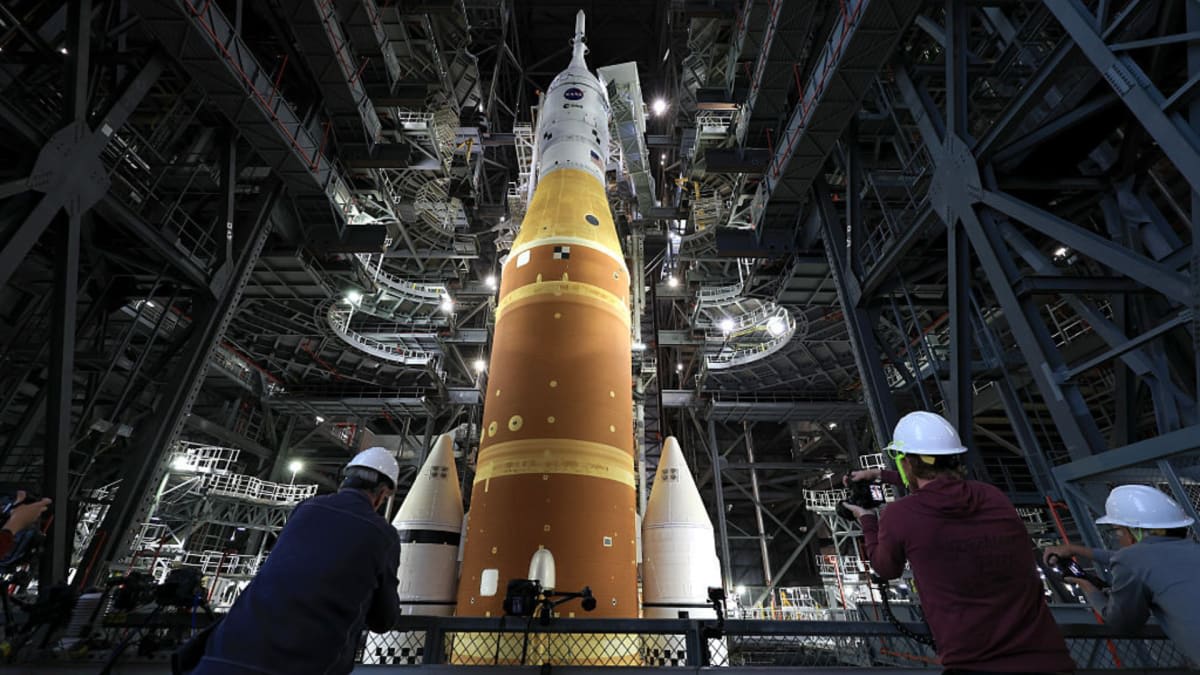
The SLS rocket stack reached the VAB on February 25, 2026, so that teams could look into the helium flow issue that had surfaced after the second wet dress rehearsal. This rollback came as a disappointment to many because of how successful the second wet dress rehearsal was deemed to be, given how the agency had managed to keep the hydrogen leak well within safety limits. Once the rocket reached the VAB, engineers traced the issue to a quick-disconnect seal through which helium flows from the ground to the rocket.
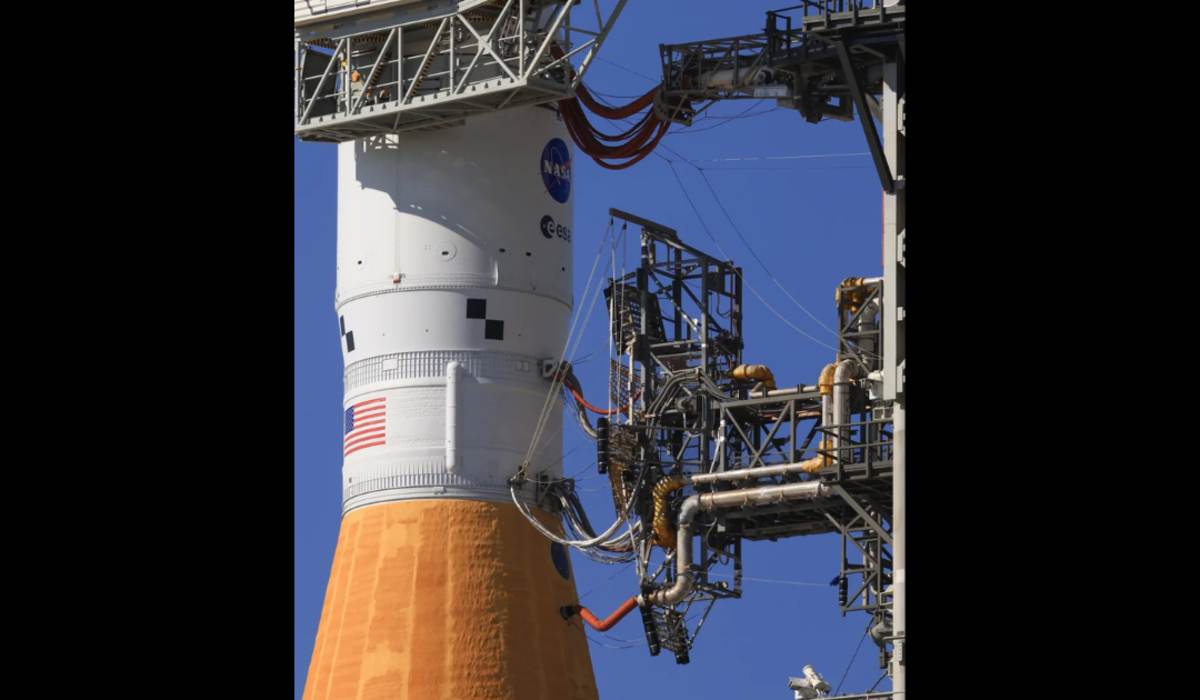
"Our combined engineering teams across our ground systems and SLS teams came up with a design fix," explained Exploration Ground Systems Program Manager Shawn Quinn during the press briefing held on Thursday. That design fix was implemented on a test article, and we have successfully tested it, and we have qualified it for use on Artemis II, and the modified QD is already on the upper stage."
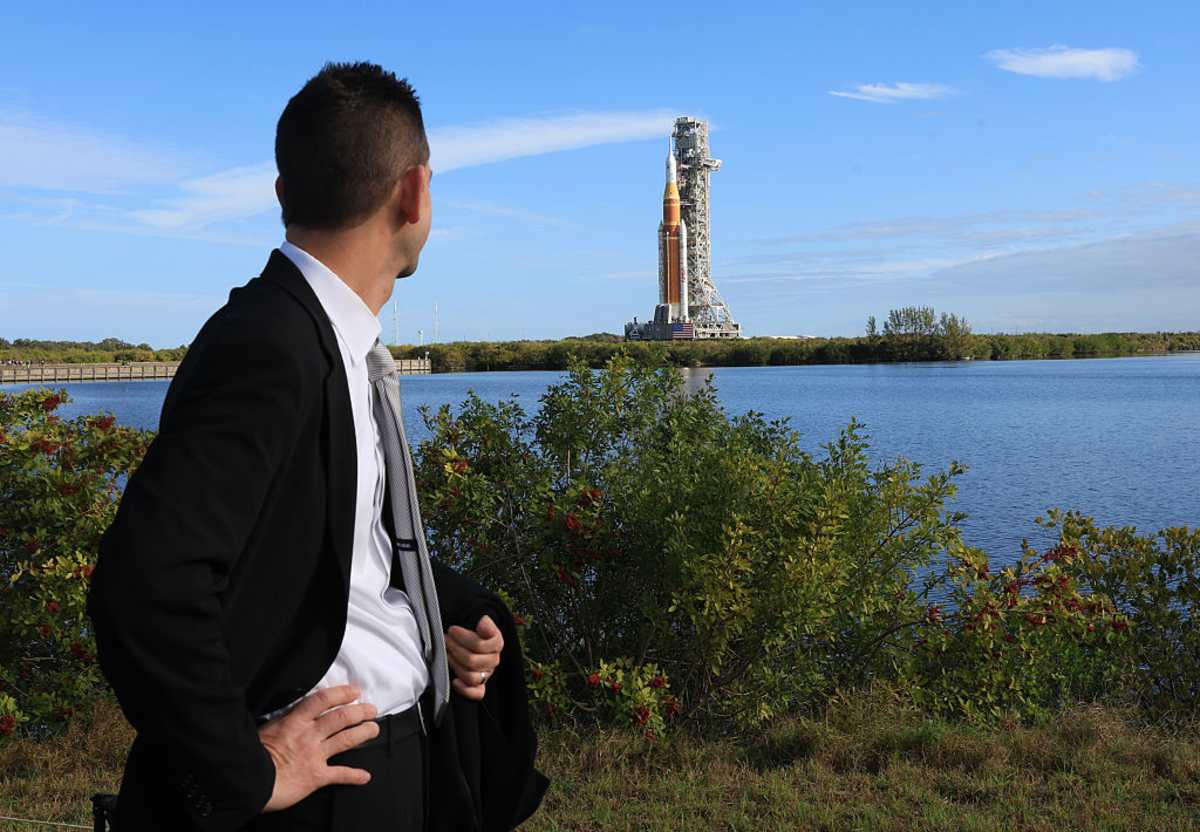
With the Artemis program, the aim is to restore a “golden age of innovation and exploration" to reach the Moon and eventually Mars with human explorers. Beginning with the launch of this particular mission, NASA hopes to increase its launch cadence to allow itself and its partners to make steady incremental steps towards reaching its goals, as opposed to steep learning curves with fewer launches. Owing to the numerous delays since Artemis I took off in 2022, many of the aspects of the program were called into question. This led NASA to make sweeping changes to its plans, which assigned the objective of human lunar touchdown to Artemis IV, slated for 2028.
More on Starlust
You can track Artemis II mission in real time, thanks to this new NASA platform
All about Christina Koch, the first woman to fly around the Moon as part of Artemis II