Artemis II: NASA decides to roll out SLS rocket to launchpad tonight; crew enters quarantine
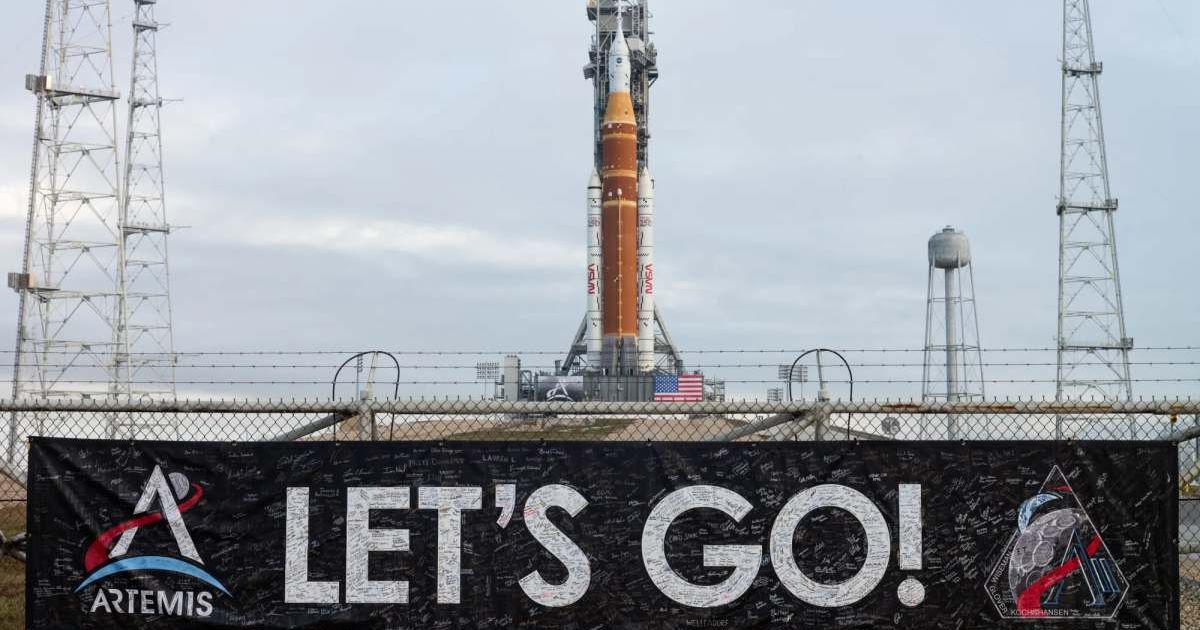
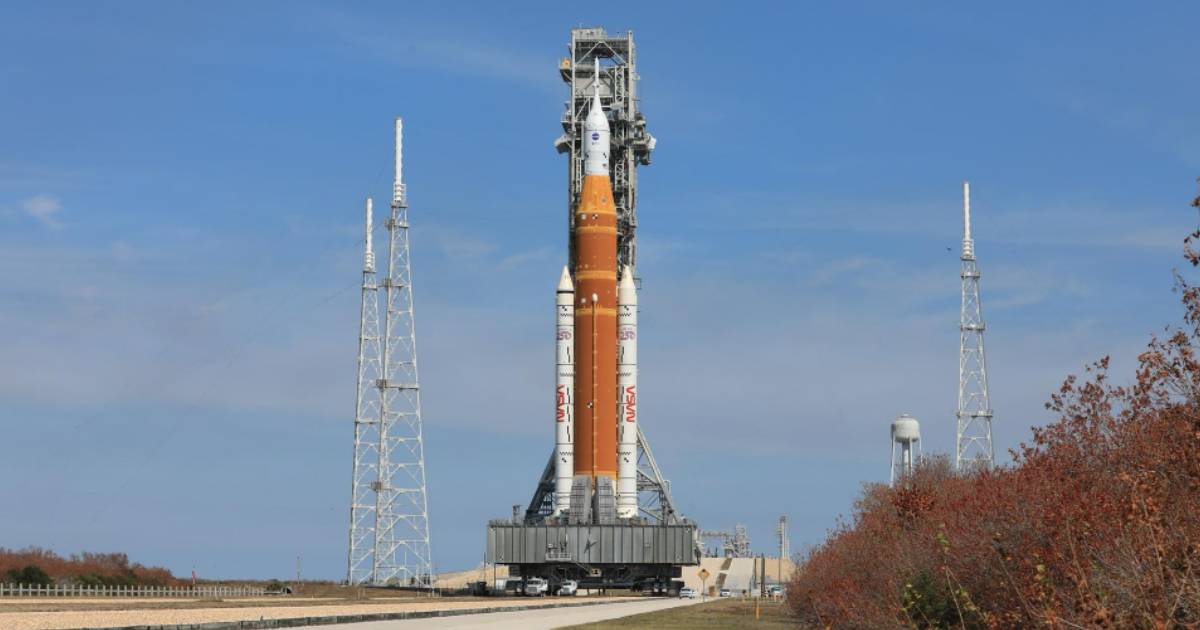
Having completed the closeout operations of the SLS rocket quicker than expected, NASA has confirmed their commitment to move the Artemis II rocket to Launch Pad 39B at the Kennedy Space Center today (March 19, 2026). According to the agency, the roughly 4-mile journey will commence at 8 pm EDT. Exploration Ground Systems teams will continue to be on the lookout for weather conditions that may not be ideal for this move. Just like liftoff, rolling the rocket from the Vehicle Assembly Building also has certain weather criteria. However, with the forecast for Cape Canaveral looking good, barring chances of brief showers starting at midday, the arrival of the SLS rocket along with the mobile launcher to launchpad 39B at Kennedy Space Center seems imminent.
Engineers are targeting 8 pm ET on Thursday, March 19, for rollout of Artemis II.
— NASA Artemis (@NASAArtemis) March 18, 2026
NASA’s crawler-transporter 2 will carry the 11-million-pound stack at about 1 mph along the four-mile route from the Vehicle Assembly Building at @NASAKennedy to the launch pad. pic.twitter.com/5Agyd997ou
Utmost care will be taken by the EGS teams in transporting the 322-foot-tall rocket weighing in at 11 million pounds. The Crawler-Transporter 2, which was modified to Artemis specifications from an existing crawler vehicle used during the Apollo missions, will take up to 12 hours to bring the rocket stack to its final resting position. This extremely slow speed, topping off at 1 mile per hour, is very much by design so as to put the least amount of stress possible on the rocket for a move of this scale.
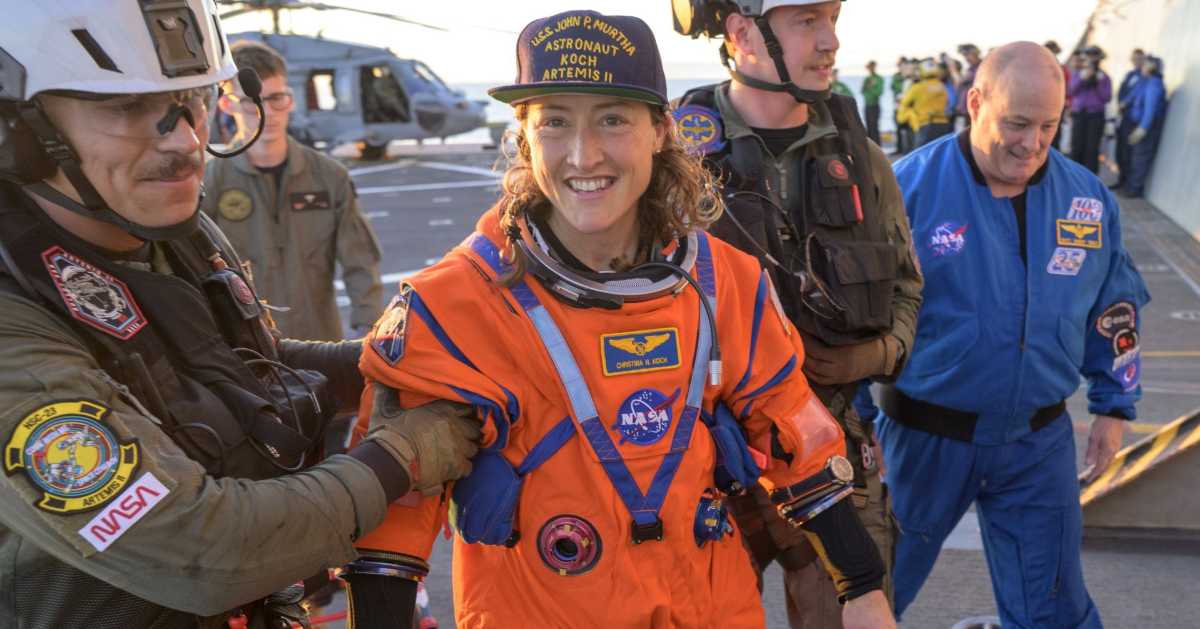
With the launch vehicle close to readiness, the human element of the mission also saw a key development on Wednesday, March 18, 2026. At 5 pm CDT (6 pm EDT), the crew of Artemis II entered quarantine in Houston to minimize the risk of contracting diseases prior to the flight. Reid Wiseman, Victor Glover, and Christina Koch of NASA and the Canadian Space Agency's (CSA) Jeremy Hansen will arrive at the Kennedy Space Center five days before launch (which currently is being targeted on April 1), while still maintaining quarantine protocols.

Last week, the crew was reminded of the risks that they would be taking by flying with this mission. Mission managers felt the importance of maintaining transparency during the Flight Readiness Review finished on February 12, 2026, given multiple repairs that have had to be made so far. Even though the crew has had plenty of training and understands the stakes well, the mission is still a huge leap over its predecessor in Artemis I. That remains the only time the SLS rocket has lifted off, and a second time with humans on board leaves little room for errors or mishaps.
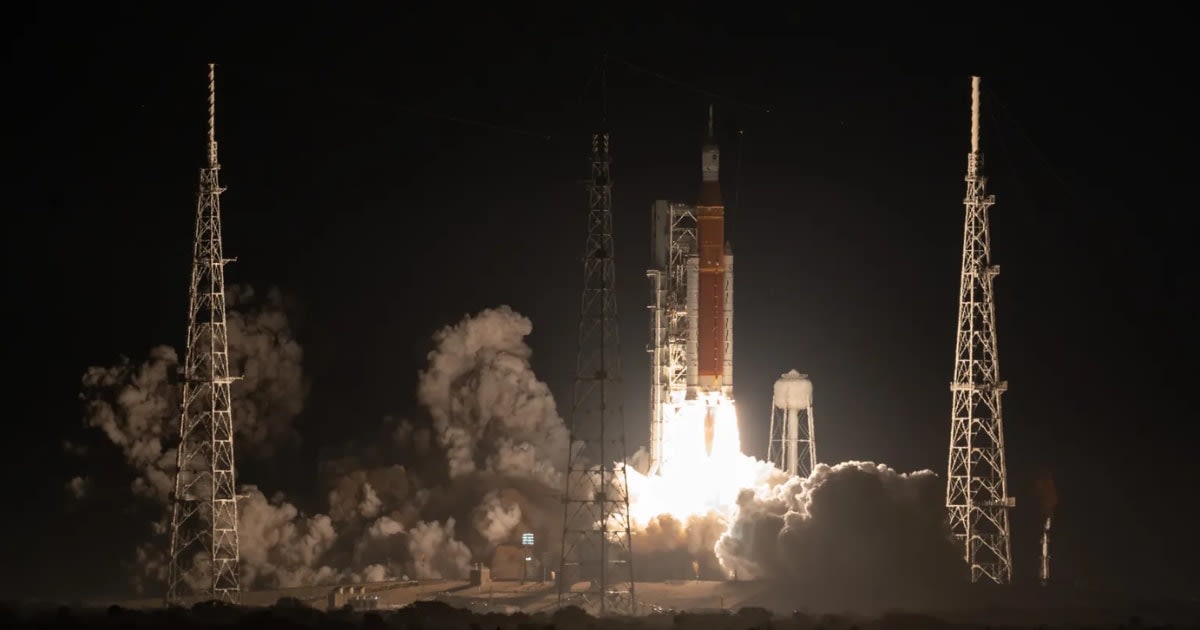
The launch vehicle had exceeded performance expectations set for it last time. The uncrewed mission around the Moon in November 2022 tested the SLS’ core stage, solid rocket boosters, upper stage, and software to an exhaustive degree. Per NASA, about 35 terabytes of data were collected during the mission, with more than four terabytes of it corresponding to onboard imagery. The remaining 31 terabytes of data were composed of SLS image data from cameras installed on it, on the ground, and aerial cameras focused on SLS before and during launch. Extensive analyses of this data are said to have been proof of SLS’s capabilities to carry humans to the vicinity of the Moon.
More on Starlust
Artemis II: NASA will monitor the Sun to protect the astronauts from dangerous radiation
NASA selects United Launch Alliance to provide upper stage for Artemis IV and V