NASA may roll out Artemis II SLS rocket sooner than expected as ground teams make up time
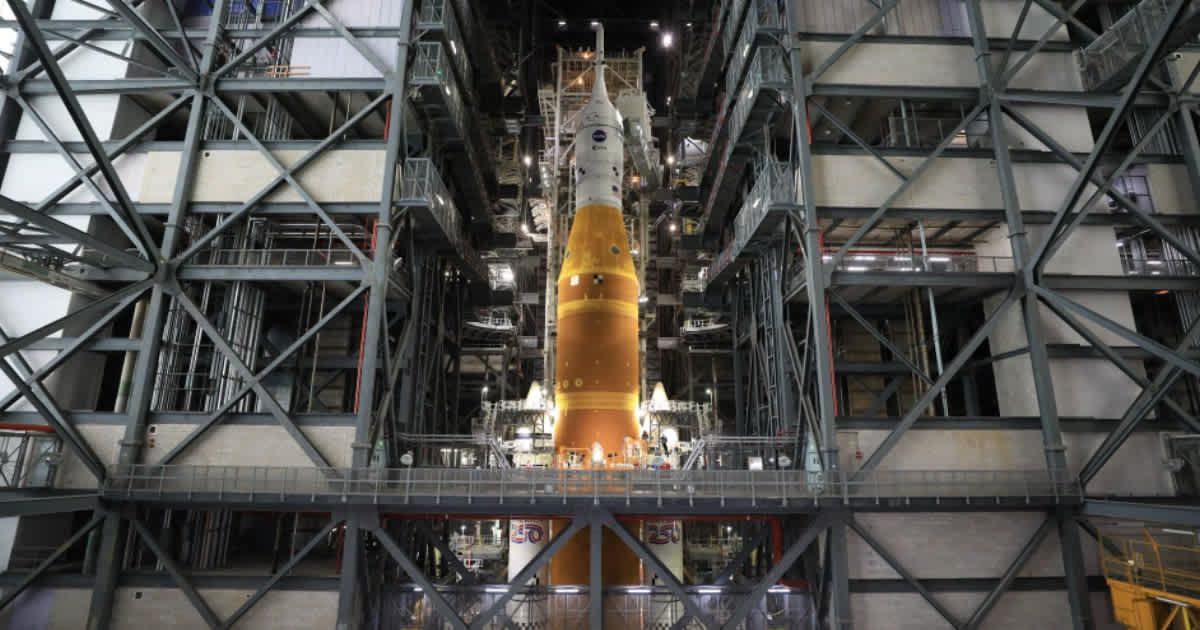
Artemis II mission managers at NASA are reassessing rolling out the SLS rocket from the Vehicle Assembly Building (VAB) on Thursday, March 19, 2026. It was the original plan, discussed by them during a recent media briefing held on March 12, 2026, after a positive Flight Readiness Review (FRR). However, a couple of days later, the agency reported replacement of an electrical harness for the core stage’s flight termination system, an activity that is said to have pushed the rollout to Friday. But now, it appears that time has been recovered, with the rocket already closed out inside VAB. The exact date on which the rocket’s journey to launch pad 39B at the Kennedy Space Center in Florida will commence will be determined on Wednesday, March 18, 2026.
Due to quicker-than-expected completion of closeout activities, Artemis II rollout may now begin as soon as Thursday, March 19. A final decision will be made on Wednesday. More info: https://t.co/9WcVfYmGAv
— NASA (@NASA) March 17, 2026
Meanwhile, the crew of Artemis II has had a period of low activity in preparation for their flight around the Moon and back. They are slated to enter their requisite 14-day quarantine period today, March 18, ahead of a possible launch on April 1, 2026. Launch of Artemis II could also happen on one of the succeeding days until the 6th, after which the next launch window presents itself on April 30, 2026. The crew was also present virtually during the aforementioned FRR, joining from their current location at NASA’s Johnson Space Center in Houston. The plan is for them to be relocated to the Kennedy Space Center on March 27, keeping them isolated all the while, as dictated by the terms of their quarantine.
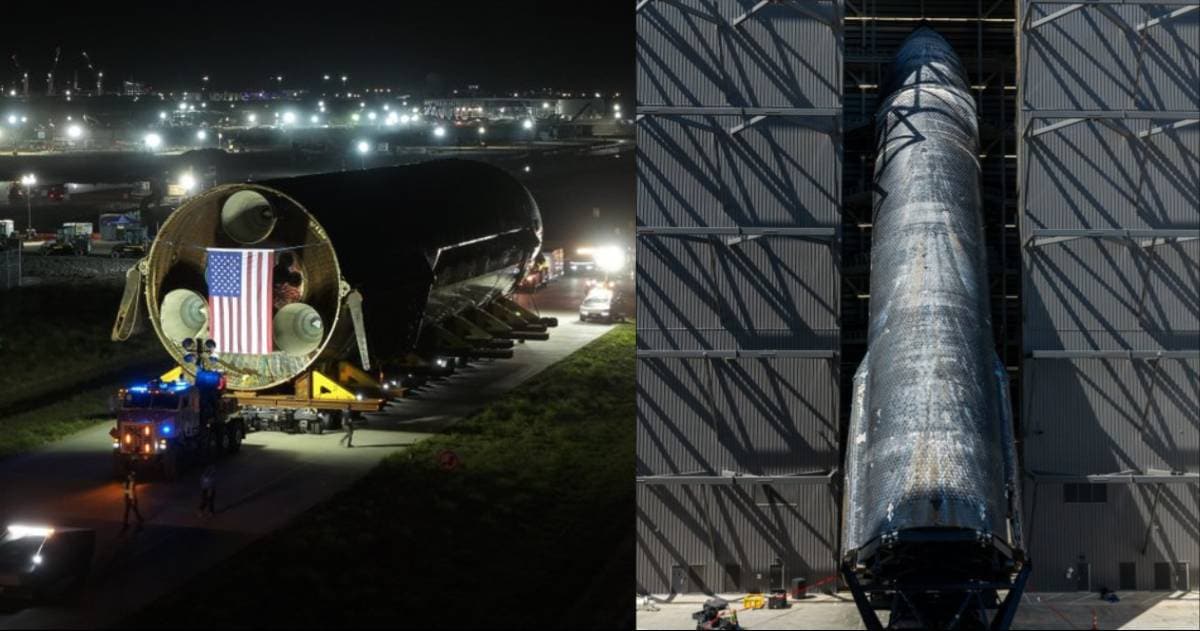
NASA states that the rollout of the SLS rocket is a process that could take up to 12 hours during a 4-mile path. The previous journey to the VAB on February 25, 2026, had taken around 10 hours and 22 minutes. This had been enforced despite a successful simulation of tanking, known as a wet dress rehearsal, a few days prior. During the reconfiguration of the rocket after the second wet dress rehearsal, a reduced flow of helium was found to have necessitated repairs inside the VAB. Earlier, pad access platforms had been placed at Launch Pad 39B to access the core stage intertank and solid rocket booster. This had been done to service and test the flight termination system as per Eastern Range safety requirements.
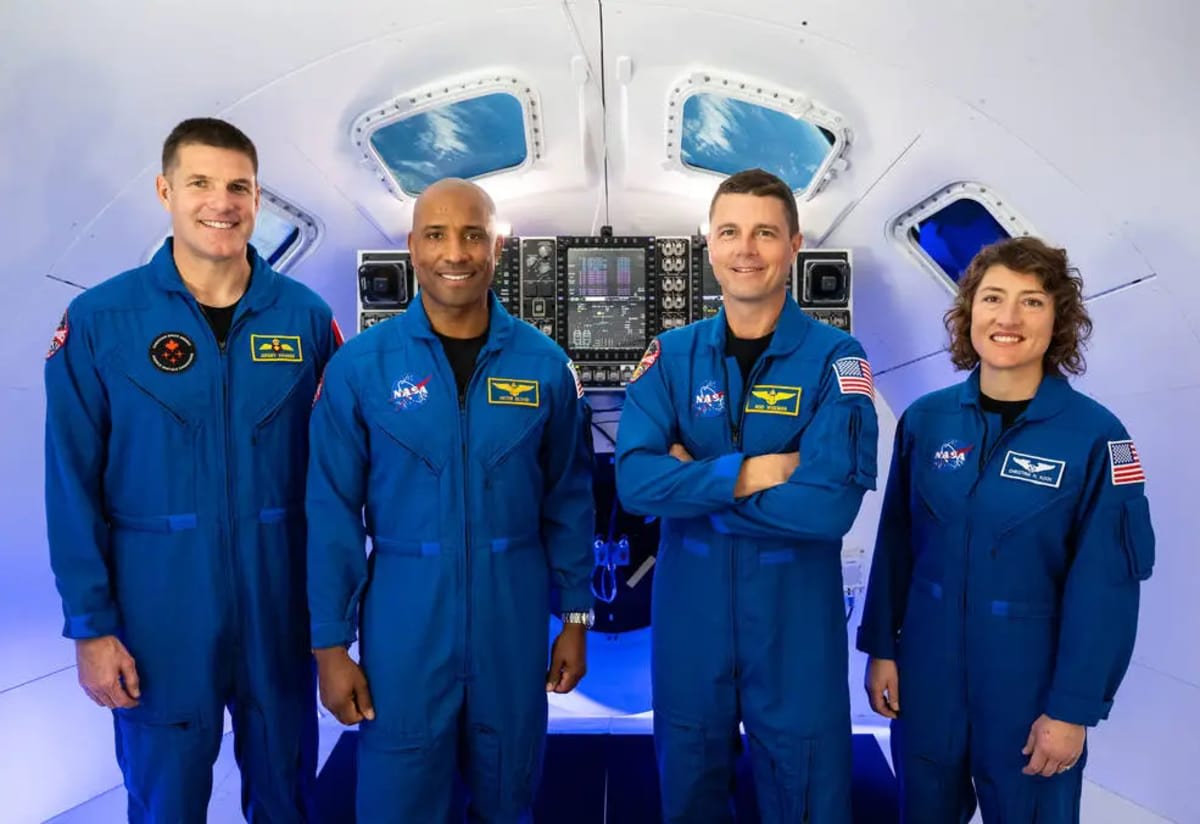
The crew had an intentionally quiet week ahead of their mission around the Moon. Teams at @NASAKennedy have been extra busy preparing for rollout of the rocket and hosting a flight readiness review. Teams in the review determined we are go for launch on no earlier than April 1. pic.twitter.com/vc6EaGK7u2
— NASA Artemis (@NASAArtemis) March 16, 2026
As it turned out, the rocket’s time inside VAB during the last few weeks allowed the Exploration Ground Systems teams to undertake many other activities. This included replacement of batteries as well as servicing and testing of the flight termination system, besides accessing the upper stage to replace a seal that had caused the obstruction of helium to the rocket’s interim cryogenic propulsion stage (ICPS). Before the rollback had taken place, the first wet dress rehearsal had also been largely successful. However, another issue concerning a hydrogen leak near the tail service mast umbilical at the base of the rocket caused early termination of the simulated countdown.
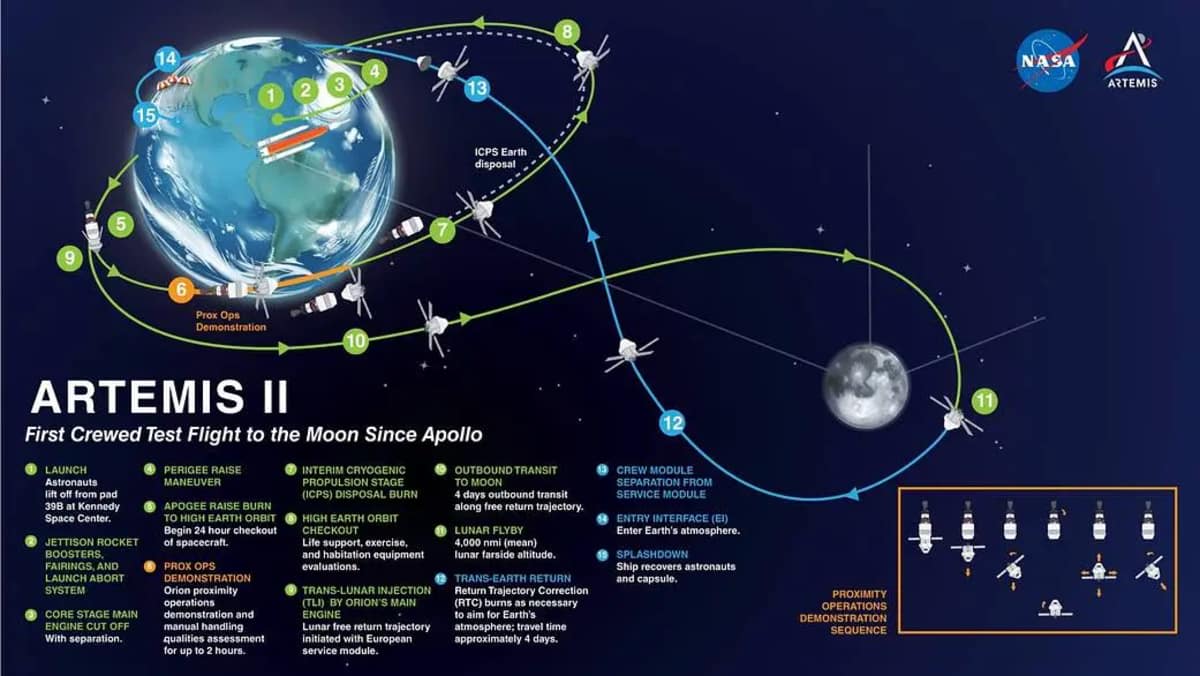
NASA hopes to move on from these challenges of launching the SLS rocket to be able to assess other key aspects of Artemis II. Post lift-off, SLS will jettison its solid rocket boosters and core stage before the crew inside Orion is raised to a high-Earth orbit. The ICPS will be jettisoned here before a trans-lunar injection burn of Orion’s service module puts the crew on course to a lunar flyby on a free return trajectory. This 10-day-long mission will be a test of Orion’s systems with humans on board ahead of Artemis III.
More on Starlust
All about Christina Koch, the first woman to fly around the Moon as part of Artemis II