Artemis II mission update: NASA cancels final manual piloting test of Orion capsule
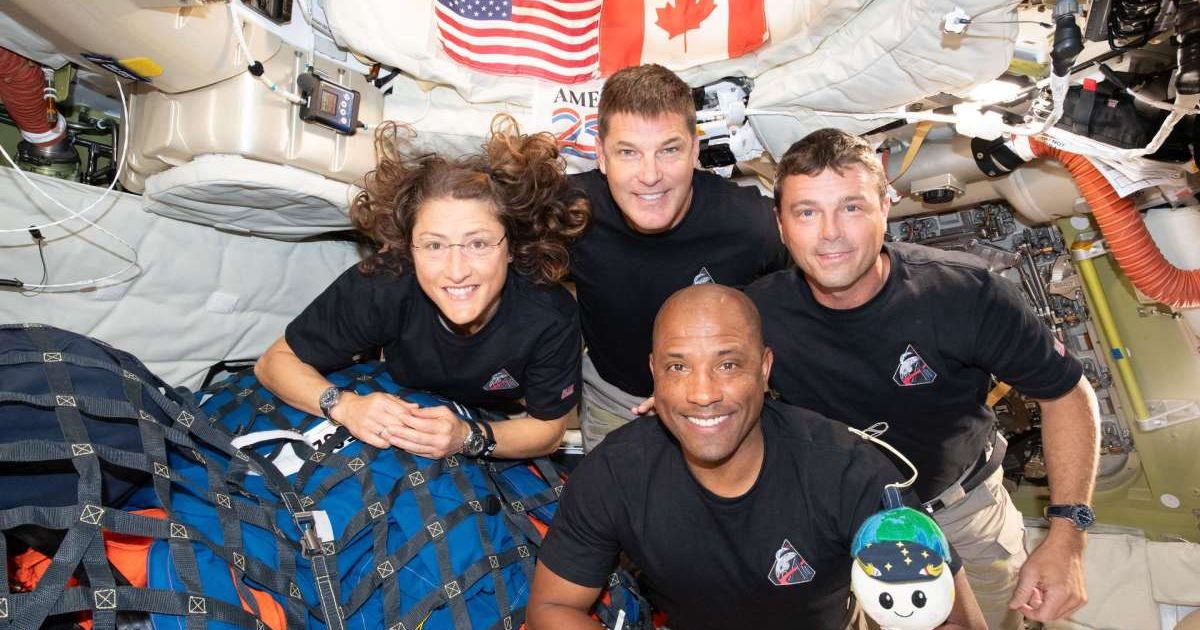
NASA has confirmed the cancellation of the third and final manual piloting test of the Artemis II Orion spacecraft scheduled for 10:55 EDT on April 8. A docking camera test had also been scheduled for the evening, which was also canceled to make room for a propulsion characterization test. Because both of these would have involved altering the spacecraft’s attitude using its propulsion system, mission managers opted out of the demonstrations to provide a steady environment for evaluating the test data.
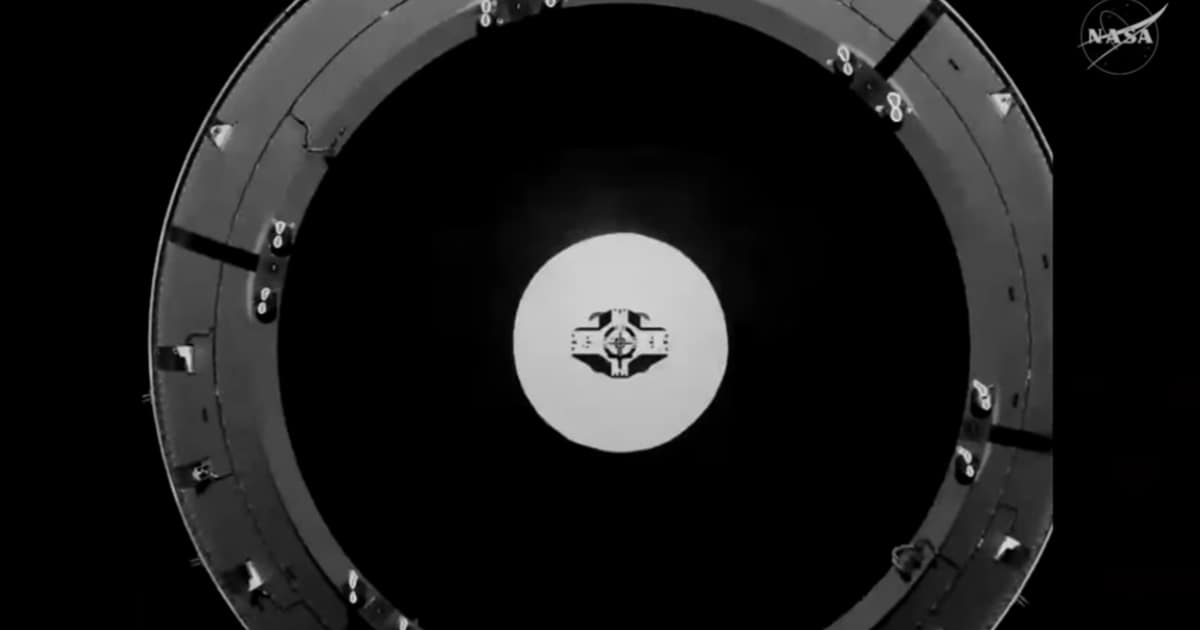
Earlier in the mission, the team had observed a pressure increase in what is known as the oxygen manifold of the European service module’s propulsion system and isolated a branch of the oxygen pressurization system. This was branch one, which, when isolated, marked an improvement as pressure stopped increasing. The teams that had been having discussions about the issue since flight day 2 reportedly came up with a test plan to further characterize the oxygen pressures when branch one is available for pressure control. After running the test plan on simulators, the ground team was ready to execute the test in the evening. At around 9:35 p.m. EDT, Capcom, or capsule communicator, Jenni Gibbons, who was also a backup astronaut for the mission, informed her colleagues in space that the ground team had begun preparations for the test.
Artemis II is just a couple of days away from splashdown—and as Earth grows larger in the mission's sights, the crew woke up this morning to "Under Pressure," by Queen and David Bowie, and greetings from our colleagues at @csa_asc. pic.twitter.com/9IOHJQHEzi
— NASA (@NASA) April 8, 2026
Gibbons also contacted the crew about dumping urine from the contingency storage bag, confirming that it could be done at any time of the day. But even as mission controllers gave their go, the crew opted to dump it on the day of entry. Other activities of the day included the daily flywheel exercise session and testing the orthostatic intolerance garment. Worn under the Orion Crew Survival System suit, the garment helps astronauts maintain blood pressure during the transition to Earth's gravity.
Ready… set… Earth! 🌎
— NASA Earth (@NASAEarth) April 7, 2026
As Artemis II flew around the far side of the Moon, the crew captured a new view of home. These images show Earthset, when Earth dips below the lunar horizon. Parts of Australia & Oceania are visible, while the dark side of Earth is experiencing nighttime. pic.twitter.com/gVgFwFQPgZ
Looking ahead, the crew will begin preparing the cabin and studying entry procedures ahead of splashdown, which is currently scheduled for 8:07 p.m. EDT on Friday, April 10. Preparing the cabin involves stowing away equipment and reinstalling their seats to where they were at the time of launch. NASA has also chosen to cancel the shielding deployment demonstration to prepare the cabin for entry.
More on Starlust
'I said a little prayer': Artemis II's Victor Glover on his experience during the comms blackout
As Artemis II heads back home, here's a look at the highlights of the historic lunar flyby