Artemis II: All you need to know about the February 19 wet dress rehearsal
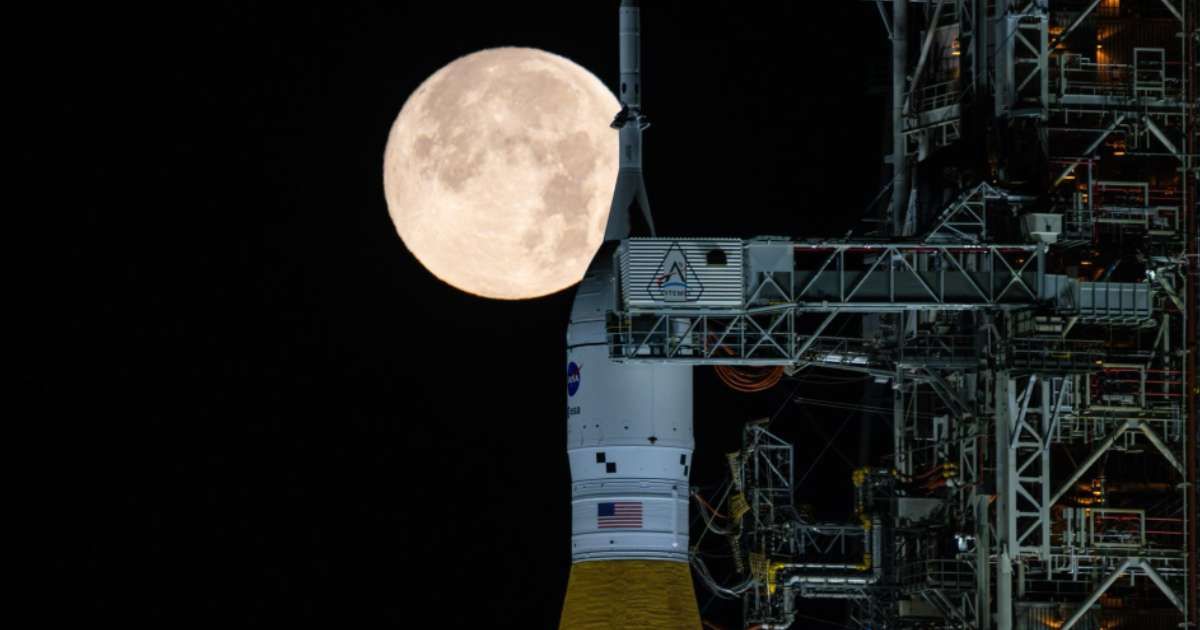
Satisfied with the data collected during the 'confidence test' conducted on February 12, 2026, NASA has decided to go ahead with a second Artemis II wet dress rehearsal. So, without further ado, let's go through everything we need to know about the crucial test on which the fate of the historic mission depends.
When does the test begin?
Upon the arrival of launch teams to their designated stations, a countdown just shy of 50 hours will begin at 6:40 pm EST on Tuesday, February 17, 2026. The mock launch is scheduled for 8:30 pm on Thursday, February 19, 2026, with a 4-hour window available to finish up the test.
We're targeting Thursday, Feb. 19, as the tanking day for the second fueling test ahead of our Artemis II test flight around the Moon. A formal launch date will not be set until after a successful rehearsal and data reviews. Details: https://t.co/QWuBLYzKdk pic.twitter.com/eZo8RgI0AL
— NASA (@NASA) February 16, 2026
Where will the rehearsal take place?
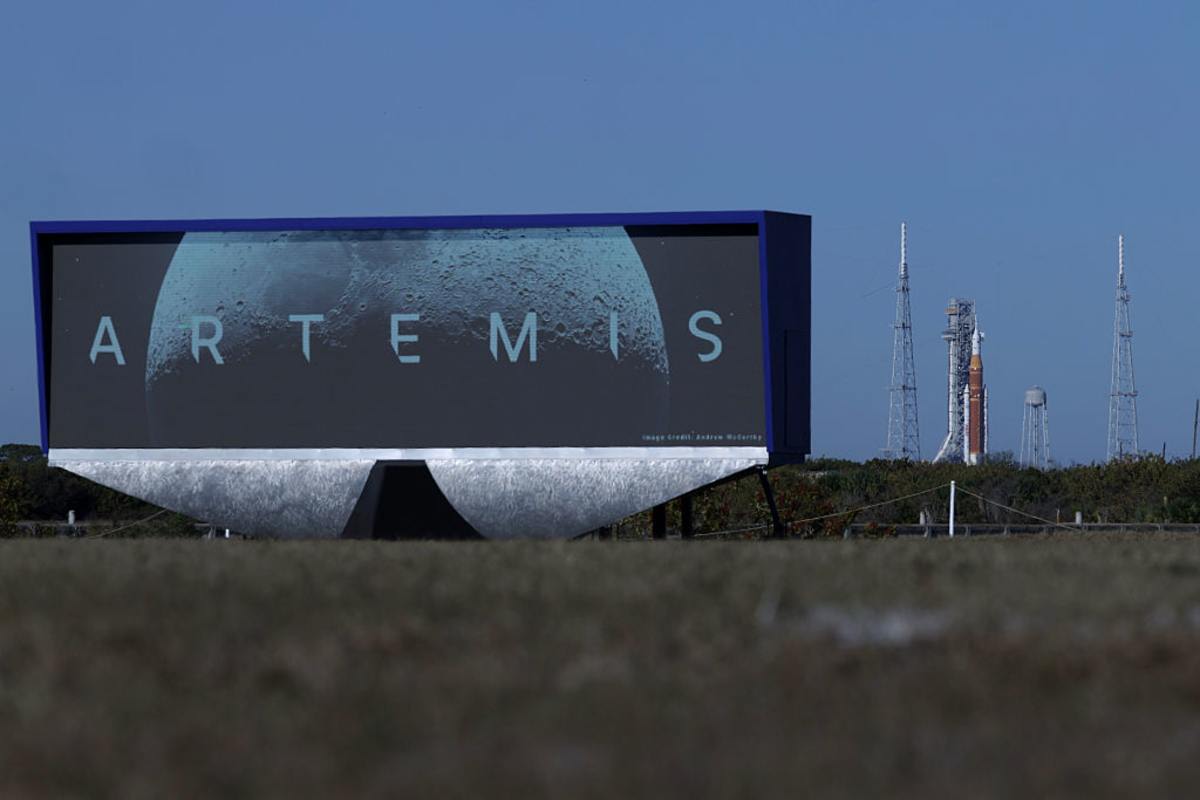
All action unfolds at Kennedy Space Center in Florida, specifically Launch Pad 39B, where the SLS (Space Launch System) rocket and Orion spacecraft stand fully stacked.
What should you expect during the rehearsal?
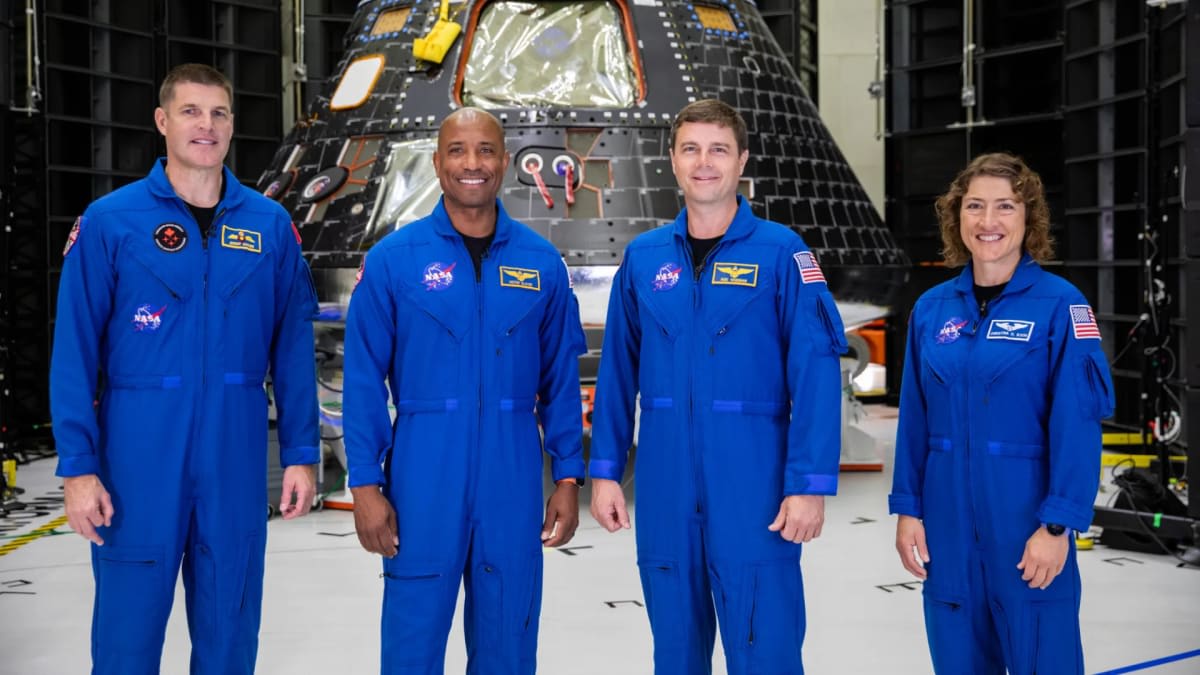
The team will load over 700,000 gallons of cryogenic propellants into the SLS rocket during the test. Operators will also be conducting two terminal countdown runs of the final 10 minutes, pausing at T-1:30 minutes for up to three minutes, resuming till T-33 seconds and pausing again, then recycling to T-10 minutes for a second run ending at T-30 seconds. These holds during countdowns are meant to replicate real-world conditions, including scenarios where the launch might have to be called off. While the Artemis II crew will not be participating in the test, a dedicated closeout crew will be at the pad to run through Orion closeout operations, which include closing the spacecraft's hatches.
Where can you watch?
NASA’s 24/7 live stream of the rocket at the pad runs continuously online on places like YouTube and NASA+, with a special fueling-day feed offering extra camera angles. Updates are also shared by NASA on their website while the test progresses, as was the case with the first rehearsal.
What’s Next?
Post-rehearsal, engineers will conduct reviews of the data gathered during the test. A liftoff date will be announced only if the results are satisfactory. As of now, March 6 remains the earliest Artemis II launch date. Should all go well, the reliability of the entire rocket stack, along with Orion, named ‘Integrity’ by the crew, will be put through the test on a grueling 10-day mission that will carry humans to the vicinity of the Moon for the first time in over half a century.
More on Starlust
NASA's Artemis II and Crew-12 astronauts will be first to carry latest smartphones to space
How will Artemis II astronauts stay connected to mission controllers on Earth?