Contrary to popular belief, the birth of a black hole can be a bright, noisy affair
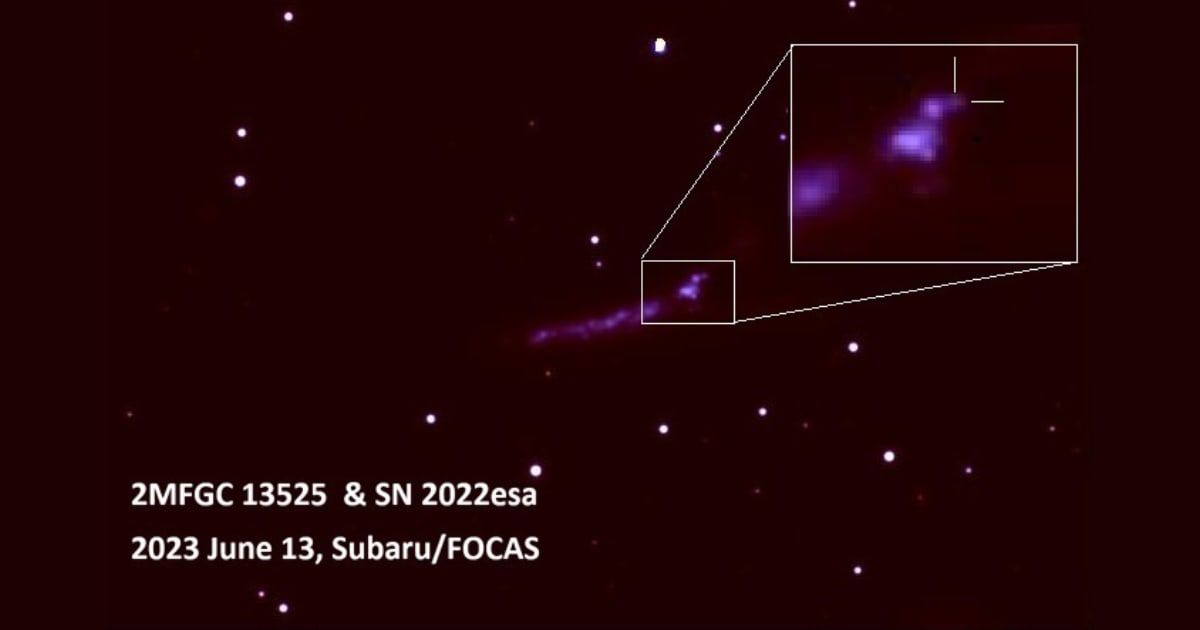
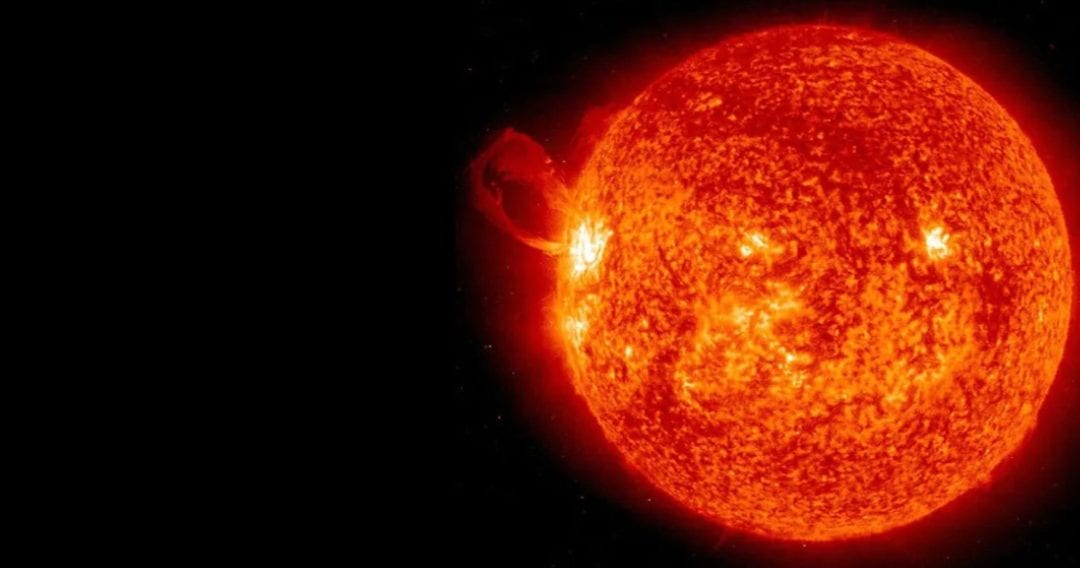
Astronomers have long held that the creation of a black hole is a quiet, dark process. It was long believed that when the most massive stars in the universe died, they did so quietly without the bang of a normal explosion. However, a recent finding by scientists at Kyoto University is upending the "quiet collapse" paradigm.

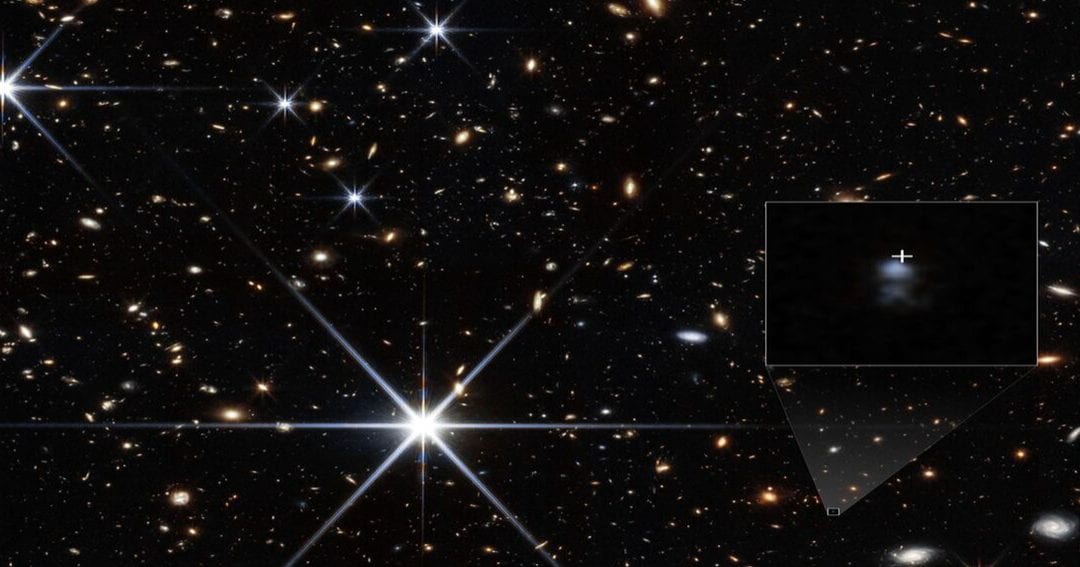
Through the observation of a massive star explosion, referred to as SN 2022esa, the research team has discovered that an extremely bright supernova can precede the formation of a black hole. This is according to a study that was recently published in the Publications of the Astronomical Society of Japan.
SN 2022esa appeared as the explosion of a Wolf-Rayet star, a type of star that is so massive and luminous that it is believed to be the direct progenitor of black holes. Although scientists believed that stars of this size, at least 30 times the size of our Sun, simply disappeared into black holes, the supernova 2022esa actually was a violent Type Ic-CSM explosion that could be observed on the electromagnetic spectrum. By combining observations from the Seimei telescope in Japan and the Subaru telescope in Hawaii, the team was able to observe the light patterns of the explosion.
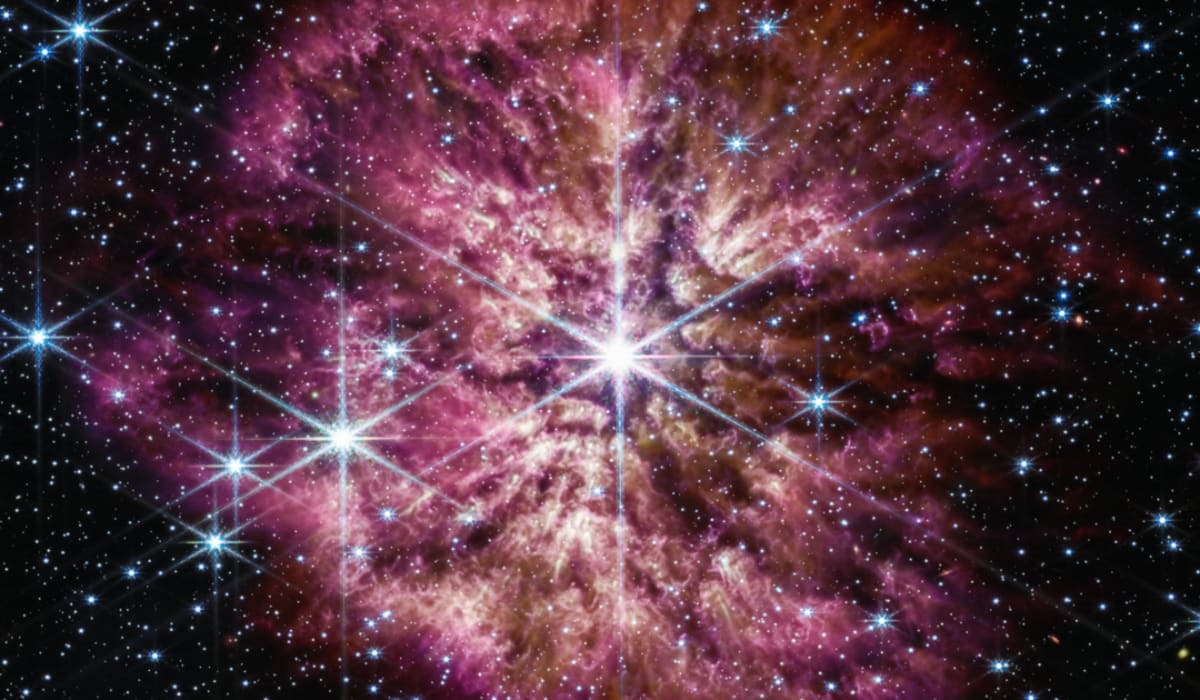
The results showed a very interesting rhythmic pattern: the star system had been erupting every year for some time before the final explosion. According to the scientists, such regular, clockwork behavior is indicative of a binary system, in which two massive stars revolve around each other. This made the scientists suspect that the star was not alone in space but had a companion star or even another black hole nearby. "Our study provides a new direction to understand the whole evolutionary history of massive stars toward the formation of black hole binaries," said lead author Keiichi Maeda in a statement.
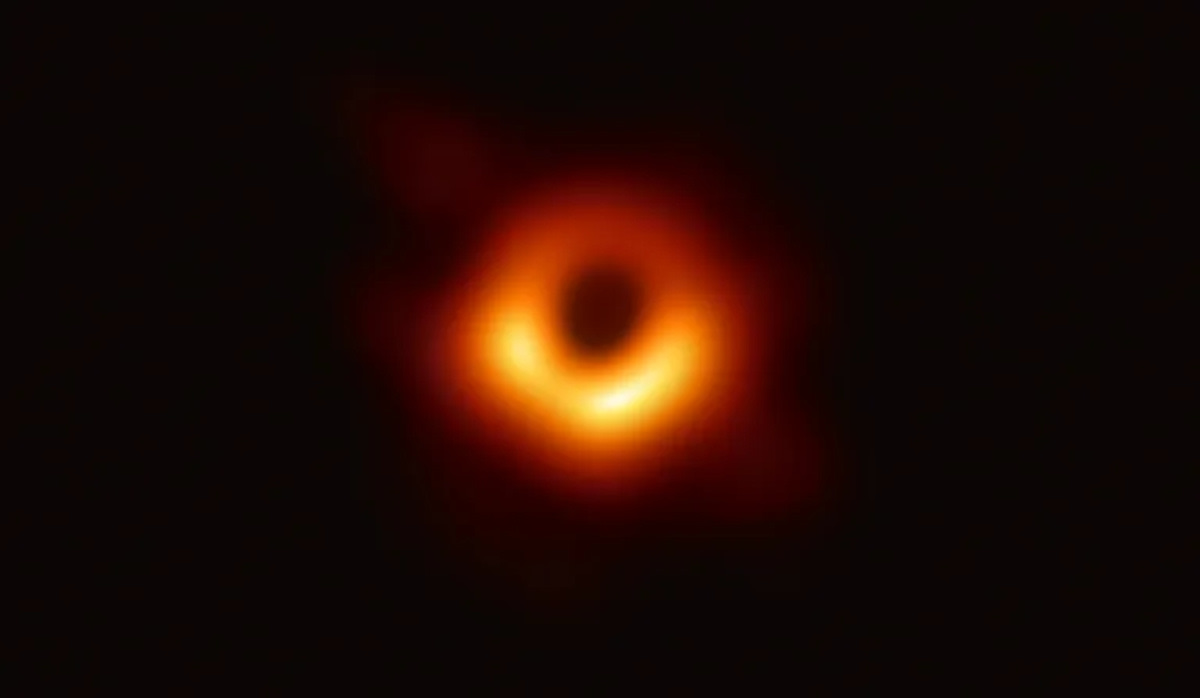
This finding is a major breakthrough in unlocking one of the biggest mysteries in astronomy: how black holes and even their pairs are formed. These cosmic occurrences continue to be among the most fascinating mysteries of outer space. A black hole is an area of space so dense that its gravitational pull is unavoidable. Nothing, not even light, can escape past a boundary called the "event horizon." Although black holes are now a fundamental part of contemporary science, the idea was once thought to be unrealistic. At first, even Albert Einstein, whose theories served as the mathematical basis for their existence, found it hard to accept the existence of such an extreme object.
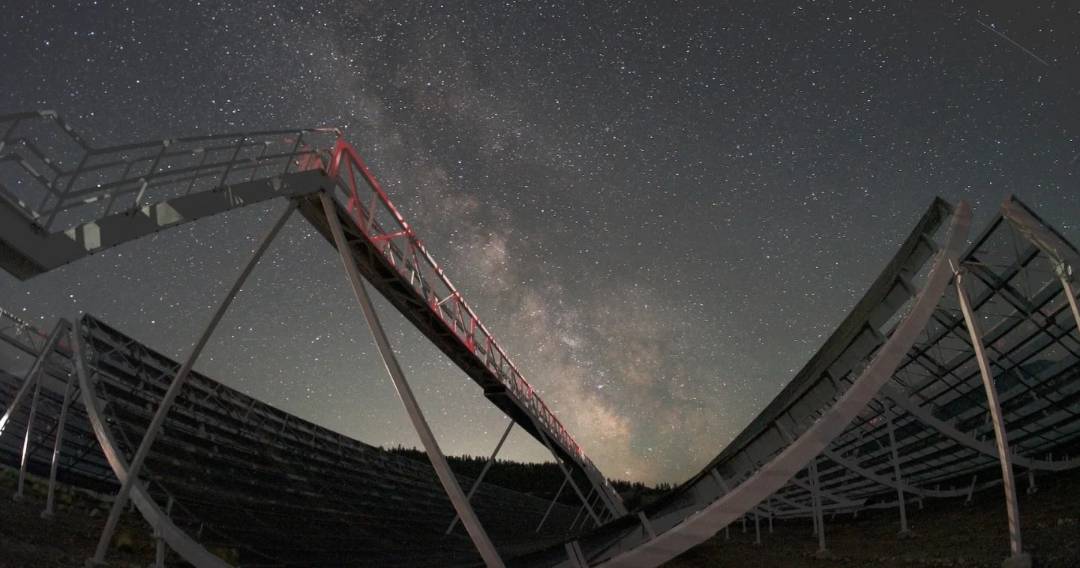
The study also shows how using a tag team of telescopes can be useful. After all, this finding would not have been possible without the combination of Seimei's flexibility and the high sensitivity of the Subaru telescope. Quite naturally, the team is looking forward to using the combination in the future. "We expect many interesting discoveries on the nature of astronomical transients and explosions like supernova," Maeda said.
More on Starlust
Scientists surveyed over 8,000 galaxies—the increasing number of active black holes baffled them
NASA’s Chandra stitches decades of data on supernova remnant into its longest video yet