80,000-year mission to Alpha Centauri 4.4 light-years away: Nonprofit eyes launch by 2029
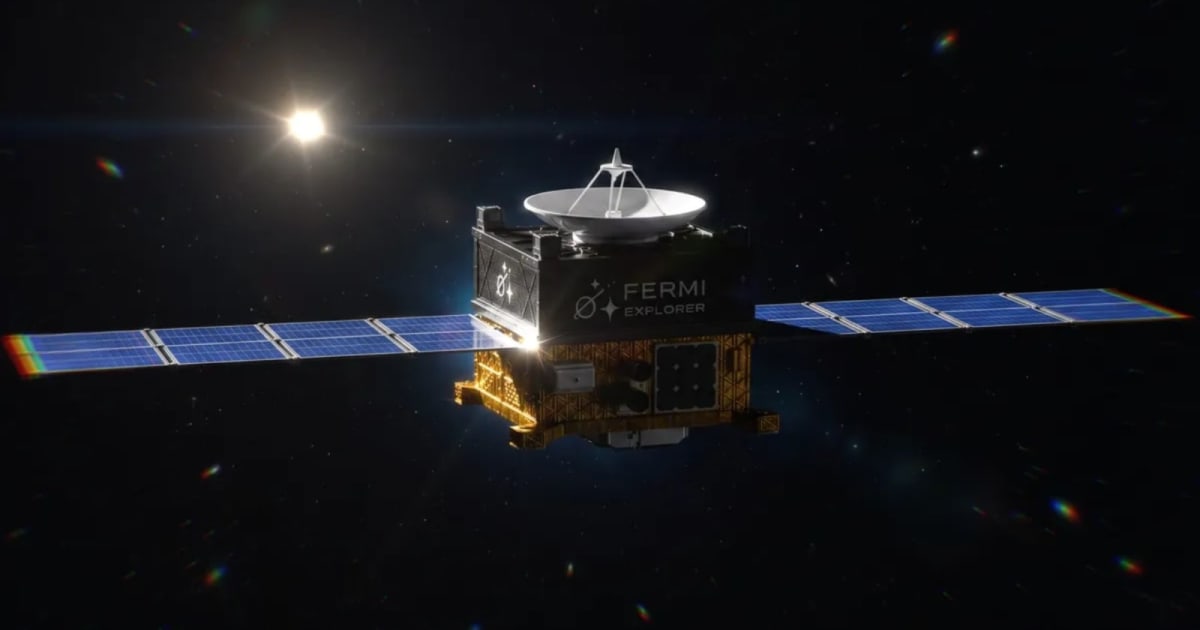
A non-profit organization named Fermi Explorer has planned to launch an interstellar spacecraft in 2029 to the Alpha Centauri star system, which lies approximately 4.4 light-years away. The purpose of this mission is to send humanity's first spacecraft to another star and make the idea of interstellar travel real. What’s interesting is that humans may not be around when the spacecraft reaches its destination in around 80,000 years.
Did you know that humanity has never launched a spacecraft to another star? That is about to change! We have created a non-profit to attempt to send humanity’s 𝗳𝗶𝗿𝘀𝘁 𝘀𝗽𝗮𝗰𝗲𝗰𝗿𝗮𝗳𝘁 𝘁𝗼 𝗮𝗻𝗼𝘁𝗵𝗲𝗿 𝘀𝘁𝗮𝗿… and we need your help!
— Fermi Explorer (@FermiExplorer) September 1, 2026
We have formed non-profit The… pic.twitter.com/SWvPg9fWeo
“None of us will be here when this journey ends, and that is the point. It's about taking the first achievable step and inspiring future generations to keep pushing beyond the limits we inherited,” Philip Johnston, co-founder and president of the Fermi Explorer Mission, said in a statement.
A mission to the stars
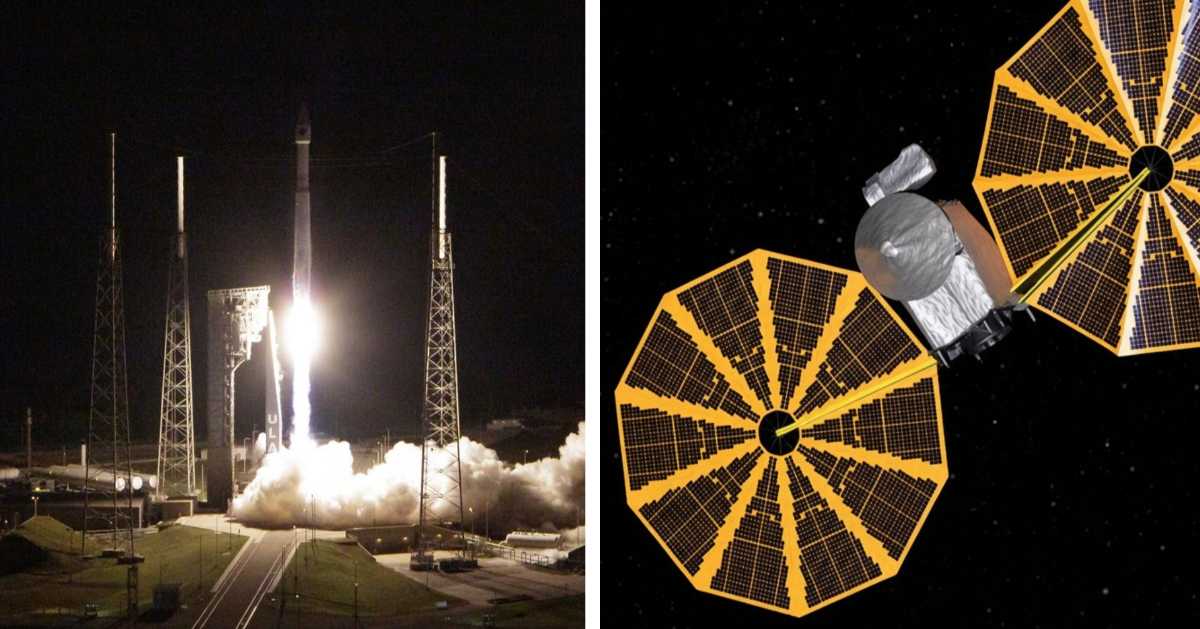
The Fermi Explorer envisions a low-cost mission not exceeding $15 million with a small spacecraft weighing between 220 and 440 pounds (100 to 200 kg). It will carry at least 2.2 pounds (1 kg) of useful payload and use electric propulsion to minimize fuel and cost, and maximize payload. These make up the main high-level objectives the company has outlined for this mission.
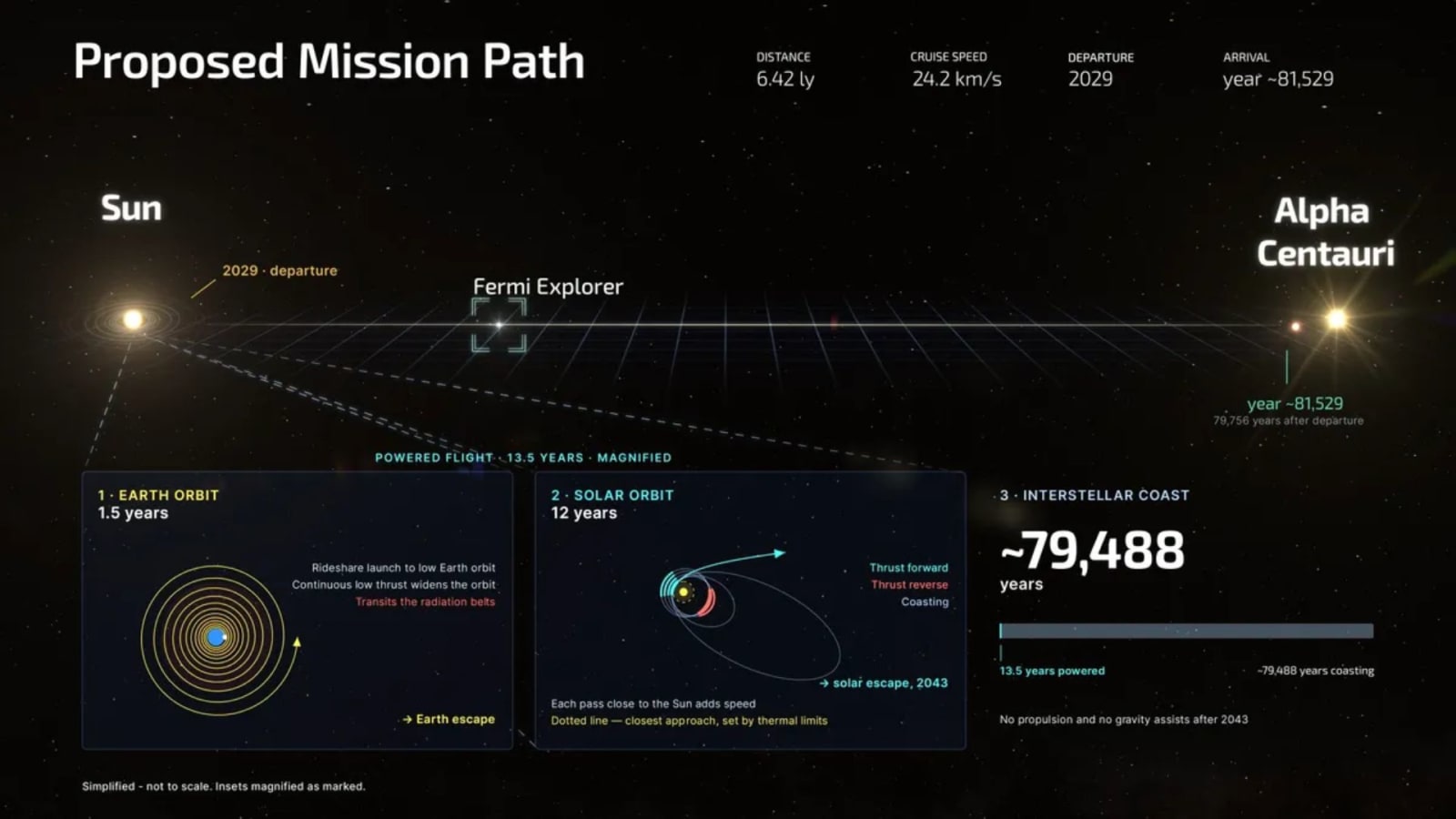
It says on the company’s website that Alpha Centauri has been chosen due to several favorable factors. It consists of Alpha Centauri A and B along with Proxima Centauri (also called Alpha Centauri C), which is a red dwarf star gravitationally bound to the other two. Fermi Explorer says that Alpha Centauri emits around 2000 times more energy than Proxima Centauri, and it’s the closest star system to us, currently moving towards us. Interestingly, Alpha Centauri is moving northwest in the night sky and the mission team will aim the spacecraft where the star system will be in about 80,000 years—the part of the sky where the constellation Cancer currently resides. The objective here is to keep the spacecraft within 0.044 light-years at the spacecraft’s closest pass by Alpha Centauri.

The mission is named after physicist Enrico Fermi, who inspired the Fermi Paradox, which questions the contradiction between the high likelihood of the existence of aliens and the lack of evidence for the same. The Fermi Paradox implies three possibilities for this lack of evidence—first, human-like intelligence is rare throughout the universe; second, it's not rare but intelligent species don't survive for long; and third, human-like intelligence is common and lasts long but chooses to remain in obscurity.

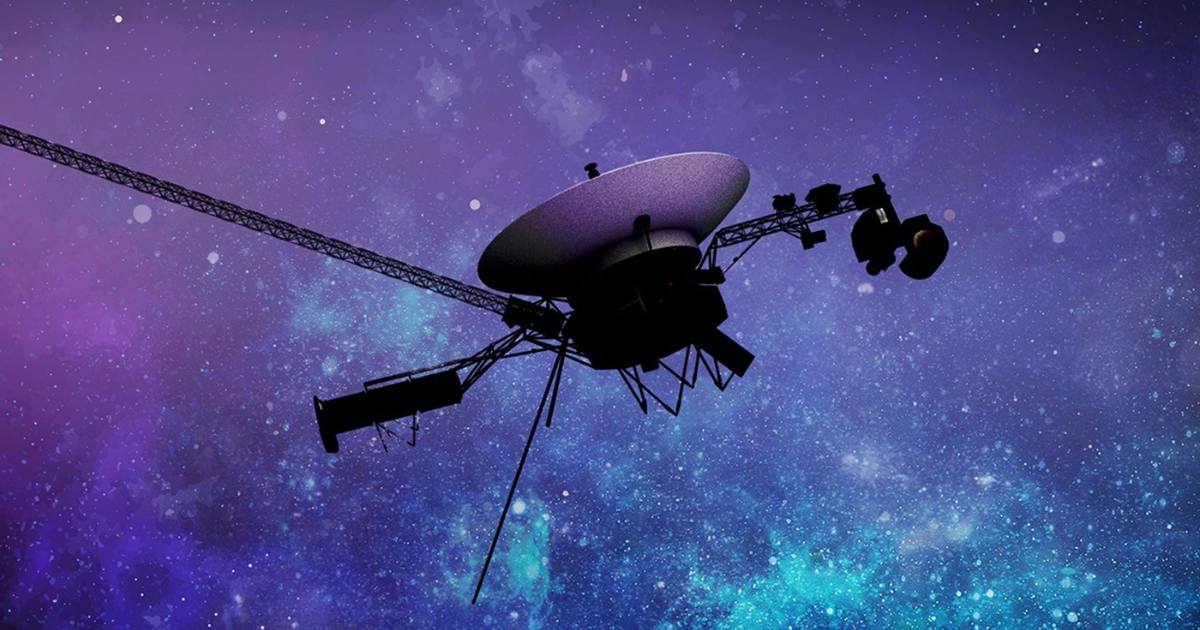
As of today, only the two Voyager probes have managed to reach interstellar space after their tour of the outer solar system. The Fermi mission spacecraft, according to the team, will carry a copy of the Golden Record—the famous time capsule of sounds and images from Earth carried by the Voyager twins. They will also open up a three-month solicitation period to accept proposals for instruments that will be equipped on the spacecraft.
Currently, the company is relying on public funds and donations to make this mission a reality. “After the Fermi Explorer Mission, we will have more confidence both that it is possible for intelligent species to leave for their nearest star in a way that isn't resource prohibitive, and that there are at least some species that try to do it (namely us!),” the website says.
More on Starlust:
Scientists find AI can be fooled into detecting false signs of alien life
We may have overlooked one of the biggest clues to alien life, says expert