
About Author
At Starlust, Sandip covers spaceflight and astronomy through journalism, news videos, and explainers. His coverage spans historic missions like Artemis II and NASA’s major programs, SpaceX launches, and emerging developments across the global space industry.
He also explores the human side of space exploration, bringing the perspectives of astronauts, engineers, policymakers, and space experts into his stories. His goal at Starlust is to make space news and science accessible, engaging, and knowledgeable.
Latest From Sandip Kishan
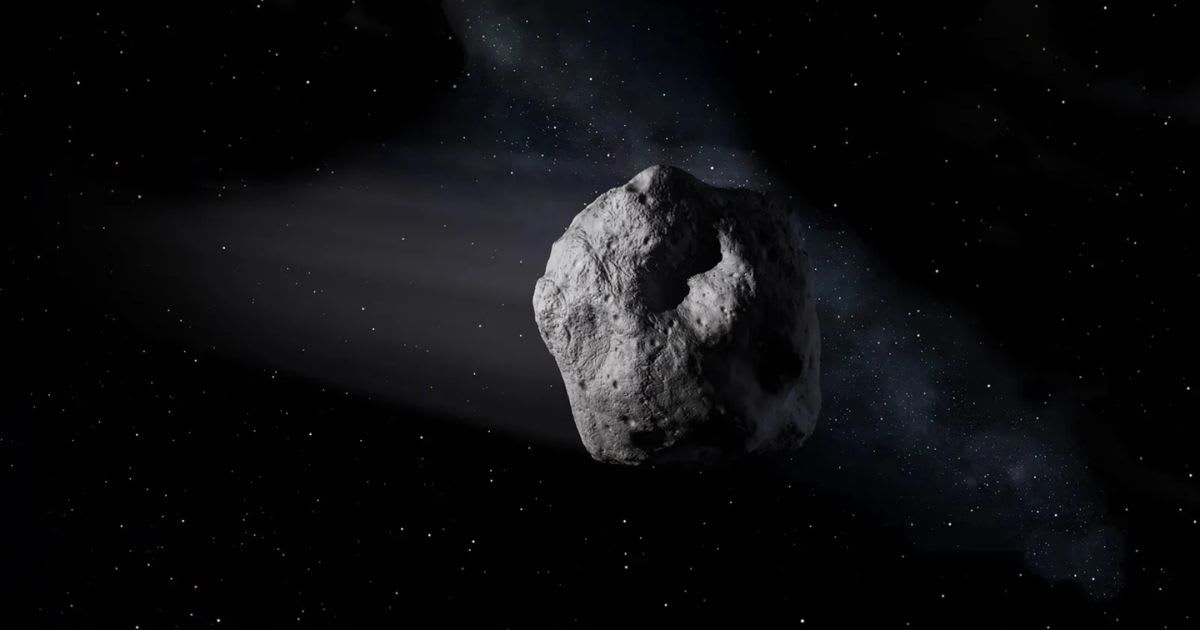
Microbes may survive asteroid impacts and travel between planets, new study finds
The researchers used Deinococcus radiodurans, an extremely resilient bacterium, to test their hypothesis.
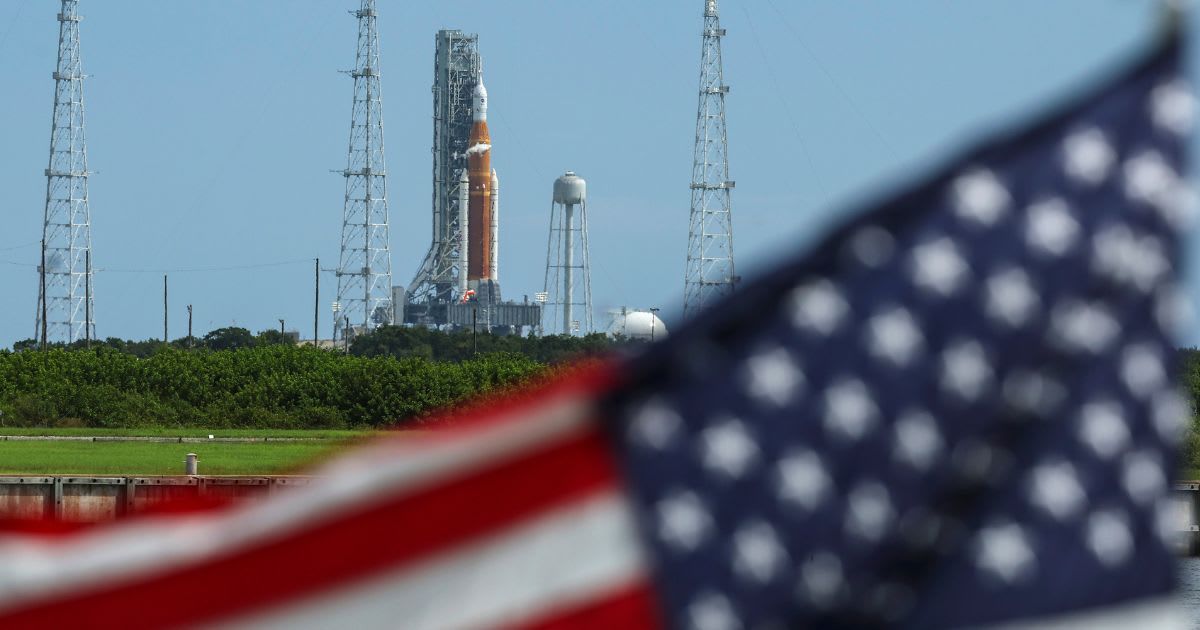
Breaking down the NASA Authorization Act of 2026 and what it means for the space agency
Senate bill reshapes lunar strategy, delays ISS retirement and resets Mars plans.
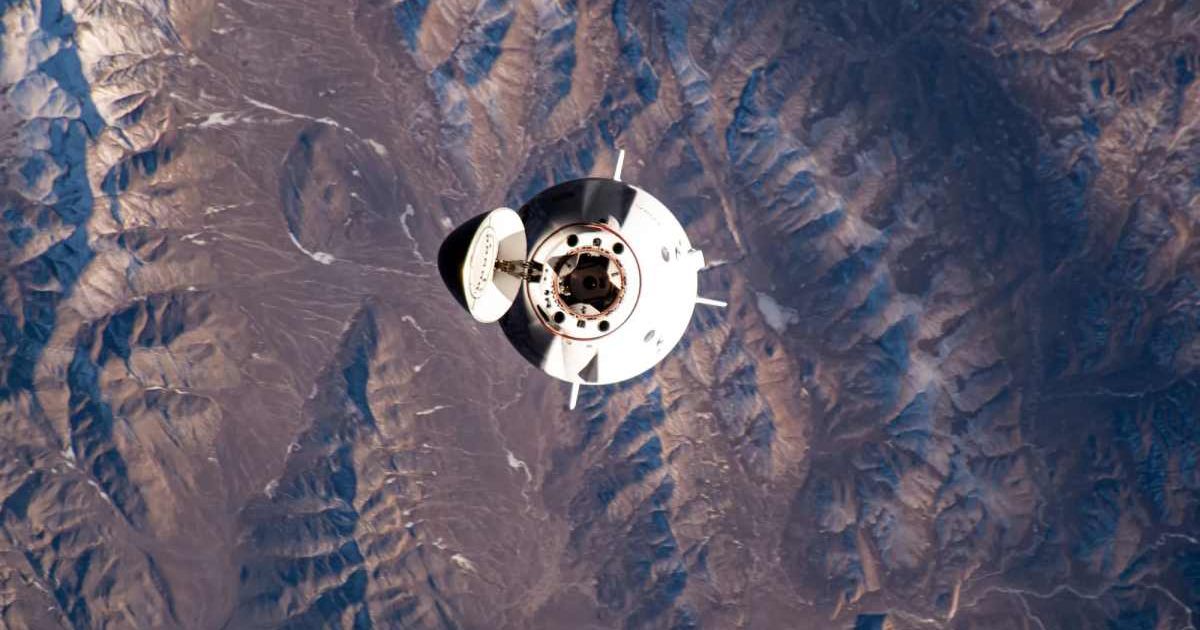
Europe may soon be getting a self-healing spacecraft
ESA-backed project tests carbon-fiber composites that detect damage and fix themselves.
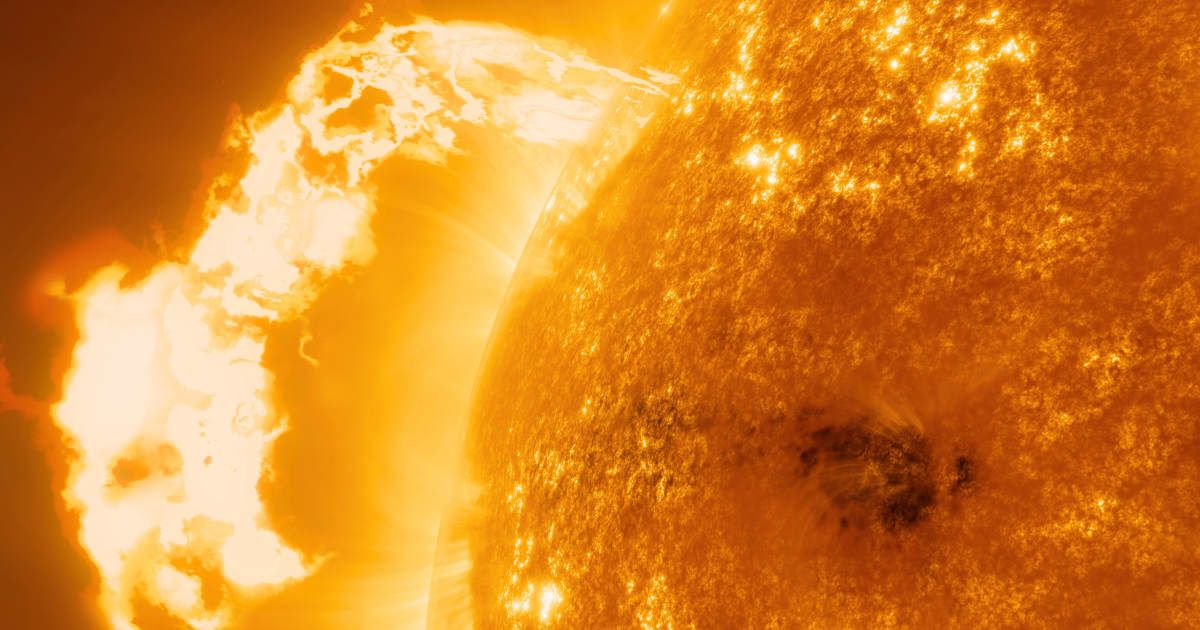
ESA orbiters witness powerful solar superstorm hitting Mars
Earth and Mars showed very different responses to the same solar storm.
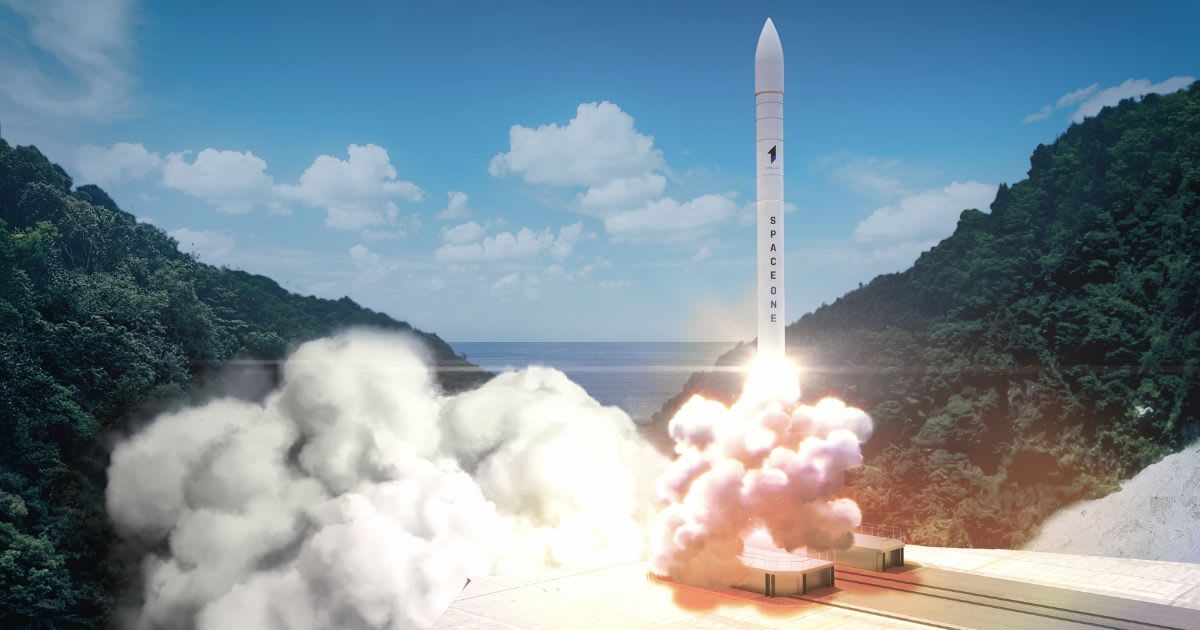
Japanese firm Space One's Kairos rocket fails again, self-destructs on its 3rd ever launch
Five satellites were lost as the private rocket mission ended minutes after liftoff.
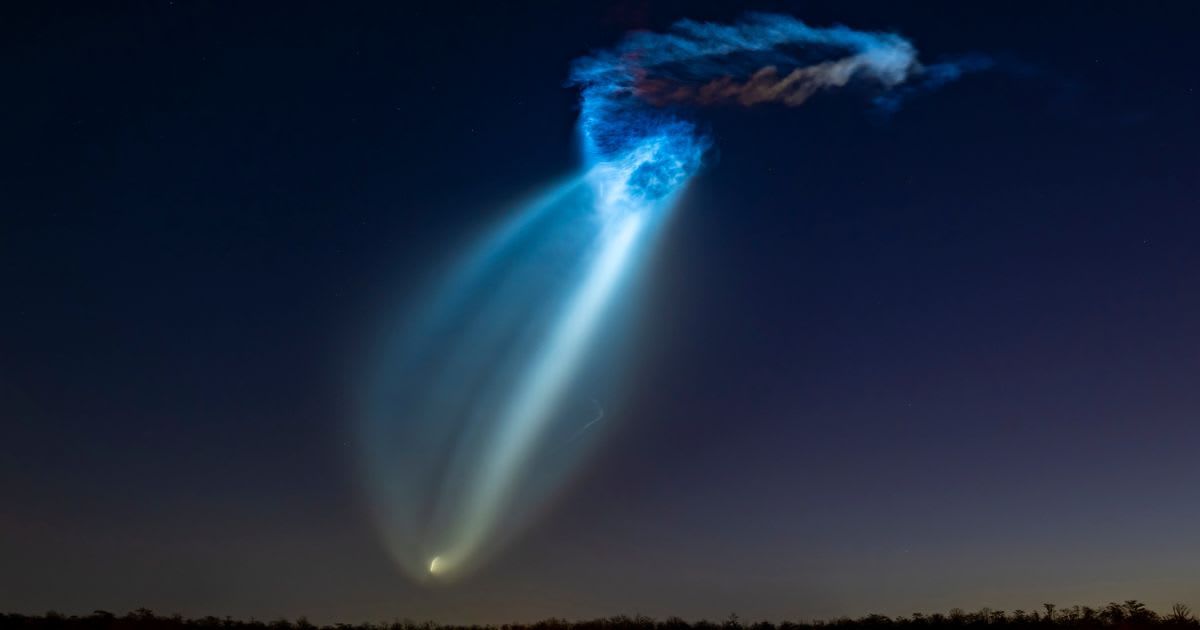
Glowing 'jellyfish' cloud appears over Florida skies after SpaceX Starlink launch
A Falcon 9 rocket carrying 29 Starlink satellites created the glowing cloud.
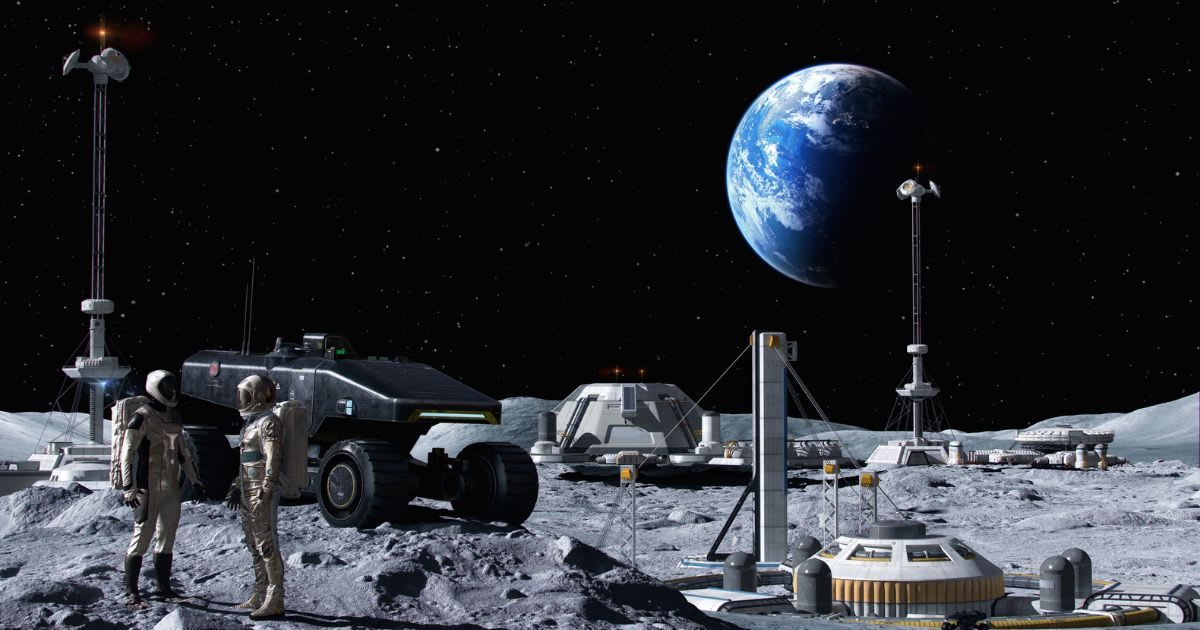
Here's what NASA is planning for Artemis IV and V now that the roadmap to the Moon has been revised
Artemis IV and V will see astronauts return to the surface of the Moon while Artemis III will essentially be another test flight.
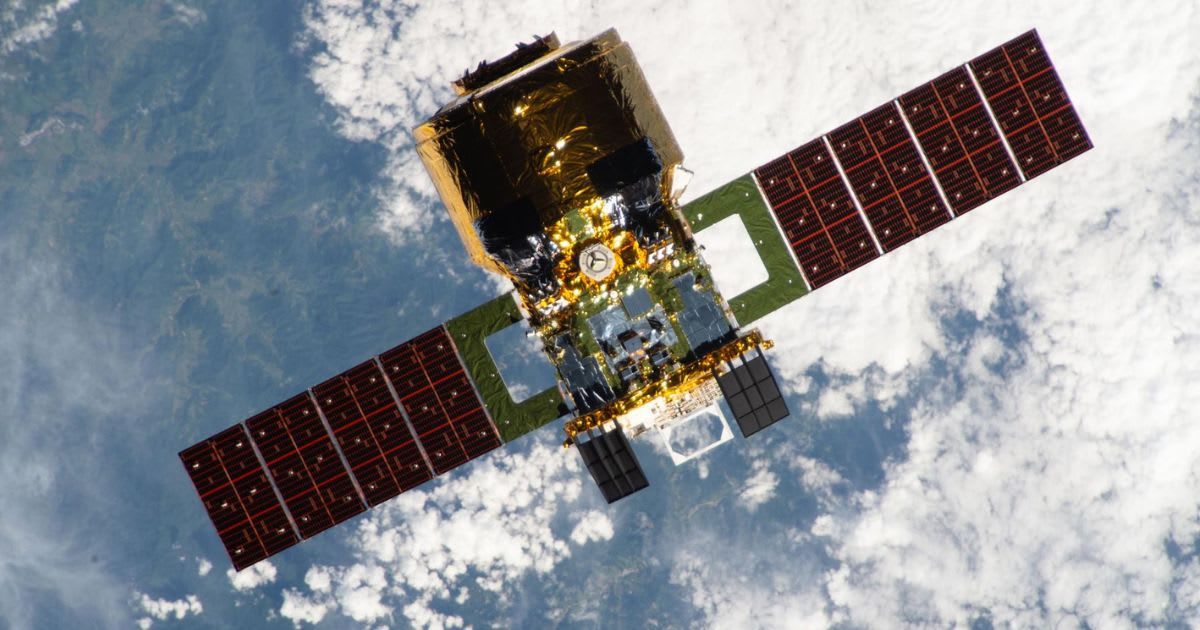
Prep week at ISS: Crew prepares for March spacewalk and departure of JAXA’s HTV-X1
Suit checks, robotics tests, and cargo loading usher a busy week aboard the International Space Station.
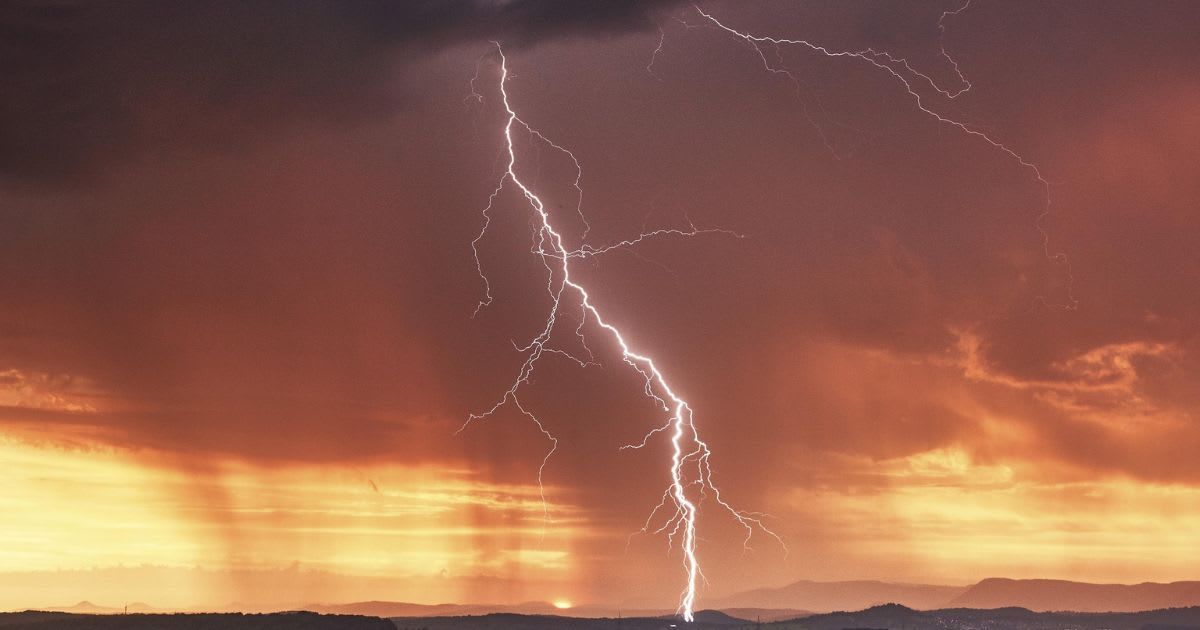
NASA’s MAVEN spacecraft detects lightning-generated waves in Mars’ atmosphere
A single whistler wave among 108,000 signals reveals rare Martian electrical activity.
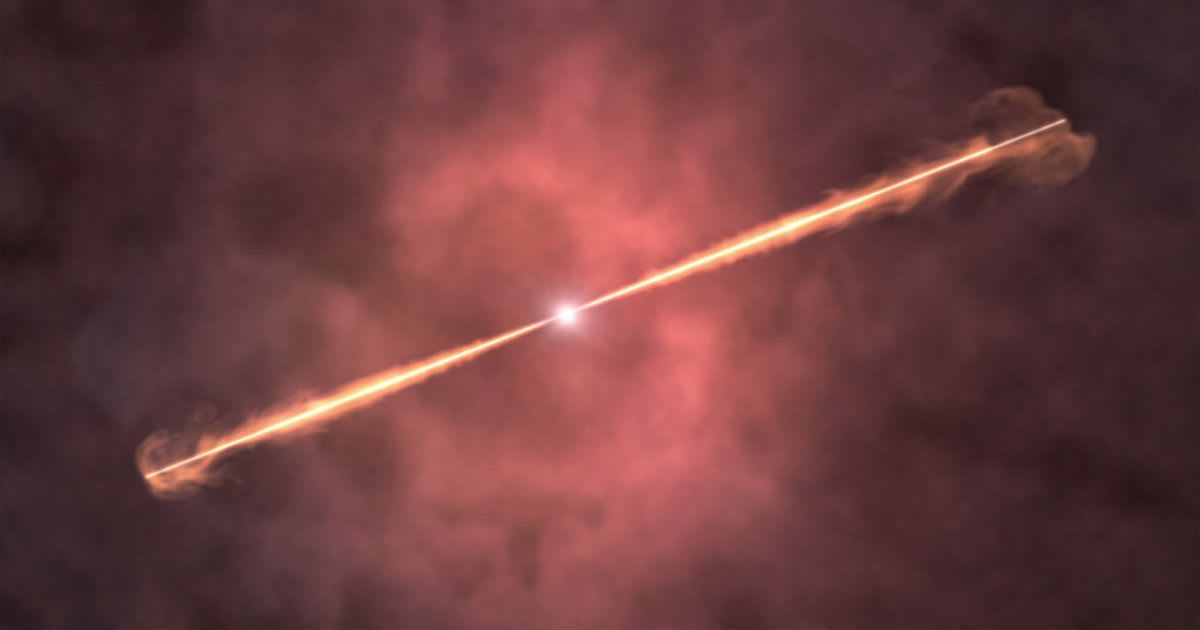
An invisible explosion rivaling a billion suns vanished in space—until its trace reached Earth
A strange fading radio signal hints at powerful gamma-ray burst or an elusive black hole.
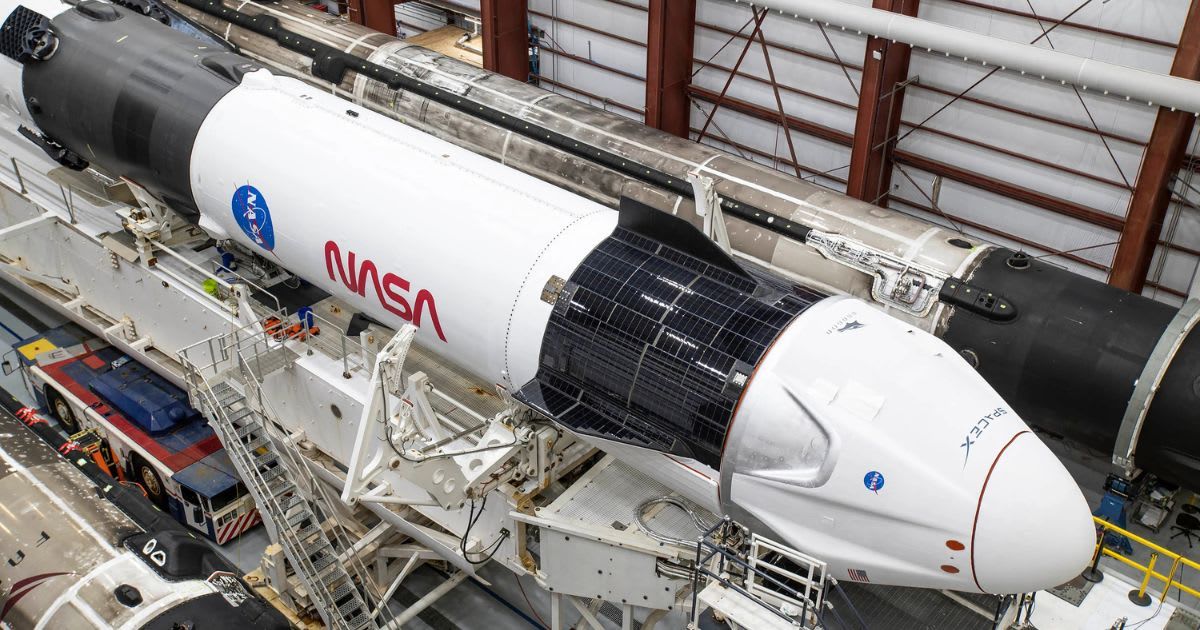
Build, buy or outsource? NASA recalibrates its acquisition strategy in the 2025 safety report
A safety review urges structural fixes as NASA expands Artemis and commercial space ties.
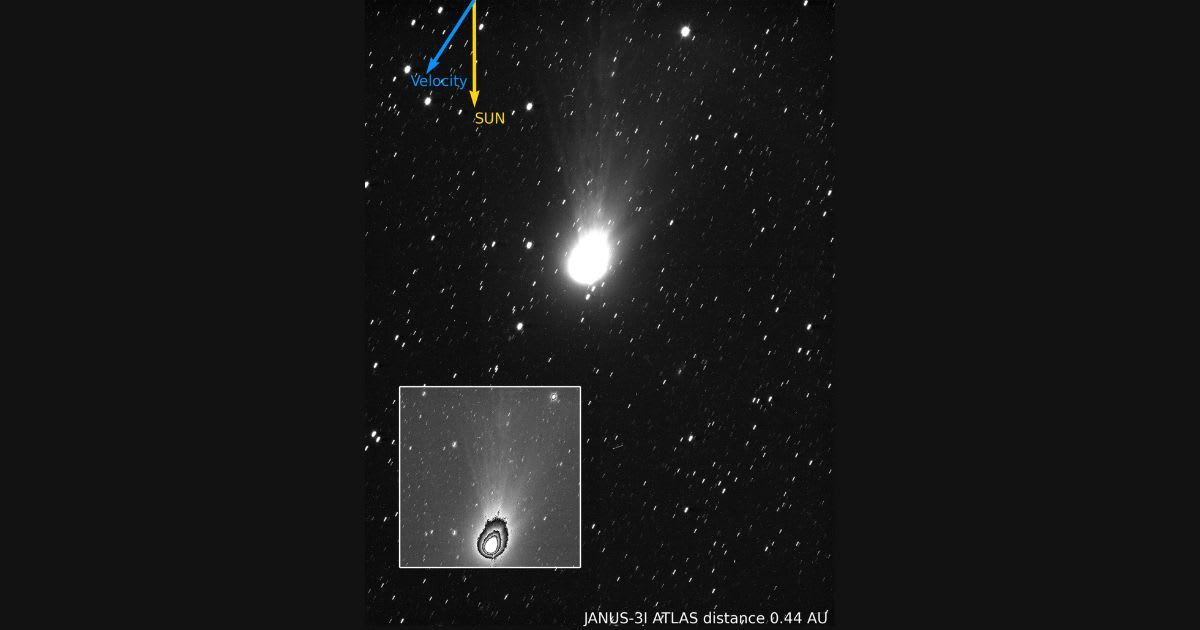
ESA's Juice captured interstellar comet 3I/ATLAS shortly after perihelion—here's what it found
The Jupiter-bound spacecraft got 120+ images that reveal jets, dust streams, and a glowing coma.
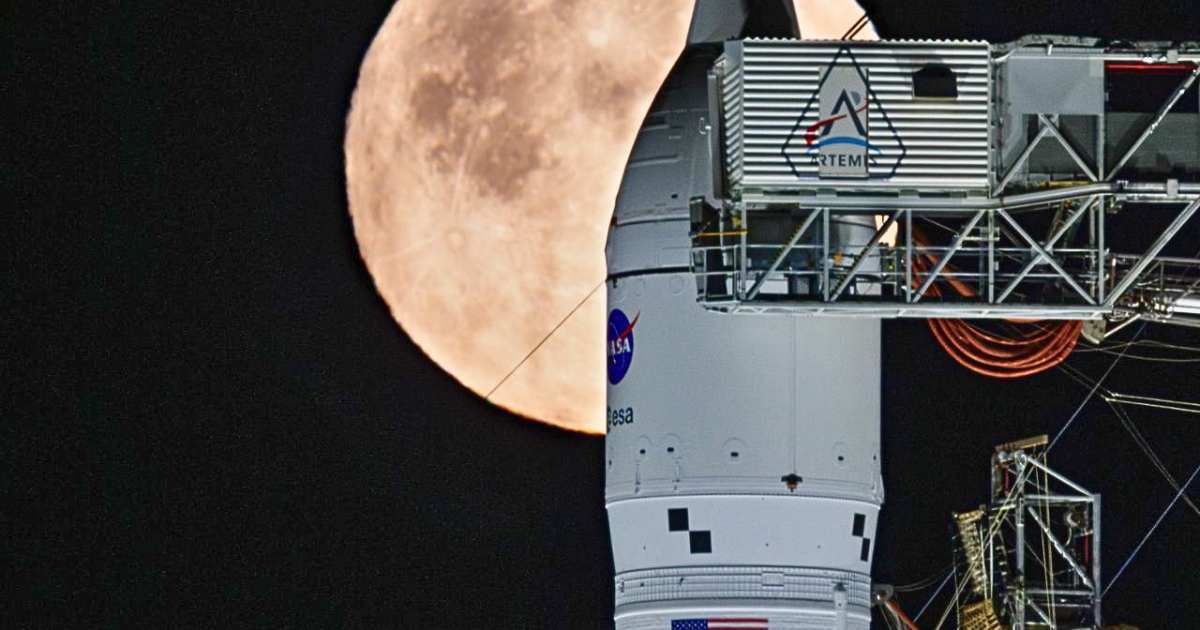
NASA resets Artemis roadmap, shifts Artemis III from crewed lunar landing to Earth-orbit test
Artemis III, whose original goal was a crewed lunar landing, will not land on the Moon now.
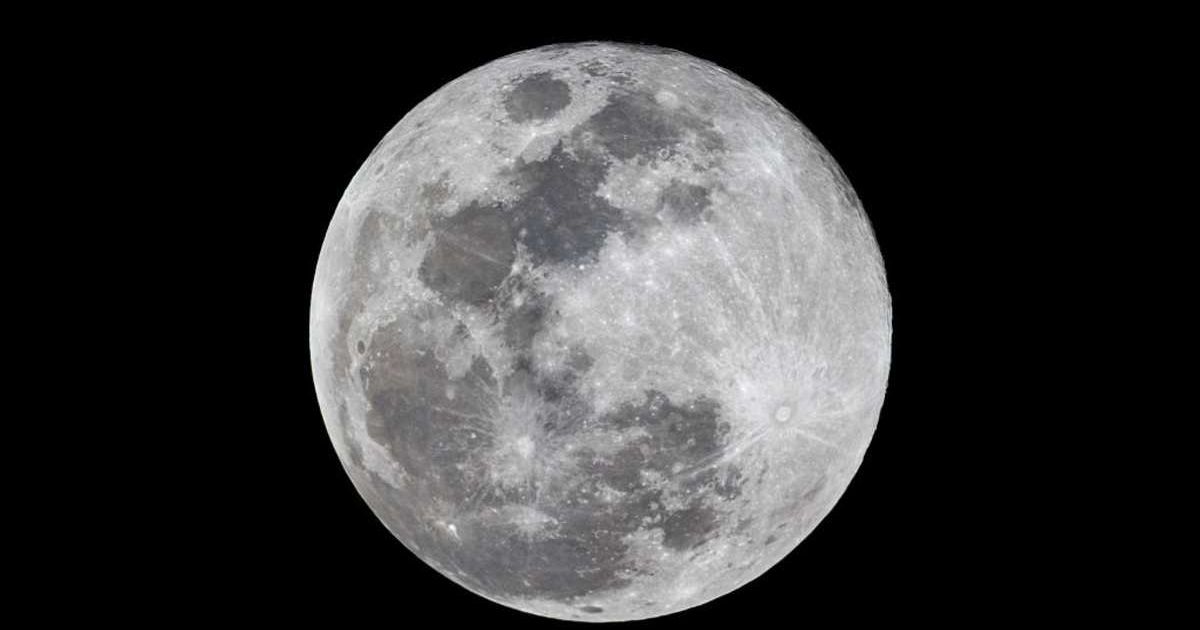
Did the Moon have a strong or weak magnetic field? A new study may have settled decades-long debate
Future Artemis missions could test the hypothesis proposed by the new study.
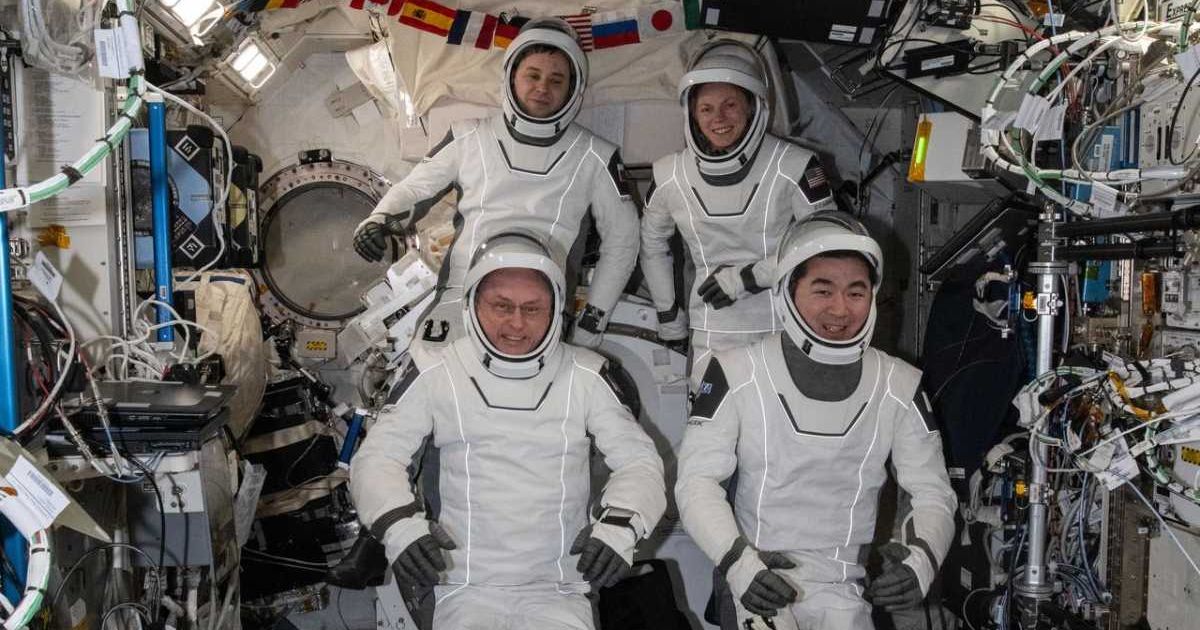
NASA's SpaceX Crew-11 astronaut opens up on his health scare that led to ISS's first medical evacuation
While the astronaut revealed he is doing well, the exact nature of his medical issue remains undisclosed.
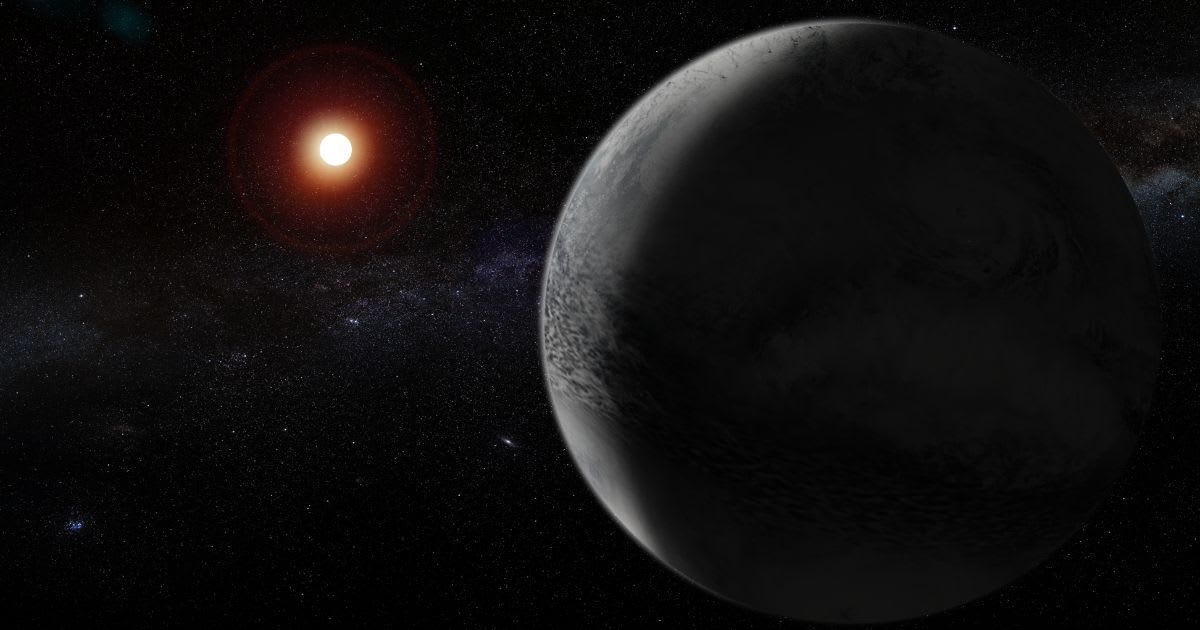
Scientists pointed radio telescopes at exoplanet K2-18b to scan for alien signals—here's what they found
The Karl G. Jansky Very Large Array in New Mexico and the MeerKAT radio telescope in South Africa were employed for the project.
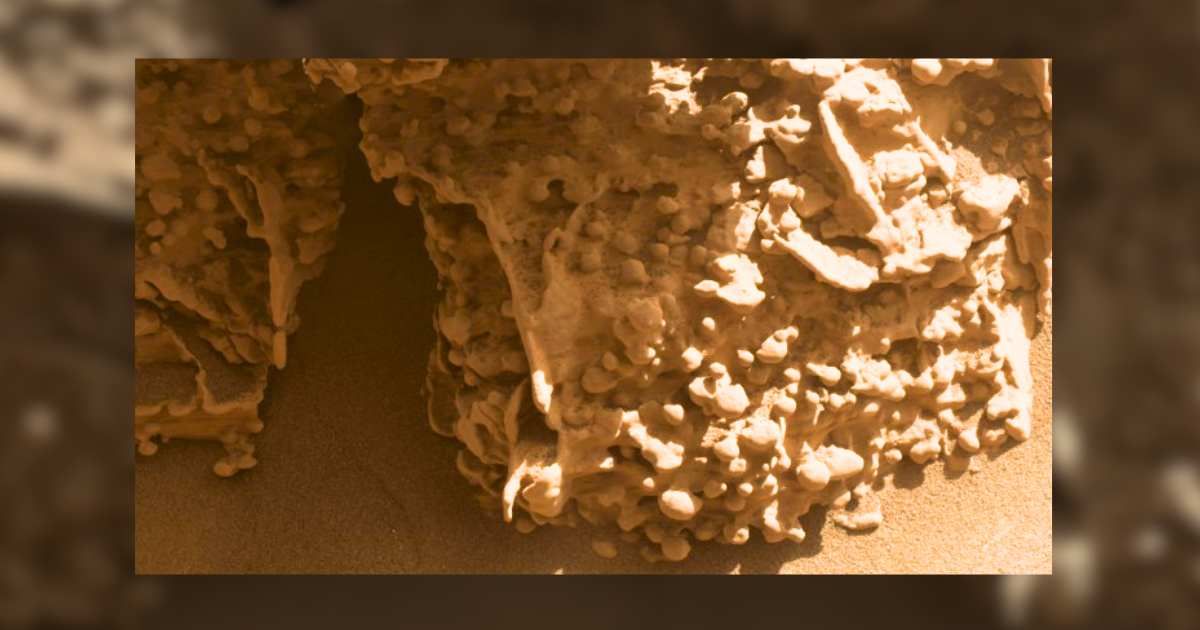
NASA’s Curiosity rover pictures Martian 'giant spiderwebs' that hint at ancient groundwater activity
New close-ups reveal mineral ridges and nodules that point to a wet past on the Red Planet.
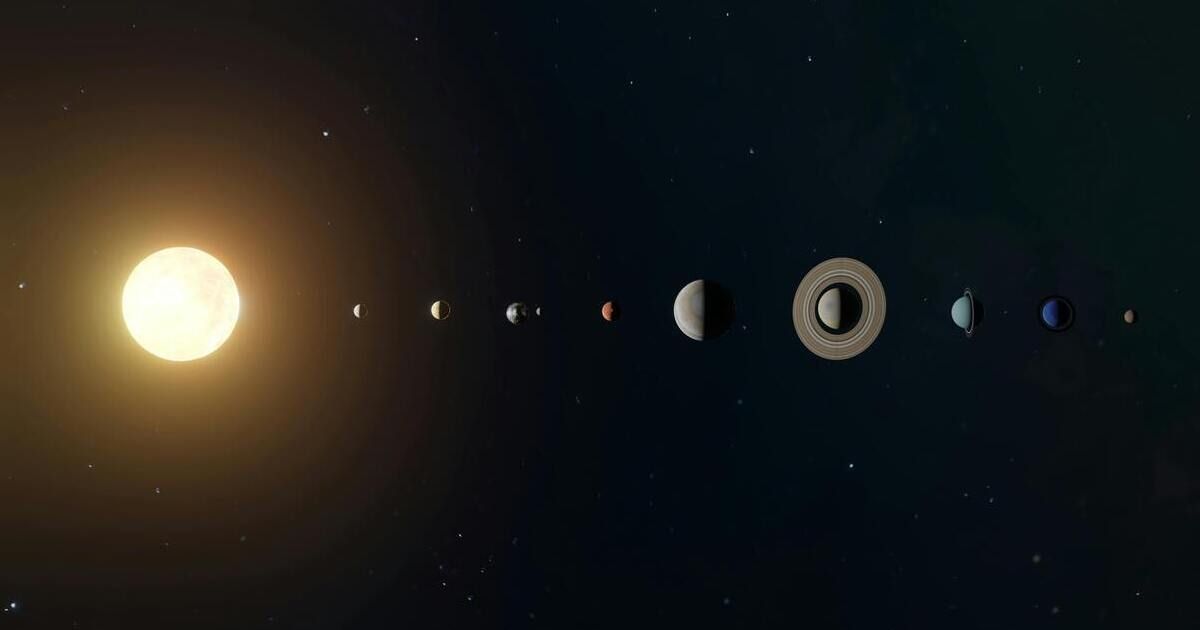
Rare planetary parade on February 28 as six planets gather in the evening sky
Mercury, Venus, Saturn, Jupiter, Uranus, and Neptune would be visible in the sky on February 28.
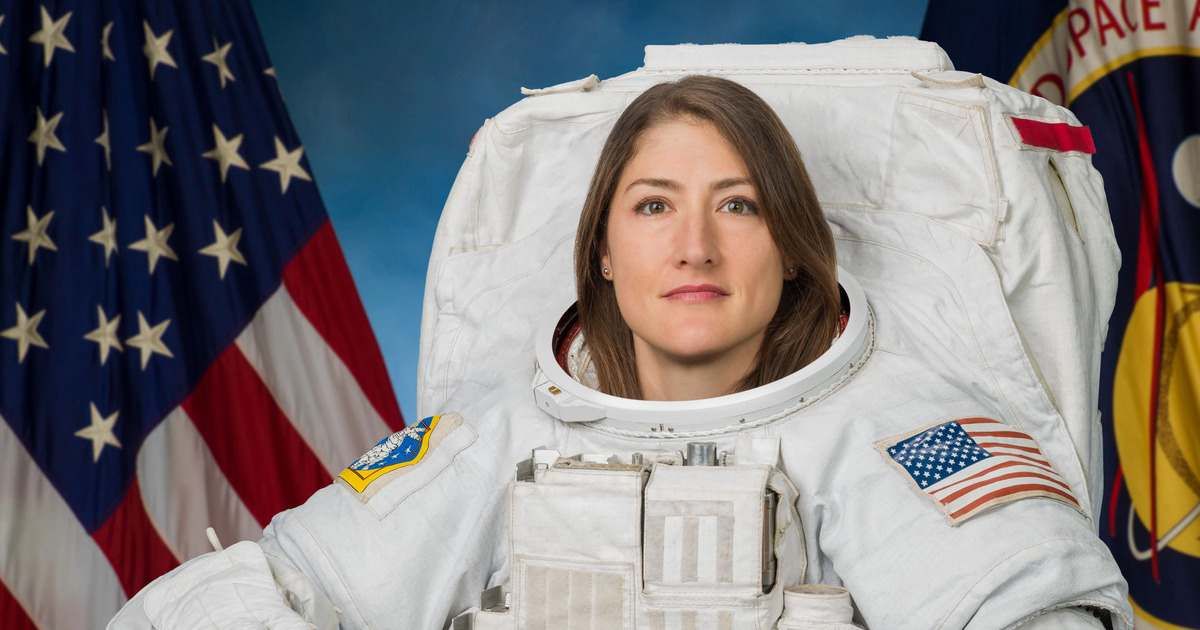
All about Christina Koch, the first woman to fly around the Moon as part of Artemis II
Her 328-day ISS stint, six spacewalks, and engineering career all lead up to NASA’s historic next.
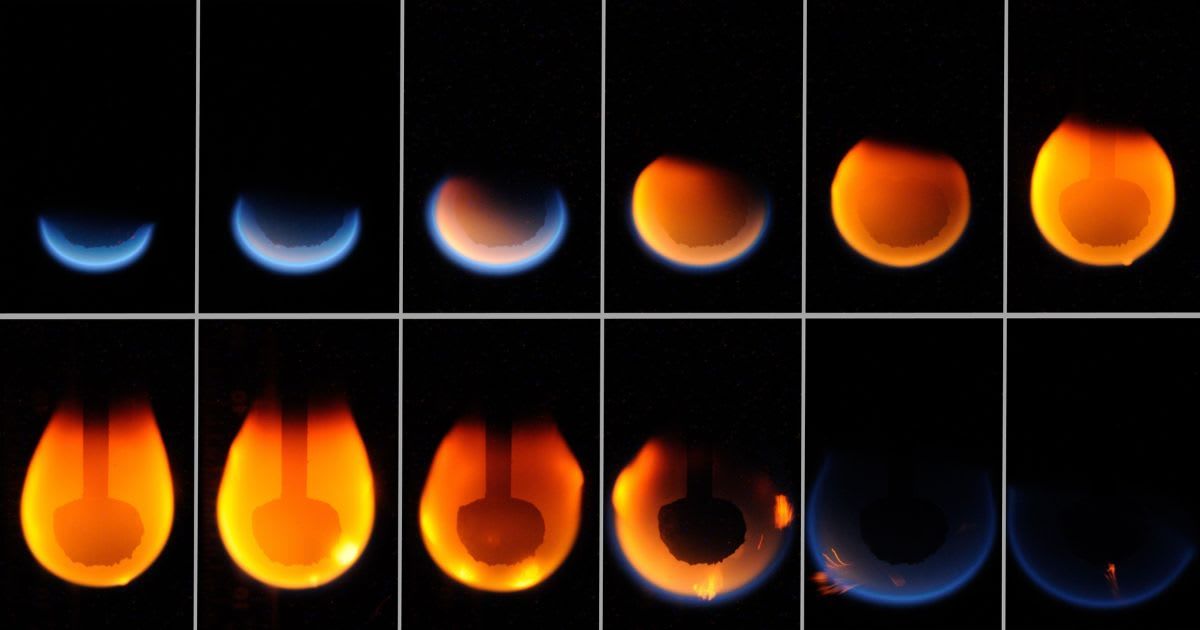
Why fire in space is trickier than you think—and how scientists are trying to fight it
Researchers explore cool flames, spherical fires, and new methods aimed at making spacecraft safer.