Rare planetary parade on February 28 as six planets gather in the evening sky
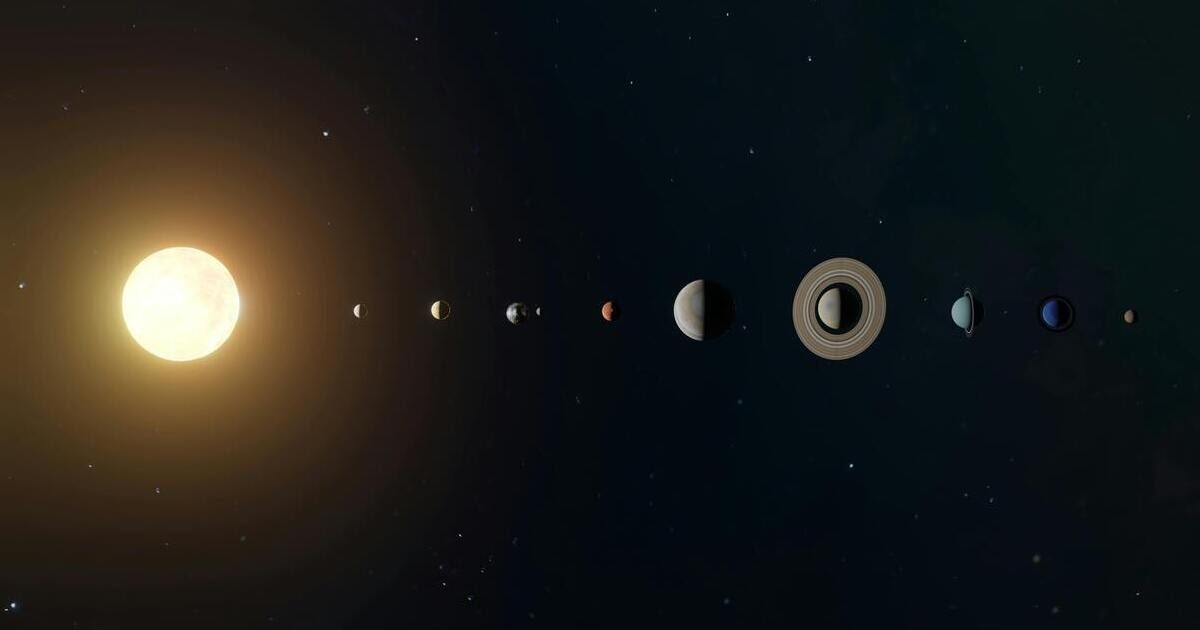
It’s time for skywatchers to get ready to witness a rare coming-together of planets in the evening sky this week. On February 28, 2026, six planets will be visible, almost grouped together as seen from the Earth. This rare planetary parade can be best experienced by enthusiasts if they manage to get just a few conditions and timing perfectly right. Technically, six planets—Mercury, Venus, Saturn, Jupiter, Uranus, and Neptune—would be visible in the sky. However, all six won’t be equally easy to see, and visibility might also depend on geographical location, as well as factors like weather or pollution.
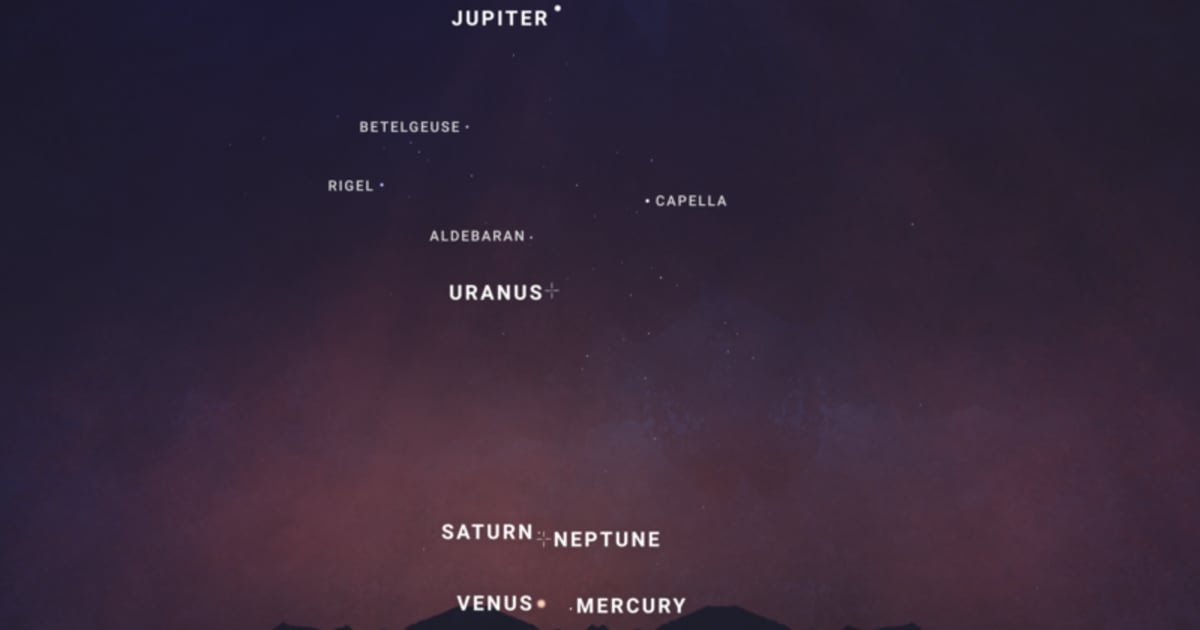
When, where, and how to look
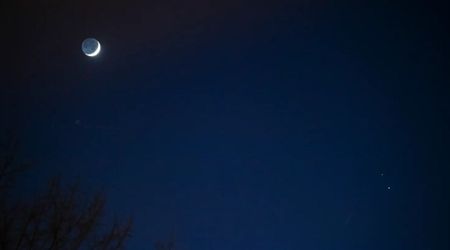
According to NASA, the rare planetary parade will be visible on February 28, 2026, and the ideal period to view Venus, Mercury, Saturn, and Neptune would begin 30 minutes after sunset and last for roughly 45 minutes. They will appear in the west during twilight, with Venus and Mercury closest to the horizon and Saturn slightly higher above them. Neptune, too, would be close to Saturn, but it would be extremely difficult to detect without at least a 6-inch (15-centimeter) telescope.
In the southern sky, Jupiter will shine bright and steady as a whitish point of light that does not twinkle like nearby stars. Roughly halfway between Jupiter and the cluster of planets near the horizon, the three stars of Orion’s Belt could be spotted, and they can work as a good visual guide in the evening sky. Like Neptune in this parade, Uranus, too, would require binoculars or a small telescope to locate it. As an alternative, simply follow Orion’s Belt, and Uranus would be seen sitting just below the Pleiades star cluster in the constellation Taurus.
What makes the February 28 alignment special
This six-planet alignment is the first of its kind in more than half a year, following the last similar occurrence in August 2025. And while Mars, Jupiter, and Saturn are often seen in the night sky, lineups featuring Venus are extra special, considering how the planet is only visible for a couple of months at a time when it reaches elongation (greatest separation from the Sun). Moreover, parades featuring more than four planets are not annual events.
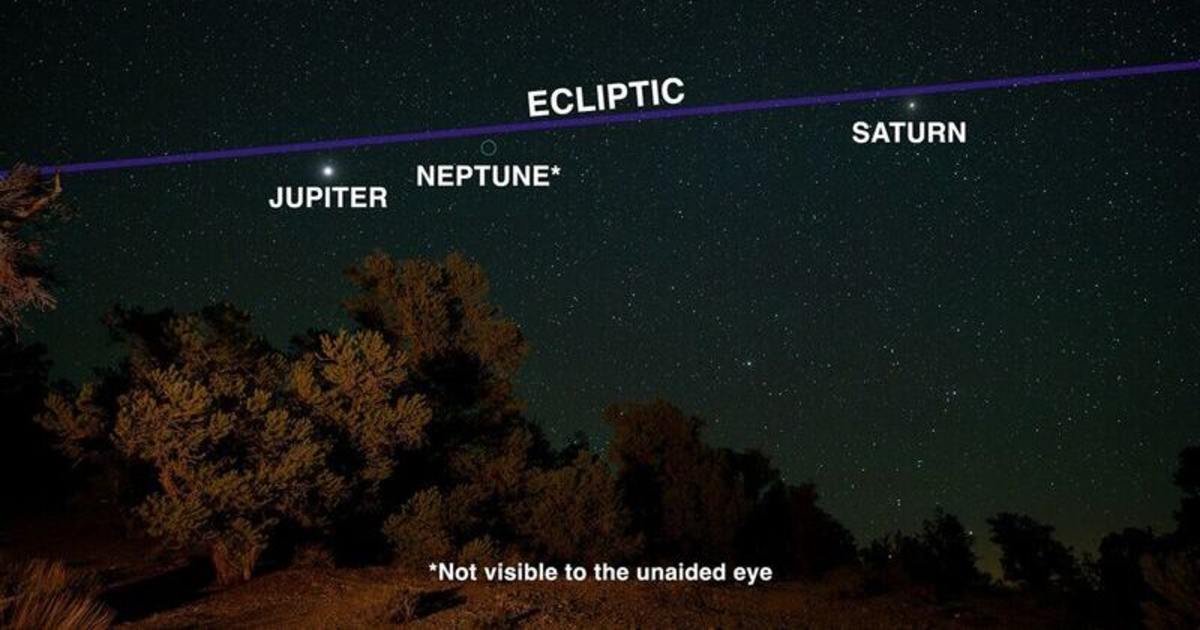
Because planets orbit our Sun in a disc-shaped plane of which we have an edge-on view, the planets appear along a line or arc across the sky. This line is referred to as the ecliptic or ecliptic plane. There’s also a lunar treat in the sky on the same evening as the parade. On February 28, the 92% illuminated waxing gibbous Moon will drift close to the Beehive Cluster, a bright group of about a thousand stars 577 light-years away from Earth. Shortly after that, on March 3, observers will be treated to the Blood Worm Moon, which will be the last one of its kind until 2028.
More on Starlust
March 3 'Blood Moon' is your last chance to see a total lunar eclipse until 2028
NASA's top skywatching events for 2026: Total lunar eclipse, Perseid meteor shower and more