Breaking down the NASA Authorization Act of 2026 and what it means for the space agency
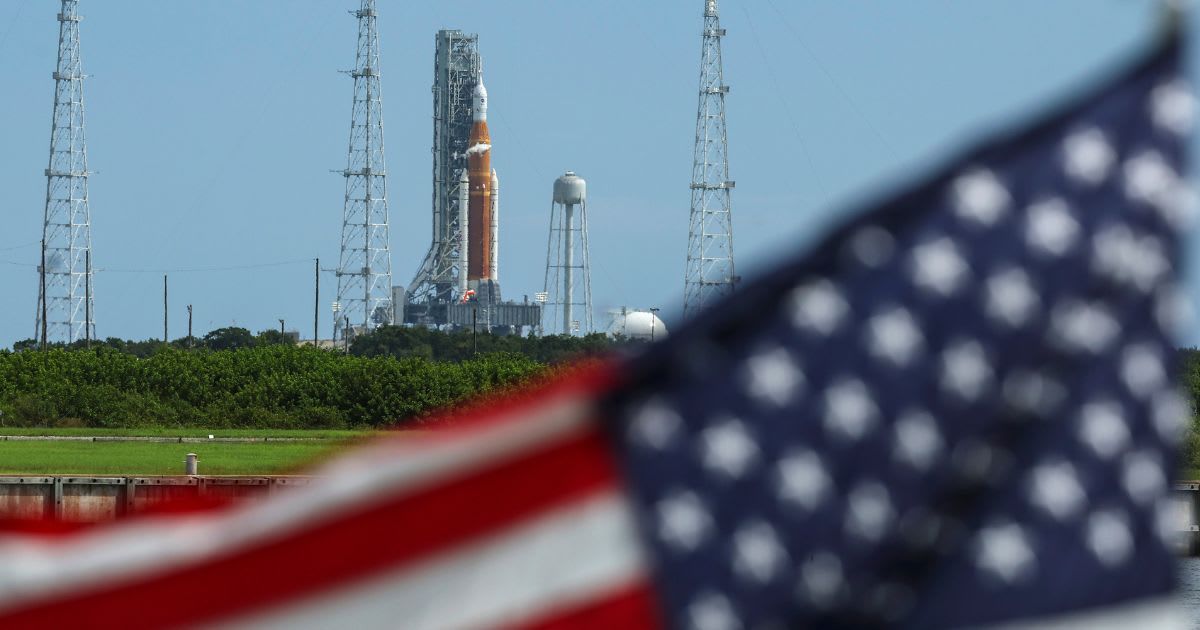
A revised version of the NASA Authorization Act is all set to send the space agency through a major policy shift. On March 4, the United States Senate Commerce Committee approved an amended S. 933, an act that was introduced a year ago. The committee passed the bill via voice vote with nearly 20 additional amendments, which will be crucial indicators of what policy direction the agency’s programs will be taking from now on.
Thank you Chairman @SenTedCruz and @SenateCommerce for advancing the NASA Reauthorization Act of 2026. A major bipartisan step towards empowering the agency to execute on @POTUS’s National Space Policy to return @NASA astronauts to the Moon and build the base. 🇺🇸 pic.twitter.com/dxr3wdb2tr
— NASA Administrator Jared Isaacman (@NASAAdmin) March 4, 2026
The revised legislation seems clearly in sync with the latest Artemis mission reset strategy announced by NASA Administrator Jared Isaacman on February 27. Some key areas of strategic interest in the bill include the International Space Station, commercial space stations, and plans for Mars exploration. “Our bill authorizes critical funding for and gives strategic direction to the agency, in line with the priorities of Administrator Isaacman and the Trump Administration,” said committee chairman Senator Ted Cruz (R-Texas) in a brief hearing.
Implementing the Artemis program reset
The NASA Authorization Act of 2026 arguably takes everything Isaacman had spoken about in late February and turns it into actionable guiding policies. The revised bill aims to implement solutions that would allow restructuring the Artemis missions, such as no more upgrades to the Space Launch System (SLS) rocket. NASA leadership had repeatedly insisted that not all of these rockets need to be "a work of art," and that it will be going forward with a "near Block 1" configuration. As a result, the 2026 Act practically confirms that NASA will no longer develop the Exploration Upper Stage (EUS), which was intended to power the Block 1B version of the SLS rocket. The Senate bill specifically calls for “identifying and funding an alternative technology to replace the EUS.” NASA has, in fact, answered the call, choosing the United Launch Alliance's Vulcan Centaur 5 upper stage as the replacement for the EUS, per a procurement filing published on March 6.
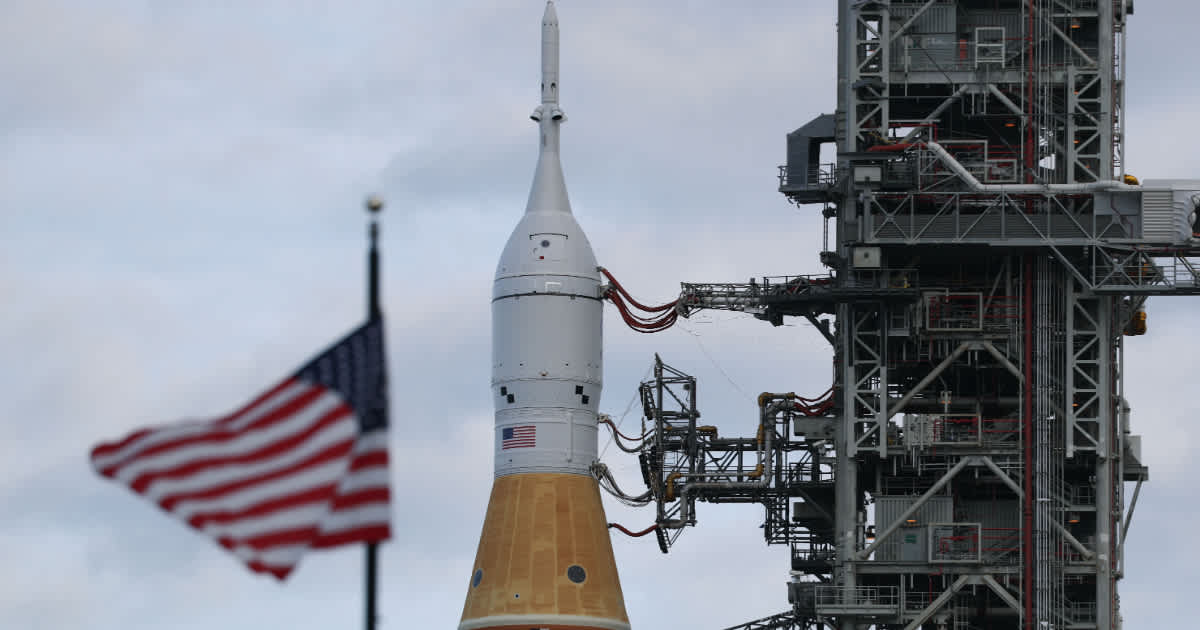
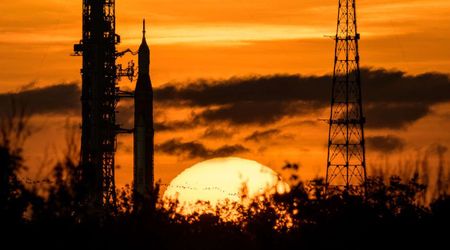
Additionally, the bill also requires the space agency to provide briefings about how it intends to standardize the rocket configuration to allow for more frequent launches. With Artemis I’s launch going back to 2022 and the Artemis II rocket still in the Vehicle Assembly Building, the committee seems to agree with NASA on concerns of the launch cadence being too low.
A Moon base and Lunar Gateway's future
NASA’s goal with Artemis has always been about setting up a permanent lunar base and not just landing humans on the Moon again. The NASA Authorization Act of 2026 aligns with this idea as well, calling for plans and activities necessary to establish a Lunar Surface Moon Base. The directive states that the base must be capable of supporting long-term human habitation, robotic operations, and scientific and industrial activities. In December 2025, President Donald Trump issued a White House executive order calling for the initial elements of a permanent lunar outpost by 2030, and the revised Senate bill builds on this.
America must lead on the ultimate high ground of space.
— NASA Administrator Jared Isaacman (@NASAAdmin) March 6, 2026
Our priorities are clear—return to the Moon and build a lunar base, ignite a true orbital economy, and prepare for humanity’s next giant leap to Mars. pic.twitter.com/yhLNVcFJ8d
Despite the 2026 Act’s loud and clear call for a lunar base, there aren’t many specific details as to how the agency will achieve it, especially in terms of the architecture, timeline for development, and the costs the project would incur. As an initial step, NASA would have to assign a program lead center for this purpose, most likely the Johnson Space Center in Texas. However, keeping the Moon base plans aside for a moment, the bill doesn’t seem to focus on a major Artemis element—the Lunar Gateway space station. Instead, it simply states that NASA must provide a briefing “on plans for the Gateway outpost” within 60 days of enactment.
Moving from ISS to commercial stations
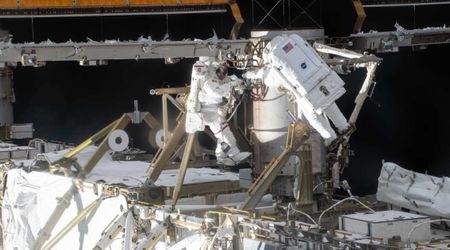
The NASA Authorization Act of 2026 extends the International Space Station’s operational period by two more years (from 2030 to 2032). The ISS cannot be deorbited until at least one commercial space station is active. However, the Commercial Low Earth Orbit Destinations (CLD) program has been hampered by NASA’s repeated delays in issuing calls for proposals from private operators. This has led to uncertainty in development planning, workforce scaling, and infrastructure investment decisions, as stated in the revised bill itself.
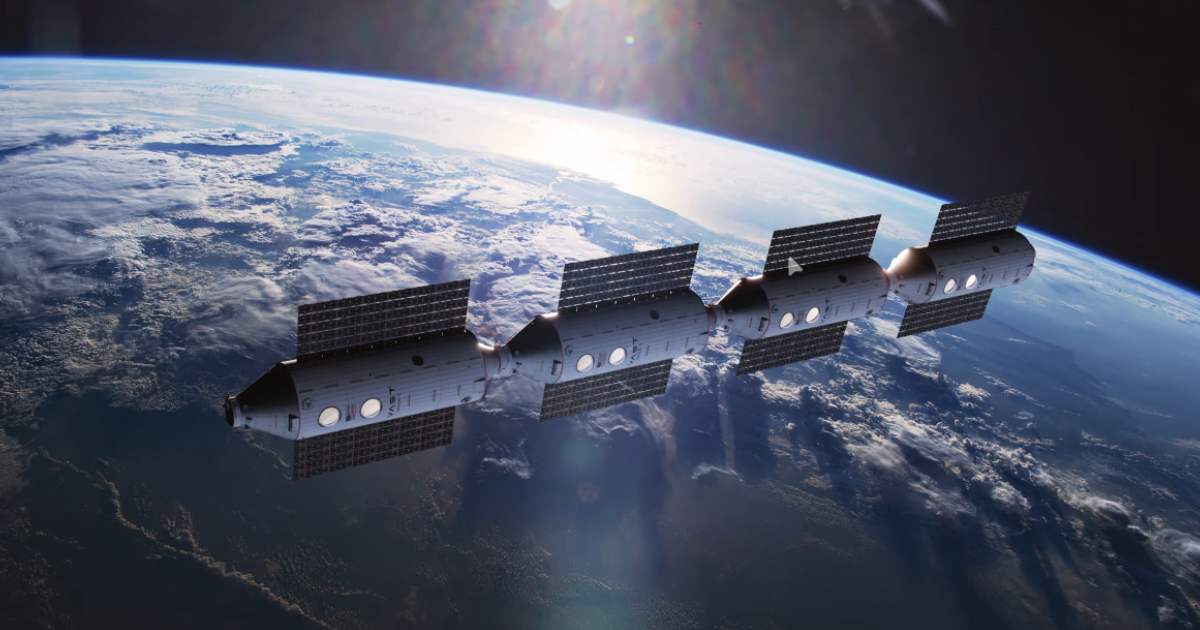
To push the onus from ISS to commercial space stations, NASA must meet several time-bound conditions set by the latest bill. This includes publicly calling for CLD proposals and handing out contracts to at least two providers within 180 days of the bill’s enactment. Potential commercial providers currently developing such stations include Axiom Space, Blue Origin, Vast, and Voyager Technologies. In the meantime, NASA must maintain current ISS operation numbers in terms of both crew and cargo.
Mars missions and MSR's revamp
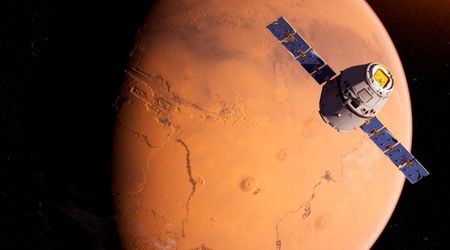
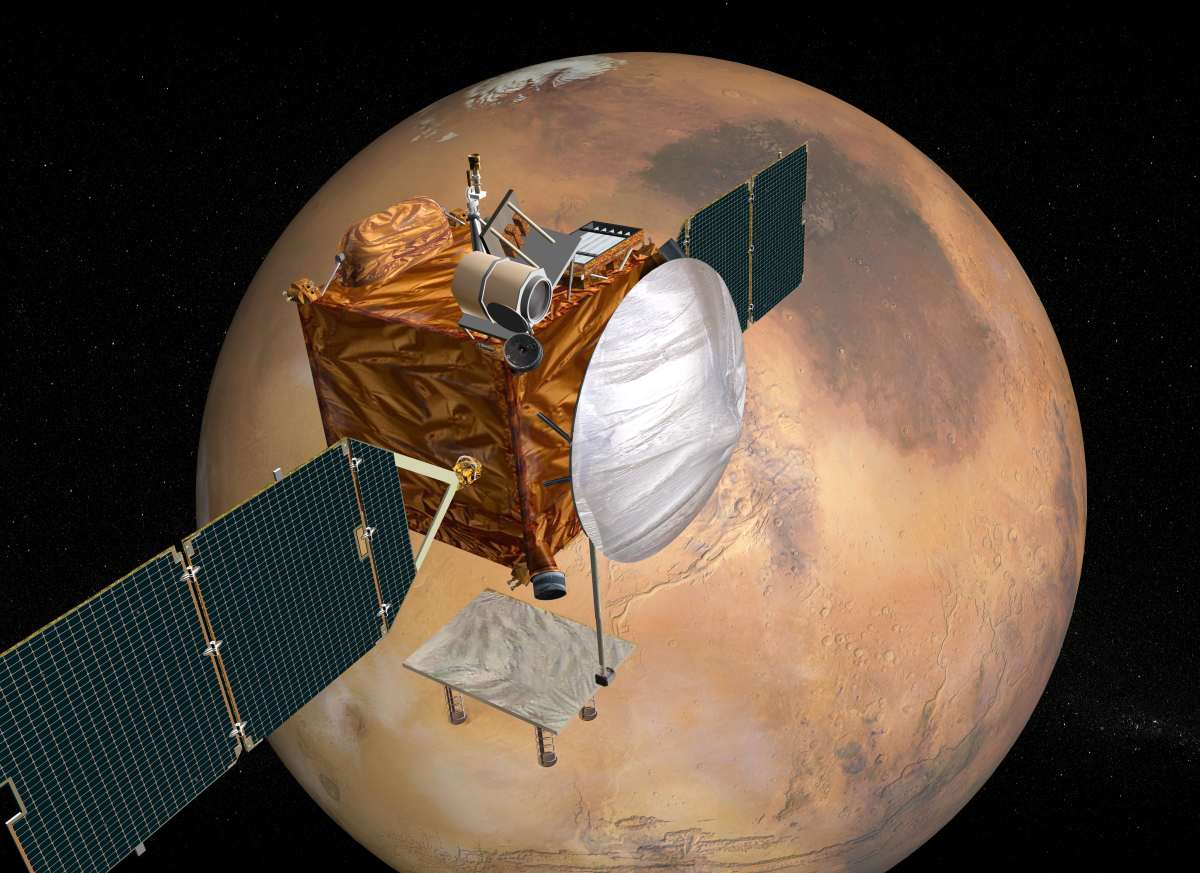
The Senate bill is also a final nail in the coffin for the Mars Sample Return (MSR) mission. The original program didn’t receive any funding in the 2026 fiscal year appropriations bill, and the latest bill formally terminates it. However, not all is bleak, as the authorization bill directs NASA to create a revised MSR plan, now with a total cap of $8 billion. The new program must use existing flight-proven technologies, and it allows international contributions as long as they don’t increase cost or risk. The Mars Telecommunications Orbiter should also remain independent from the new MSR plans, according to the bill. The policy shift has also asked the agency to conduct studies such as analyzing the Red Planet's effects on human tissue samples, as well as to collect space weather data.
The launch competition debacle, now solved
The NASA Authorization Act also solved a launch competition issue, something that was prevalent in earlier drafts. There was a controversial proposal that would have barred a single provider from receiving any more than 50% of NASA’s annual launch contract value. Former NASA Administrator Jim Bridenstine supported this move, arguing it would protect competition. However, the provision was removed from the final bill approved by the committee. NASA is now expected to provide a briefing on its “plans and strategy for continuing to procure commercial launch services.”
More on Starlust
Vast secures funding of $500 million to speed up building its 'Haven' private space stations
SpaceX pauses Mars plans, shifts focus on building a 'self-growing city' on Moon within a decade