ESA's Juice captured interstellar comet 3I/ATLAS shortly after perihelion—here's what it found
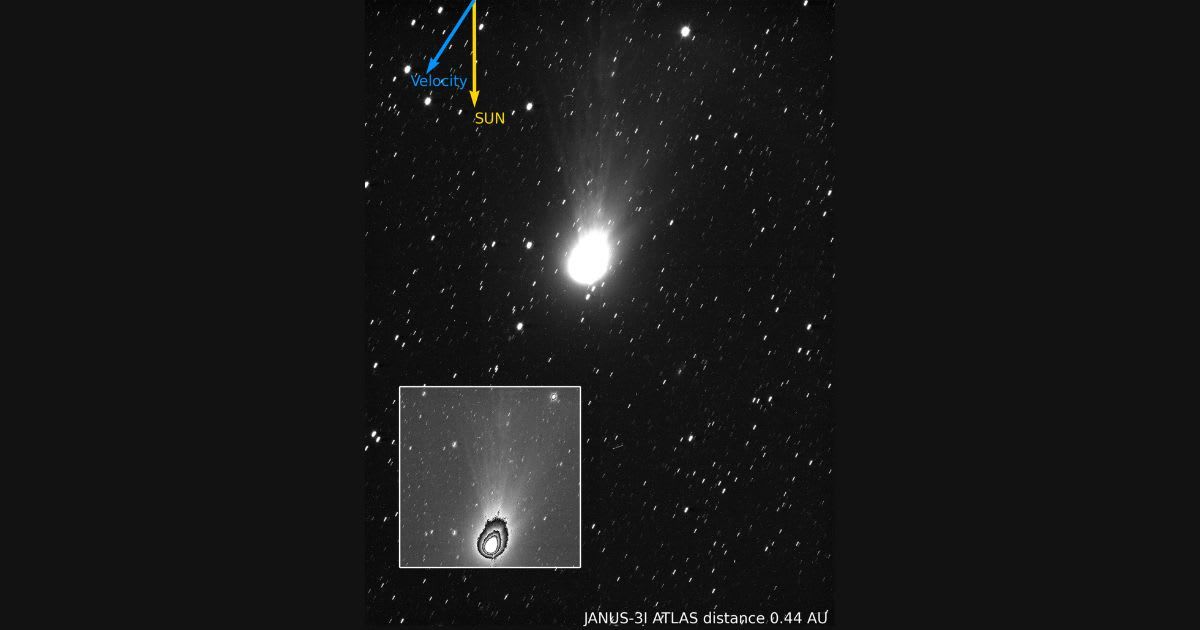
The science camera on the European Space Agency's (ESA) Jupiter Icy Moons Explorer (Juice) caught a glimpse of 3I/ATLAS, the interstellar comet. The newly released image was taken on November 6, 2025, just seven days after perihelion, i.e., the comet’s nearest point to the Sun. The Juice spacecraft was roughly 66 million km away from 3I/ATLAS when it captured more than 120 images of it across a wide wavelength range. Although not a comet mission, Juice and its science camera, JANUS, managed to be in the right place at the right time.
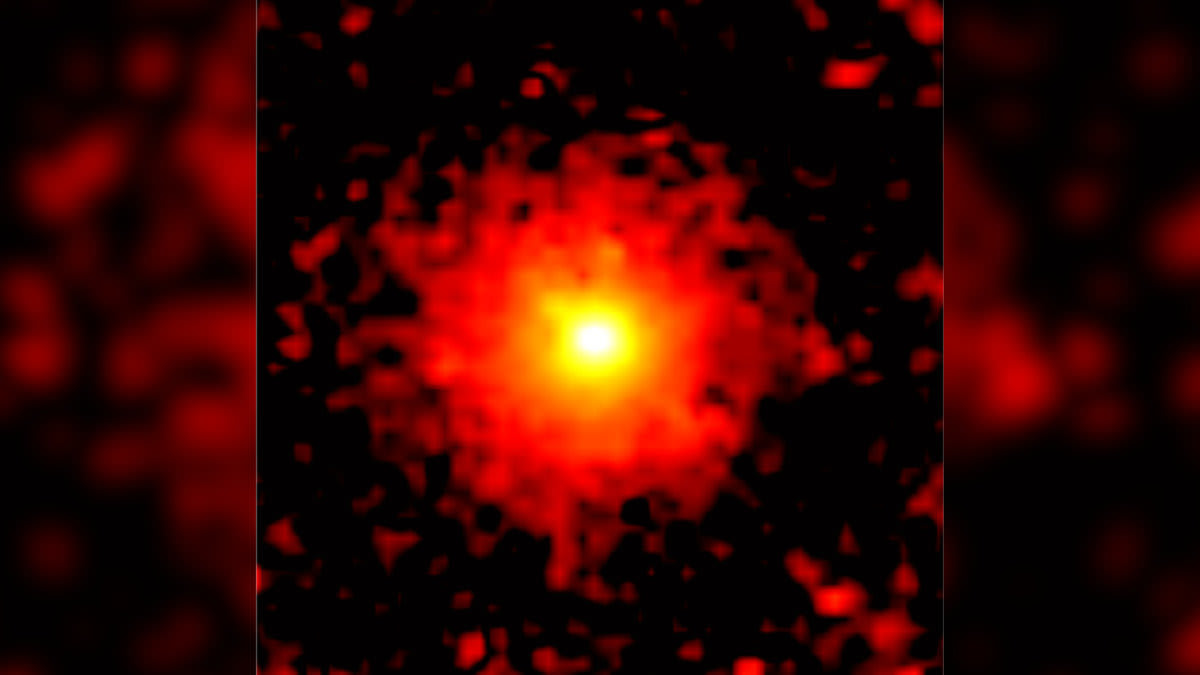
The image of 3I/ATLAS taken by the Jupiter-headed spacecraft reveals a bright halo of gas (coma) surrounding a tiny nucleus. The nucleus is not resolved, as the brightness of the coma dominates the rest of the comet. An egg-shaped central glow can be observed with an extended dust/gas tail and hints of rays, jets, streams, and filaments can be seen. A process inset of the same image shows the coma structure in more detail.
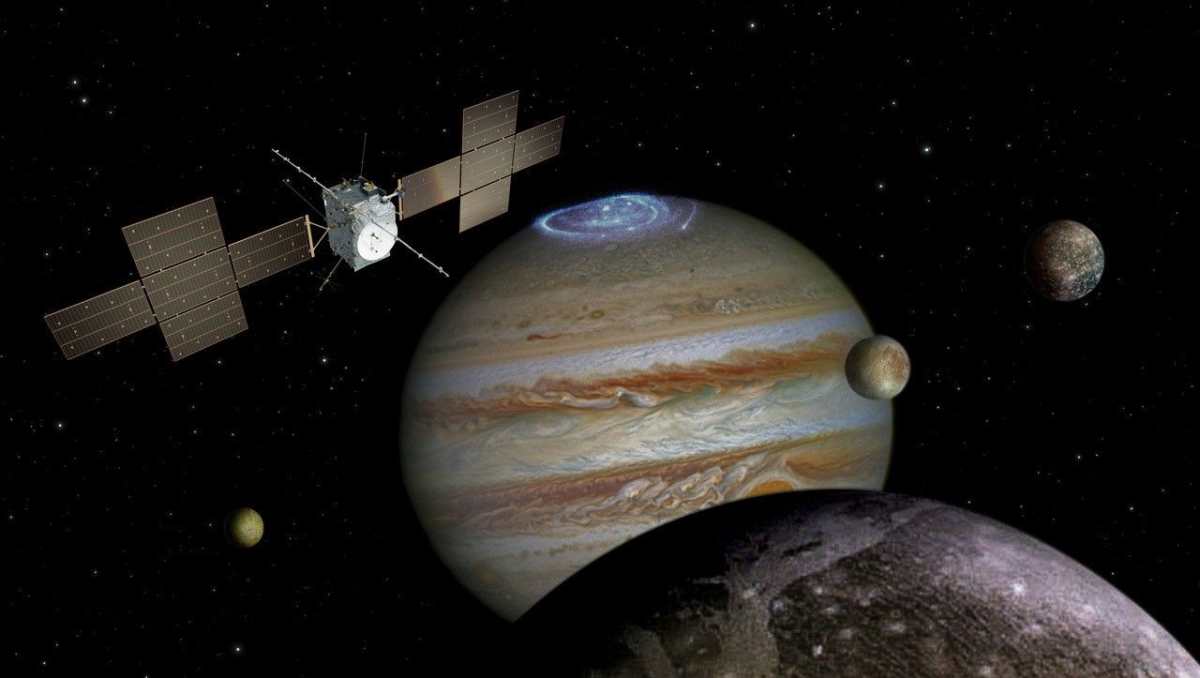
ESA’s Juice encountering 3I/ATLAS matters more than just capturing images for visual representation. Apart from JANUS, Juice also used four other instruments—MAJIS (Moons and Jupiter Imaging Spectrometer), SWI (Submillimeter Wave Instrument), PEP (Particle Environment Package), and UVS (Ultraviolet Spectrograph)—to observe the comet. The respective teams responsible for each instrument are currently studying the data obtained, the conclusions of which will be discussed in late March.
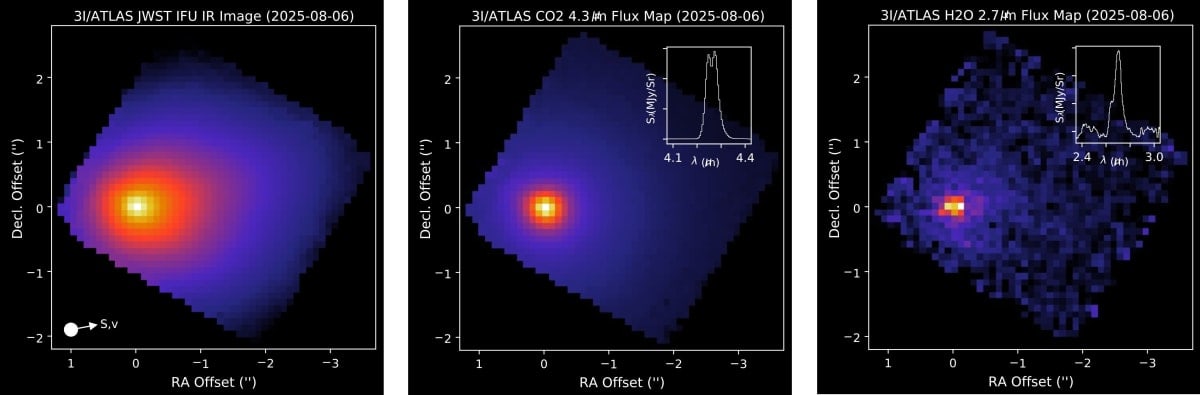
ESA was able to obtain this data from Juice only now, since it was on the opposite side of the Sun from the Earth. This meant the spacecraft had to use its high-gain antenna as a thermal shield, while low-rate communications were handled by its medium-gain antenna. As a result, the full dataset took a significant amount of time—almost four months—to be fully received back home on Earth for ESA teams to study the comet.
According to the recent confirmation from ESA, 3I/ATLAS displays behavior and traits that are consistent with a “normal” comet. This includes factors like its standard coma formation and expected dust/gas release near perihelion. It suggests that comets might follow the same physics even across different planetary systems and could be formed through similar processes everywhere.
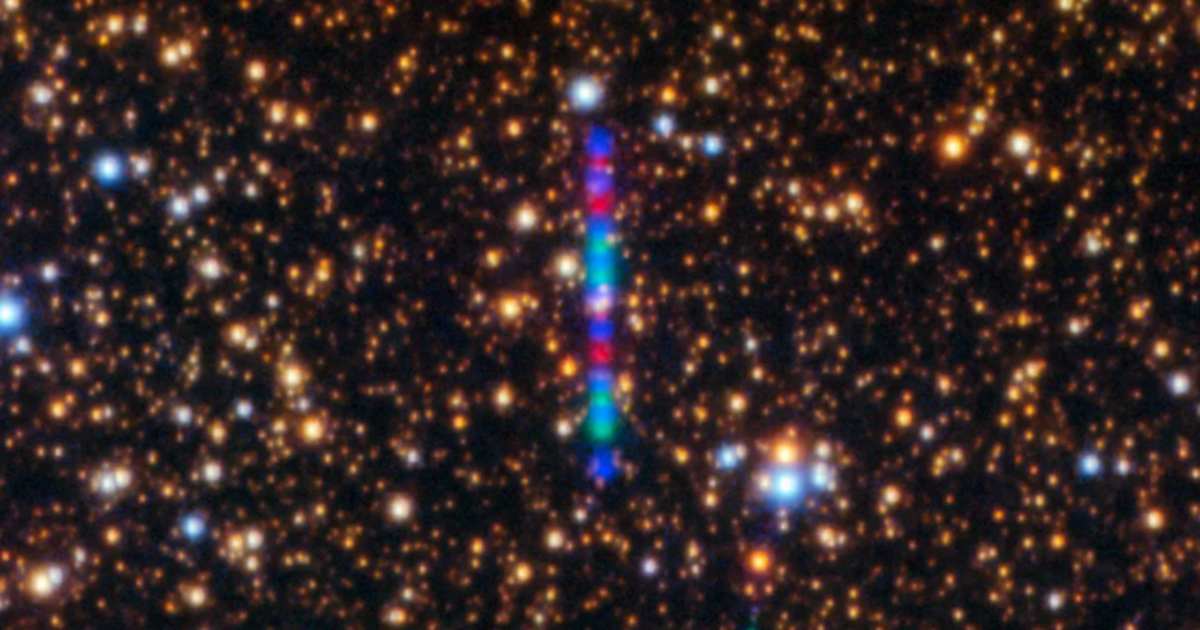
Ever since its discovery in July 2025, 3I/ATLAS has been the center of astronomers’ attention. It is only the third confirmed interstellar object (hence the 3I) to pass through our solar system. The comet has a hyperbolic trajectory, and its speed is said to be around 153,000 mph at perihelion, according to NASA. 3I/ATLAS is being watched closely since it most likely traveled billions of years through space and could reveal a great deal about other solar systems.
More on Starlust
Could we possibly catch up with 3I/ATLAS? A daring new plan says 'yes'
Interstellar comet 3I/ATLAS tracked again by NASA’s exoplanet hunter TESS