Why fire in space is trickier than you think—and how scientists are trying to fight it
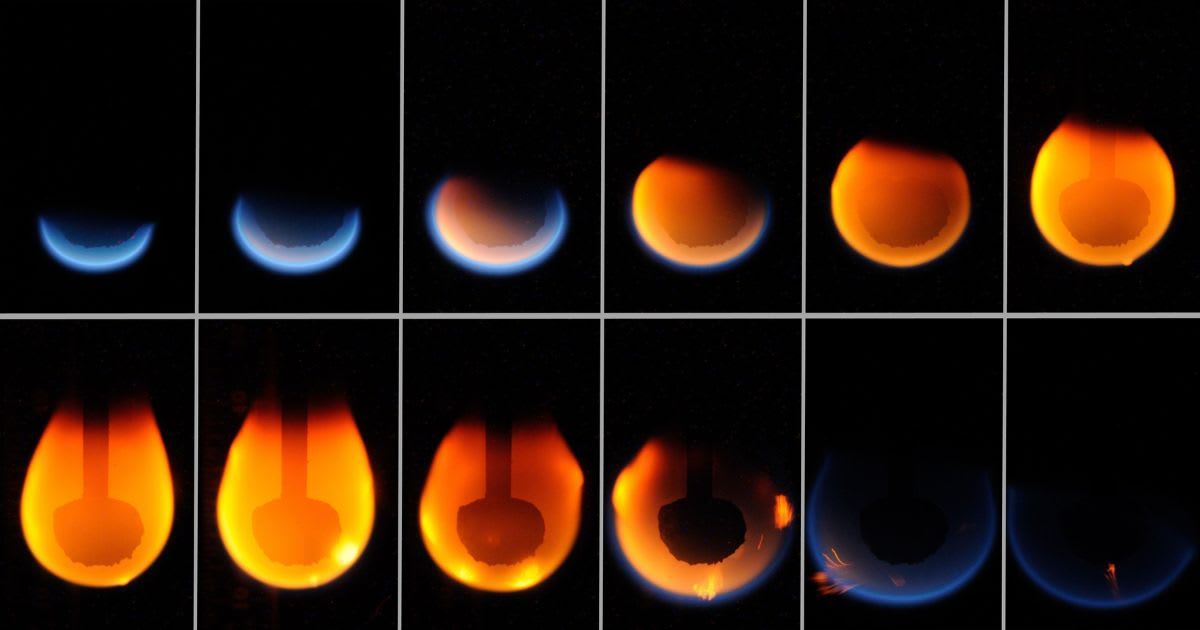
Among all the elements of nature, fire poses the biggest threat to any environment, be it indoors or outdoors. It is even more unpredictable inside spacecraft and space stations due to how it behaves in the absence of gravity. This affects everything from flame shape to the methods required to extinguish a fire in orbit. In order to mitigate these risks and prevent harm, fire safety has been a standout priority in human spaceflight research.
A project known as FireSpace is a recent addition to a long line of such efforts and has received a $16.55 million (€14 million) grant that will keep it funded for the next six years. The program’s intent is to understand and combat fire-related incidents in environments with low gravity and pressure and high oxygen levels, ergo, space stations and spacecraft. FireSpace proposes solutions such as using acoustic and electromagnetic perturbations to control actively spreading flames, as well as producing advanced fire-retardant materials. The project plans to launch a sounding rocket to test fire in space. With the resurgence of manned missions to the Moon and Mars, crew safety is non-negotiable.
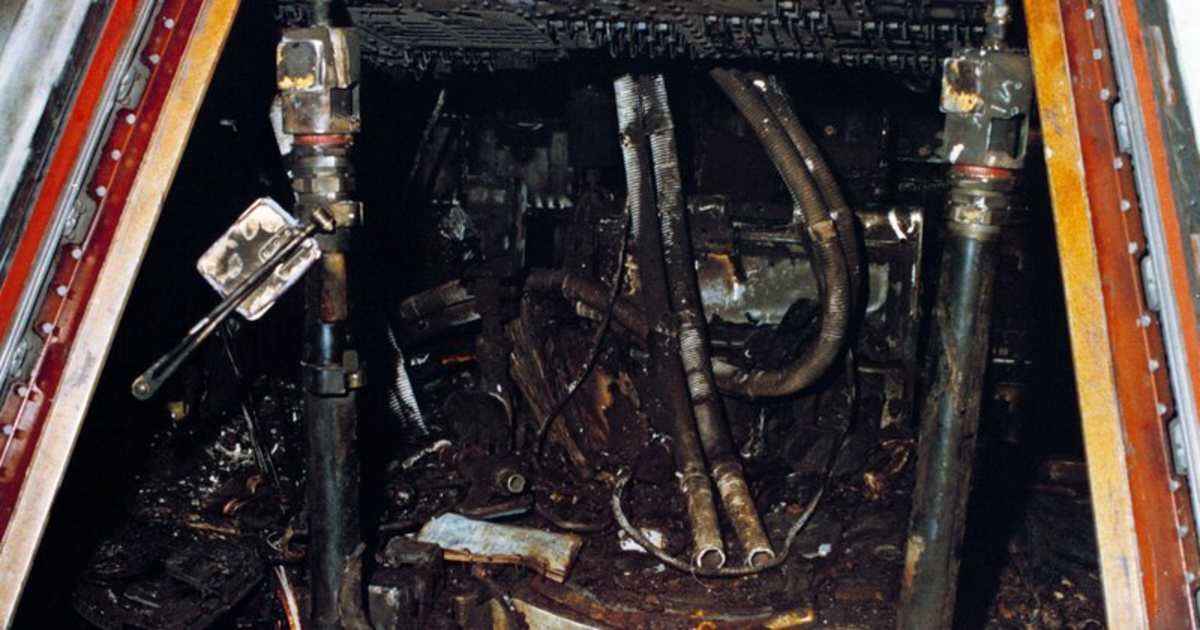
Serge Bourbigot, a professor at France’s Centrale Lille Institute and a member of the FireSpace team, points to one of the earliest cautionary tales in spaceflight fire safety – Apollo 1. Just days before its launch in January 1967, three crew members were killed by a fire that swept through the spacecraft’s cabin during a ground test. “At the time, the capsules were filled with 100% pure oxygen, and at low pressure instead of atmospheric pressure, so that the astronauts could breathe. But the more oxygen you have, the more it burns,” Bourbigot told France 24. Since the accident, spacecraft atmospheres were adjusted to 21% oxygen to match Earth’s levels, and yet, the behavior of fire in orbit remains a serious concern for crew safety.
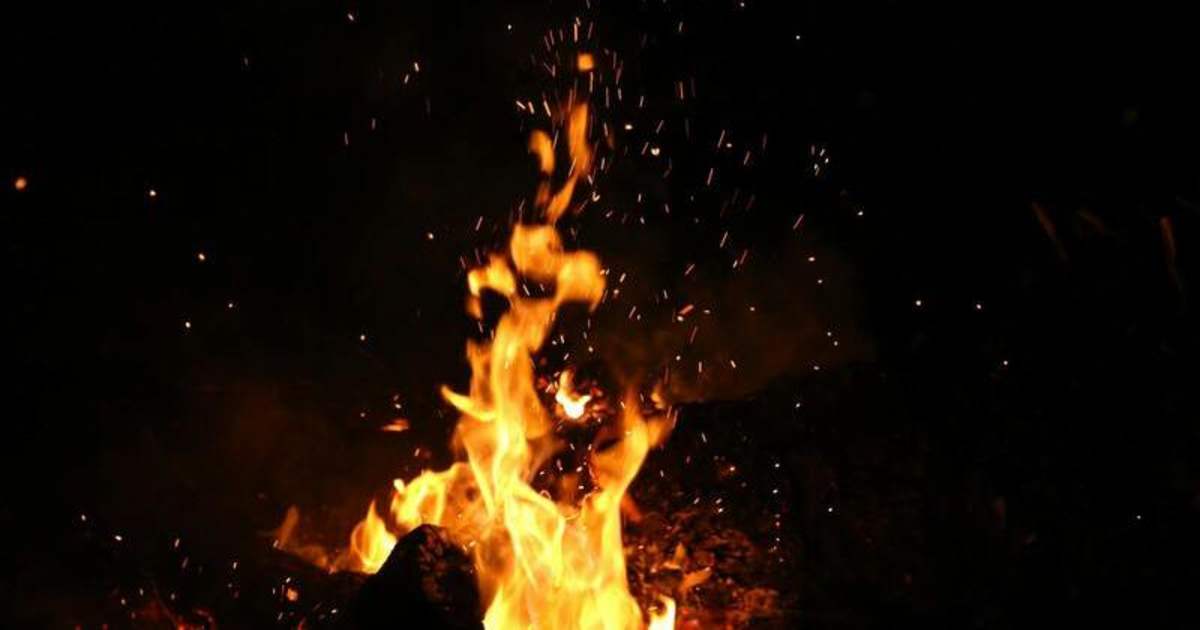
On Earth, flames take the shape of a teardrop, whereas in space, they are round. Convection causes the heat to rise as hot air is lighter than cold air. However, microgravity in space doesn’t allow the heat to rise, and the flame takes the shape of a ball. "This ball will create heat and radiate, sending heat into the environment. The fire will spread like that," Bourbigot added. FireSpace becomes even more important when considered under the context of NASA's recommendation to increase the oxygen concentration of space vehicles and outposts to 35%. "With 35% oxygen, less pressure is needed inside the spacecraft, so the structure can be lighter. However, the heavier it is, the bigger the rocket needs to be, and the more expensive it is," Bourbigot explained. But with an increase in oxygen levels, the risk of a fire breaking out also increases.
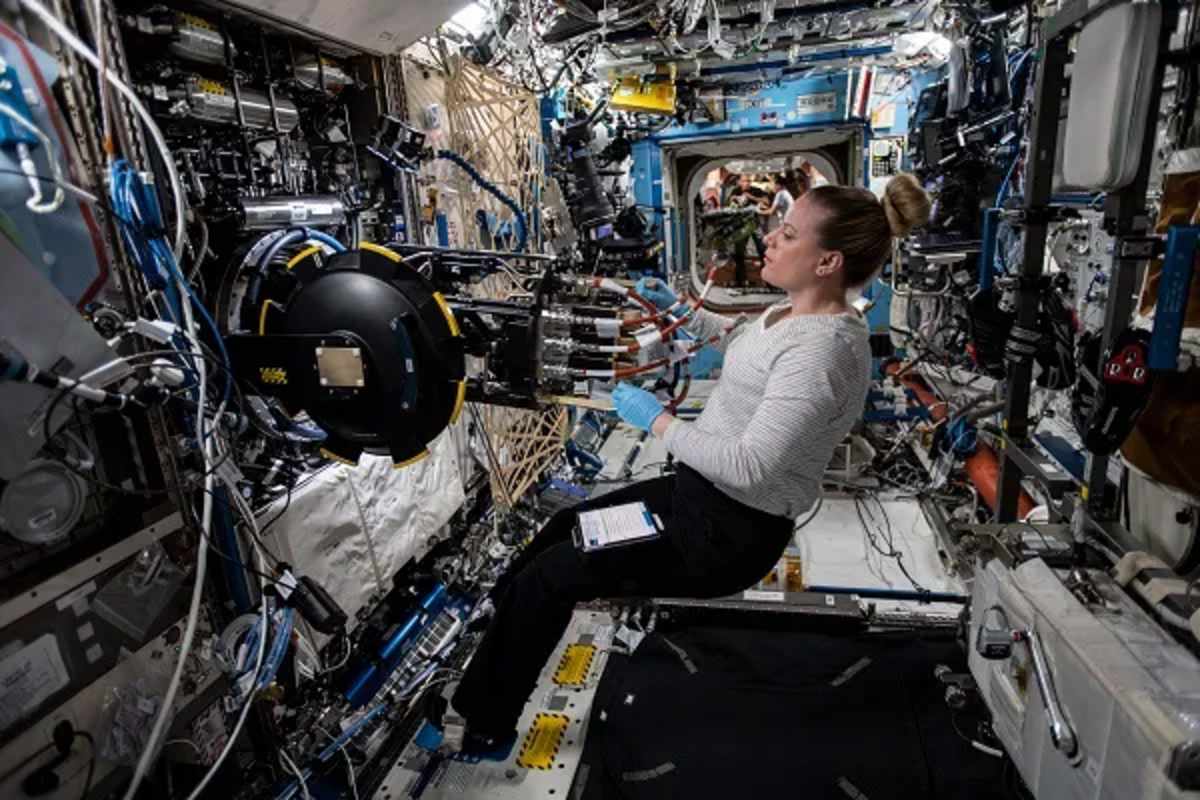
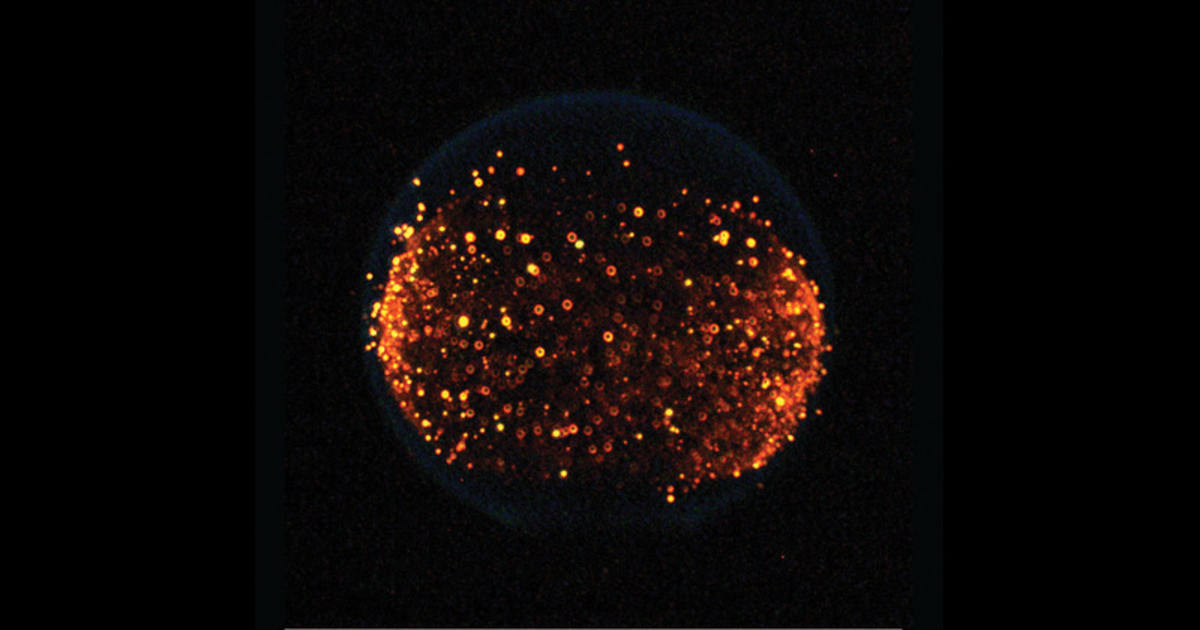
NASA’s efforts, such as the Combustion Integrated Rack (CIR), a dedicated chamber on the ISS, and the Flame Extinguishment Experiment (FLEX), are all aimed at understanding space combustion and fire safety better. FLEX found that certain liquids spontaneously reignite after being extinguished and burn at lower temperatures. What's perhaps scarier is that they are invisible to the naked eye.
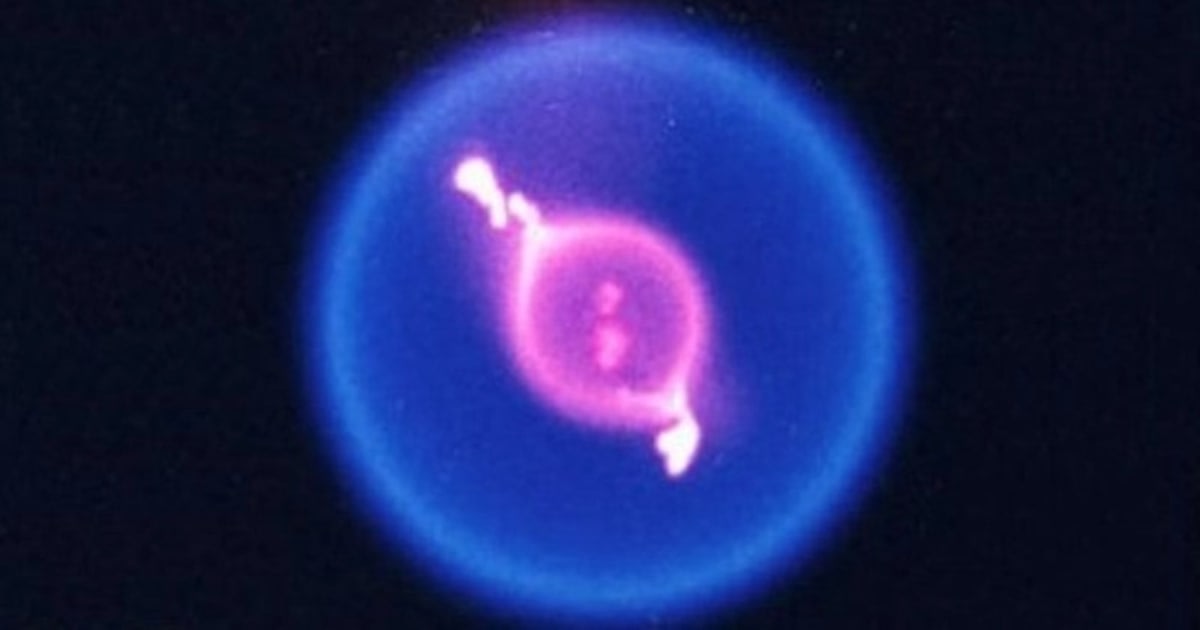
But as scary as it is, the concept of low-temperature combustion could one day help eliminate air pollution on Earth. While only theoretical for now, signs of progress emerged in June 2021, when researchers successfully reproduced cool-flame behavior using gaseous fuels over liquid ones.
More on Starlust
NASA scraps March launch for Artemis II—SLS rollback to VAB set for February 24
Spacecraft's electrical discharges threaten safety of crucial space equipment. Study finds solution