Did the Moon have a strong or weak magnetic field? A new study may have settled decades-long debate
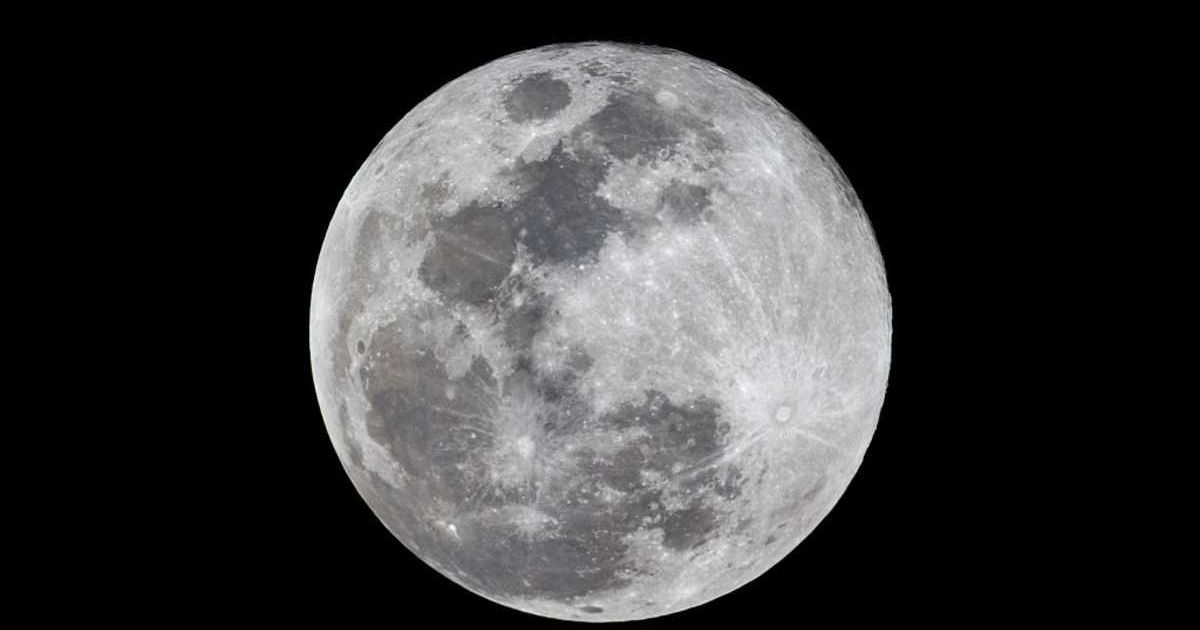
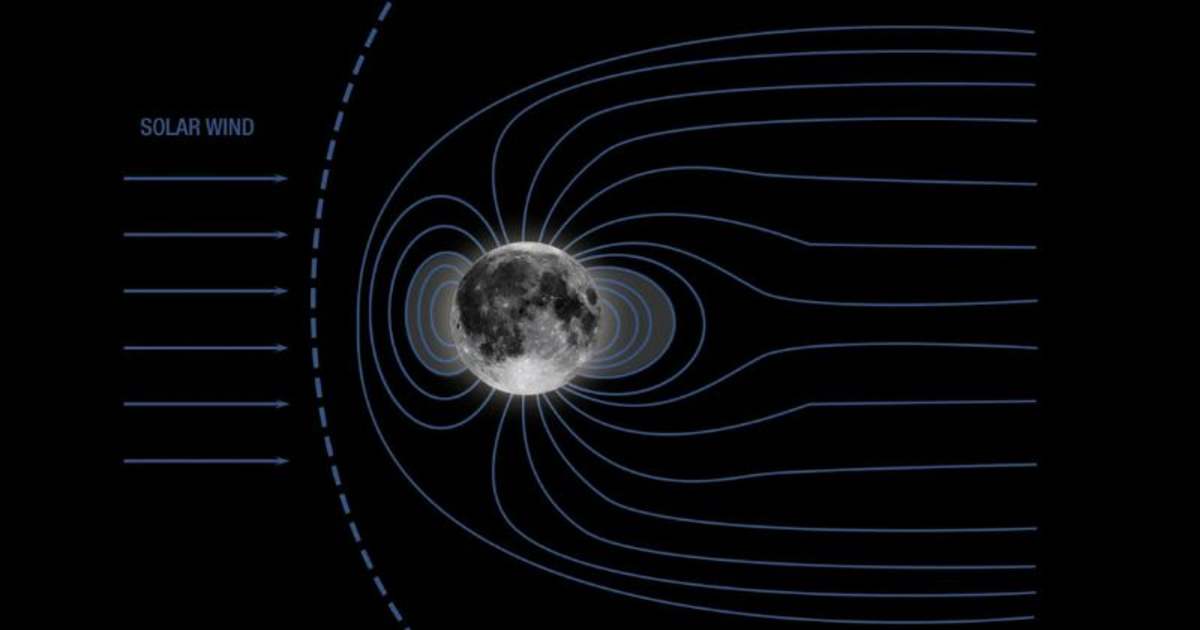
The Moon’s ancient magnetic field has been the subject of hot debate for about half a century now. Some lunar rocks have shown magnetism, even stronger than that of Earth. But the Moon’s small core, which is about one-seventh of its radius, simply cannot sustain such a powerful dynamo, according to principles of planetary physics. Since the Apollo era, scientists have argued about whether to declare the Moon's magnetic field strong or weak, and a new study from the University of Oxford might finally have an answer—it was both.

The study, titled “An intermittent dynamo linked to high-titanium volcanism on the Moon” and published in Nature Geoscience, found that the Moon’s magnetic field was weak for most of its early history, around 3.5 to 4 billion years ago. However, there were some brief periods when the field became extremely strong, ranging anywhere between just a few decades to no more than 5,000 years. Essentially, strong lunar magnetism was the exception rather than the rule, and this explains the ‘intermittent dynamo’ concept.
The debate around strong versus weak lunar magnetic fields could be blamed on sampling bias. The data came from Apollo missions, all of which landed in the Mare regions. These flat and safe landing sites were unusually rich in titanium, and many of the samples extracted from there recorded strong-field events. Since most of the samples were collected from that same area, scientists assumed they represented nearly 0.5 billion years of the Moon’s history, but they were just rare episodes.
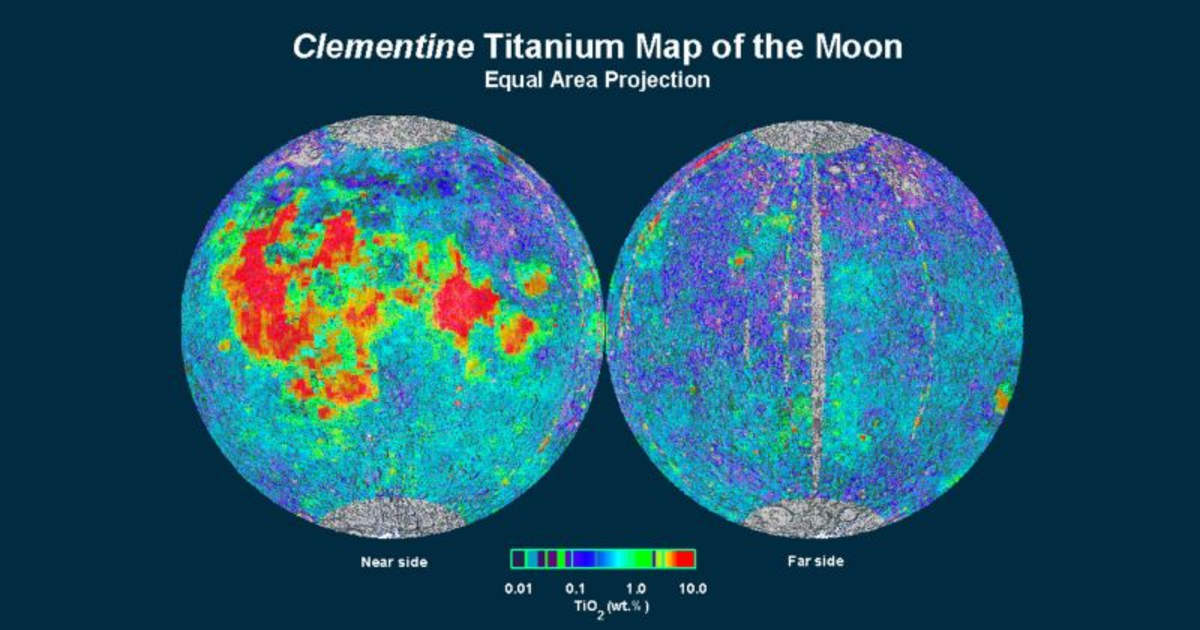
Now, the researchers analyzed the Mare basalts from the Apollo missions. They found that all strongly magnetized samples had high titanium content, and samples with <6 weight % titanium recorded weak magnetic fields. While this correlation may seem obvious now, it had not been previously established. The researchers think that the Moon’s magnetic field became temporarily stronger when titanium-rich material melted deep inside it.

Random sampling is the foundation of any research endeavor, as it eliminates bias. In this case, the Apollo rock samples weren’t random, and the landing sites resulted in bias towards high-titanium basalts, favoring strong magnetic fields. However, purely in theory, scientists might have concluded that the Moon always had a weak field if it weren’t for these samples. “If we were aliens exploring the Earth, and had landed here just six times, we would probably have a similar sampling bias, especially if we were selecting a flat surface to land on," explained Jon Wade, an associate professor at the Department of Earth Sciences at the University of Oxford and co-author of the study, in a statement.
The latest Oxford study now answers both sides of this contradiction. Now, the upcoming Artemis missions could finally collect unbiased samples from the Moon to test this hypothesis. Regardless, the findings of this latest study clearly suggest that lunar magnetic history is way more complex than what was presumed by scientists.
More on Starlust
NASA's Artemis program could benefit from this new map of small mare ridges on the Moon
Scientists create 3D map of the sun's magnetic interior to help improve predictions of solar flares