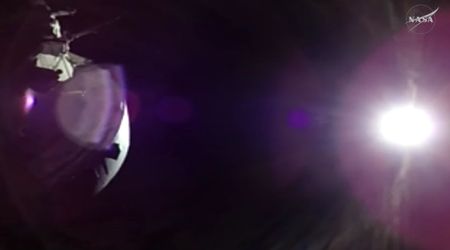
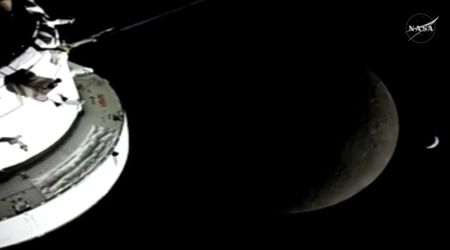
All about Christina Koch, the first woman to fly around the Moon as part of Artemis II
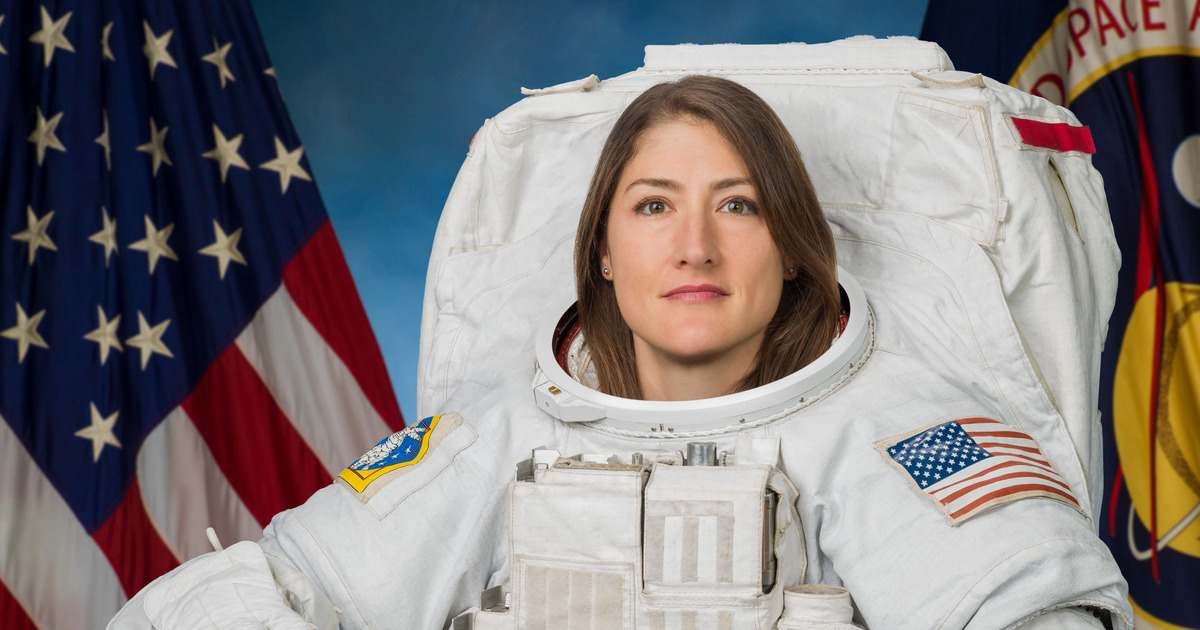
Despite a flurry of delays and technical hurdles, all eyes are on NASA’s imminent Artemis II mission and Christina Hammock Koch, who is at the heart of this historic flight. The astronaut is set to fly beyond low Earth orbit and become the first woman ever to be in the Moon’s vicinity. She follows in the footsteps of 24 male astronauts, half of whom have orbited the Moon and half of whom have quite literally set foot on it, thanks to the Apollo program era from 1968 to 1972.
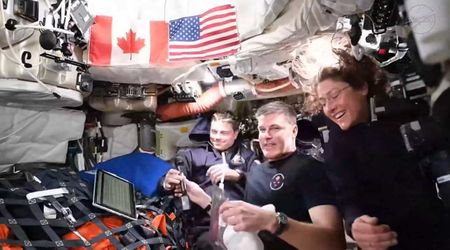
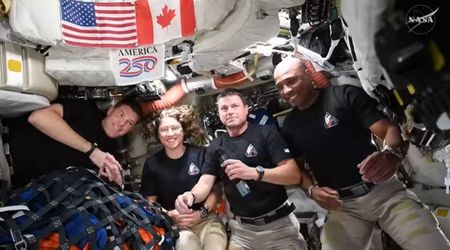
Koch’s moment in history has been years in the making, from being first selected as part of NASA’s 21st astronaut class in 2013, completing her training in 2015, and getting her first spaceflight assignment in 2018, all the way to her current role as Mission Specialist 1 on Artemis II. Yet, this wouldn’t be her first time breaking new ground for women in space exploration. Most significantly, she served as a flight engineer aboard the International Space Station during Expeditions 59, 60, and 61, launched in March 2019. She spent 328 consecutive days in orbit, setting (and still holding) the record for the longest single spaceflight by a woman.
Christina Koch conducted a total of six spacewalks, spending more than 42 hours outside the station. During this mission, she also completed the first all-female spacewalk alongside Jessica Meir in October 2019. Onboard the ISS, she conducted hundreds of experiments ranging across fields of research before returning to Earth in February 2020.
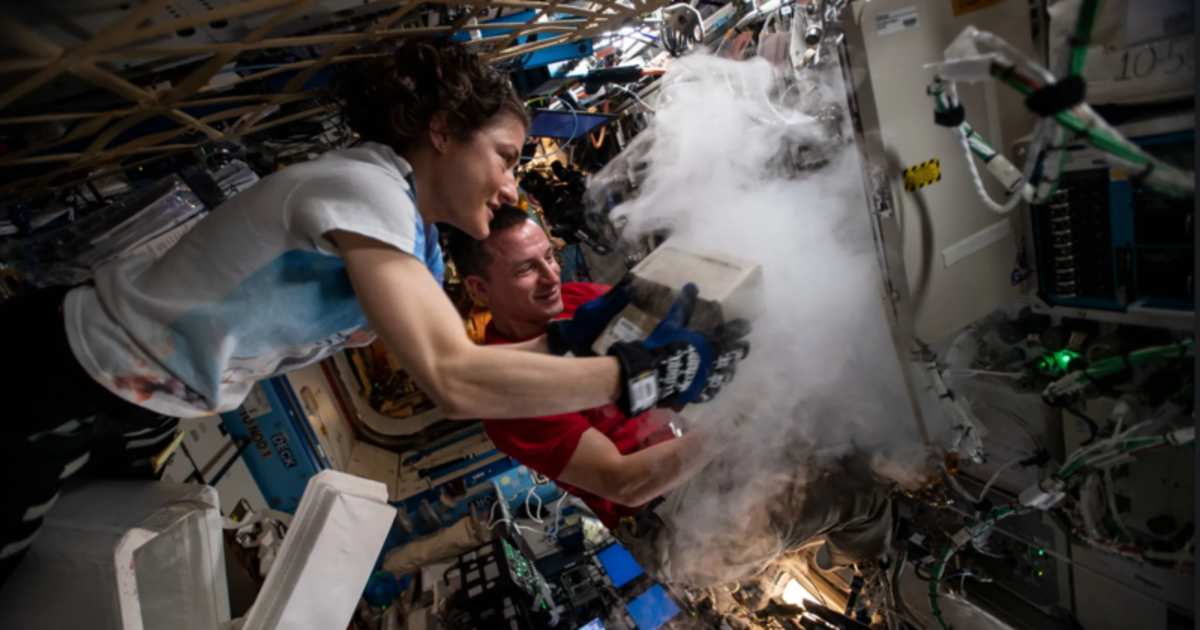
Born in Grand Rapids, Michigan, Christina Koch graduated from North Carolina State University with bachelor’s degrees in electrical engineering and physics, along with a master’s degree in electrical engineering. Later, she joined NASA’s Goddard Space Flight Center, where she worked on scientific instruments for space missions. She has also worked at the Johns Hopkins University Applied Physics Laboratory, the National Oceanic and Atmospheric Administration, and the American Samoa Observatory.
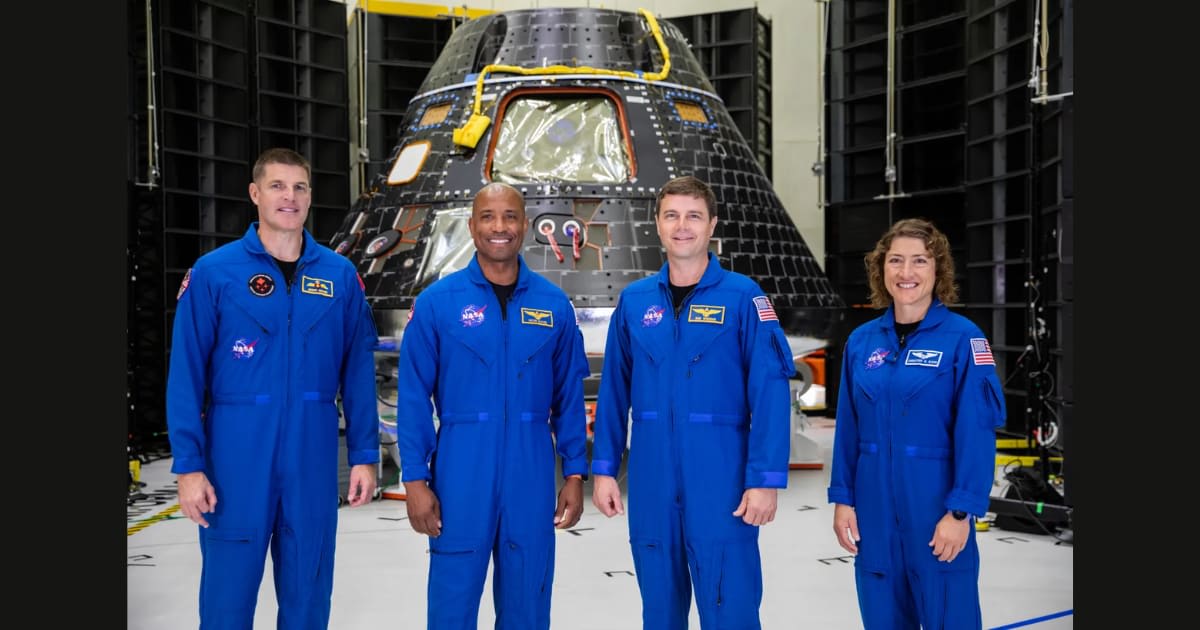
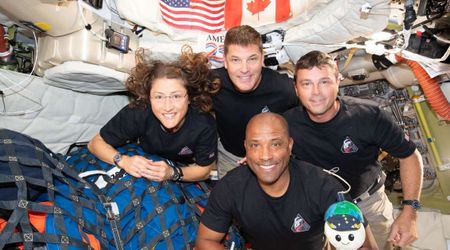
Koch is a recipient of numerous honors, such as the NASA Group Achievement Awards and the Neil Armstrong Award of Excellence. Following her ISS return, she served NASA in leadership roles within the Astronaut Office, after which she went on a rotation as Assistant for Technical Integration for the Center Director at NASA's Johnson Space Center. Koch and three others will go on a roughly 10-day journey around the far side of the Moon without landing. Reid Wiseman serves as Mission Commander on Artemis II. Koch’s crewmate Victor Glover (pilot) is set to become the first African American to see the Moon up close, while CSA astronaut Jeremy Hansen (Mission Specialist 2) will be the first non-American to reach lunar proximity.
As soon as Tuesday, Feb. 24, we will roll our Moon rocket for our Artemis II mission off the launch pad, weather pending. Engineers are continuing to prepare for the move after encountering an issue with the flow of helium to the rocket’s upper stage. Details:… pic.twitter.com/DPX6vjg0q5
— NASA (@NASA) February 22, 2026
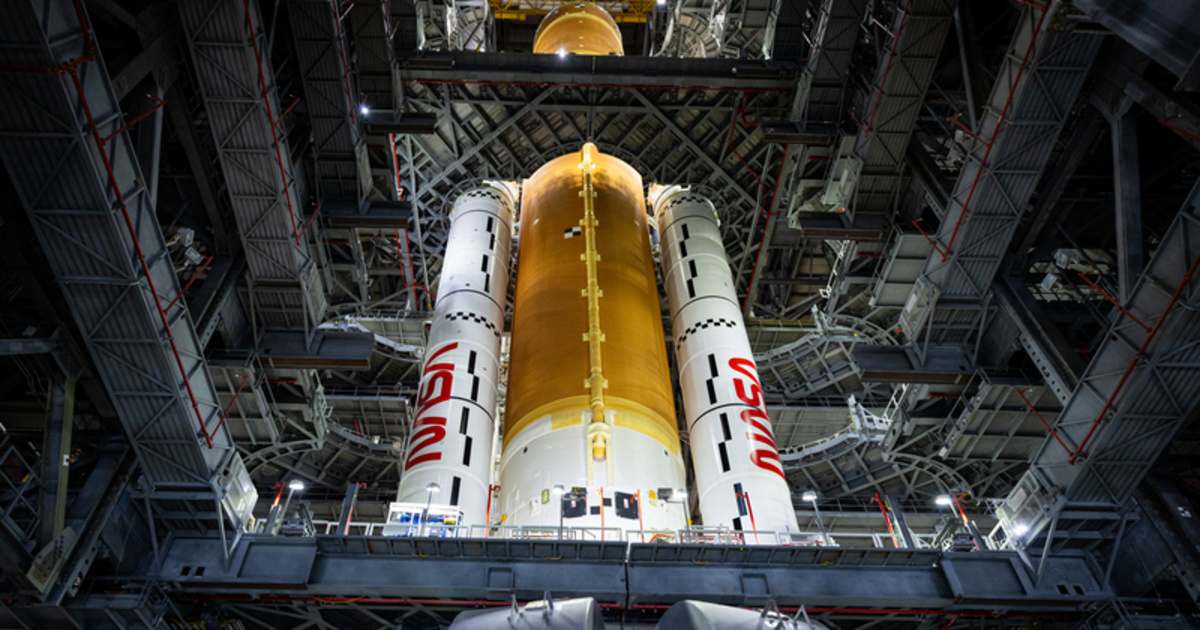
Preparations for Artemis II recently hit another technical hurdle, as engineers encountered issues repressurizing the rocket’s upper-stage helium tanks. As a result, the launch vehicle will need to be rolled off the pad for further troubleshooting. The mission timeline, already delayed, has now been pushed back once again. Despite these setbacks, NASA continues to march ahead with the historic return-to-the-Moon plan.
More on Starlust
'The best of humanity': NASA's Artemis II crew and their accomplishments so far
Artemis II crew will use this roller-coaster-inspired system to escape to safety during emergency