NASA’s Curiosity rover pictures Martian 'giant spiderwebs' that hint at ancient groundwater activity
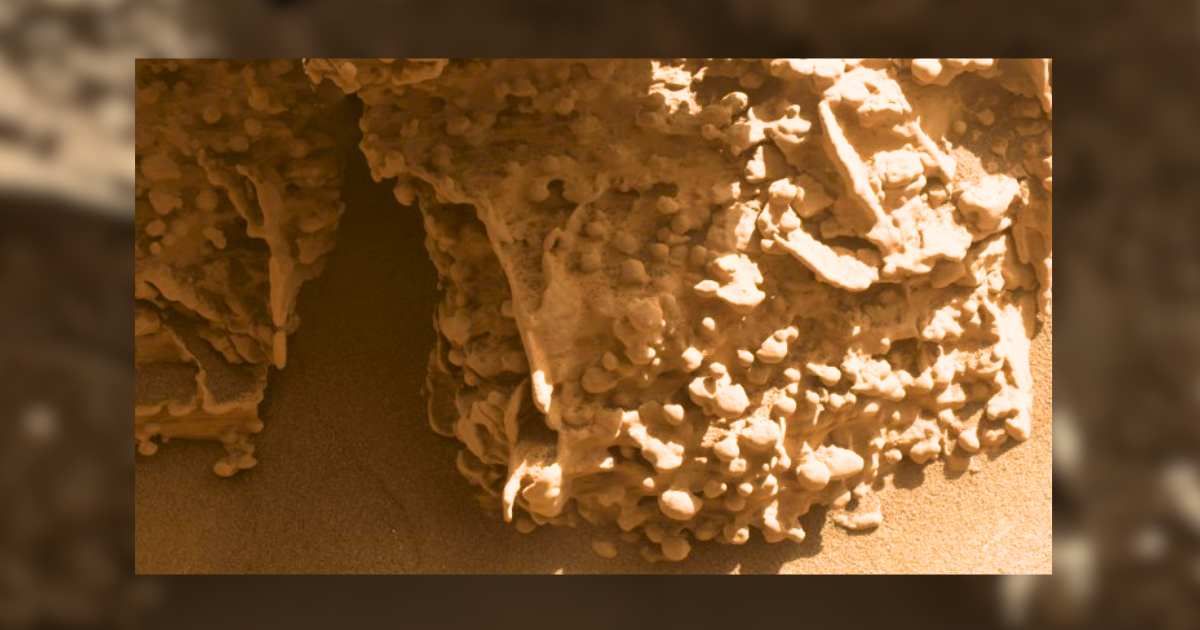
NASA’s Curiosity rover has captured close-up images of “boxwork” formations on Mars. From orbit, these formations look like 'giant spiderwebs,' but they are actually low mineral ridges with sandy hollows between them, each ridge about three to six feet tall. Before these newly released images, all assumptions about them were based on orbital imagery, and this is the first time scientists have seen these strange structures up close.
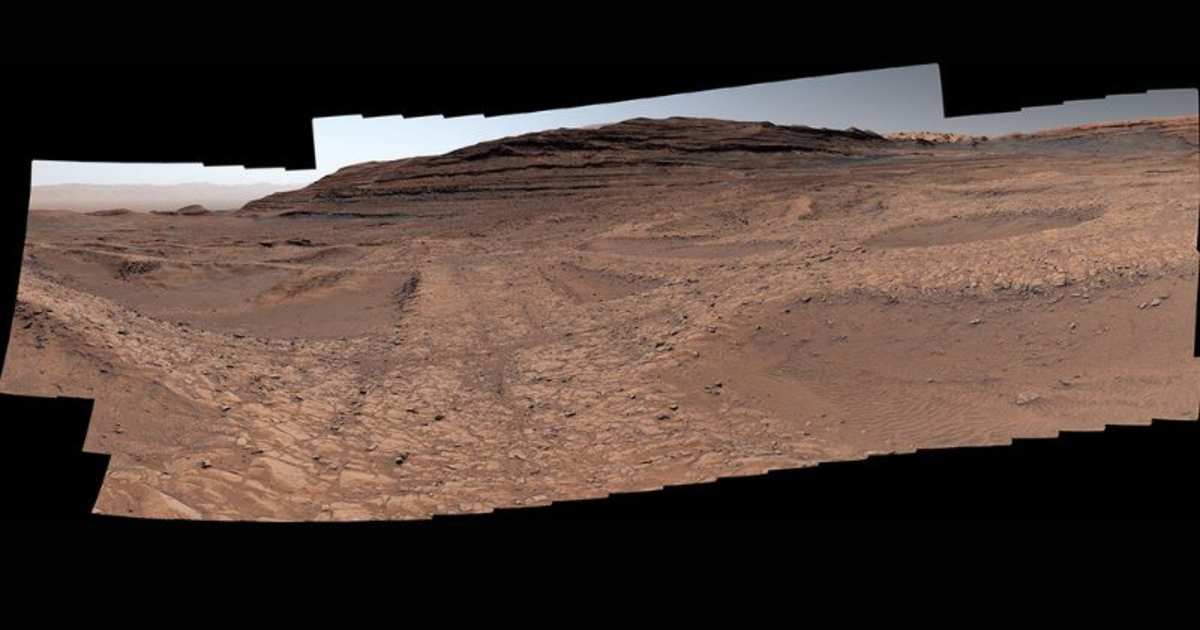
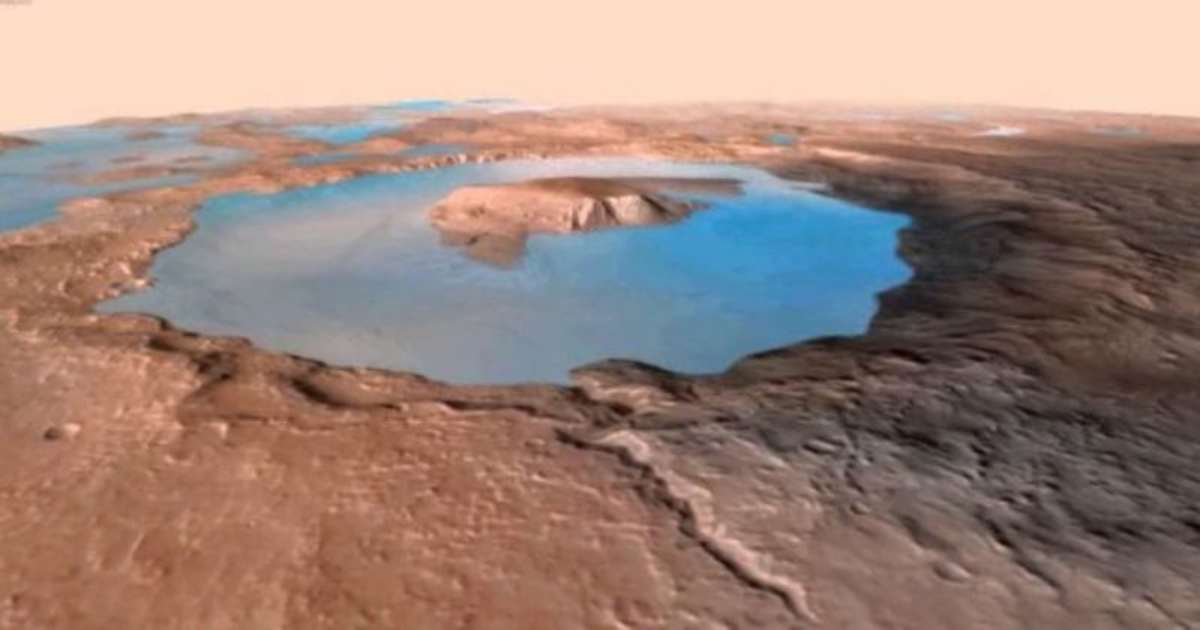
The boxwork formations stretch across miles of terrain and sit high up on Mount Sharp. Each layer of this nearly 5-kilometer-tall mountain represents a natural timeline of Mars’ climate history. Curiosity has been exploring it for years to study how much the planet has changed over eons. Now, these ‘spiderwebs’ hint at ancient Martian groundwater activity in this region, which seems to have occurred more recently than scientists previously expected.
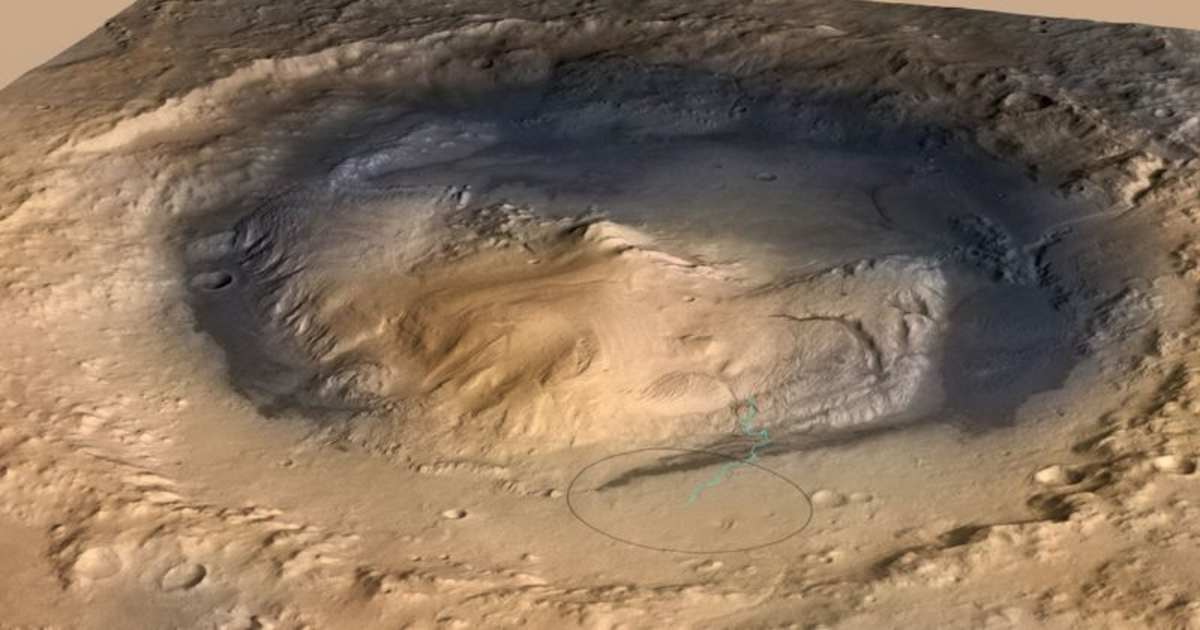
According to NASA, this indicates microbial life may have thrived during this period, too. Therefore, if groundwater lasted longer, Mars’ habitable conditions may also have lasted longer. “Seeing boxwork this far up the mountain suggests the groundwater table had to be pretty high,” said Tina Seeger, a mission scientist leading this investigation. “And that means the water needed for sustaining life could have lasted much longer than we thought looking from orbit.”
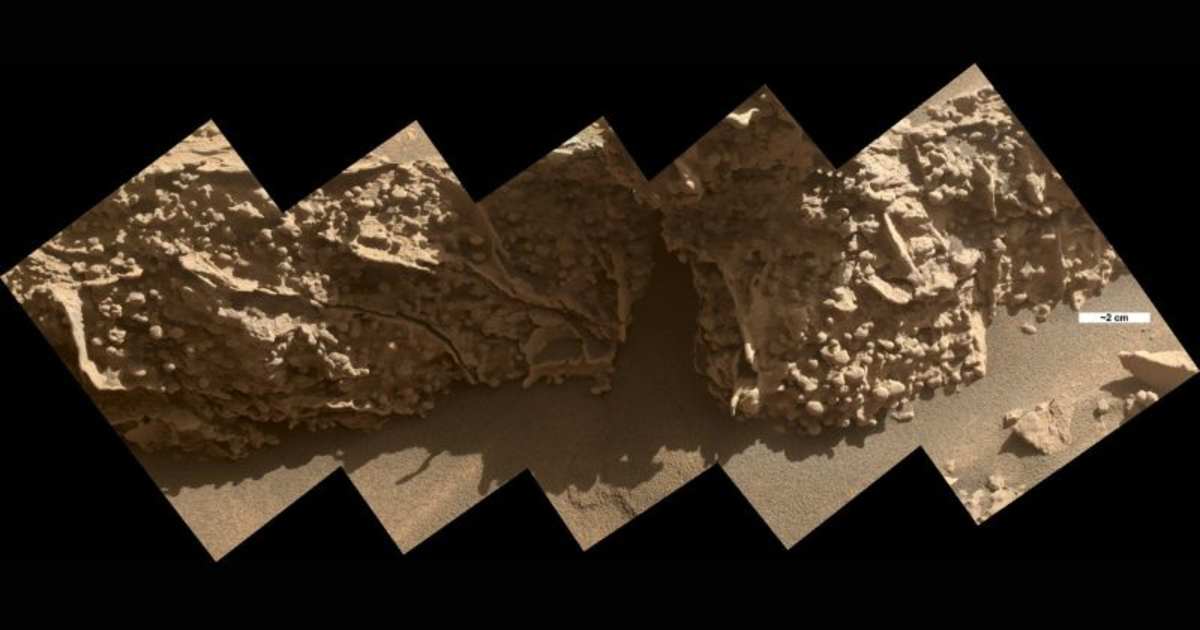
The key evidence for this comes from bumpy, pea-sized mineral nodules spotted by Curiosity in the boxwork region. Such nodules are usually formed as groundwater dries up and leaves minerals behind. They have been observed elsewhere on the planet before as well. But what’s surprising this time was where they appeared—along the sides of the ridges and in the sandy hollows, instead of the main fractures. Researchers still don’t fully understand why the nodules formed in those exact spots.
But how did these ‘spiderweb’ formations come into existence? According to NASA’s findings, groundwater flowed through fractures in bedrock, and minerals crystallized inside those fractures. These mineral deposits hardened, and the surrounding rock that wasn’t reinforced eroded away over time. The remaining sections became ridges, and wind erosion gave way to the sandy hollows between them.
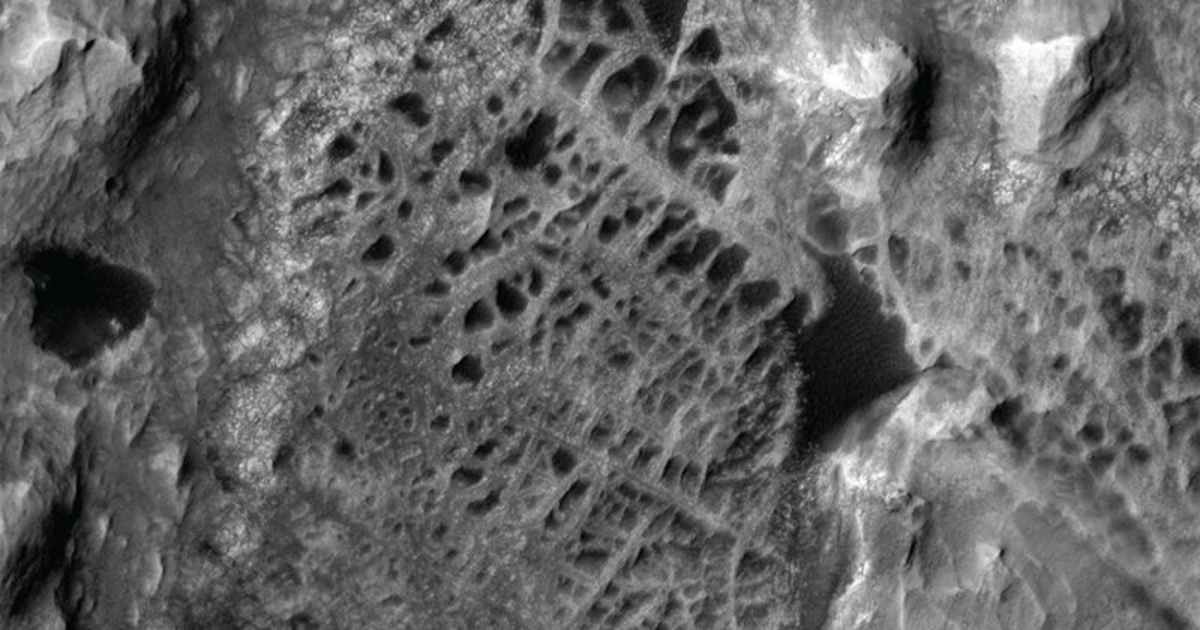
Long before the Curiosity rover got up close and took pictures of these formations, researchers suggested in 2014 that the dark lines across them (seen from orbit) might be central fractures. Now, the images have confirmed that they are indeed fractures, which validates the groundwater formation theory.
For the first time, our @MarsCuriosity rover has found crystals of pure sulfur on the Red Planet—after rolling over a rock and cracking it open: https://t.co/lvc6aq2rKu pic.twitter.com/8KeW4SYfFy
— NASA (@NASA) July 19, 2024
These boxwork formations can also be found on Earth, mostly in caves or sandy places, but they are usually just a few centimeters tall. On Mars, they are way larger and stretch for miles, and the region in Mount Sharp is actually part of a sulfate-rich layer. Sulfates formed as water evaporated from Mars, which means the region was most likely formed during a drying period. Curiosity will soon leave the boxwork region in March to explore the sulfate layer, as the mission aims to understand how Mars went from being a warm, wet planet to a desert.
More on Starlust
NASA's Curiosity has learned four new tricks to boost efficiency after 13 years exploring Mars