Japanese firm Space One's Kairos rocket fails again, self-destructs on its 3rd ever launch
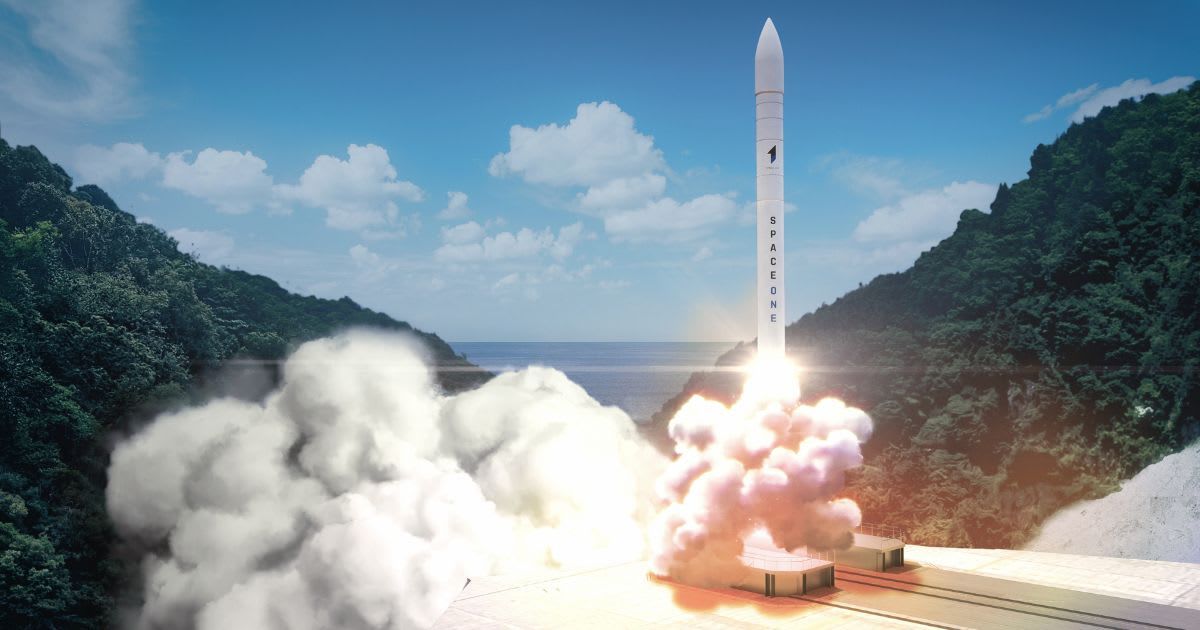
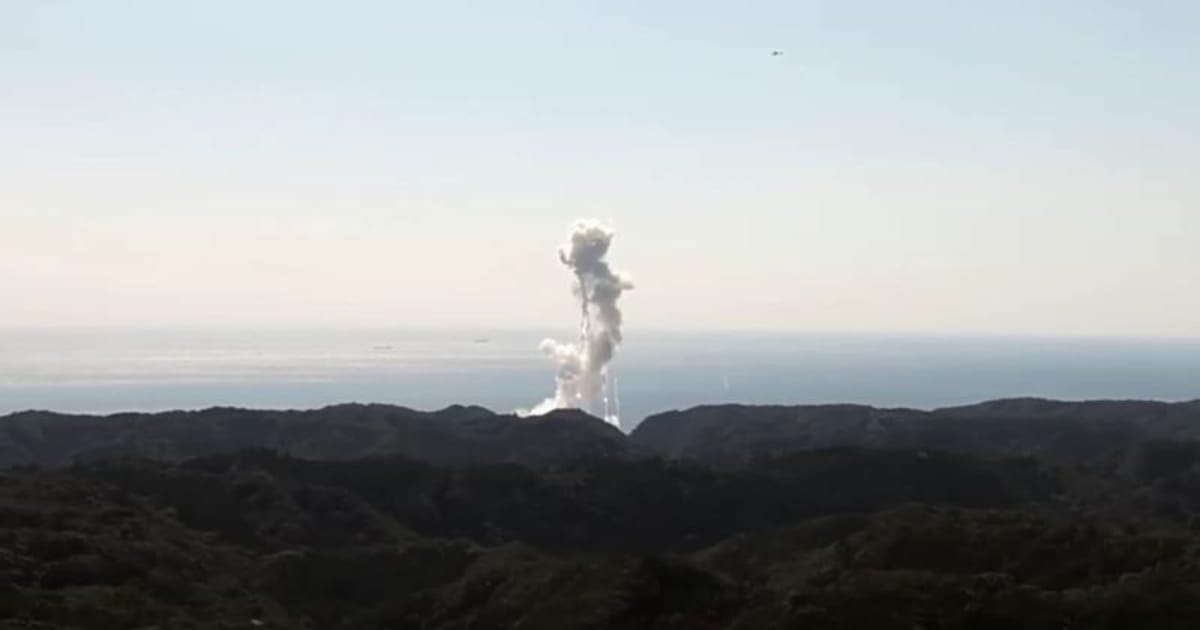
Space One’s Kairos rocket failed yet another launch attempt, its third so far. The mission, which lifted off from Spaceport Kii in Wakayama Prefecture at 11:10 a.m. local time on Thursday, March 5 (9:10 p.m. EST on March 4), ended prematurely as the rocket’s flight termination system was activated. "We determined that mission success was difficult and implemented flight termination measures," (translated from Japanese to English by X) the Japanese private launch startup noted in a post on X. The live broadcast footage showed the rocket self-destructing a little over a minute after liftoff.
This third consecutive Kairos failure is a massive setback for Space One and stakeholders in private Japanese spaceflight. The rocket was carrying five experimental satellites—including payloads from Tokyo-based ArkEdge Space and the Taiwan Space Agency—all of which were lost in the failure. According to Japanese outlet NHK, the planned deployment time was about 50 minutes after launch, at an altitude of roughly 310 miles (500 kilometers). However, Kairos No. 3 did not go any higher than 18 miles (29 kilometers) above the Pacific Ocean.
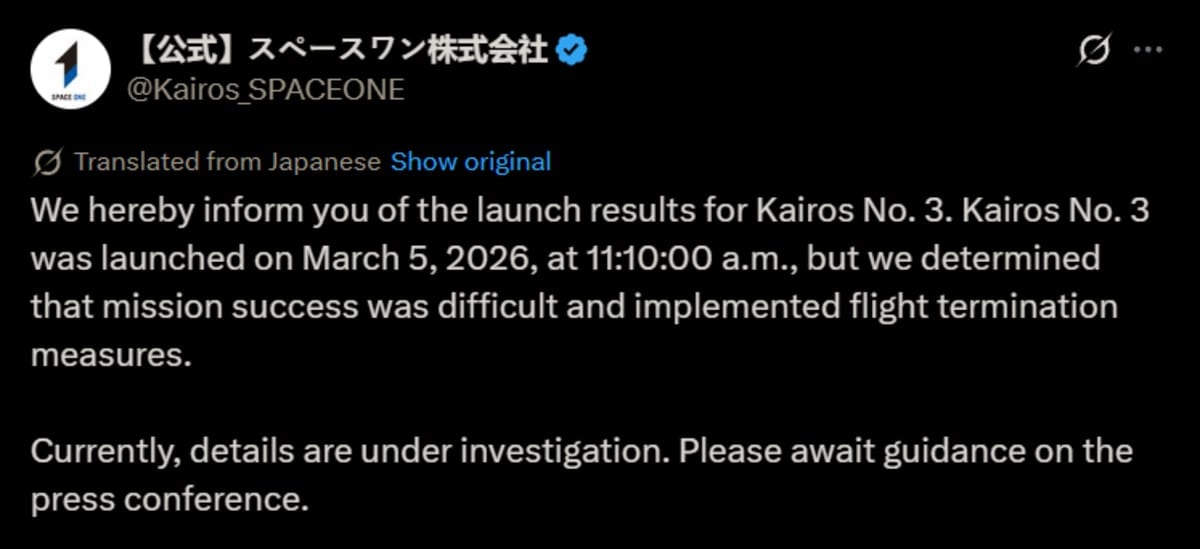
“No significant abnormalities were found in the flight or onboard equipment before the self-destruction,” said Space One's Vice President Nobuhiro Sekino during a press conference, per Reuters. The VP’s statement hints that the autonomous flight termination system may have been incorrectly triggered. The rocket's failure is a serious cause for concern, considering Japan wants to have a launch cadence of 30 in the early 2030s. In stark contrast, the country successfully launched only three rockets in 2025, and no satellite has ever been successfully launched using a fully commercial Japanese rocket.
"We would like to apologize to our customers and all those involved in the launch for not being able to complete the mission to the end, and we are very disappointed that we were unable to meet the expectations of everyone who supported us," (translation by Google) Space One noted in its press release, adding that it will look into the problem as soon as possible. In March 2024, the first-ever Kairos launch had failed just five seconds after liftoff, after the rocket’s flight termination system detected lower-than-expected velocity and thrust. The second attempt in December that year lasted only about three minutes longer. The rocket reached an altitude of 62 miles (100 kilometers) before detecting performance anomalies. That mission, too, lost five satellites.
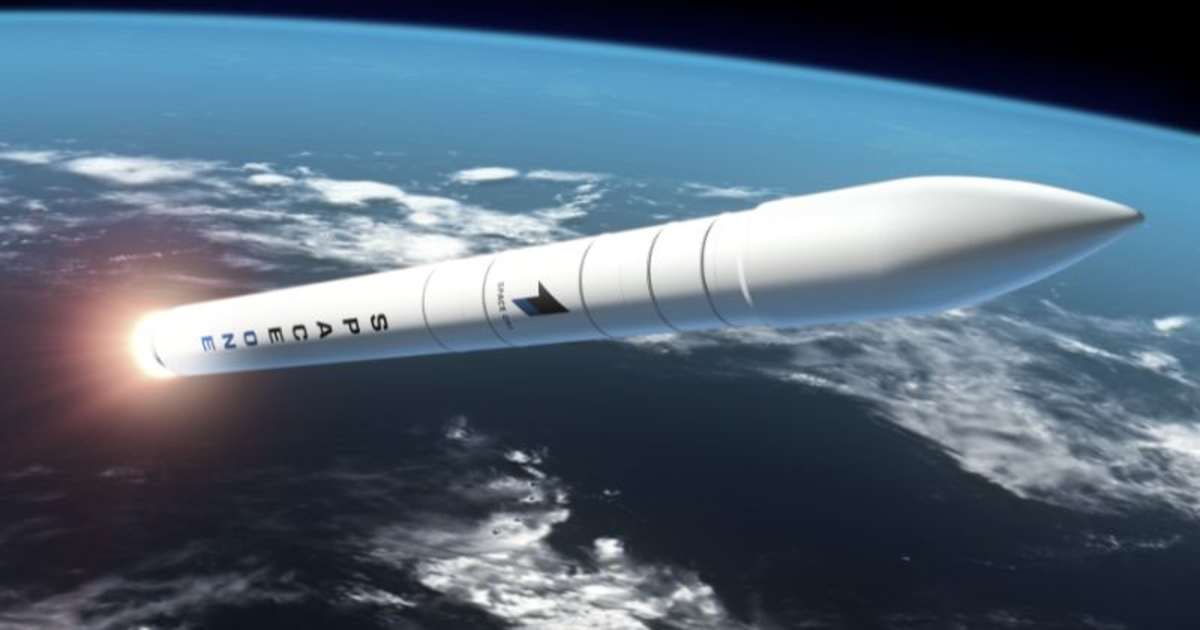
At 59 feet (18 meters) tall, Space One’s Kairos rocket uses three solid-fuel stages topped by a liquid-propellant upper stage. According to Space One, the rocket can carry up to 330 pounds (150 kilograms) to sun-synchronous orbit. With Kairos and other native launch service providers, Japan intends to stop relying on foreign firms like SpaceX and Rocket Lab.
Space One’s latest failure with the Kairos rocket is unlikely to slow down commercial small rocket programs not just in Japan, but around the world. In 2025, Toyota invested in Interstellar Technologies, a company that reached outer space in 2019—a first for Japan. Honda, too, conducted a reusable rocket experiment last year. Similar Kairos-like private rocket launches were seen elsewhere in Germany, Australia, and South Korea, but they are yet to reach orbit.
More on Starlust
Japan’s H3 rocket fails to plant geolocation satellite into orbit, officials report
Japan's ispace misses the mark again as its lunar lander crashes into Moon — mission ends in failure