Don't miss Southern Taurids meteor shower peaking around November 4—best viewing tips
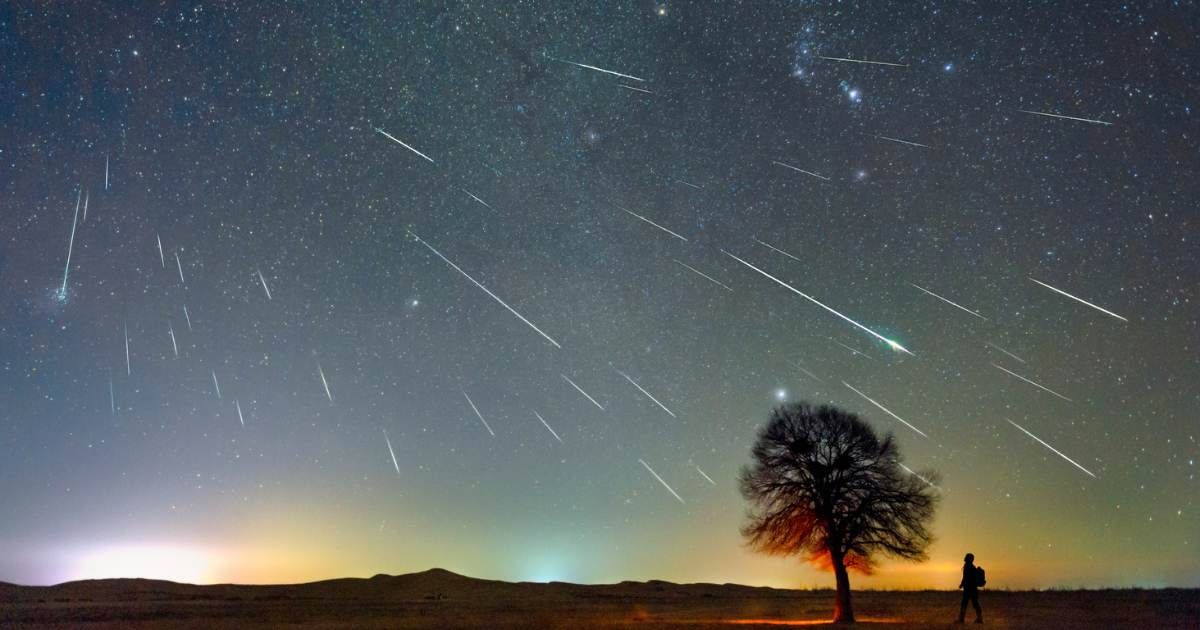
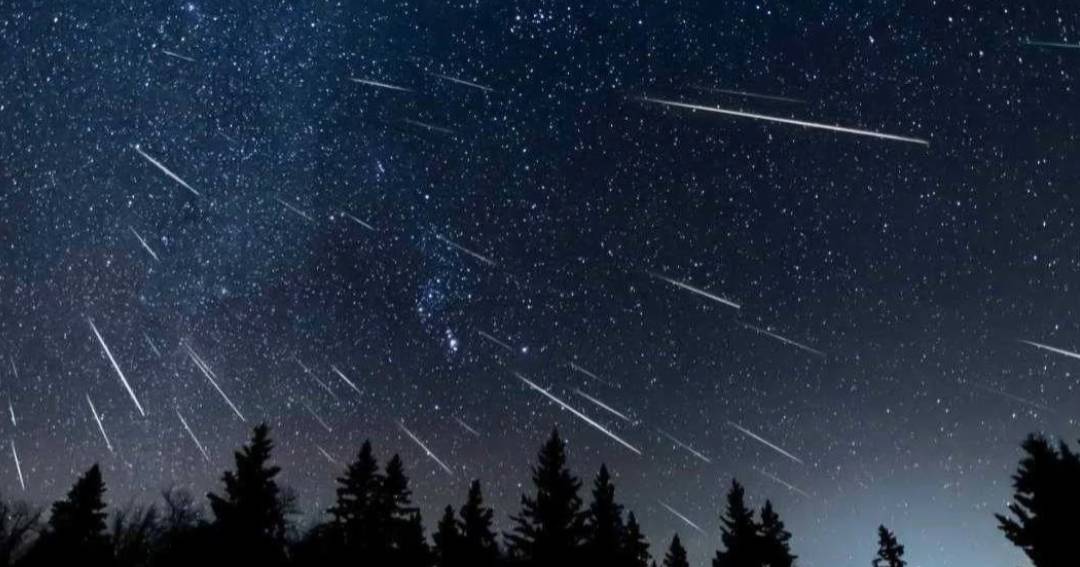
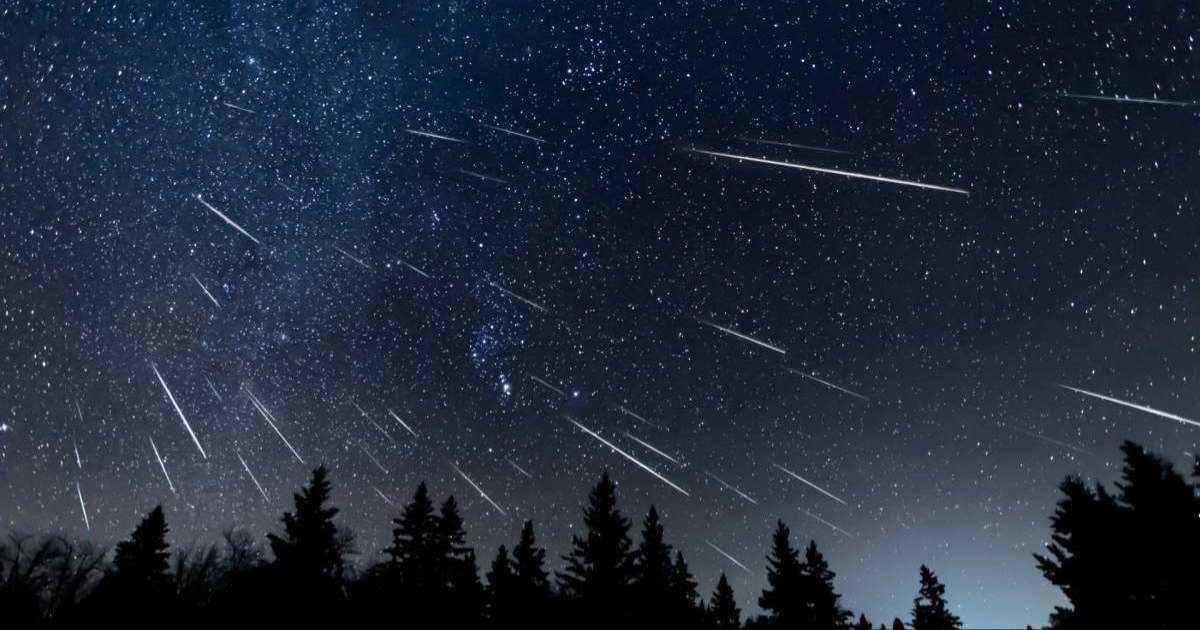
Stargazers are on alert as the Southern Taurids meteor shower approaches its most spectacular showing of the year, anticipated to reach its peak on the night of November 4-5, 2025. This year's display is particularly noteworthy as it coincides with a rare "swarm year," elevating the potential for observers to witness an increased number of bright, stunning fireballs, as per the American Meteor Society.
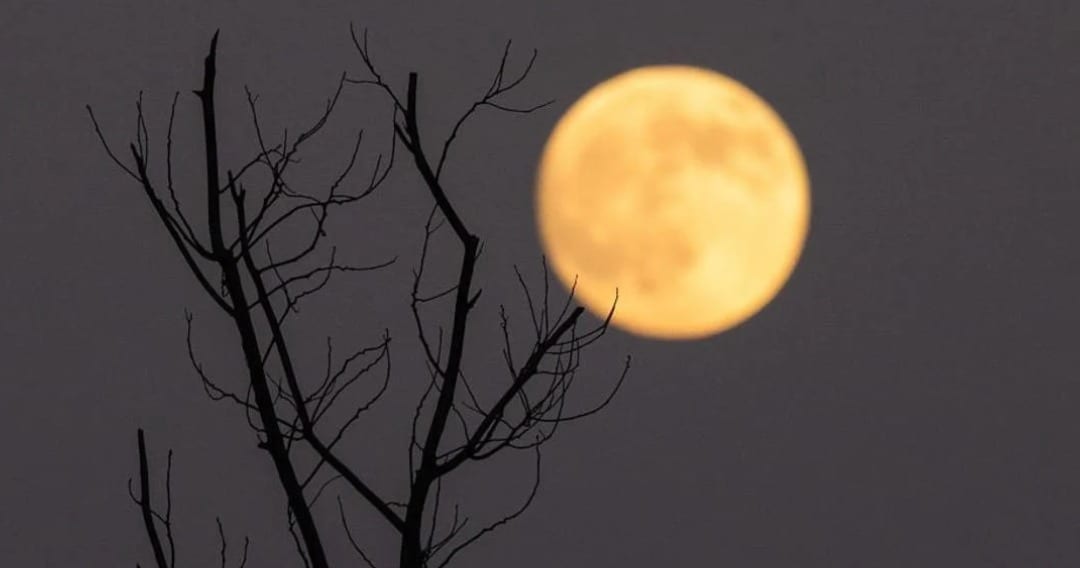
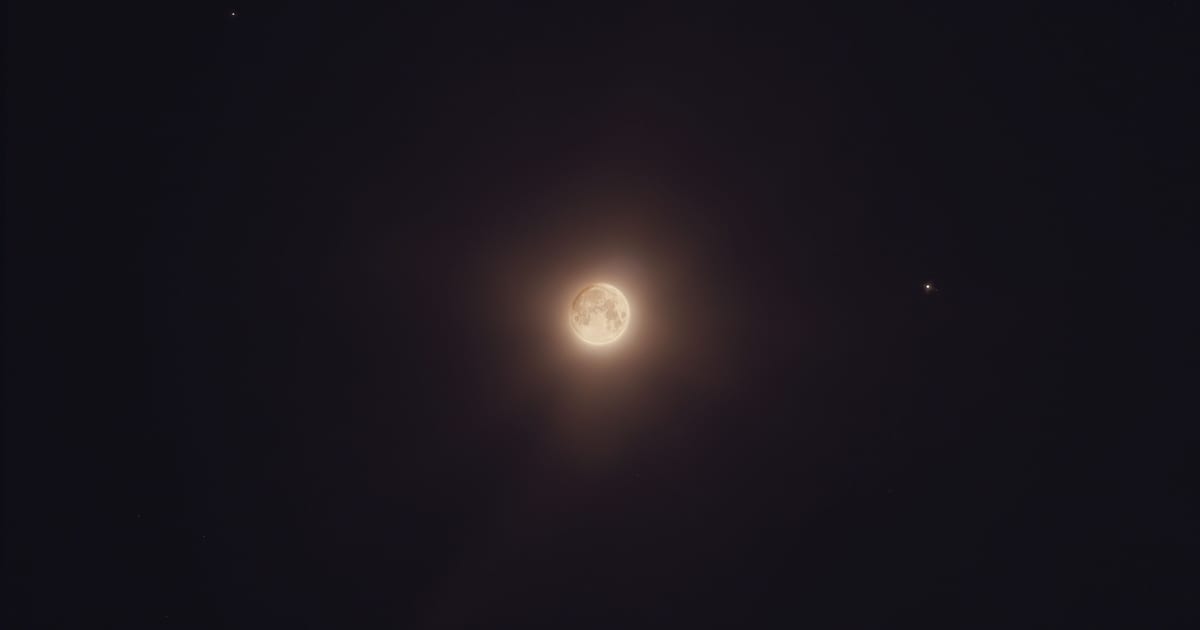
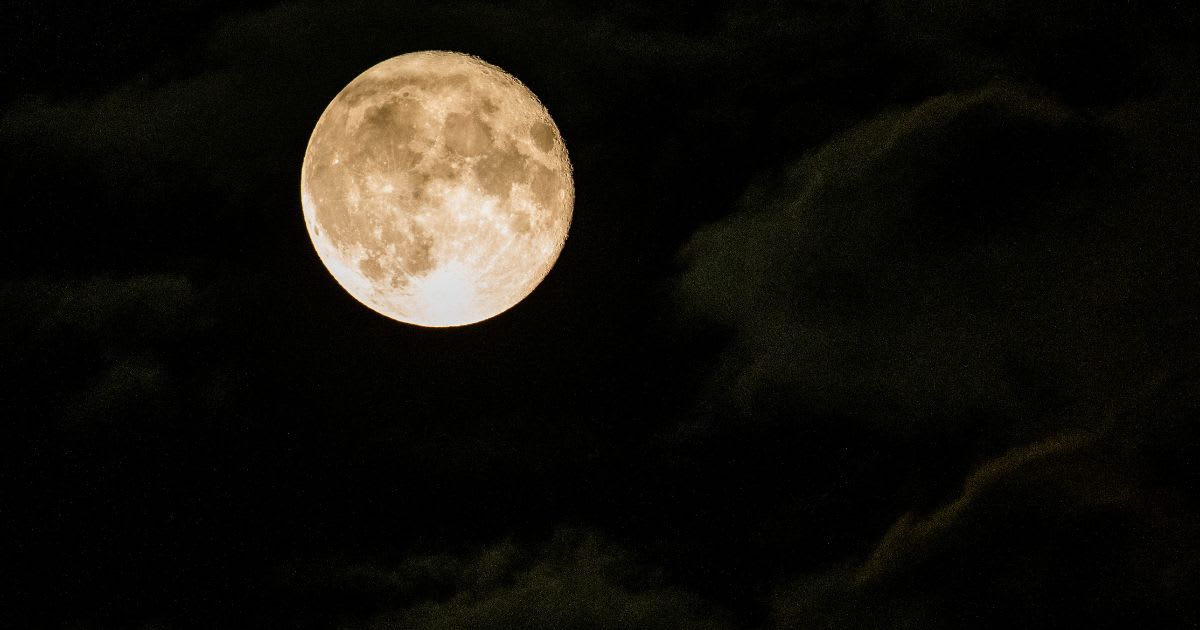
Active across two months, from September 20 to November 20, the shower's peak is projected to occur on the night the Moon is 100% full, posing a significant challenge for viewers. According to Royal Museums Greenwich, the intense natural light pollution from the Full Moon will, unfortunately, wash out many of the fainter streaks, meaning only the brightest meteors are likely to be visible. Despite the lunar interference, the Southern Taurids are renowned for their slow-moving nature, traveling at approximately 17 miles per second, and their tendency to produce brilliant fireballs, large, bright meteors that originate from the celestial debris trail of Comet 2P/Encke, according to the American Meteor Society.
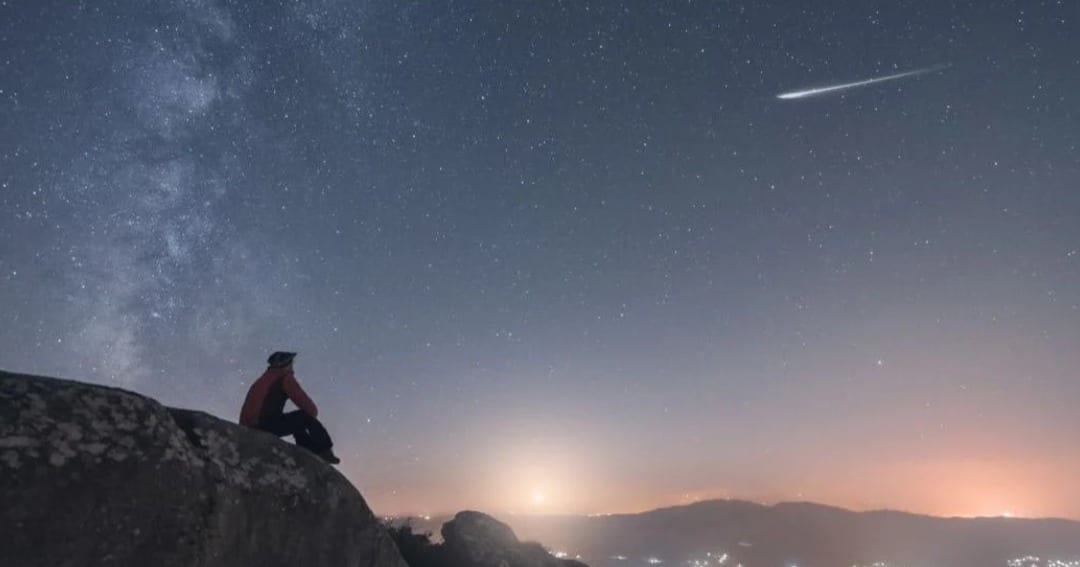
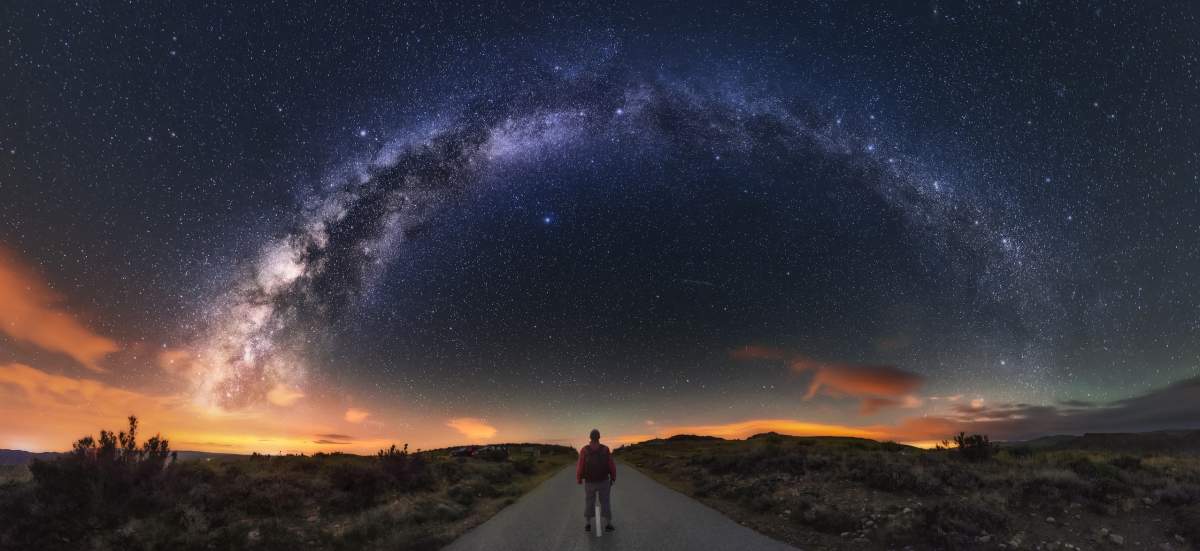
As mentioned on Royal Museums Greenwich, to maximize the chance of a successful sighting, viewers are advised to seek out locations far from artificial light pollution, prioritizing a clear, dark sky with an unobstructed horizon. Avoid using binoculars or telescopes; the best approach is to use the naked eye to take in the widest possible view of the sky. Allow your eyes time to fully adapt to the dark by avoiding direct light sources.
With a modest maximum rate of only about five meteors per hour (ZHR 5), this shower offers more of a patient treasure hunt than a dramatic deluge. While the main annual component peaked on October 14, the focus now shifts to the stronger fireball-generating swarm component that dominates this November peak, per the American Meteor Society.

The spectacular meteors that light up the sky during the Southern Taurids shower are fragments shed by the parent celestial body, officially designated as Comet 2P/Encke, per Earth Sky. The comet’s path to receiving its name, however, was anything but straightforward, marked by multiple, incomplete sightings over decades. The object was first documented by French astronomer Pierre Méchain on January 17, 1786, though his observation lasted only three days, preventing any orbital calculation. A decade later, on November 7, 1795, renowned English astronomer Caroline Herschel independently located the comet, tracking it for 23 days without establishing a precise orbit.
The third significant sighting came in 1805 from the legendary French visual comet hunter Jean-Louis Pons on October 20. His discovery was quickly corroborated by observers across Europe, including Hofrath Huth in Germany and Bovard in Paris, allowing the object to be tracked for a crucial 32 days. It was astronomer Johann Franz Encke who finally synthesized these scattered positional records to calculate the comet's orbit and predict its future return. Yet, the story took an unexpected turn: Encke's prediction of a return in 12.12 years ultimately proved incorrect, adding a final twist to the history of the shower’s source material.
More on Starlust
Watch out for fireballs as Taurid meteor shower 2025 set to begin on October 20