What part of the Moon will the astronauts get to see on the Artemis II mission?
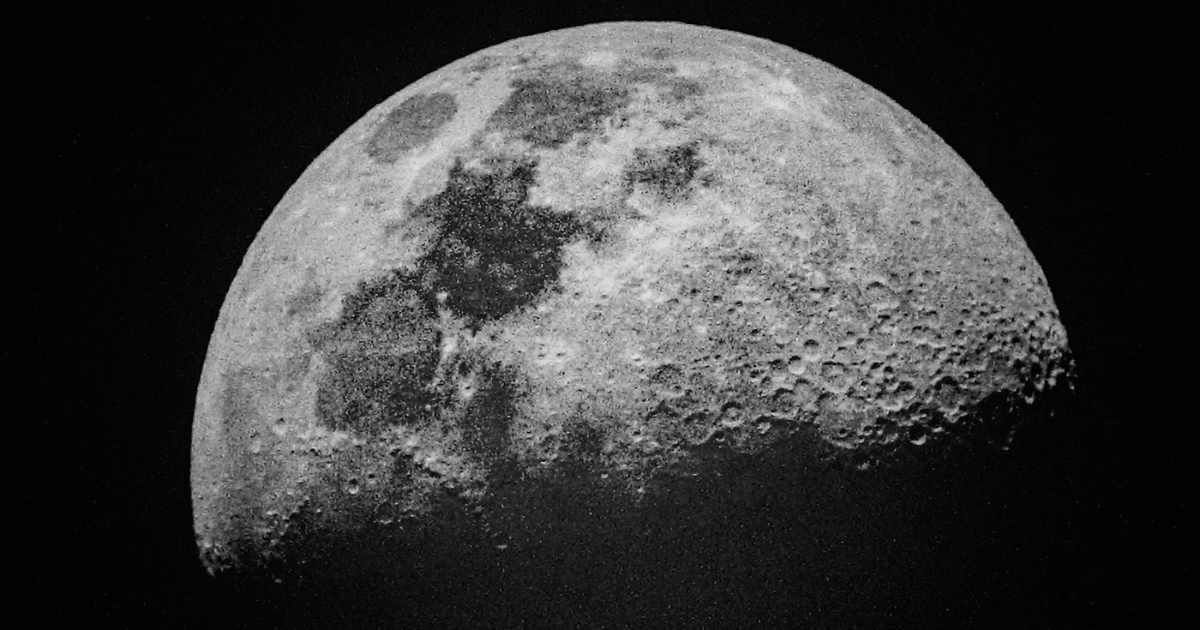
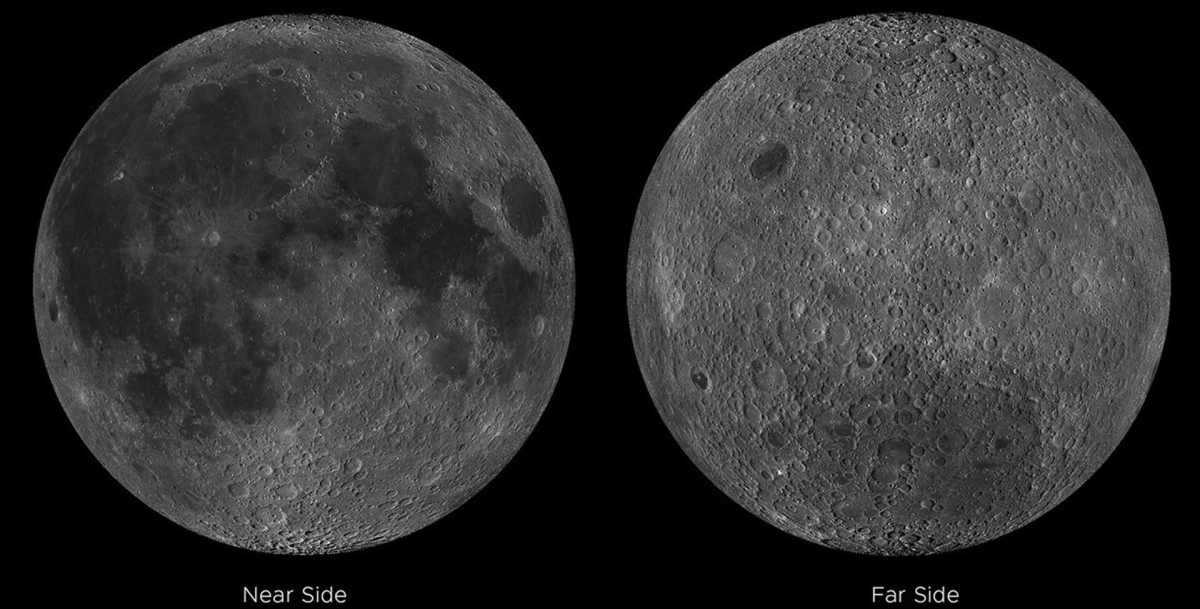
In the year 1970, the Apollo 13 crew travelled a distance of 248,655 miles. It was the farthest humanity had ever ventured. Now, the Artemis II mission, the first crewed lunar mission in over 50 years, is set to smash this record. At its maximum distance, the Orion spacecraft, with its crew of four on board, will be about 4,600 miles beyond the far side of the Moon—the side that we don't get to see from here on Earth.
From that vantage point, the astronauts will be able to see the entirety of the far side of the Moon, all at once. For comparison, the Apollo mission flew only about 60-120 miles above the lunar surface, giving its astronauts a restricted view of the far side. If everything goes right, the far side will be lit by the Sun during the Artemis II mission. "They’re (the Artemis II crew) going to be the first humans to see virtually the entire far side disk in a single view," Jacob Richardson, deputy lunar science lead for Artemis 2, told Gizmodo. This will allow the astronauts to observe lunar features that are thousands of miles apart from each other. And while the list of observation targets will not be finalized until the first few days of flight, one target could be Mare Orientale, which is a giant impact basin on the border between the visible and far sides. Studying it will throw light on how the giant lunar craters formed.
The astronauts may also get the opportunity to peer at the South Pole-Aitken Basin, the largest impact crater on the Moon, with a diameter of over 1,550 miles. It is also probably one of the oldest craters, believed to have formed about 4 billion years ago. The astronauts' primary observational objective, however, will be to monitor the surface color changes and look for flashes from meteorite impacts in dark areas. "My hope is that with the Artemis missions, we as scientists today—in 2026—end up looking kind of like fools, and that the Artemis missions create so much opportunity for discovery that we’re able to rewrite the textbooks," Richardson added.

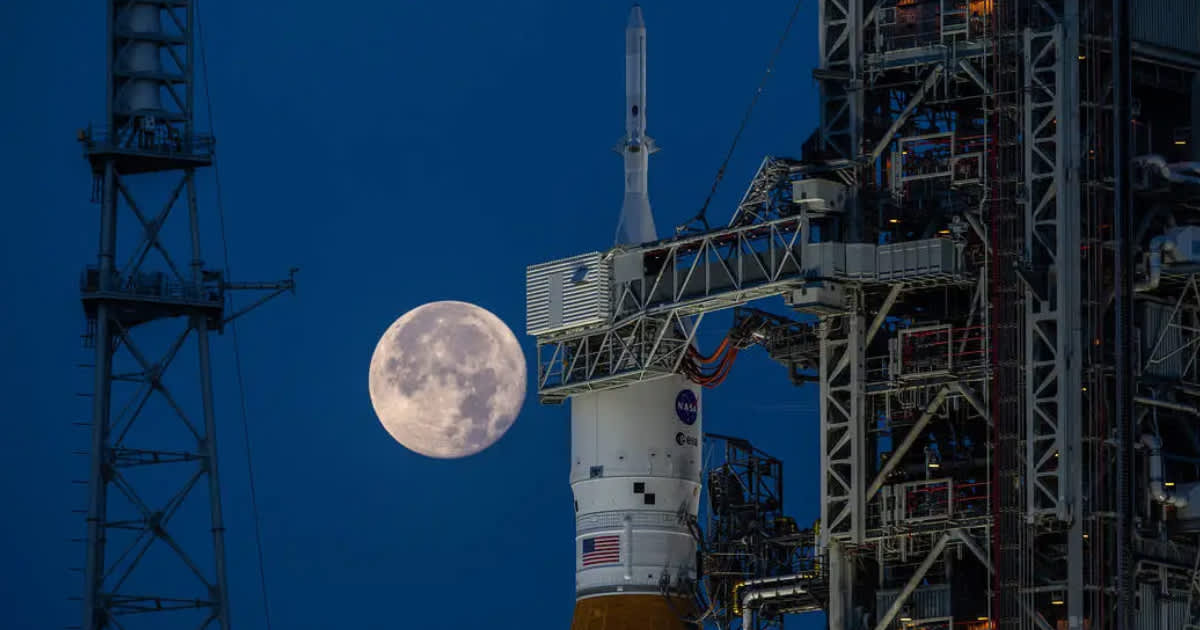
While the Artemis II astronauts will not set foot on the lunar surface, their success will pave the way for those who will via the Artemis III mission and those that will follow it. Asked whether he feels the pressure of history as the Orion lift-off comes closer, in an interview with Time magazine, Reid Wiseman, the Artemis II mission commander, said, “Until about 30 seconds ago, I didn’t. But seriously, I really don’t think any of us have thought about that aspect of the mission. I really think we are taking the right step in a sustained lunar presence. The important thing about being first is that there’s a second, third, fourth, and more." Wiseman and the other astronauts—his NASA colleagues, Christina Koch and Victor Glover, along with the Canadian Space Agency's Jeremy Hansen—have been in quarantine since January 23, as NASA continues its countdown for the critical wet dress rehearsal.
More on Starlust
Artemis II mission will take bone marrow cells on thumb-drive-sized chips to the Moon
NASA's Artemis II mission: Why the four astronauts won't land on the Moon