Artemis II wet dress rehearsal countdown: What has happened so far
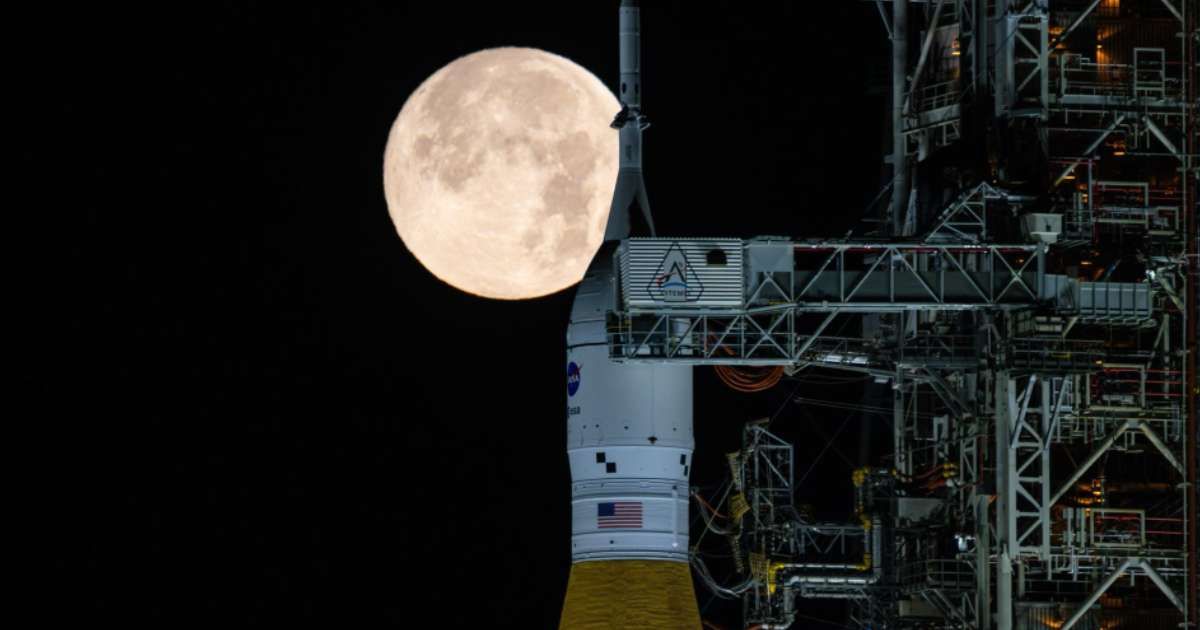
NASA is currently in the middle of its 49-hour countdown for the simulated launch of Artemis II. This mock launch window is set to open at 9 pm EST on February 2, 2026, with the test expected to go on till 1 am on February 3, 2026. According to NASA, at precisely 8:13 pm EST, January 31, 2026, the countdown of exactly 48 hours and 40 minutes began after launch teams arrived at their stations. This wet dress rehearsal also involves tanking, or loading Artemis II’s Space Launch System (SLS) rocket with 700,000 gallons of cryogenic fuel.
Earlier, due to extreme cold weather, NASA was forced to put off the beginning of this wet dress rehearsal as prescribed by their criteria for launch, delaying the tanking originally slated for Saturday, January 31. This, consequently, also moved the earliest possible window for the actual launch from February 6, 2026, to February 8, 2026. Per NASA, as of the early hours of Monday, February 1, 2026, teams at Cape Canaveral had proceeded until L-39 hours and 30 minutes, when the SLS rocket’s massive core stage was powered up in preparation for tanking. During the preceding night, the interim cryogenic propulsion stage (ICPS) was also fed power as a part of the countdown. "Engineers are preparing to charge Orion’s flight batteries and soon will begin core stage battery charge," the agency added.
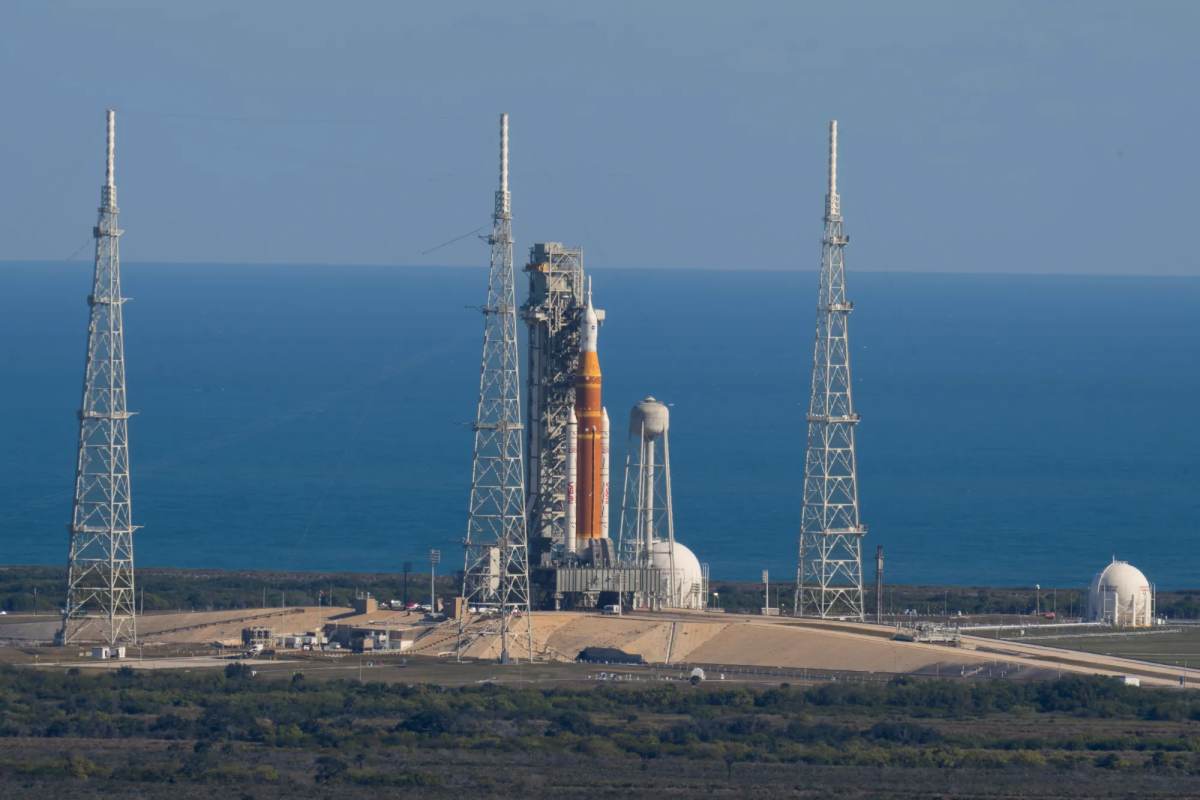
NASA uses a couple of countdown timer conventions during this process. The one labelled "T minus" has pauses built in to enable the team to target a precise launch window and to give the crew enough time to complete certain tasks without impacting the overall schedule. "L minus," on the other hand, shows how close the liftoff is, and it continues to run even when the "T minus" clock is stopped. Overall, the countdown process imitates real-world conditions and even accounts for scenarios that may see the launch cancelled due to technical concerns or unfavorable weather conditions. Once the test is done and dusted, the crew will remove the propellant from the rocket. The data from the test will then be reviewed before an official launch date is decided on and announced. By design, the rehearsal skips the actual crew, owing to their ongoing quarantine, but includes every other step, including closeout operations, which entails closing the Orion crew module and launch abort system hatches.
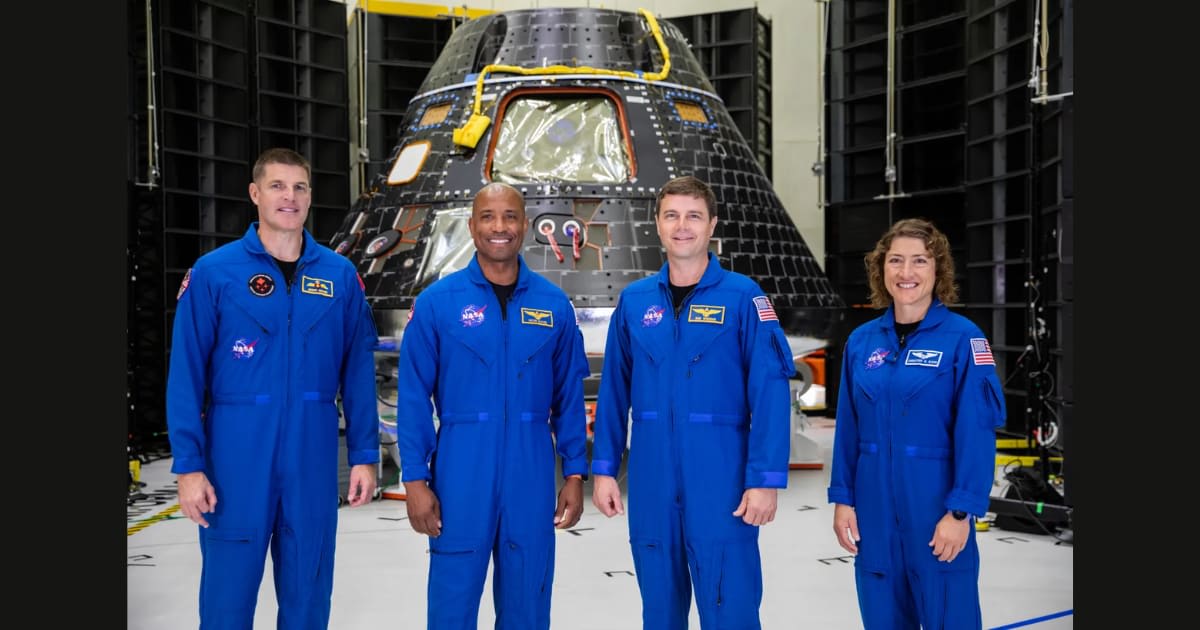
Artemis II marks the first crewed flight aboard the Orion capsule and SLS rocket. The four-astronaut crew of Reid Wiseman as commander, Victor Glover as pilot, mission specialist Christina Koch from NASA, and mission specialist Jeremy Hansen from the Canadian Space Agency will strap in for a 10-day trip that loops around the Moon without landing. During this trip, the astronauts will experience deep-space radiation and test life-support and communications systems, thus paving the way for Artemis III, aimed at taking humans back to the surface of the Moon.
More on Starlust
Artemis II mission will take bone marrow cells on thumb-drive-sized chips to the Moon